
I’m writing from the air (taking advantage of Delta’s free wi-fi), returning from the second leg of a European duo tour with Belgian musician & composer Jozef Dumoulin—where we performed on two Fender Rhodes pianos and electronics. The plane ride is giving me a quiet moment to reflect on the last couple weeks of travel: not only the music and the practical details of touring, but also the wonderful cities, meals, and people that make the live experience feel so much richer than working on music in the confines of one’s studio. I feel like it’s been a rapid period of growth for me on quite a few different axes.
This past weekend, we’ve played concerts in Paris, Brussels, and in Jozef’s home town of Roeselare. On our first leg, in mid-March, we traveled to Iceland, Cologne, and London.
All of these concerts are just ahead of an upcoming album of ours, due out 17 April 2026 on Greyfade. The album is called ITERAE. It comprises roughly 70 minutes of music, also created on a pair of Fender Rhodes electric pianos, along with a plethora of electronic processing. It’s available for pre-order now.
I’ll have more to say about this album in the coming weeks—from the music and to the technology, to the package design and music video—but for now, you can have a first listen here:
(note: all paid subscribers should have received a free download code for ITERAE this morning.)
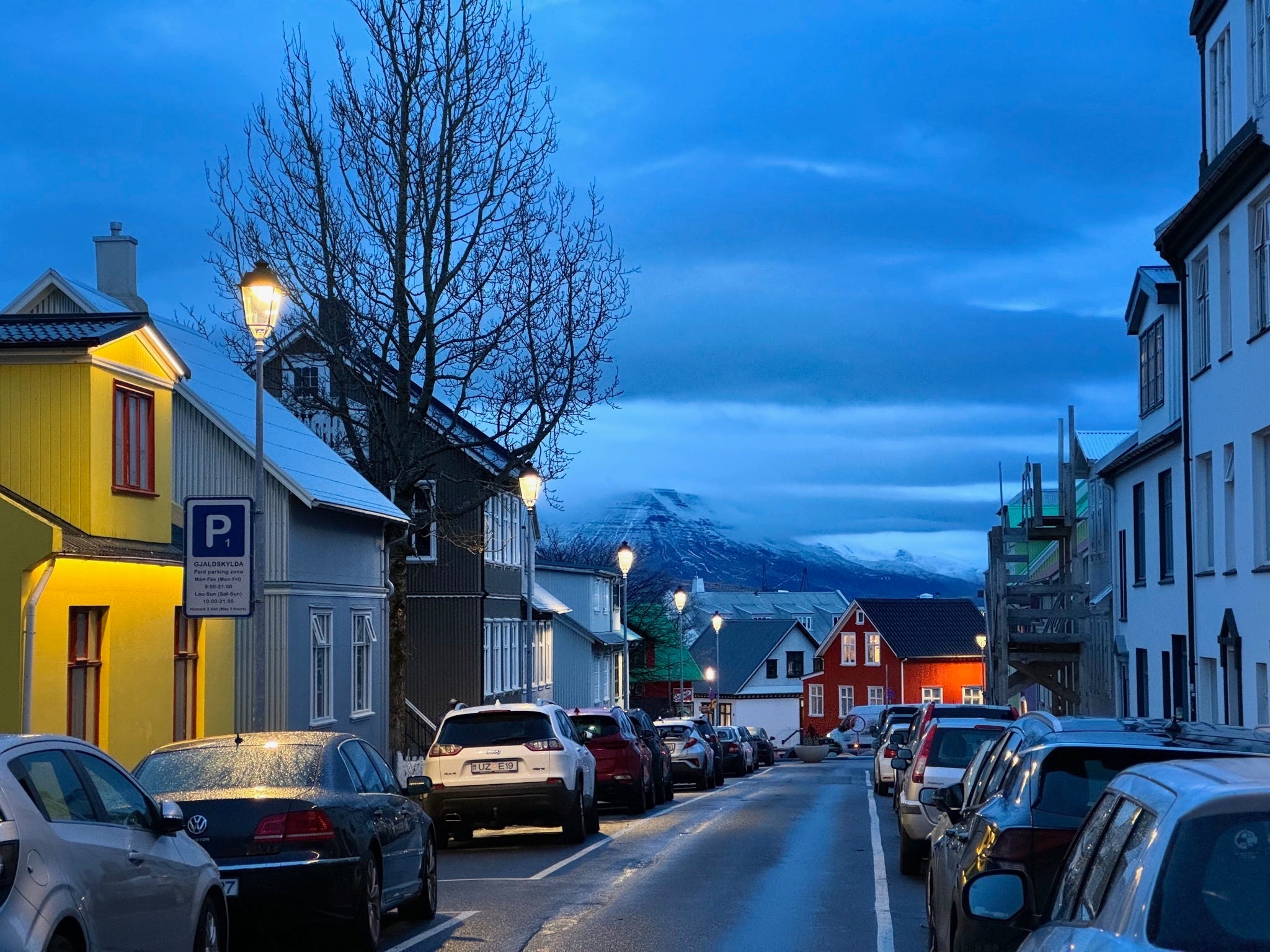
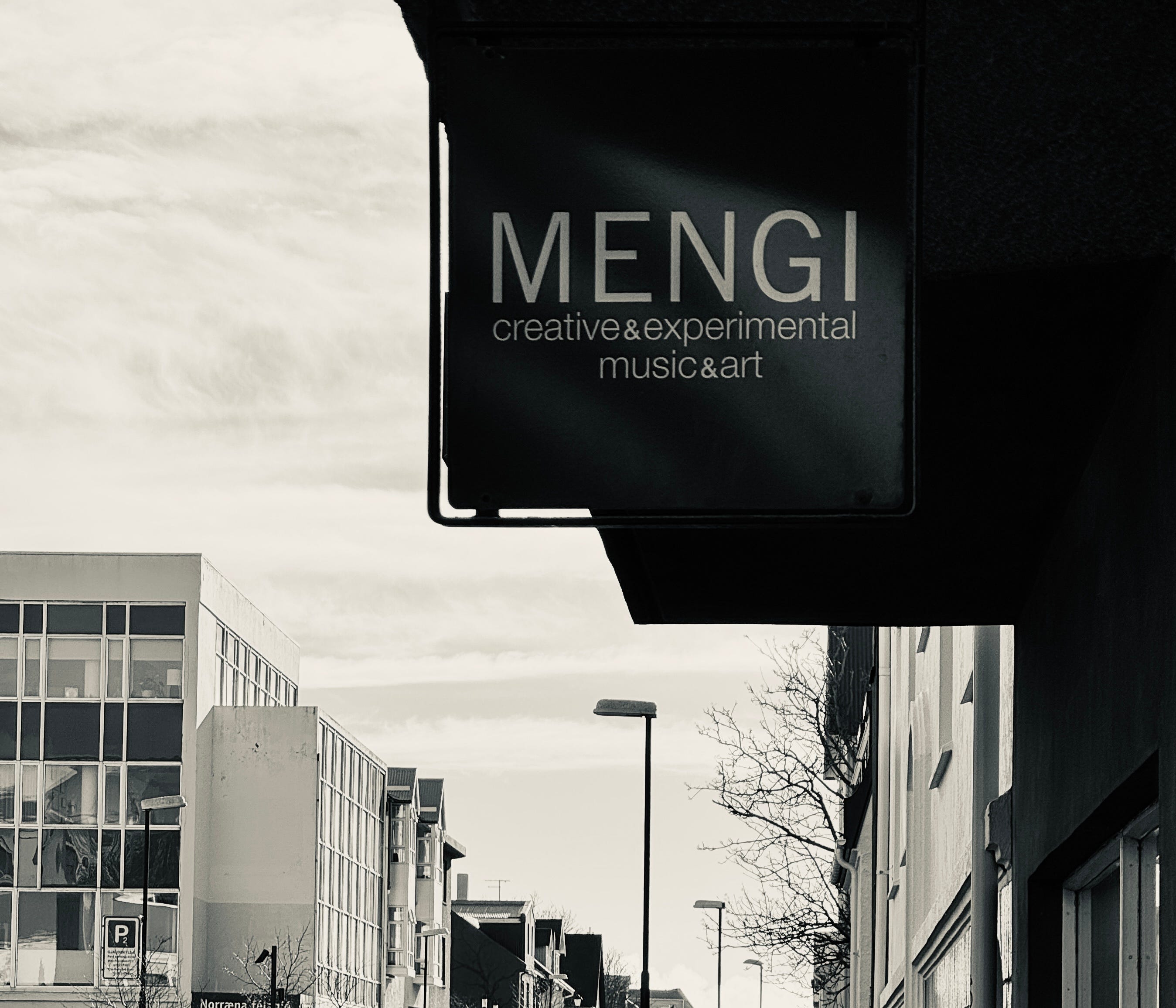
We started out in the beautiful captial city of Reykjavik, Iceland. I’d traveled to Reykjavik only once before, and was really captivated by the intense natural beauty of Iceland’s landscape, as well as and vibrant music & cultural scene. My friend Skúli Sverrison runs a great little club called MENGI in downtown Reykjavik, which presents an array of experimental, creative, improvised, and new classical music.
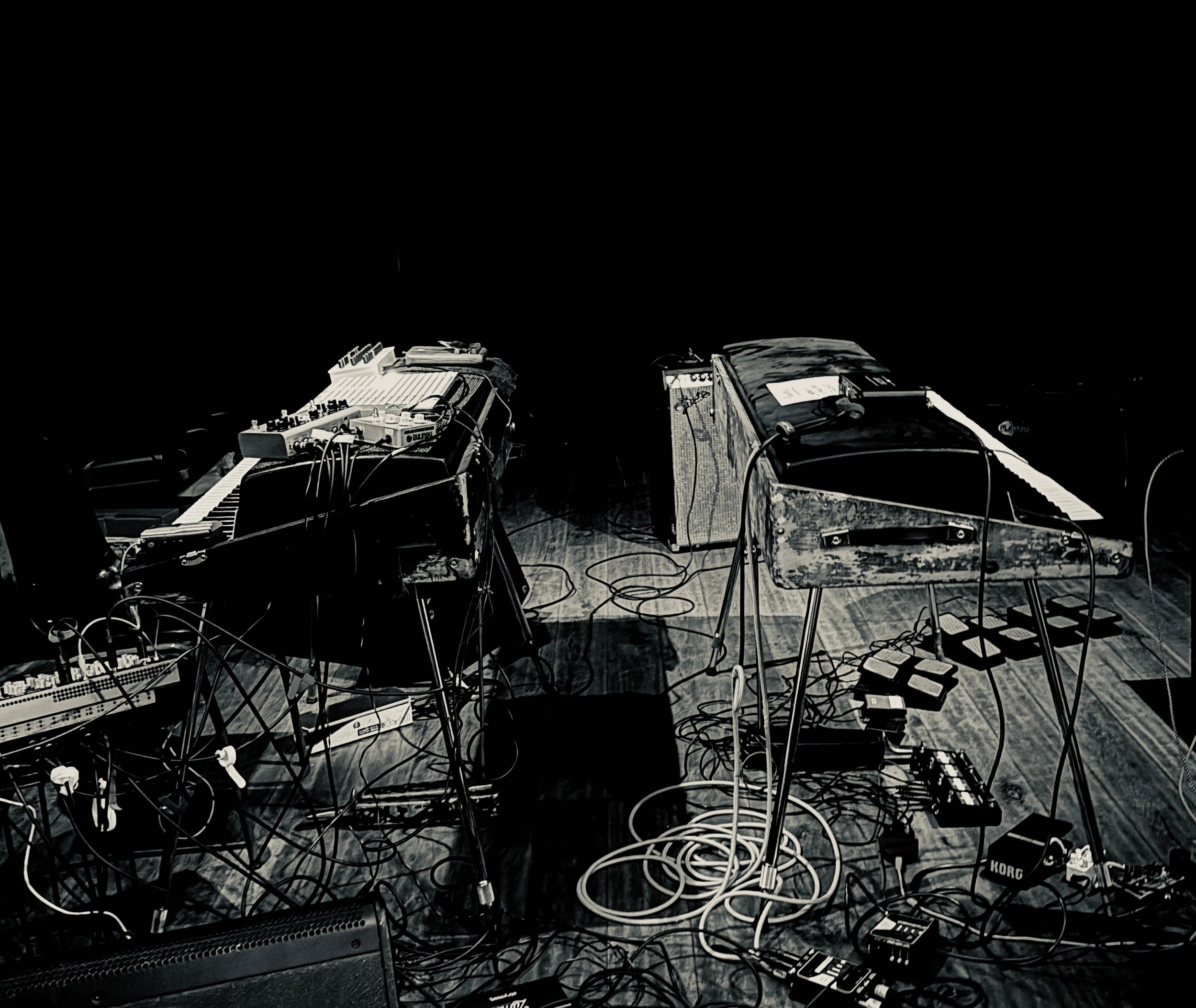
Given that Jozef and I hadn’t performed together in quite some time, this first performance was a bit of a technical dry run. The setup goes something like this: both Jozef and I first run our individual Rhodes pianos into an array of our own analog and digital effects. Then I take the a split of Jozef’s output, via a stereo DI, and make it available to my live looping / live editing system in Max/MSP via an SSL Big Six mixer—which has digital I/O on every channel. At any moment I can therefore capture Jozef’s sound—or any of my own analog inputs—into a series of buffers, which can then be heavily manipulated.
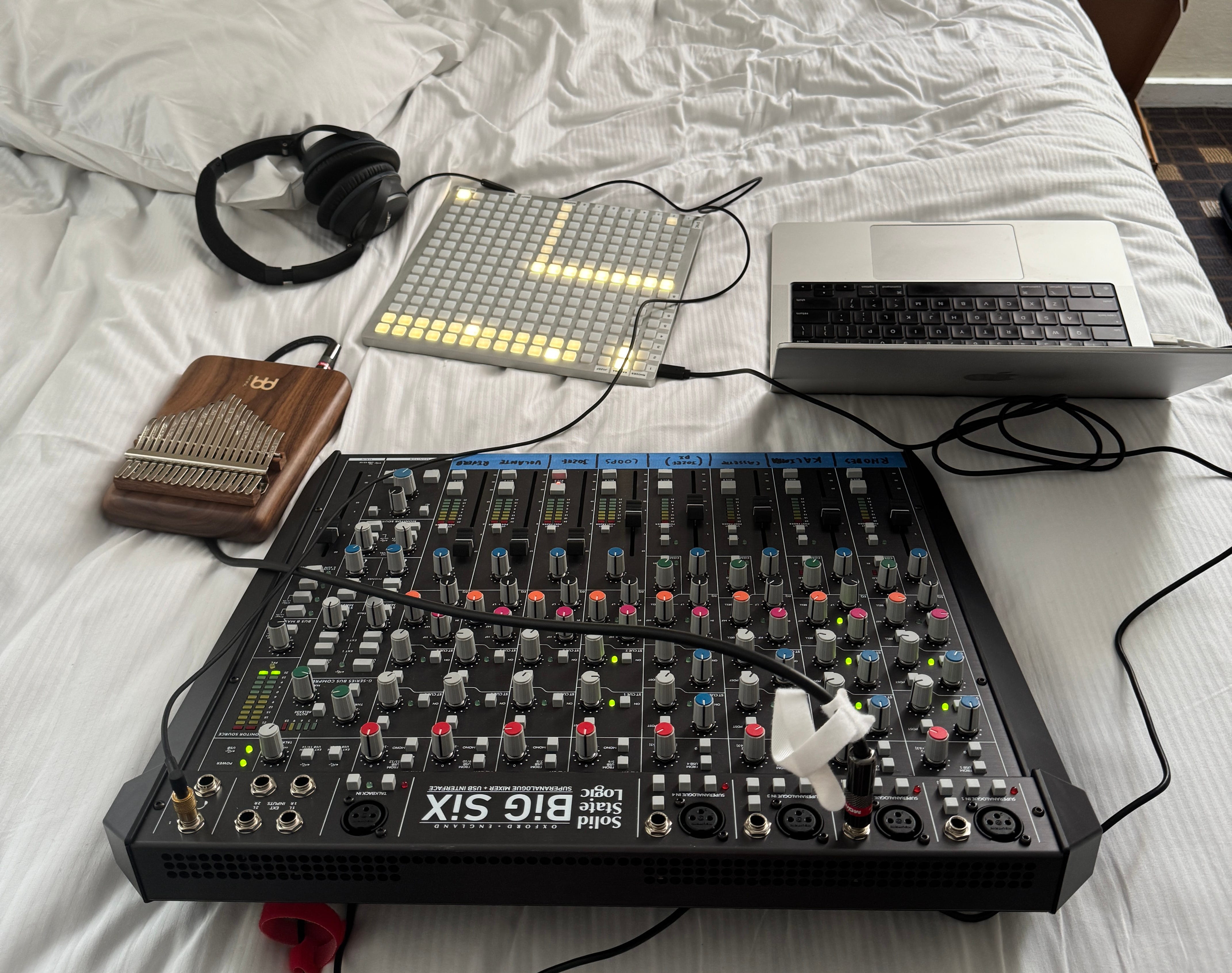
One other benefit to using the SSL mixer for me, is that it allows me to make a multitrack recording of each show—on the same laptop that runs my Max/MSP setup. Using the SSL driver and the Loopback internal patching software, I was able to make an aggregate device that can access all 16 analog inputs on the SSL, as well as an arbitrary number of return channels from Max, all sent to Logic for recording.
Our second performance was at The Loft in Cologne, an intimate third floor performance space and recording studio. This date proved to be a pretty important one for our tour, as we were allowed to arrive at The Loft in the early afternoon to get set up. The owner of the club, Benni, got us comfortable with our setup and monitors, and then let us work for the rest of the afternoon in situ.
For this performance, we didn’t have access to a second Rhodes piano, so I used instead a MIDI controller. This triggered a sets of samples I made of my own Rhodes 54 at home, so it’s about as close to my own Rhodes as I can get from a virtual instrument. Because the instrument is all handled in software however, there are a couple loose ends that were a little tricky for me to solve. Fortunately, Jozef has been working on extending the Rhodes for almost 20 years, so he had solutions.
He loaned me (now permanently…) his Morning Star MC6, which is a MIDI compatible foot controller that provides a bank of toggles as well as inputs for expressions pedals. Exactly what I needed to bridge the gap between my usual analog setup (volume pedal on my left, and other effect toggles on my right foot) and a completely digital setup.
I also quickly wired up a simple sequencer in Max that allows for jumping around the recorded buffers in a non-linear, rhythmic fashion. A bit of that is the basis of the music in the clip above.
Since there were a couple days between Cologne and London, I was able to make more progress on my setup in the interim. I really enjoy this aspect of touring: the ability to write down what worked and what didn’t about the previous performance and make specific improvements to my system, while it is all still very fresh in my mind.
When I perform in New York, it’s typically a one-off: I prepare intensely for a few weeks, do the gig, and then promptly forget about everything I was working on until the next performance—possibly 6+ months later. It’s honestly not a great way to work. You lose the ability to incorporate the immediate, visceral feedback you gain from performance. System design is therefore always made in a vacuum, in the comfort of your studio. At home, my notes are often more speculative: what could this system do? In the context of touring, my notes are more like: x needs an on/off button.
Anyway, between Cologne and London I had this makeshift setup in the hotel to continue refining things.
Our London performance was a double-bill with the wonderful Robin Rimbaud, also known as Scanner, with a very nice and enthusiastic audience.
We had about 12 days between London and Paris, so I returned home to New York for a few days of other projects. One of the biggest things I wanted to tackle was getting a better travel case for the SSL mixer. Traveling with a big, expensive mixer like this is a little challenging, but it’s really become the center of my performance setup. For the first leg of the tour, I used the original foam packaging in a generic hard suitcase. It was OK. Until the one of the wheels fell off of the suitcase in London. Also, it was becoming time-consuming to have to reset 150 buttons, knobs, and fader every night at soundcheck, because they got messed up in the suitcase.
After some research, I landed on the following combo: a Pelican Air 1637 + a Decksaver plastic cover for the SSL mixer. The Pelican Air is the largest size Pelican that won’t incur extra fees as a checked bag. It’s also the lightest option I found for the amount of protection needed (the checked bag, with gear, also needs to be <50 pounds).
I don’t have a picture yet of the inside, but I will take one when I’m home. There are snug cavities for the mixer with plastic cover, DIs, cables, and an extra 37-key MIDI controller. Very rugged, very secure, and, crucially, the mixer settings stay exactly where I leave them between gigs. Also way easier to wheel around airports and cobblestone streets.
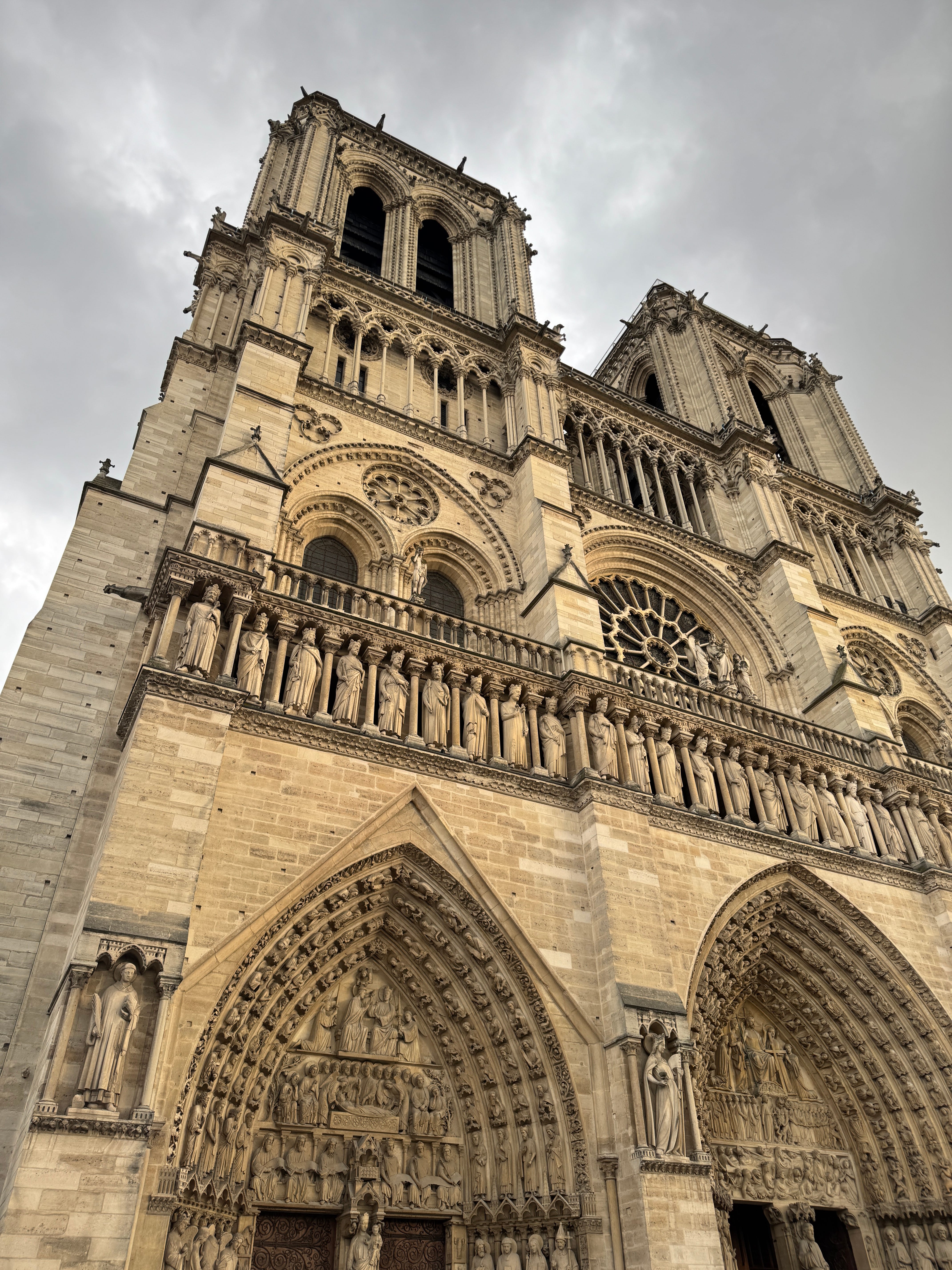
In Paris, I had only an afternoon, but was able to briefly walk around the Marais, passing by the rebuilt Notre Dame, and getting in a scoop of my favorite rum raisin ice cream at Berthillon.
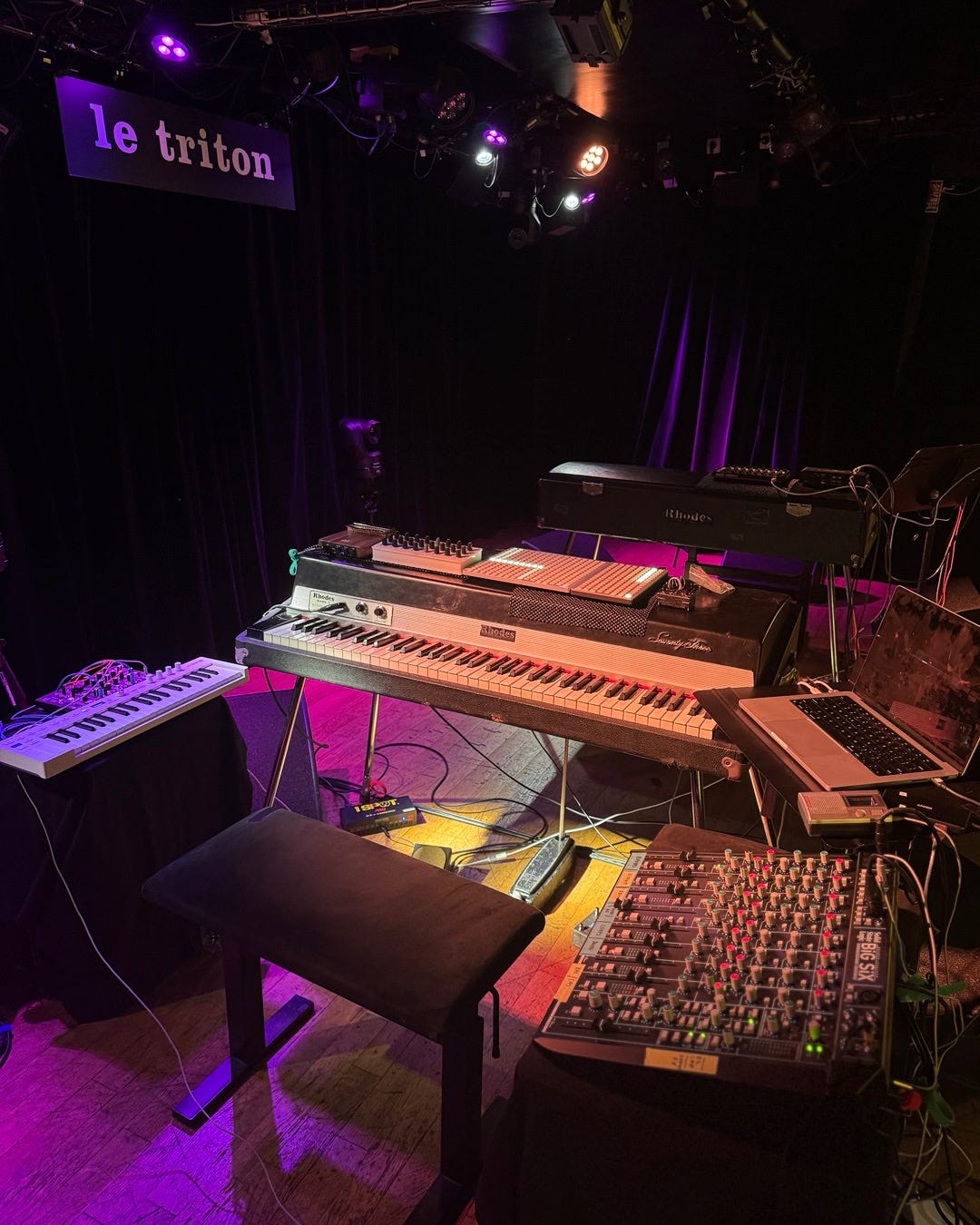
Our performance on Friday night was at Le Triton, which had truly excellent sound and a particularly robust spatial sound setup. Eight channels of speakers surrounding the audience, with the ability to diffuse Jozef’s and my stereo pairs into some complex configurations. (Interestingly, they also have the ability to mirror the audience’s eight channel mix on-stage with another eight-channel surround stage monitoring setup. We didn’t use it, but pretty interesting idea.)
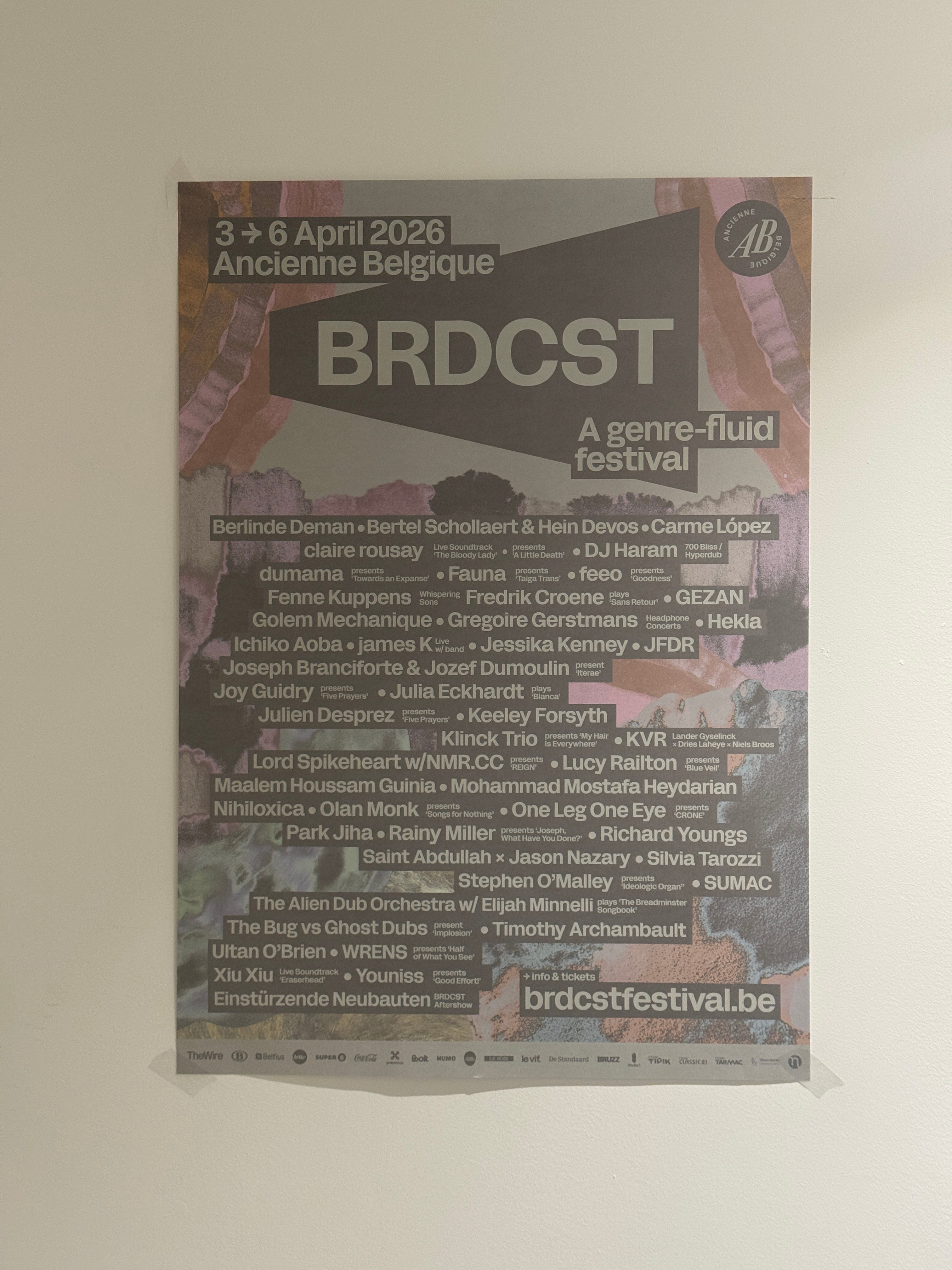
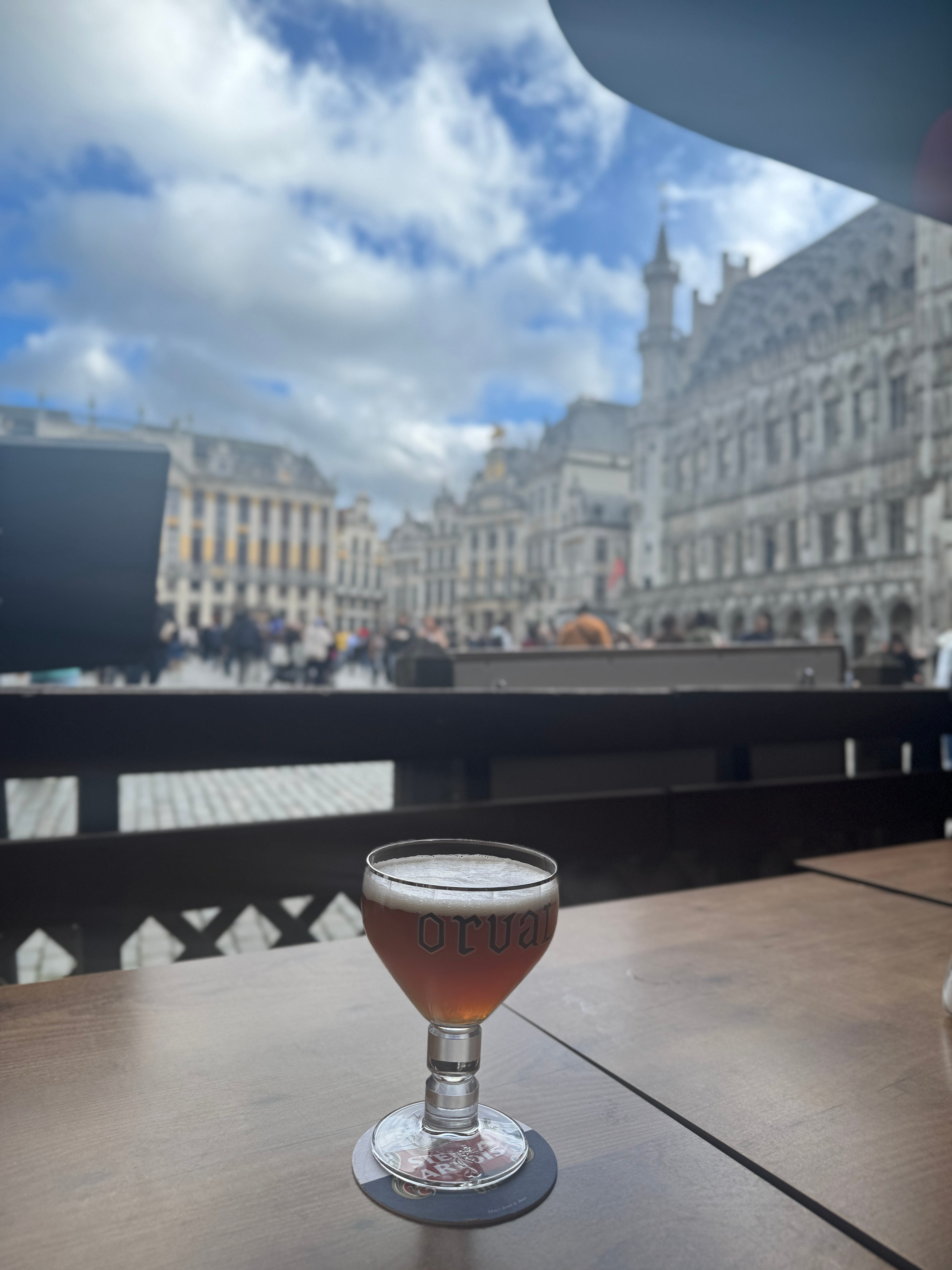
A 3.5-hour drive on Saturday morning and we were in the center of Brussels. We were slotted for two evening sets at the BRDCST Festival at Ancienne Belgique, one of the main concert venues in Belgium. Very cool venue with multiple stages. We were upstairs in the newly renovated AB Salon, with amphitheater-style seating.
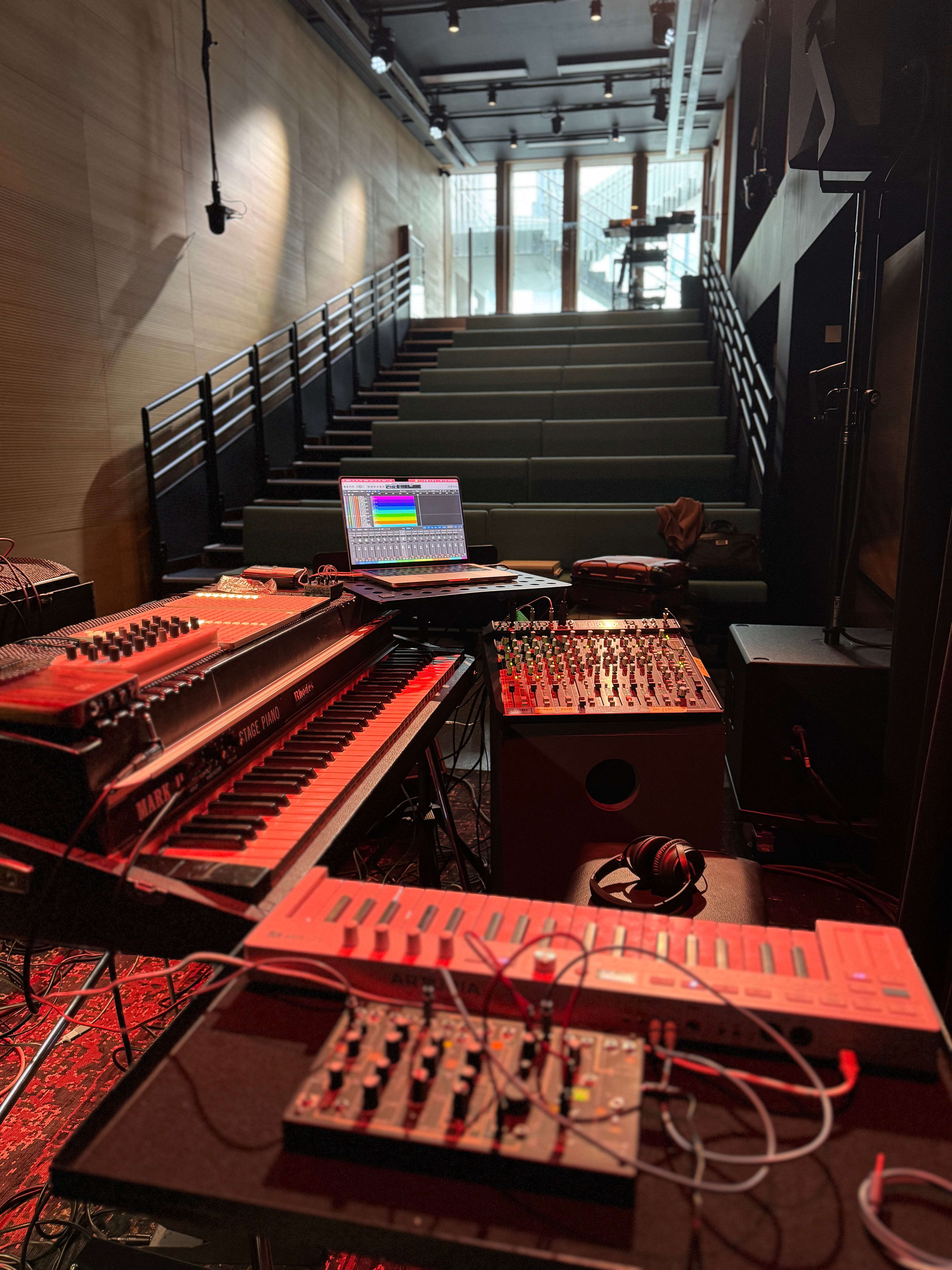
By this point, the technical details of our setup had receded a bit, allowing more focus on the actual music. One of interesting things about this performance was the fact that we had two sets separated by a two-hour break. This allowed not only very quick realtime feedback from the first set to the second, but also a bit of time for Jozef and I to chat in between and make subtle adjustments. My feeling in the moment was that this second set at BRDCST was perhaps our most focused and coherent single performance. While there’s always a worry that talking about improvisation in advance can kill a performance, in this particular case, the things we talked about were very broad: pacing, listening, and when to let things stay still and stop developing. (In my mind, this last item is one of the single hardest things to do in live improvised music, as it goes against every instinct one has about what “performance” is.)
The rapid iteration and feedback between sets seemed to take us further into the music. When you get off stage after improvising for an hour, there’s often the feeling that there’s nothing left to explore, that the performance has exhausted the musical possibilities in that moment. By being forced to go back on stage again after that, there’s a kind of shift in mindset. You can start to intuitively recognize the patterns in your own thinking, the ways you unconsciously do things in performance that are not connected with your actual musical goals—and you have the mental space and foresight to choose to go into a different direction.
We wrapped up the tour in Jozef’s hometown of Roeselare (home of the Rodenbach brewery), at a local community center called Inval. This one had the feel of a true small town gathering, local folks stopping by to hear what was happening, with no special knowledge of “experimental” or electronic music. As an outsider, this seemed pretty special. Personally, I have no expectation that what I’m interested in musically will connect with everyone. At the same time, I never want to rule out the possibility that it will connect with someone in an unexpected way.
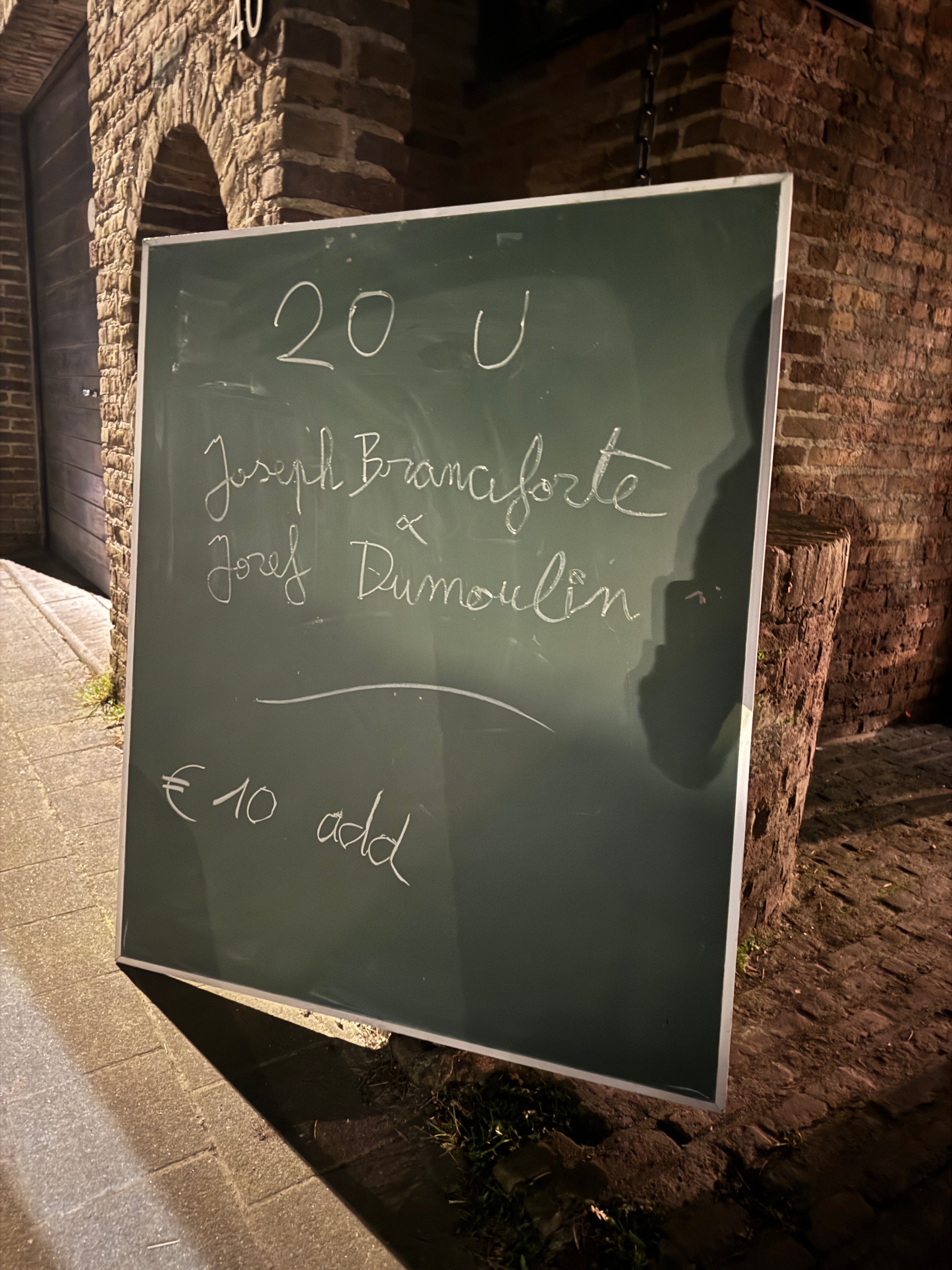
There was no Rhodes (let alone two), so we played on MIDI controllers. And the audience didn’t have anything like the reverent vibe of a festival—it was way more informal and loose. There were even a few kids running around.
While I’m not sure it was the most focused performance musically, it might have been the most fun. It reminded me of bar gigs with my friends back in my own hometown, where… sure… not everyone “got it”… but it was still the best way we knew how to spend an evening.
7 April 2026
Subscriptions
Patch Notes will always be free to read. If you’d like to support my work and access additional materials—including downloads of my full album catalog and patches featured in posts—there are a few ways to subscribe below.
FREE
Access to regular posts covering sound, design, technology, and process.
PAID ($5/month or $50/year)
Bandcamp download codes for my complete digital album catalog (past and future releases).
Downloadable Max/MSP and Pure Data patches featured in posts.
Access to subscriber-only posts, including interviews with artists, musicians, and composers.
Early access to pre-order Greyfade physical releases before they go on sale to the general public.
FOUNDING ($150/year or more)
Everything in the Paid Subscription tier.
A Bandcamp download code for each new Greyfade release (3-4 per year), with proceeds going to the artists.
Download of my custom Max/MSP utilities library—jb.utilities—along with help files. I’ve coded and updated these over the last 20 years and use extensively across all my Max/MSP work.
Directly supporting and sustaining the creation of new music, custom technology, and experimental design at the heart of my work.
No posts
Comments
Nothing yet. Say the first thing.
Sign in to join the conversation.