Autism is a developmental disability which symptoms can range from mild to severe and effect a person throughout their life. In particular, young adults who suffer from severe autism often find themselves in a suspended state of social and sexual immaturity that can cause them to gravitate to younger persons for social interaction and sex education. This in turn can cause young adults who suffer…
The youthfulness of an offender in the federal criminal justice system has not historically been an encouraged basis for downward departure under the federal sentencing guidelines or given significant weight by sentencing judges. This began to change a few years ago when scientific studies began to emerge showing that the underdevelopment of the brain of young adults effects individual behavior…
Having finally regained a voting quorum for the first time since 2018, the U.S. Sentencing Commission enacted substantial changes to the last version of the United States Sentencing Guidelines Manual, which took effect on November 1, 2023. The Commission is continuing its work with a slate of new amendments for the Guidelines Manual which will take effect on November 1, 2024. One of the most…
Having finally regained a voting quorum for the first time since 2018, the U.S. Sentencing Commission enacted substantial changes to the newest version of the United States Sentencing Guidelines Manual, which took effect on November 1, 2023. One of the most noteworthy changes is retroactive Amendment 821, which deals with the computation of criminal history points and whether a departure for…
A proffer in a federal criminal investigation is most commonly used by defense attorneys to persuade a prosecutor to not bring charges against their client who is the target of a criminal investigation. It is an informal interview where the individual provides the government with information they have about crimes committed by others. In exchange, the individual is given assurances that their…
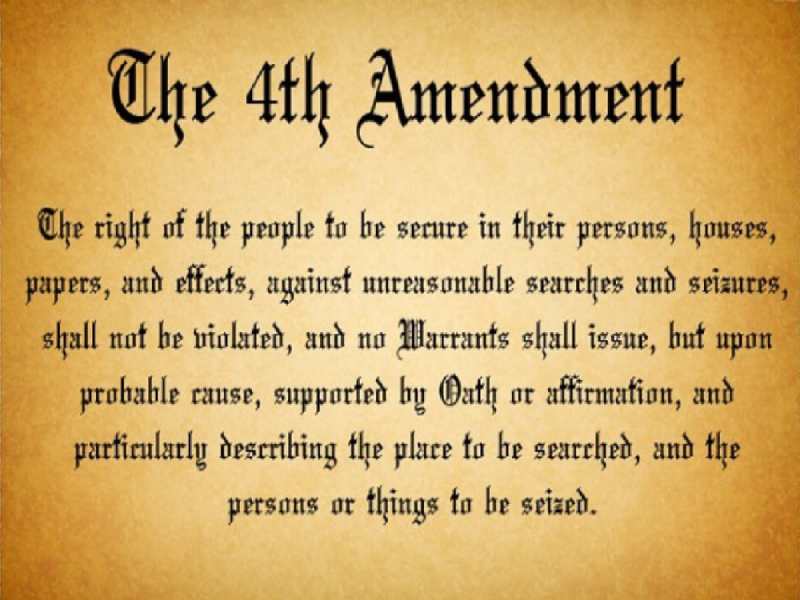
The Fourth Amendment of the U.S. Constitution guarantees “The right of the people to be secure in their persons, houses, papers, and effects, against unreasonable searches and seizures...” It further guarantees that “No Warrants shall issue, but upon probable cause…” Search and seizure litigation over many, many years has produced deep and detailed jurisprudence on the meaning of “unreasonable”…
In this second video of a two-part series about federal extradition cases, federal criminal defense attorney Joseph Abrams discusses challenging an extradition request. The post Is It Possible To Challenge An Extradition Request? appeared first on Law Office of Joseph Abrams .
In this first video of a two-part series about federal extradition cases, federal criminal defense attorney Joseph Abrams discusses the issue of bail in extradition cases. The post Is It Possible To Be Granted Bail In A Federal Extradition Case? appeared first on Law Office of Joseph Abrams .
Foreign countries across the globe use extradition treaties with the United States to charge and prosecute persons suspected of committing crimes in their territories. The United States extradites both citizens and non-citizens to over 100 nations around the world pursuant to numerous bilateral treaties, some dating back more than 150 years. Extradition requests are serious matters, and persons…
The federal sentencing guidelines emerged from the Sentencing Reform Act of 1984 (SRA) and first became effective on November 1, 1987. Prior to the guidelines, federal judges had virtually unfettered discretion to mete out a wide range of “indeterminate” sentences, and the U.S. Parole Commission would then decide when inmates were actually released from prison. The SRA abolished federal parole and…