
The heads of a neonazi group allegedly maintained a list of more than 120 “undesirables” and discussed attacks on the prime minister and other politicians, journalists and even comedians, Expresso reports. The indictment by public prosecutors presented last week claimed members of the Lusitanian Armillary Movement (MAL) went as far as a plan to surveil Luís Montenegro’s home and discussed grenade attacks both there and on former prime minister António Costa. Then-President Marcelo Rebelo de Sousa, former president and prime minister Aníbal Cavaco Silva, Lisbon Mayor Carlos Moedas, comedian Ricardo Araújo Pereira, the Agency for Integration, Migration and Asylum (AIMA), several left-wing political parties and groups dedicated to helping immigrants or combating racism were also included on the list. The neonazis considered them to be a “direct threat to national interests and the sphere of interests of the MAL” and the list, shared in closed Signal groups, was meant to help plan “future actions”. The Central Bureau of Investigation and Prosecution released the indictment two days before the time limit for keeping people in preventative imprisonment ran out for four suspects.
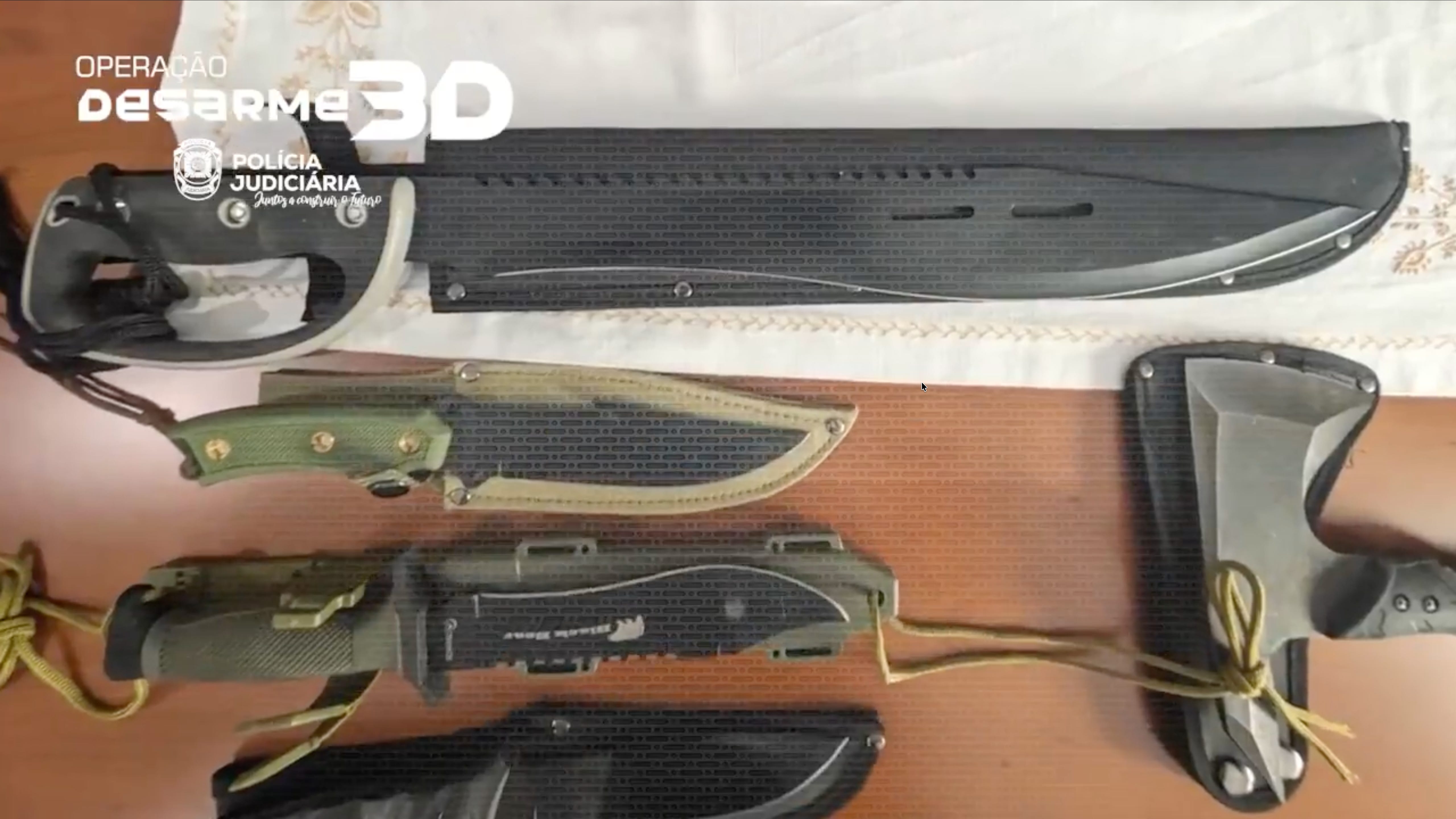
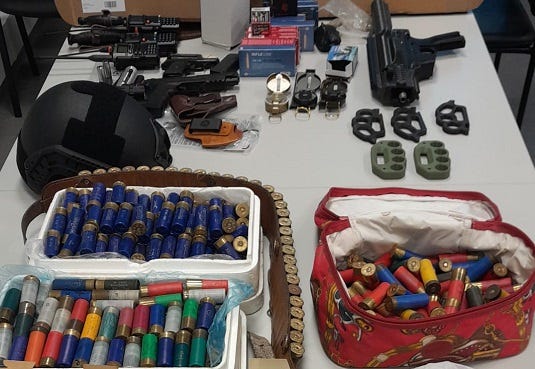
A police boss, a truck driver who emigrated to Switzerland and a security guard founded the group in 2018 from a confluence of nationalist subgroups. A year ago, a police megaoperation dismantled the militia and seized dozens of firearms, including six that had been 3D-printed using designs obtained from the dark web. Four leaders were detained on suspicion of terrorism. At the time, they were said to be talking constantly about attacking the parliament. Last week’s indictment included alleged plans for a possible “invasion” of the Assembly of the Republic. Expresso reported the full list of the group’s targets.
One of the formal suspects allegedly involved in making lists of those the group blamed for the “decline of the nation” has been freed after a judge decided the risk they would continue their criminal activity had diminished, Público reports. Prosecutors asked for him and another suspect who had not been behind bars to be subject to three weekly check-ins with authorities and a ban on travelling or contacting witnesses. They described the alleged crimes as “serious”, the risk of flight as “accentuated” and the risk of tampering with evidence or witnesses as “very high”.
Prime Minister Luís Montenegro said he was “completely surprised” by news of the alleged plans to attack him, SIC Notícias reports. He said it was “highly regrettable” that such a situation would not be shared with the target, whether that be the prime minister or any other citizen. Montenegro said he was uncontactable in a European Council meeting when the news broke and it was “extremely delicate” that his family was also surprised by the news and unable to contact him at the time. Home Affairs Minister Luís Neves, who was the head of the Investigatory Police (PJ) when six suspects were arrested last June, admitted “there was a failure” by authorities in not notifying the prime minister, Público reports.
Comments
Nothing yet. Say the first thing.
Sign in to join the conversation.