
Before we sink our teeth into Eyes Wide Shut, dear reader, the film that ties every thread together with unapologetic cinematic boldness, there are a few critical things we must lay out first.
Many of you will know this film is seen very differently today than it was when it first landed in 1999, and so we will work our way backward through a trail of connected clues, because the truth of this picture lives entirely in the details.
You have to understand Stanley Kubrick’s lifelong, fanatical devotion to every single thing that appears on screen.
Nothing, not a newspaper in a stranger’s hand, not a flyer stuck to a shop window, is ever there by accident.
Not one thing.
On top of that, Kubrick spent decades of his life studying secret societies, elite circles, and the rituals that happen behind closed doors.
Which makes this, his very last film, far more than just a movie.
During its promotion, Nicole Kidman said plainly that his obsession ran deep, and that the story was inspired by the Rothschild family.
Look where they filmed that infamous masked gathering:
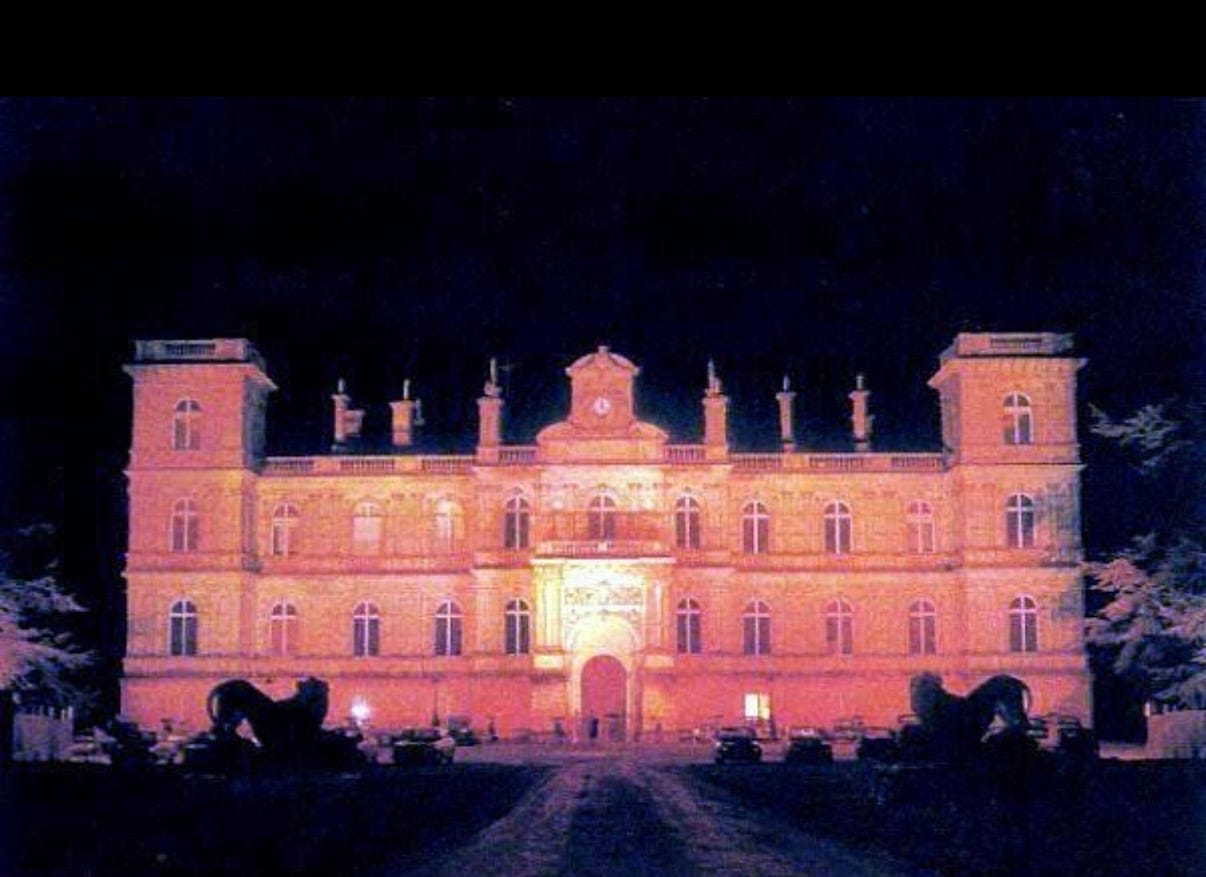
Château de Ferrières
Apparently built between 1855 and 1859 for Baron James de Rothschild.
Eighty guest suites, eleven and a half square miles of forest, a library holding eighty thousand volumes.
Central France, and the perfect stage for what we see unfold.
The Rothschild name has long sat at the centre of every whisper about what great wealth can hide.
People ask what power lies behind it, and whether that financial control has been used to steer the very direction of the world.
Follow that thread, curious mind, and it leads straight to Jeffrey Epstein and Ghislaine Maxwell, because in this story, everything connects.
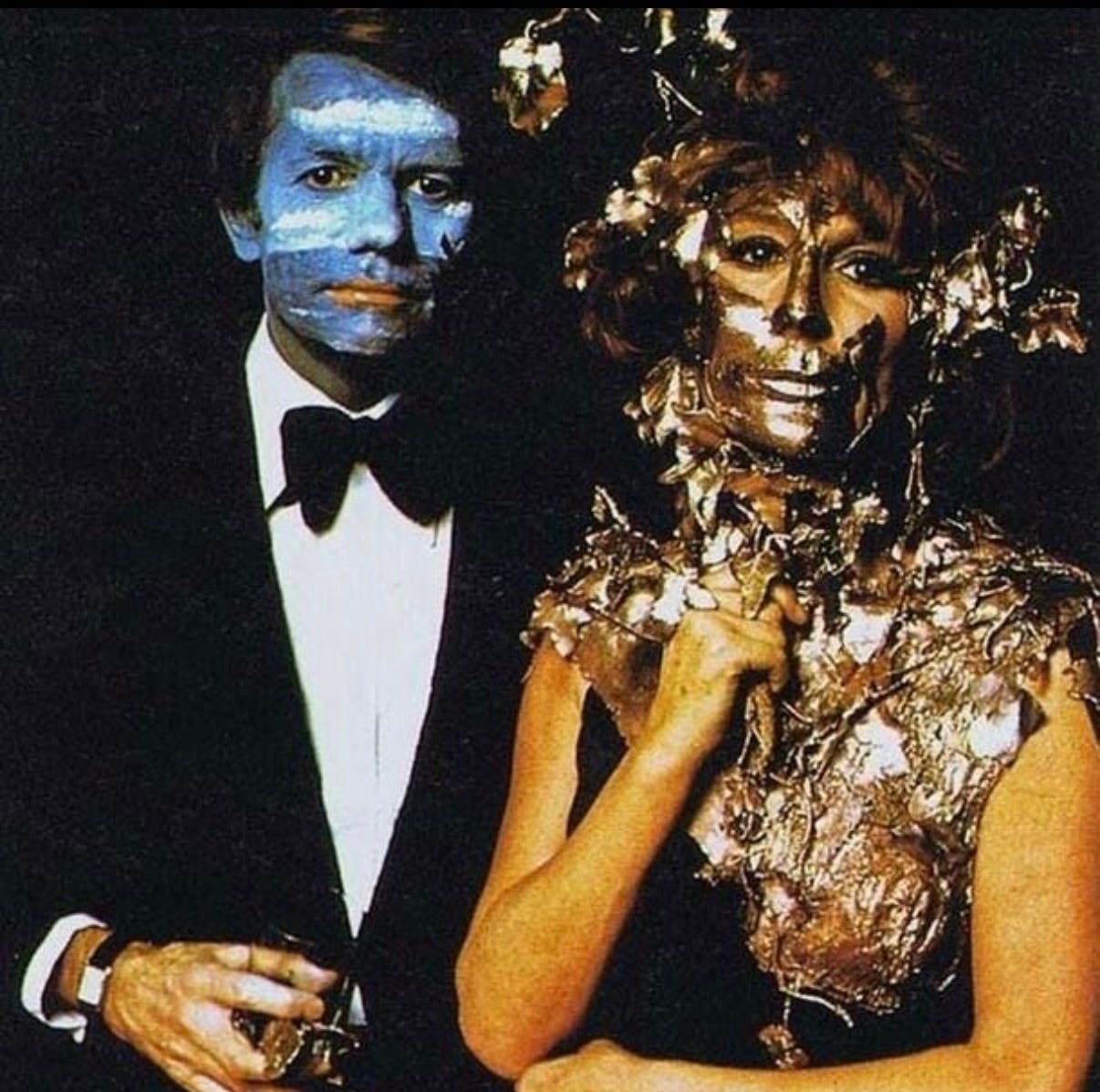
Audrey Hepburn wore a birdcage.
Perfumer Hélène Rochas wore a gramophone.
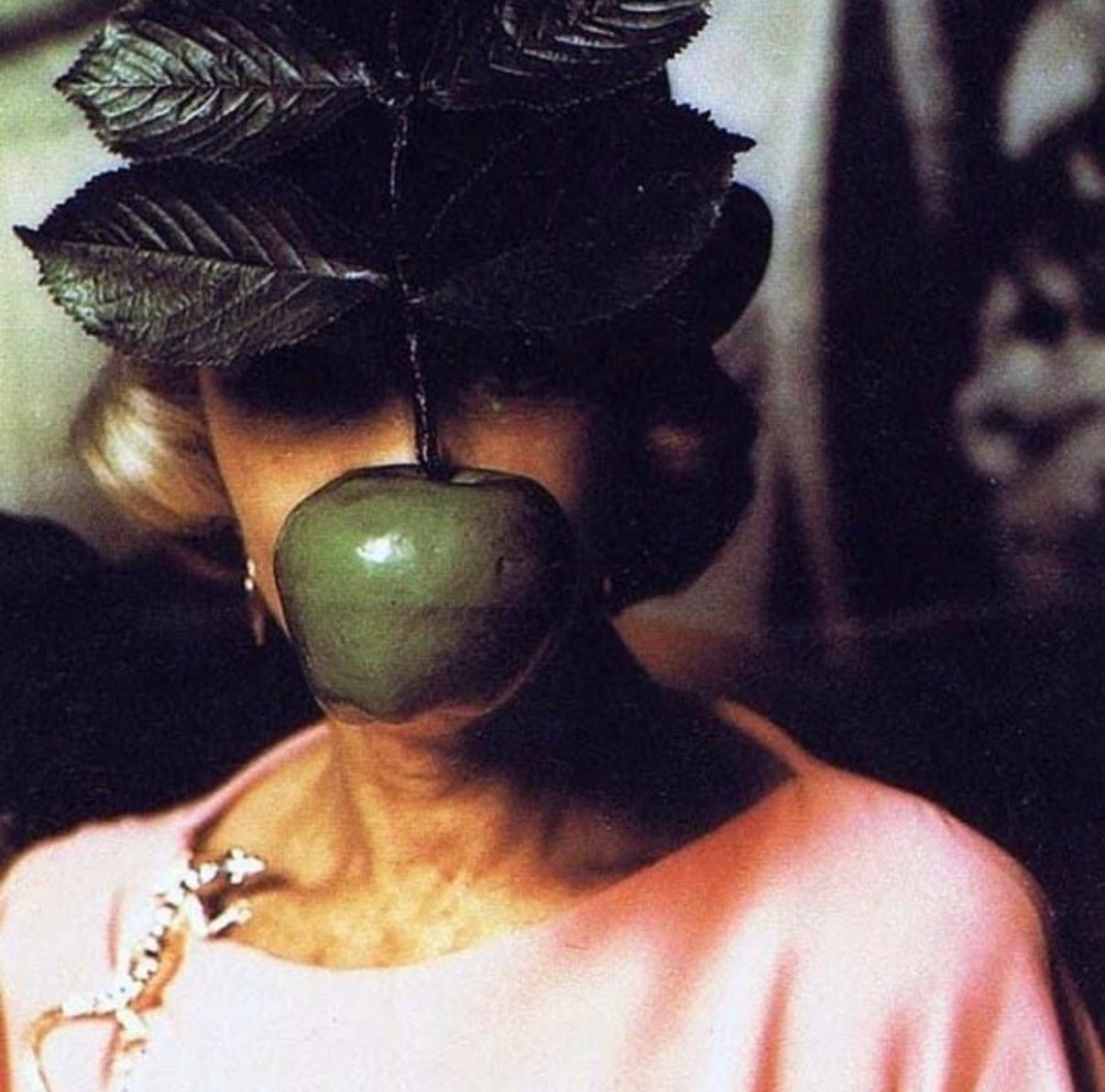
Another guest had her face covered by an apple, in allusion to Magritte's painting The Son of Man, while someone else came dressed like a sliced‑open version of the Mona Lisa.
Alan Dershowitz wrote in The Spectator that he was first introduced to Ghislaine, then in her thirties, and Jeffrey Epstein’s girlfriend, through Sir Evelyn and Lady Lynne de Rothschild.
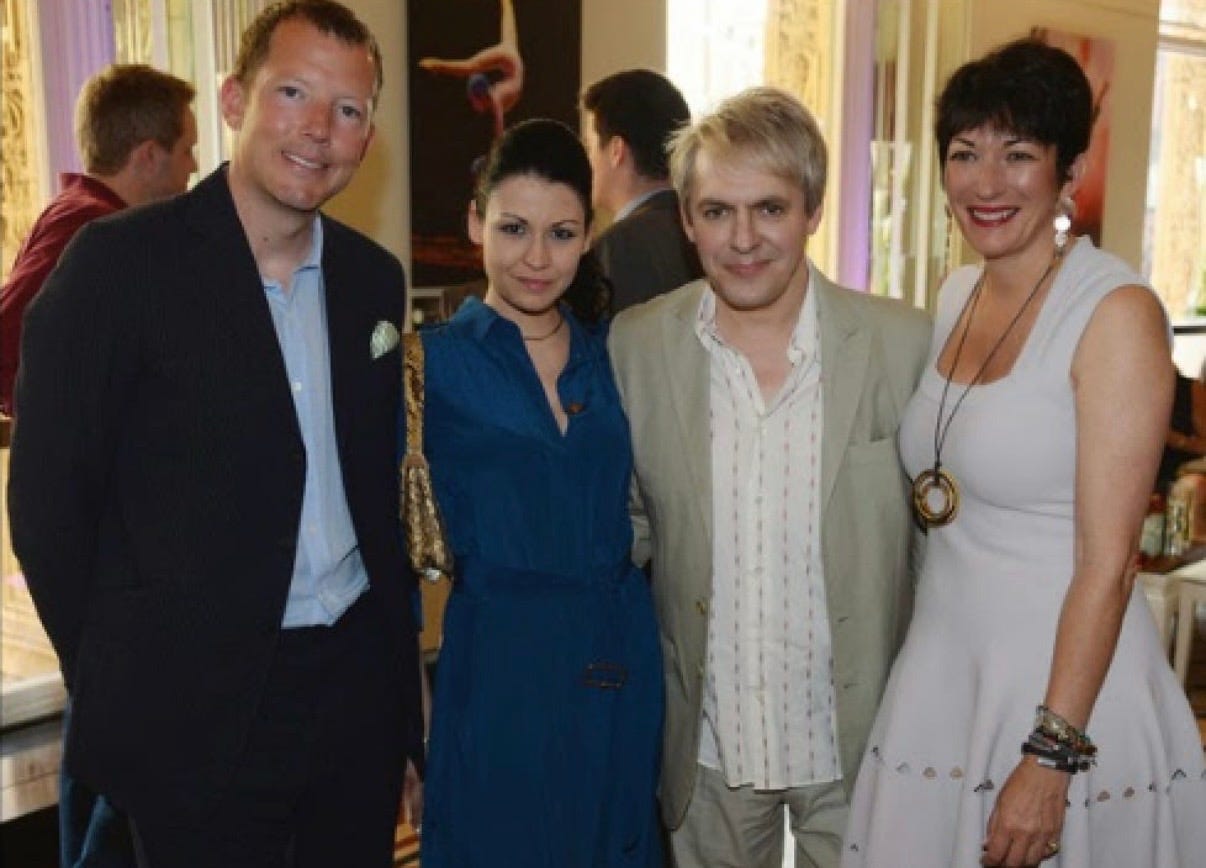
Maria Farmer told Whitney Webb on her podcast a few years ago that Ghislaine once admitted the Rothschilds were her family’s greatest protectors.
She went further, saying she received death threats from the Rothschilds herself over her part in the allegations against Jeffrey and Ghislaine.
To be clear, Farmer has made claims that haven’t always stood up, but it takes no great leap to see how two families of such immense power might stand together, working toward something far larger than either one alone.
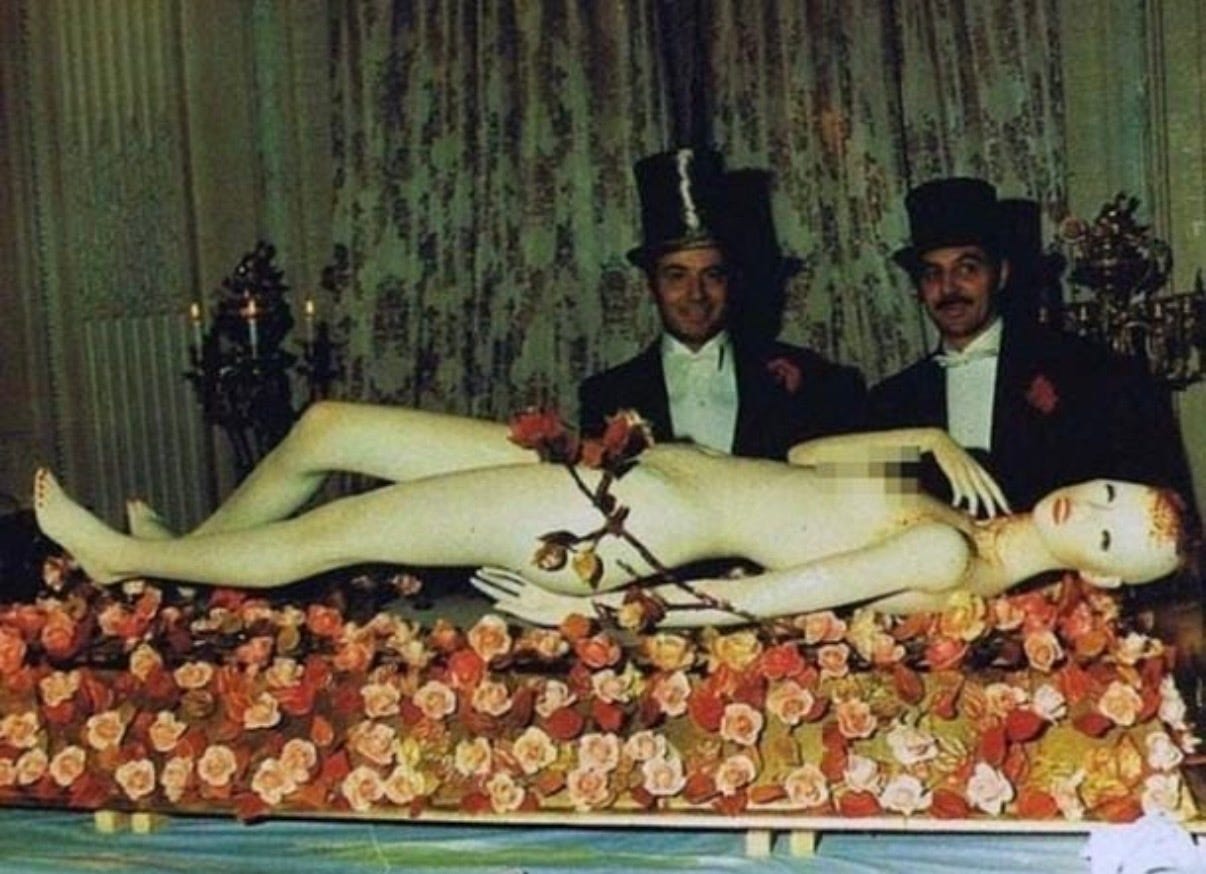
“In December 1972, the infamous Rothschild ball turned reality on its head.
Baroness Marie-Hélène de Rothschild organized a Surrealist-themed Ball for an intriguing mix of politicians, bankers, artists, and celebrities at the Château de Ferrières, one of the family's chateaus located about 15 miles outside of Paris.
Were it not for the wealthy Rothschild family's fascinating history, this opulent masked party featuring servants dressed as cats and a dessert shaped like a nude woman may have remained just another ephemeral social gathering.
But because the Rothschilds come from a family that pioneered international finance, funded historical war efforts, and dominates several international industries to this day, conspiracy theories continue to abound about the true nature of the event.”
Source: All Thats Interesting 🖥️
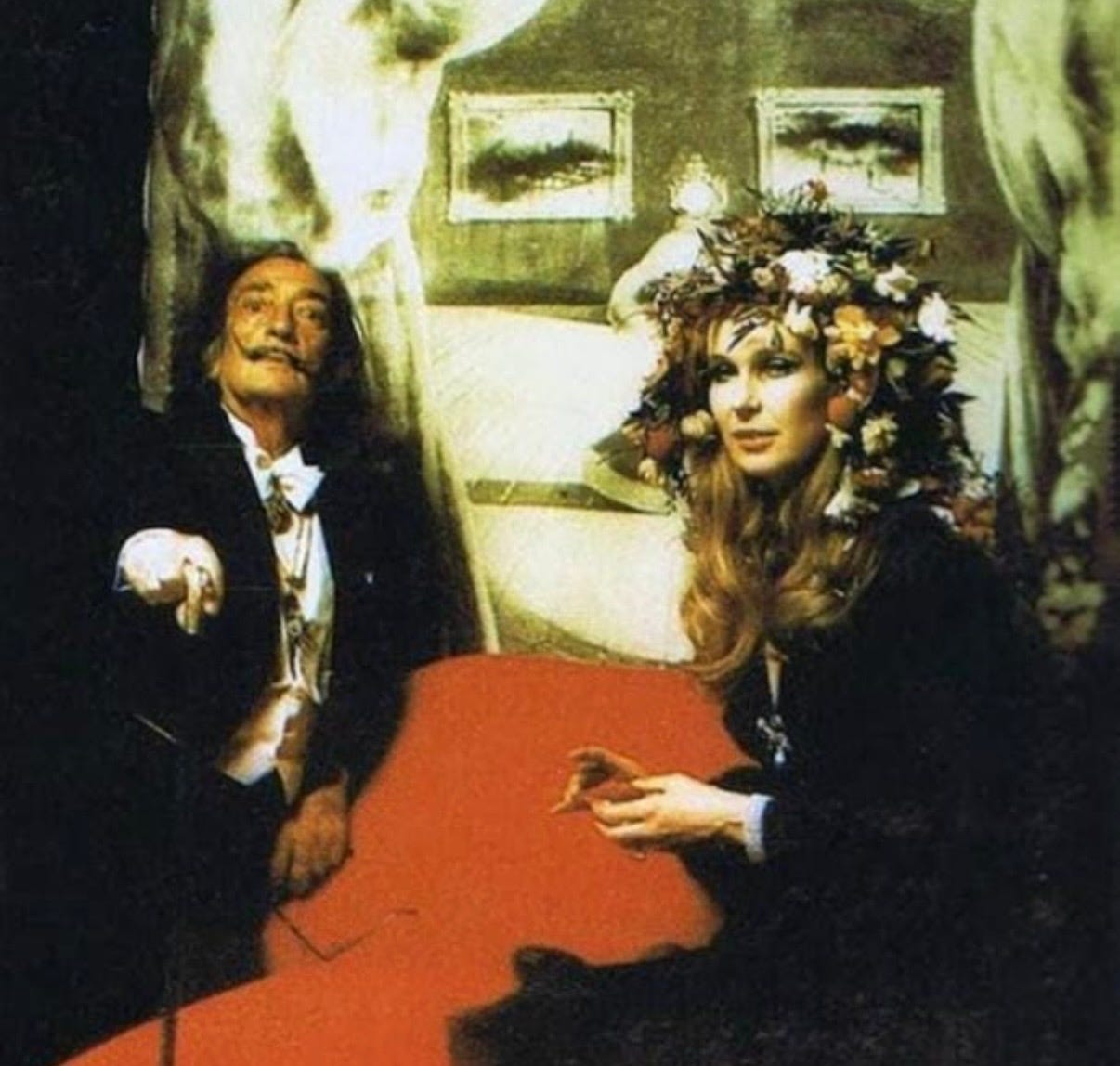
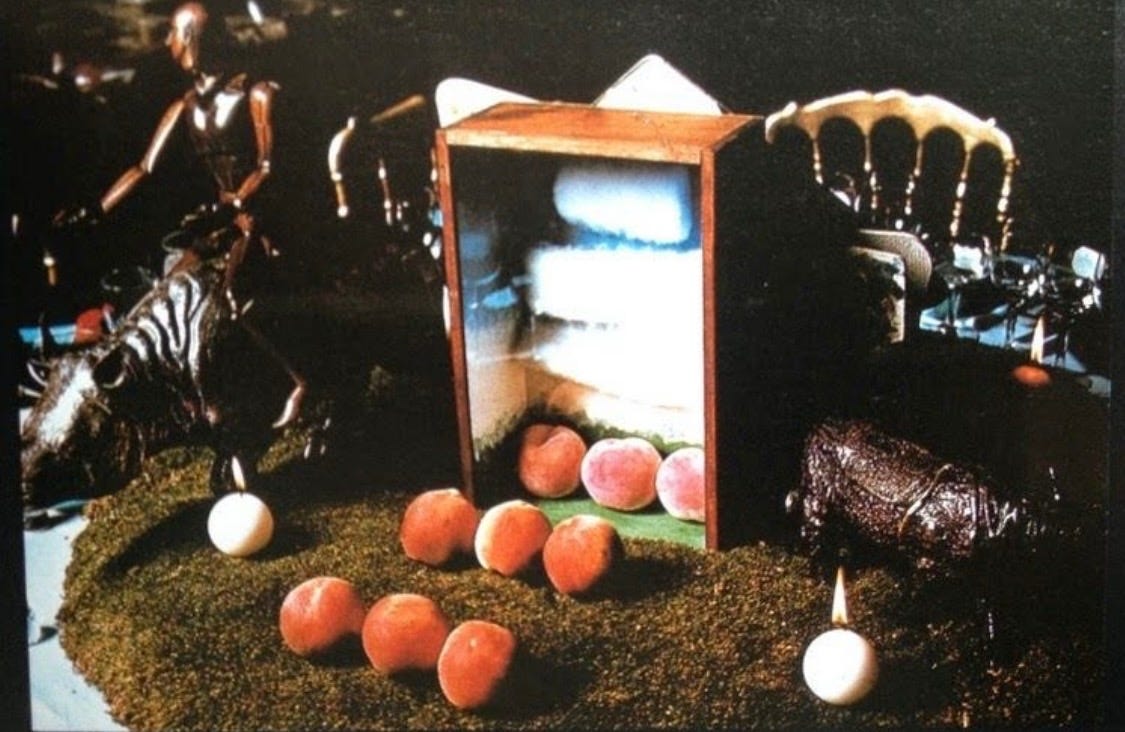
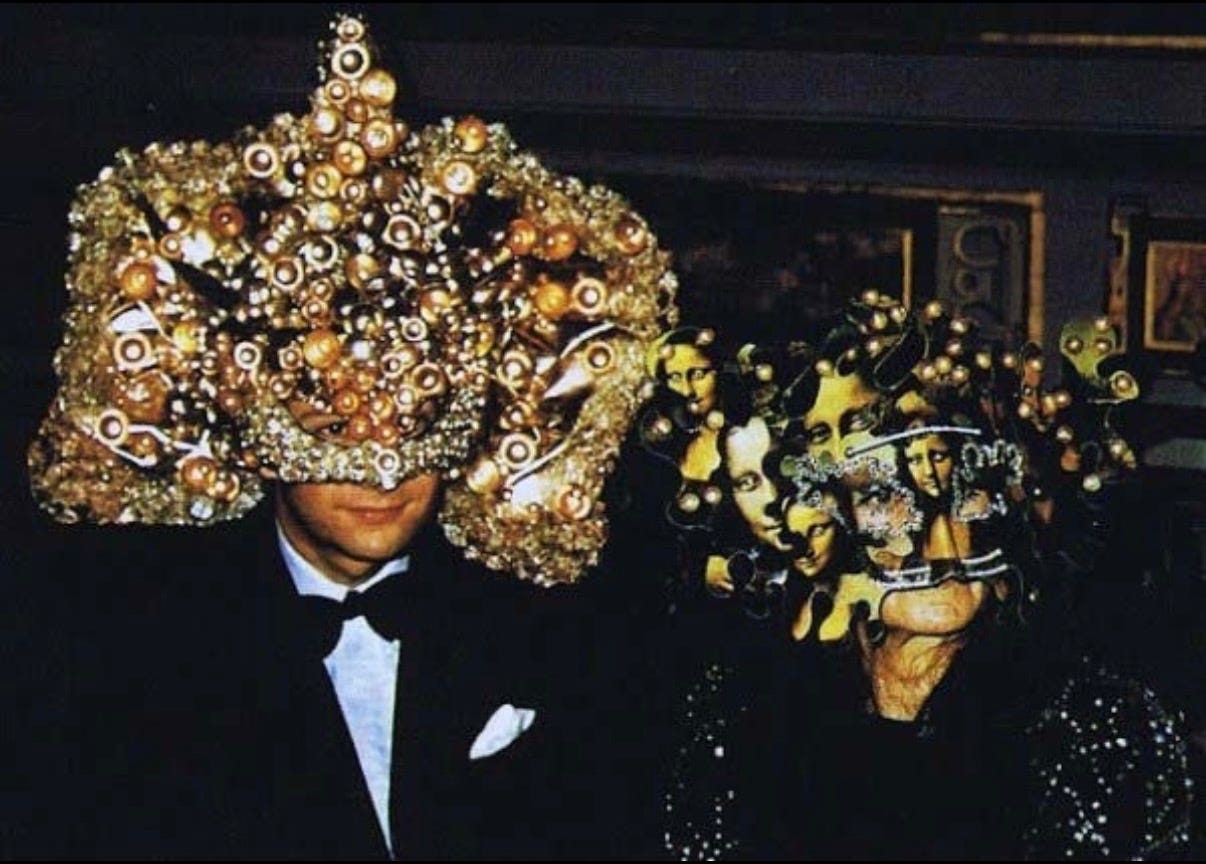
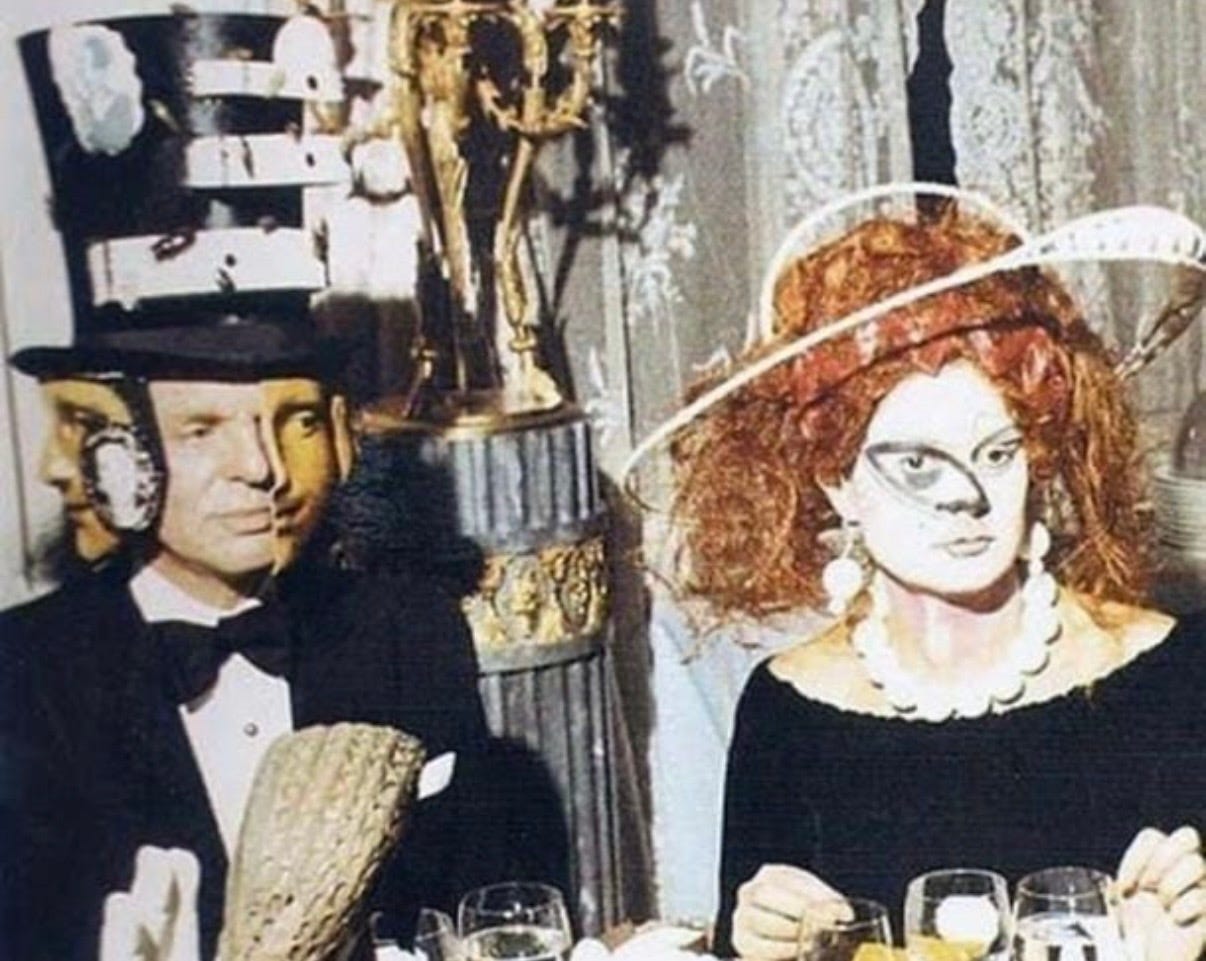
The invitations called for black tie, long dresses and surrealist heads, but they were more than cryptic, the entire text was written backward, so it could only be read in a mirror.
Those who study ancient beliefs around devil‑worshipping tell us that inversion, reversing letters, flipping sacred symbols, is said to mark the presence of demonic ritual.
The backward invitation is often held up as definitive proof of the ball’s true, dark nature.
Guests arrived as the sun began to set, and the floodlights made the château glow so brightly it looked as though it were burning from within.
Inside, servants dressed as cats stood along the main staircase, some appearing half‑asleep.
Guests wound through corridors draped in cobwebs, with those feline attendants guiding anyone who lost their way.
Dinner plates were lined with fur.
The tables were scattered with plastic baby dolls and taxidermied tortoise shells, and some believe those broken, unsettling doll pieces were a quiet nod to human sacrifice itself.
On the menu:
sir‑loin, soup described as extra‑lucid, and goat’s cheese roasted in post‑coital sadness
For dessert, a nude woman, sculpted entirely from sugar, resting upon a bed of fresh roses.
Salvador Dalí helped design many of the extravagant costumes, though he wore none himself.
The hostess, Marie‑Hélène, wore a great stag’s head set with real diamonds, the very image we’ve seen echoed in so many gatherings since.
And because we know how carefully Kubrick chose every detail, we know these overlaps are not accidents.
Marisa Berenson, who attended that very dinner, would later be cast in Kubrick’s Barry Lyndon.
More tellingly, the masked ball scene in Eyes Wide Shut was filmed at Mentmore Towers, the Rothschild estate in Buckinghamshire, a place built to mirror the Château de Ferrières.
One ball echoes the other, across decades, in a film that may itself be a mirror held up to the truth.
Many who have studied the event say the space was filled with symbols of the Freemasons and the Illuminati.
The black‑and‑white checkered floors that run through the château, those are one of the oldest and most recognisable symbols of Freemasonry, laid down for all who know what they are looking at to see.
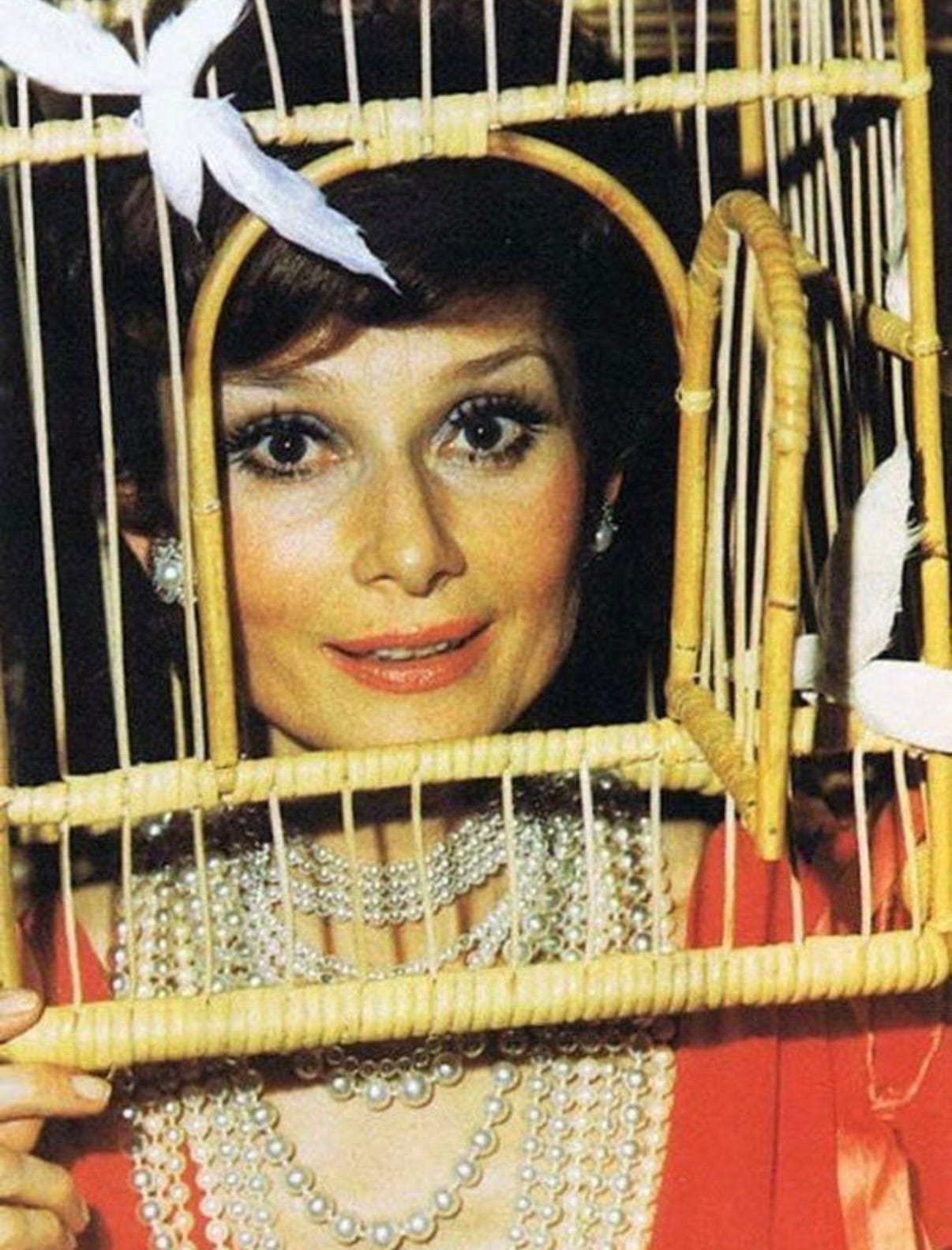
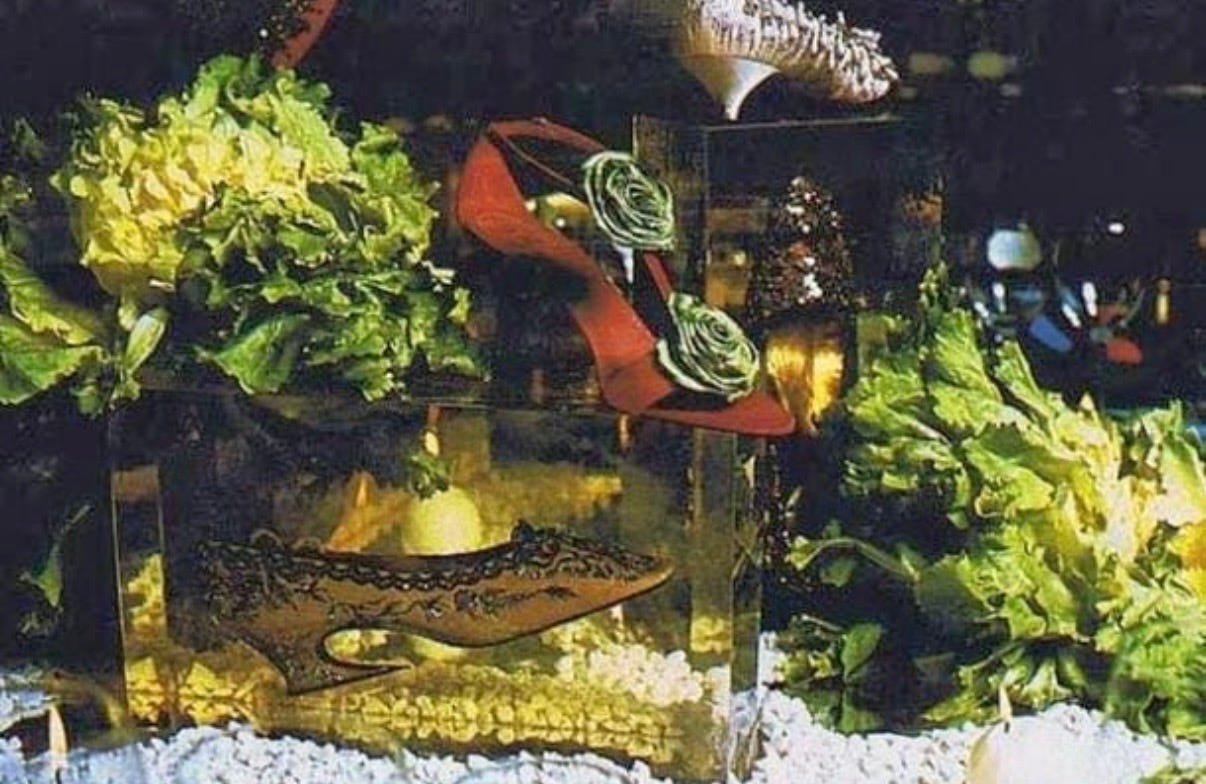
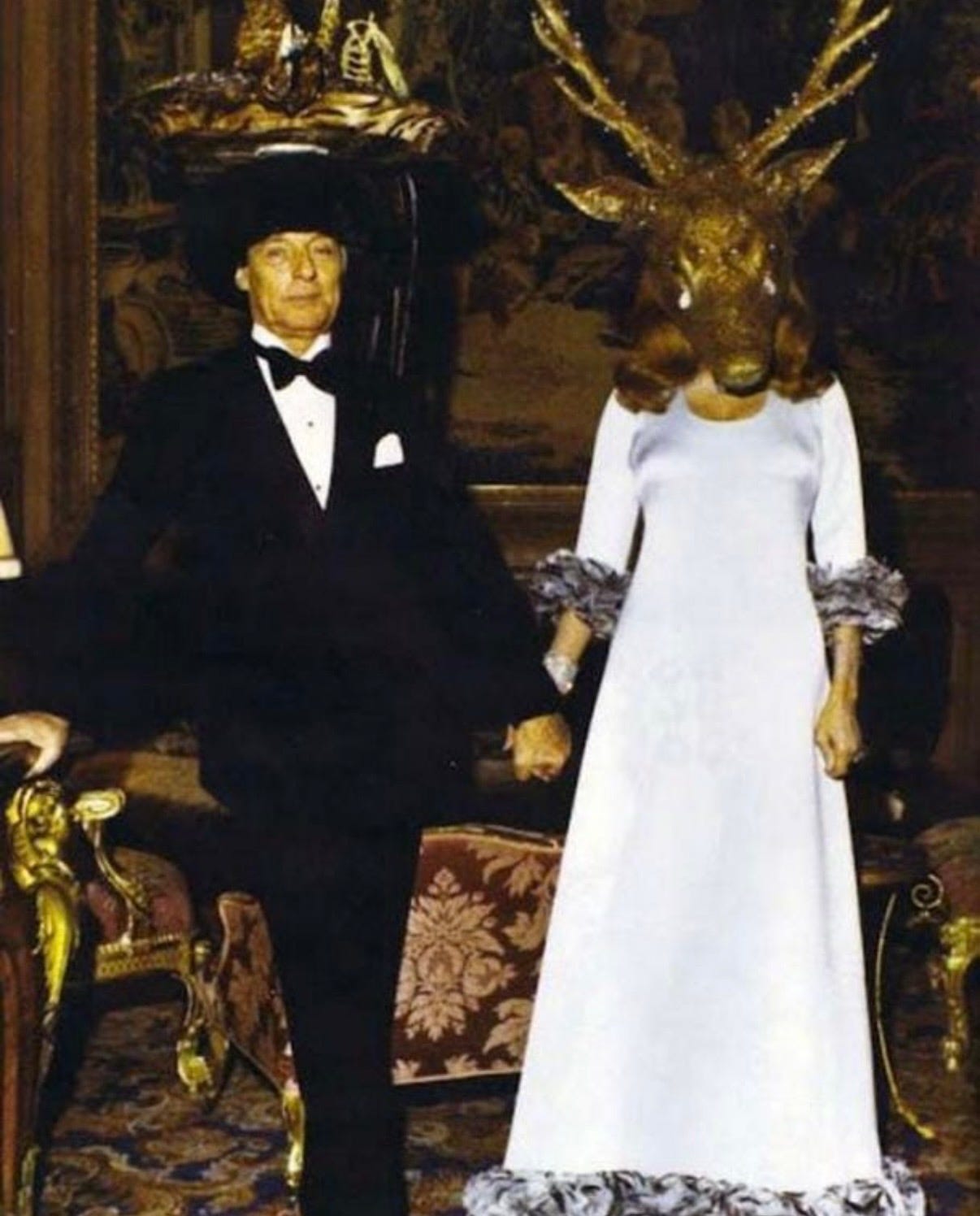
If your family holds the largest private fortune in history, the very least you might do is host a gathering at the most opulent chateau in France, costumes designed by Salvador Dalí, Audrey Hepburn wearing a birdcage, and an entire maze where the staff were dressed as slumbering cats.
That family, of course, is the Rothschilds.
In 1957, Baroness Marie‑Hélène Naila Stephanie Josina van Zuylen van Nyevelt van de Haar married her third cousin, Guy de Rothschild, head of the de Rothschild Frères bank.
It was a union that broke long‑standing barriers:
the first time a leading Rothschild wedded someone who was not Jewish
Guy was forced to step down from his presidency of the Jewish community in France, and Marie‑Hélène, Catholic, required special dispensation from the Pope.
Yet their social life moved with similar boldness.
Their home, and the stage for the Surrealist Ball, was the Château de Ferrières, said to be the grandest and most lavish 19th‑century chateau in all of France.
When Guy’s ancestor, Baron James de Rothschild, saw his cousin’s magnificent Mentmore Towers in Buckinghamshire, he told its architect Joseph Paxton:
“Build me a Mentmore, but twice the size.”
Ferrières holds eighty guest suites, thirty square kilometres of forest, a 120‑foot central hall, atlas columns and caryatids sculpted by Charles Cordier, a library of more than eight thousand volumes, and a neo‑Renaissance Italian garden.
Occupied in the Franco‑Prussian War and again by German forces in the Second World War, the château stood largely empty until 1959, when Marie‑Hélène set about restoring it.
Before long it became a hedonistic heart of European high society; nobility, film stars, artists, musicians, and designers all mingling together.
Yves Saint Laurent alongside Brigitte Bardot and Grace Kelly.
Such was the allure of these evenings that one prominent socialite reportedly threatened to take her own life if she was not invited to the next.
And so we come to the 12th of December, 1972; the same year Luis Buñuel released The Discreet Charm of the Bourgeoisie, and the night of Marie‑Hélène’s own surrealist masterpiece.
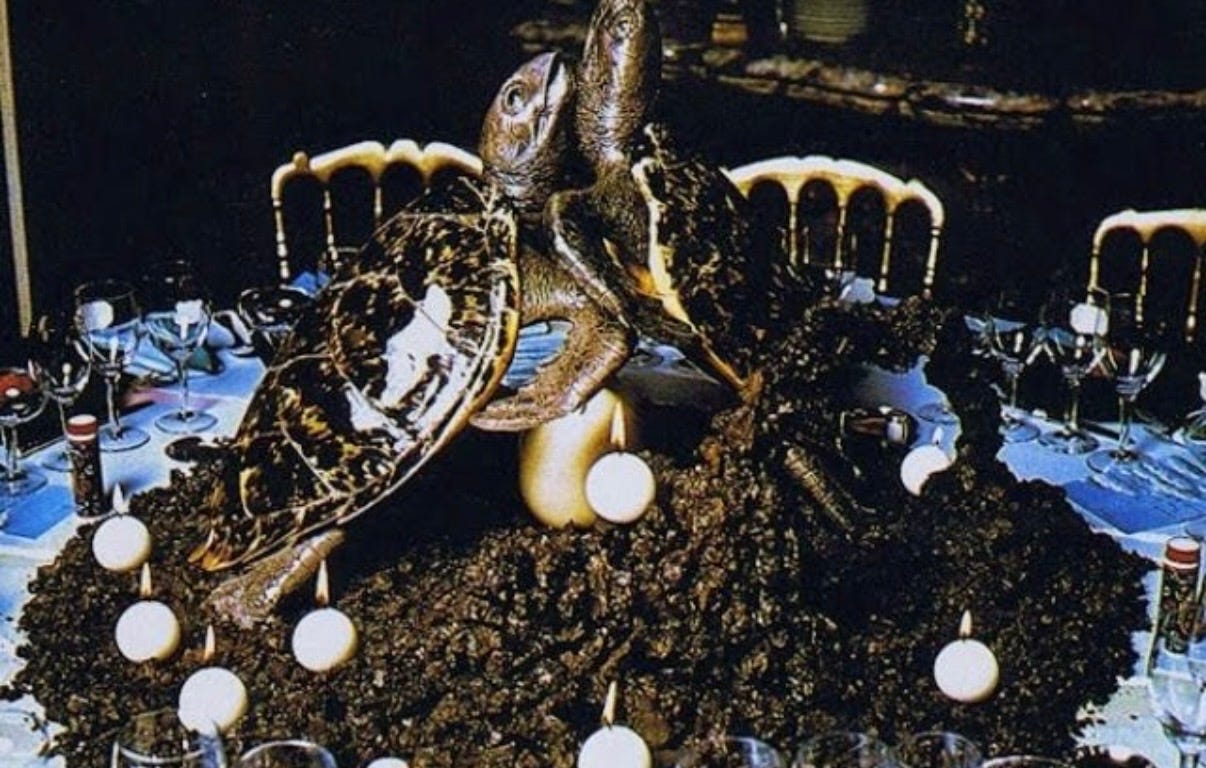
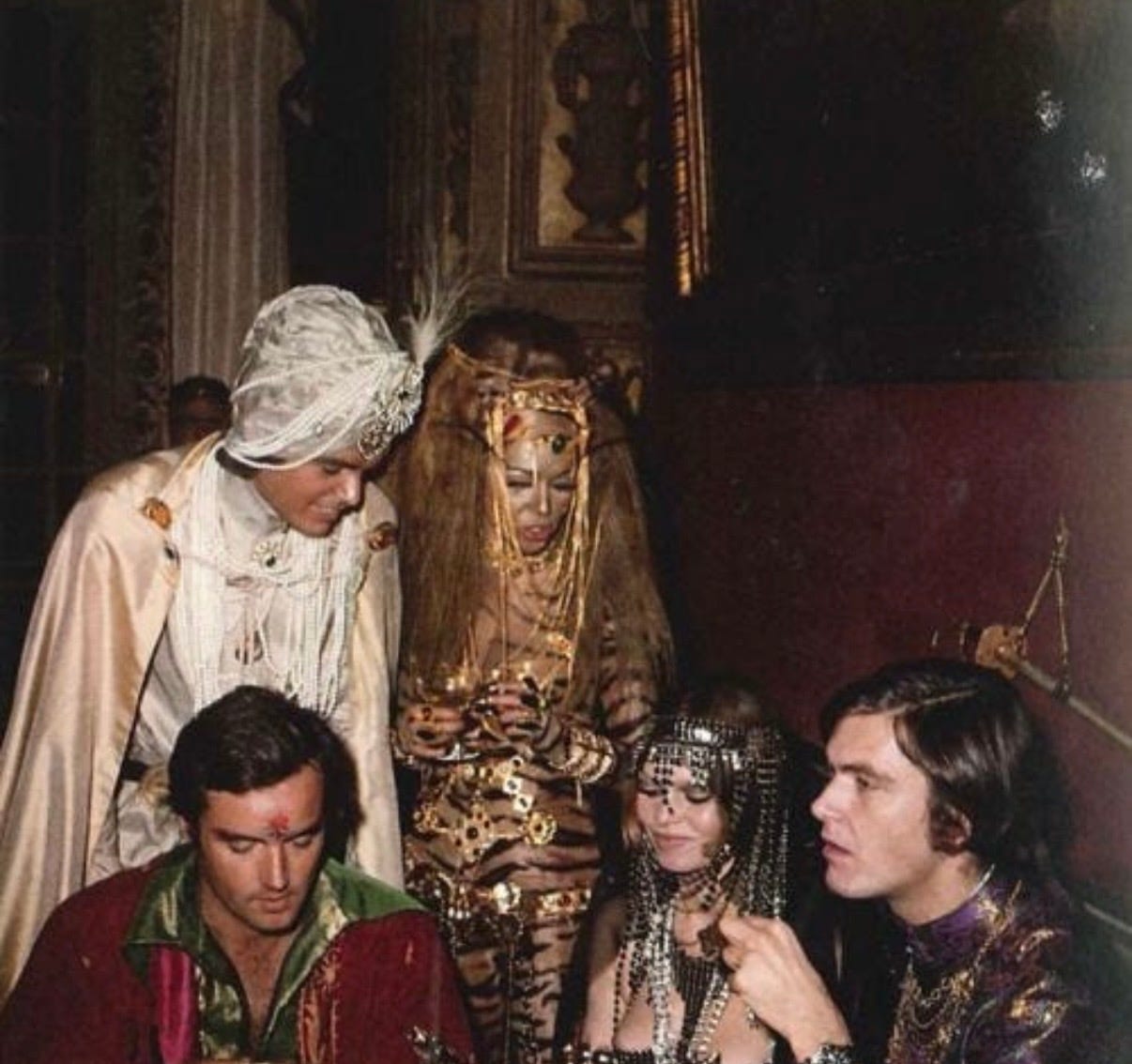
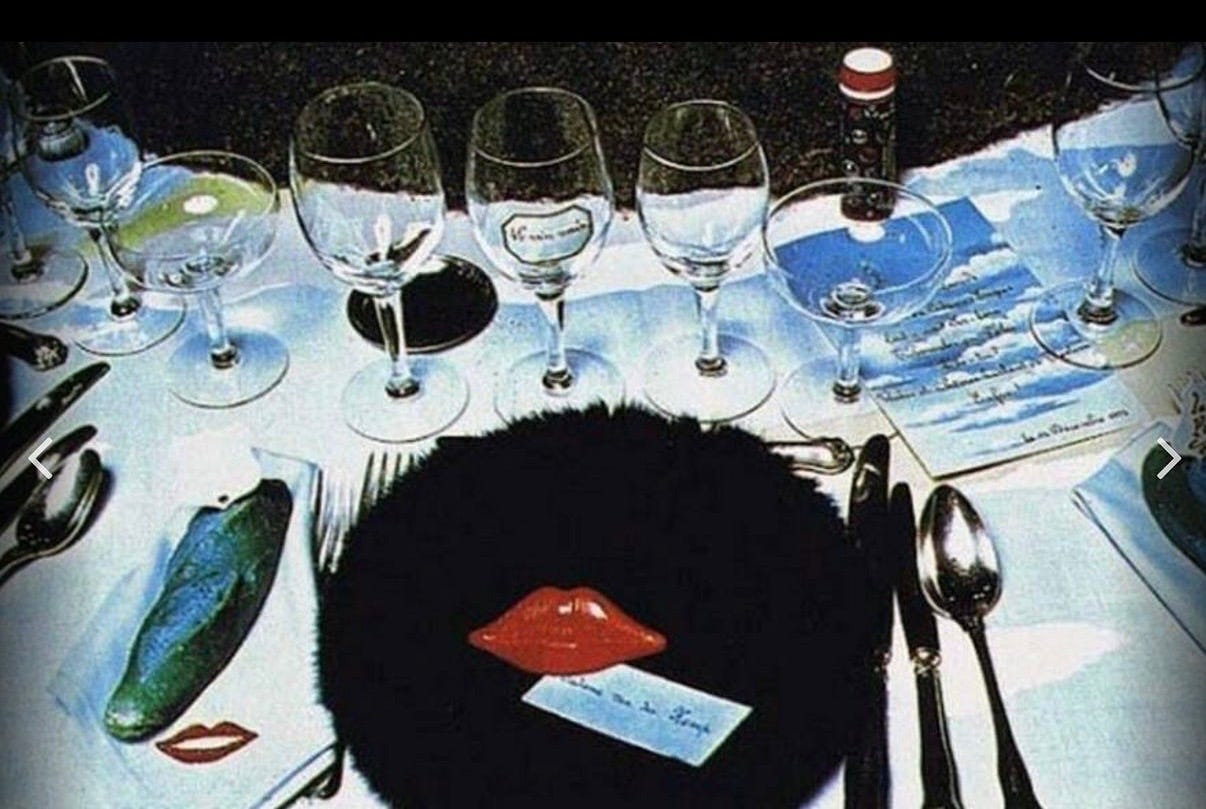
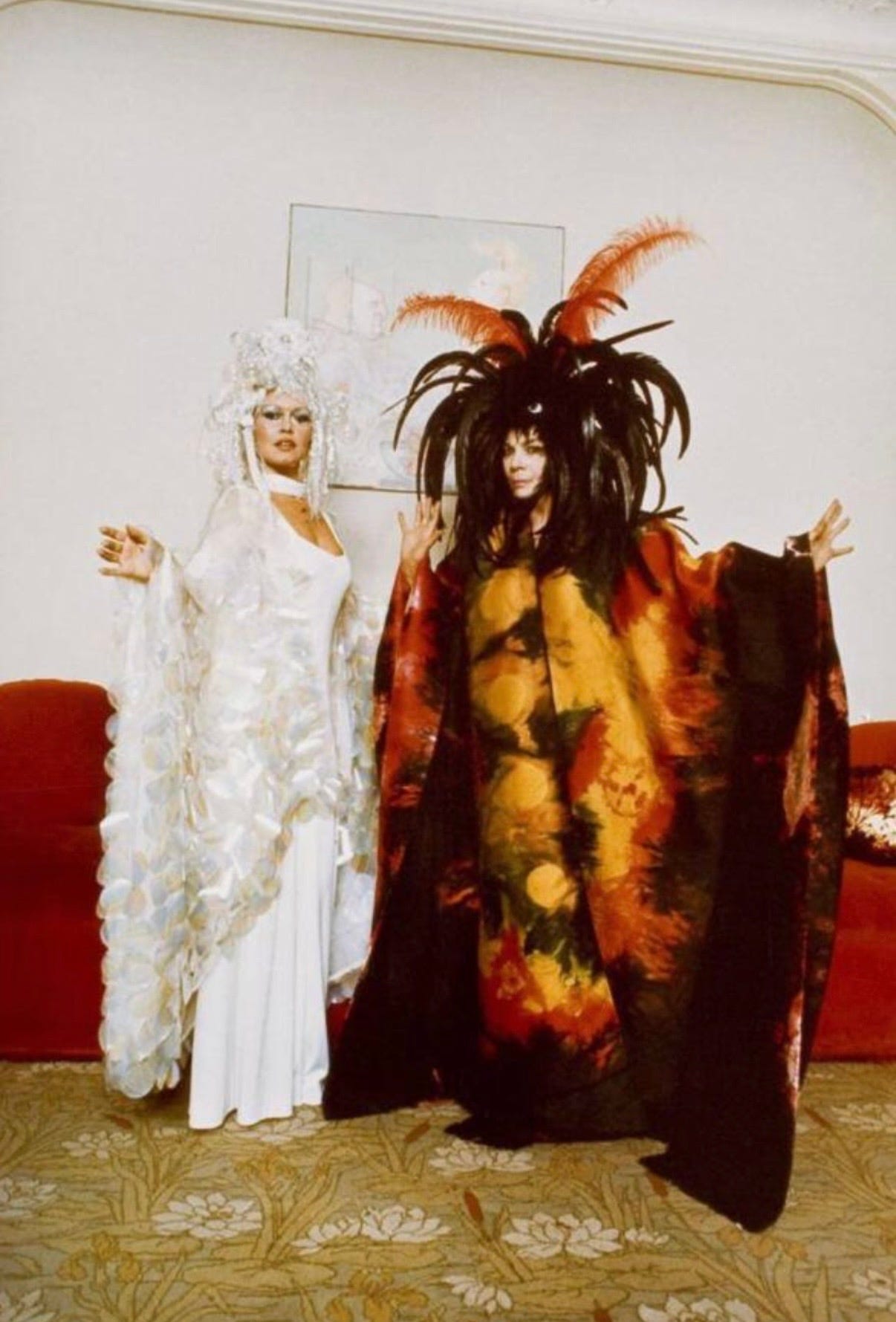
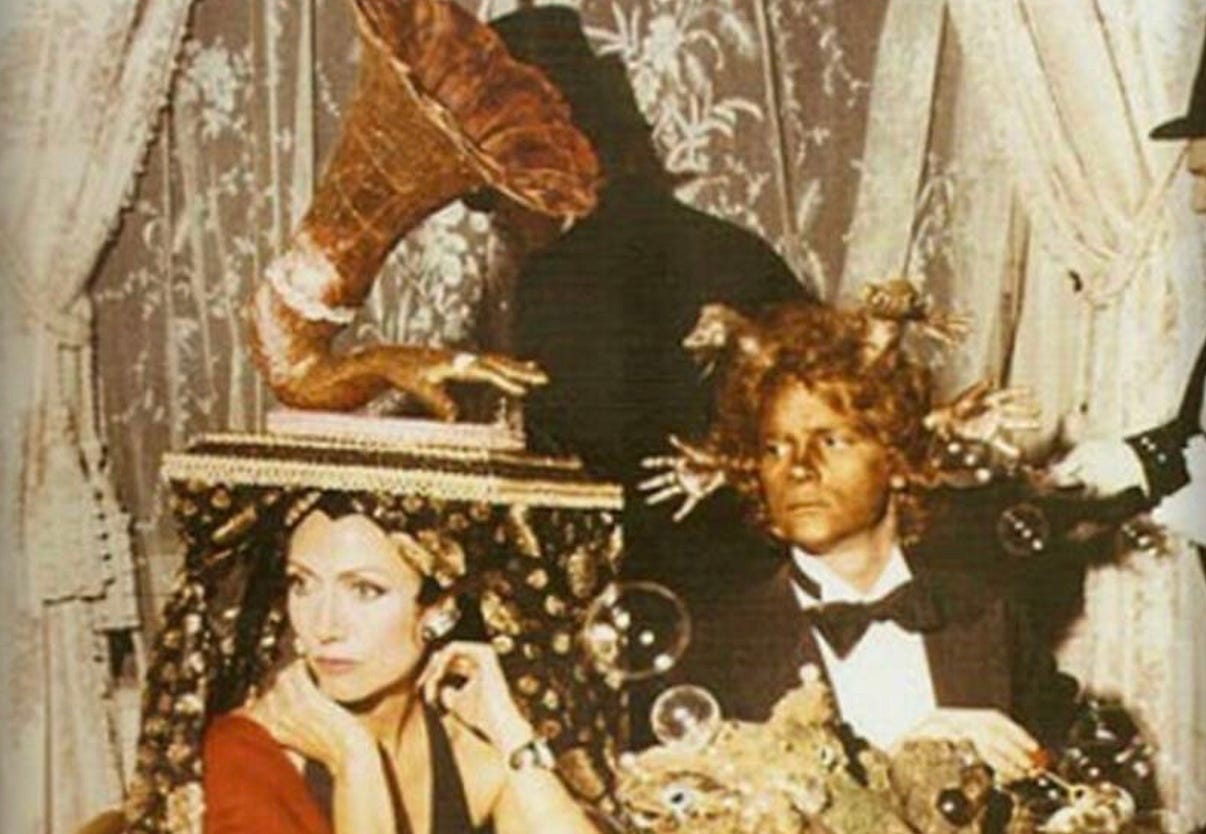
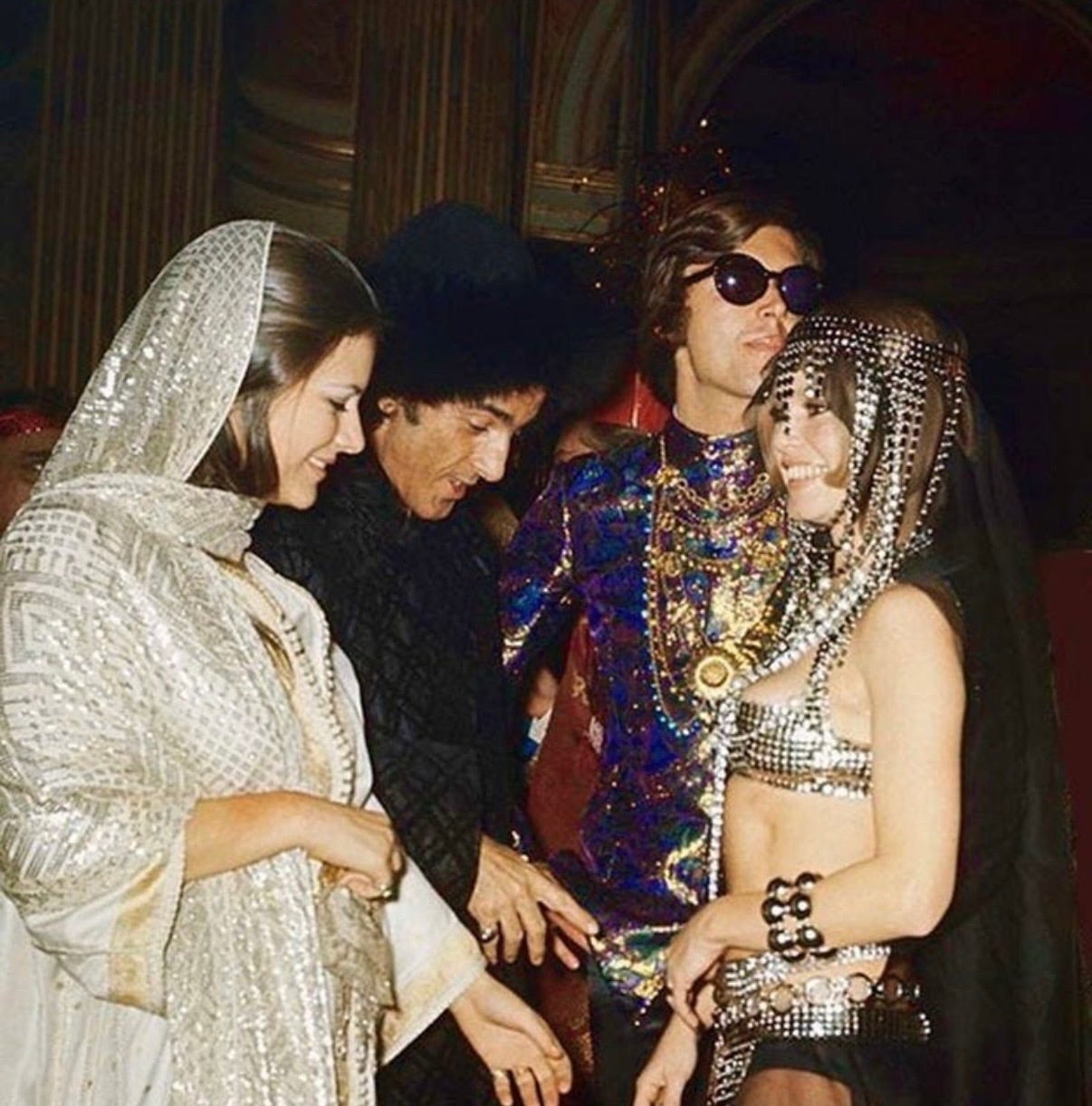
It is easy to dismiss this as the extravagant fancy of the incredibly wealthy, curious mind, a party, nothing more.
But then you remember that this was not a one-off.
That these gatherings were part of a long tradition among the most powerful families on earth.
Kubrick, a man who left nothing to chance, who researched every detail until he knew it inside out, chose a Rothschild estate as the setting for his final film’s most haunting scene.
That the masks, the secrecy, the strange and unsettling symbols were not invented for the screen, they were taken from life.
The invitations were written backward, meant to be read in a mirror,perhaps that was the truest thing about the whole night.
It shows us that what we see on the surface is only half the story; that the real truth is always there, waiting for us to turn it around and look at it the right way.
And perhaps that is exactly what Eyes Wide Shut was, not a work of fiction, but a reflection.
A mirror held up to a world most of us never see.
The question is not whether it was real.
The question is:
how much more is still hidden in the shadows?
Your presence here, curious mind, is what matters most; it is the vital component in this pursuit, and it is valued above all else.
A donation is never expected, though any support provided goes directly toward the procurement of historic literature, and the access fee required to view certain archives.
Thank you, dear reader.
No posts
Comments
Nothing yet. Say the first thing.
Sign in to join the conversation.