
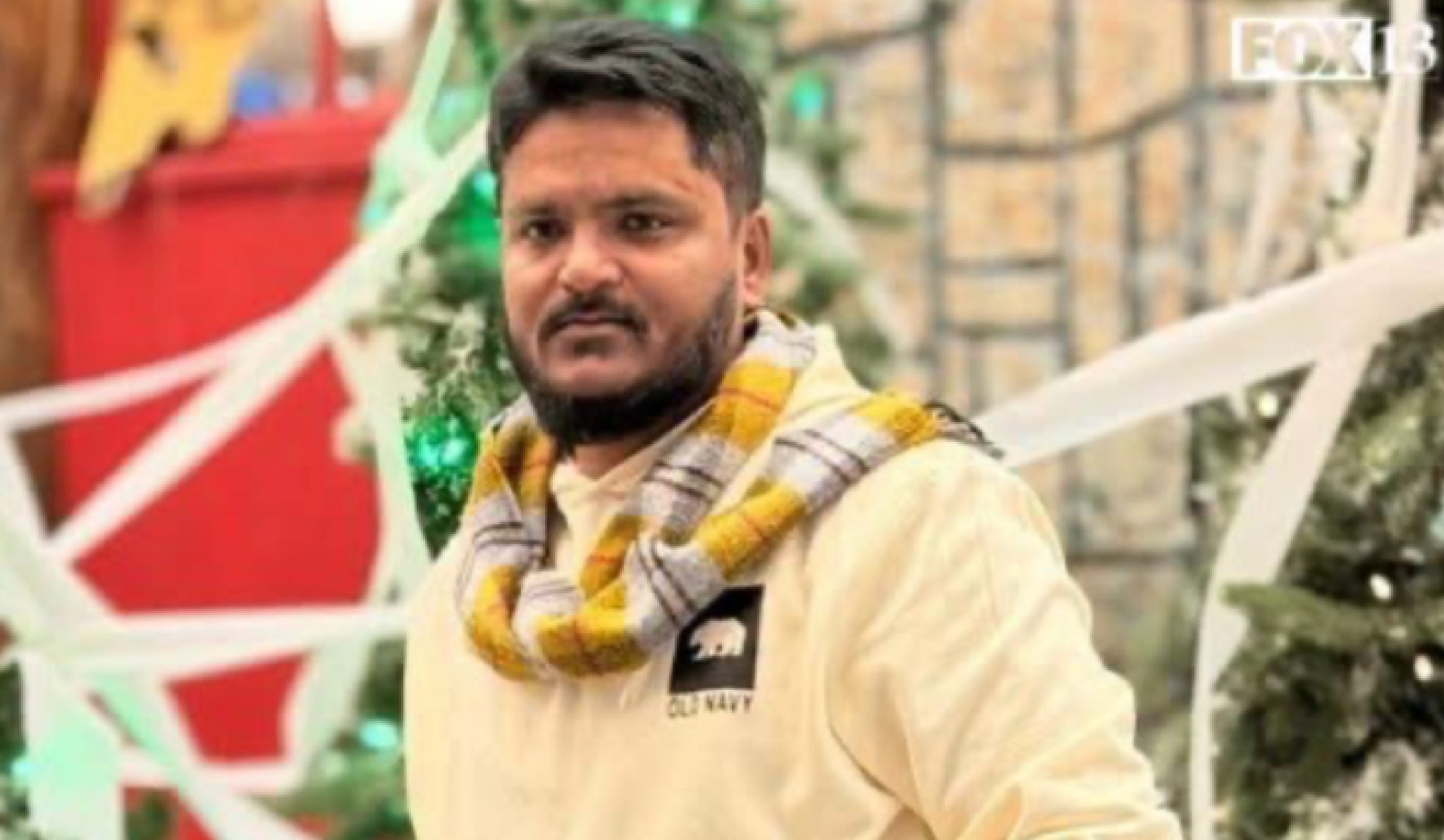
On a recent summer day in Utah, a kiosk worker named Sohail chatted briefly with a customer and then reached for a water bottle to sell him. Sohail then found himself being brutally stabbed, more than a dozen times, before the attacker was disarmed by fellow shoppers nearby. When the perpetrator was reportedly asked by law enforcement why he attacked Sohail, he said he sought to be a “catalyst so people would rid the country of Muslims,” and cited his own Christian faith.
Thankfully, Sohail survived the attack, due to the quick action of the helpers; still, his injuries are severe. In a statement, the Utah Muslim Civic League wrote, “Thank you to the true heroes who refused to be bystanders. By risking their own safety, they intervened and helped save Br. Sohail from his assailant. Their courage embodies the very best of our community.”
[This post has been adapted from my August column, ‘Lines of Encounter,’ which I publish for the Shoulder to Shoulder Campaign. You can read past columns here or on the homepage for Digging Our Well.]
About a month prior, across the country, Jewish groups assembled outside a prison in Indiana, to advocate for the rights and release of a man who doesn’t share their faith. Detained by Immigration and Customs Enforcement for his activism for Palestinian rights, Salah Sarsour is a U.S. green card holder, the president of Islamic Society of Milwaukee, and a pillar of the Milwaukee interfaith community. While imprisoned, Sarsour had been denied an adequate diet for his diabetes, as well as access to a Qur’an. In the wake of the demonstration from interfaith allies, Sarsour was released; still, he lost 30lbs while imprisoned.
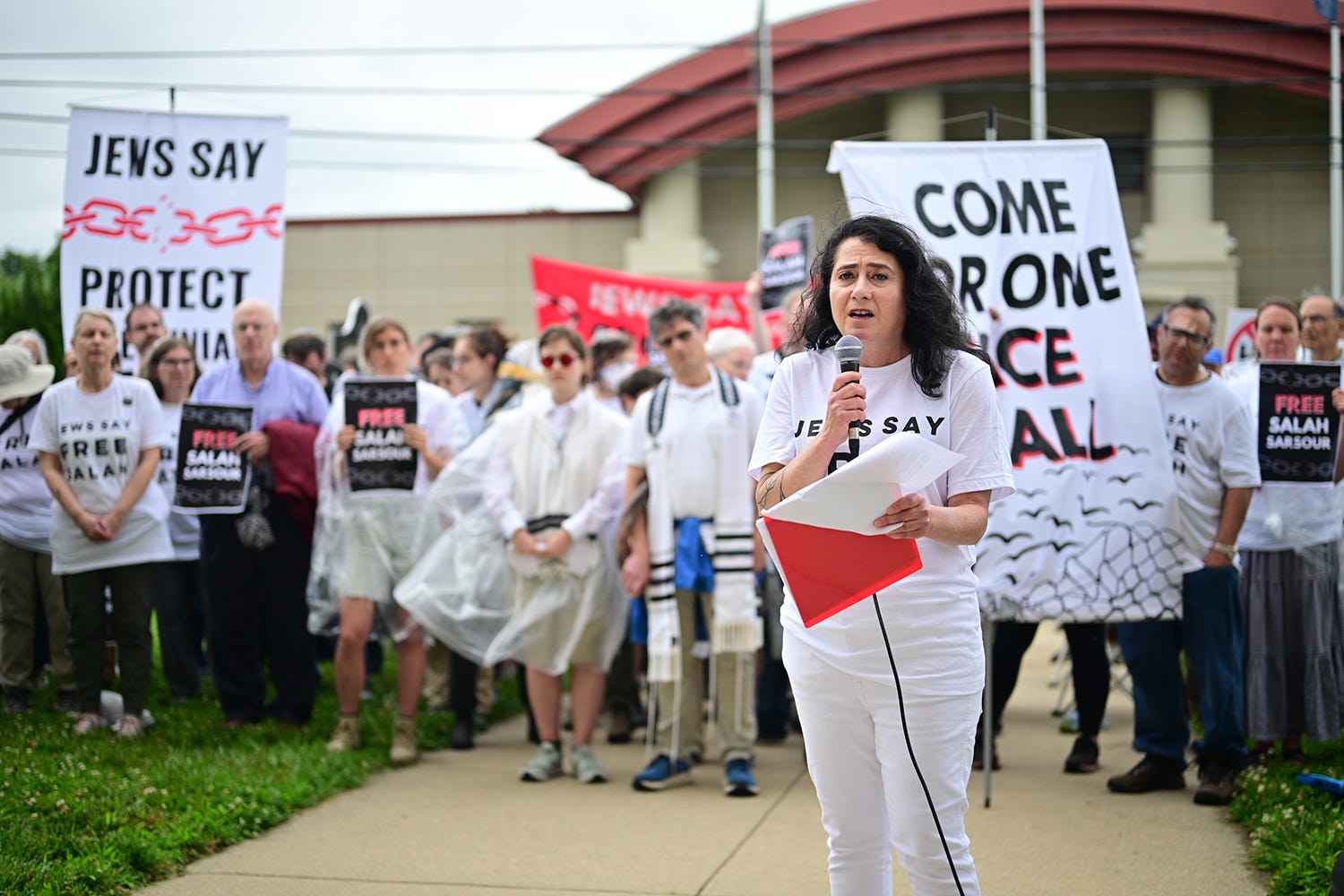
As reported by Religion News Service, the various Jewish groups present felt called by their own history and religious convictions to support Sarsour. Rabbi Bruce Elder, who leads Congregation Hakafa in Glencoe, Illinois, said at the protest: “You cannot separate the Jewish immigrant experience from other immigrants that are coming through. Our Jewish textual tradition calls for us to be here.”
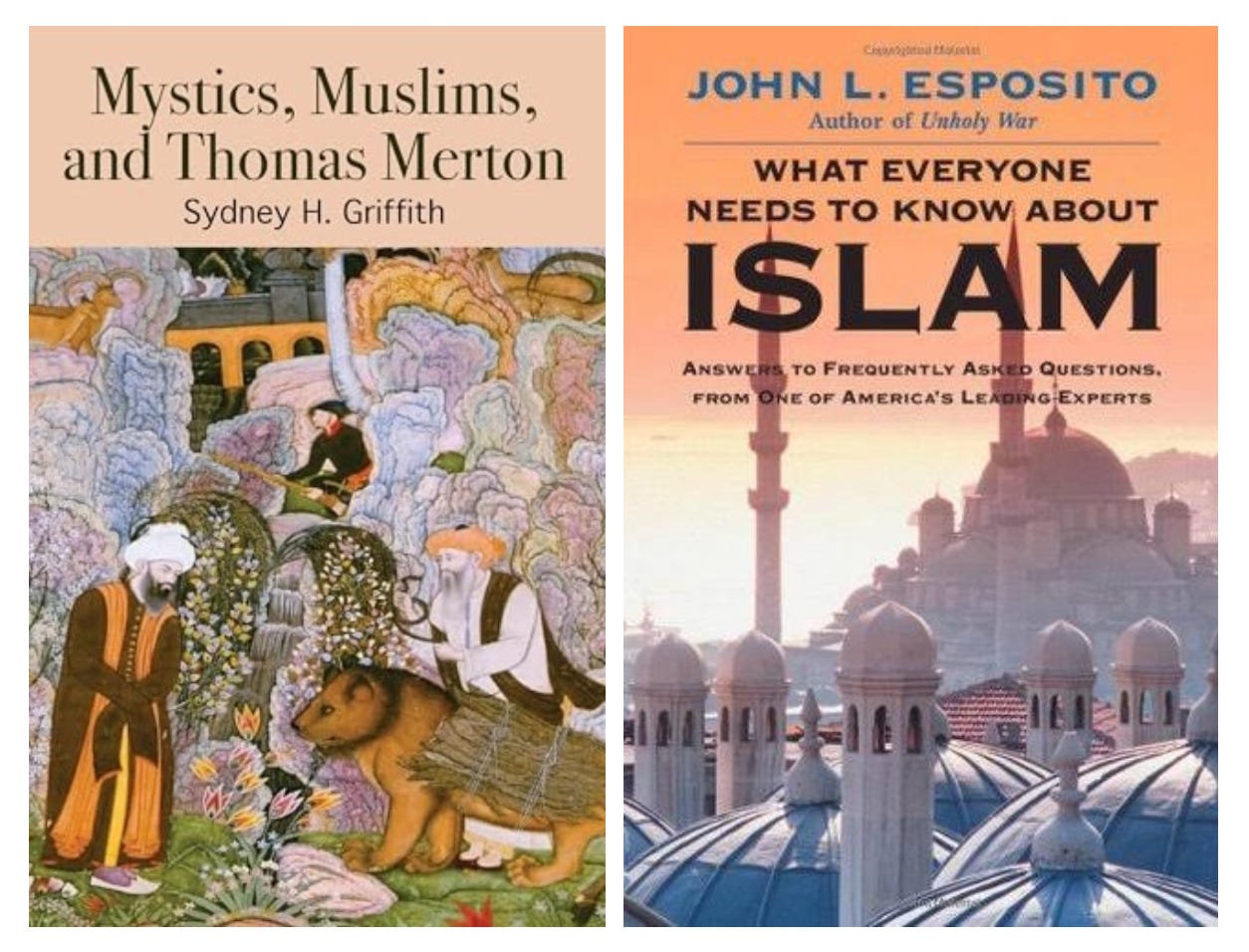
Around the time Sarsour was returned to his family, two noted scholars returned to God. Both Catholic, John L. Esposito and Fr. Sidney Griffith spent their careers—both at Catholic universities in Washington, D.C.—studying Muslim-Christian relations and building bridges of understanding between the two communities. Esposito dedicated much of his work to breaking down Islamophobia, through courses he taught, extensive writing and interviews, and in founding Georgetown’s Center for Muslim-Christian Understanding and the Bridge Initiative. As Shoulder to Shoulder wrote in a statement marking his passing, “John Esposito demonstrated that you don’t have to share someone’s identity or religious affiliation to stand alongside them.”
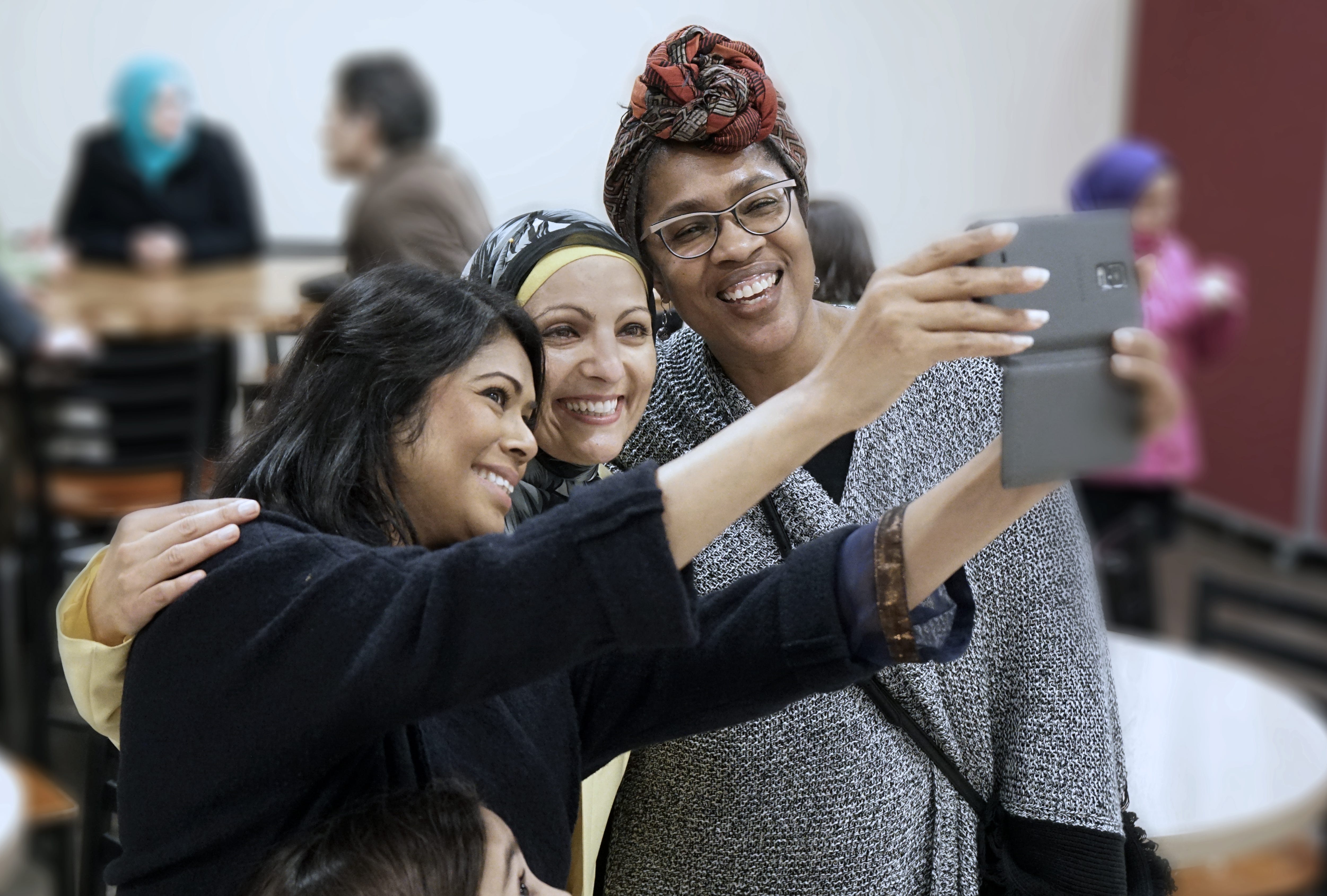
These examples, from Utah to the Midwest to the nation’s capital, are inspiring examples of allyship in the face of Islamophobia. But putting our bodies on the line, publicly protesting to show our support, or dedicating a career to studying the problem are not the only ways we can be effective and impactful allies. Allyship can be embodied in myriad ways, depending on our capabilities, contexts, and callings.
As Whitney Parnell of Service Never Sleeps has discussed, allyship is not a role we only adopt occasionally, but a way of life we strive to live. It is about deploying the privileges that we have to advance the well-being of all. When it comes to Islamophobia in America, that means that Christians, Jews, and others beyond the Muslim community should take on a particular responsibility to upend prejudice against Muslims in our own communities, confront Islamophobia in our broader society, and constantly reflect on the biases that we and others in our communities might hold on to. Allyship is a constant learning and growing process; we are unlikely to embody it perfectly, and we may even screw up—I certainly have. The key, I think, is the commitment to try and work at it, and to consciously use our respective privileges to contribute to the flourishing of all.
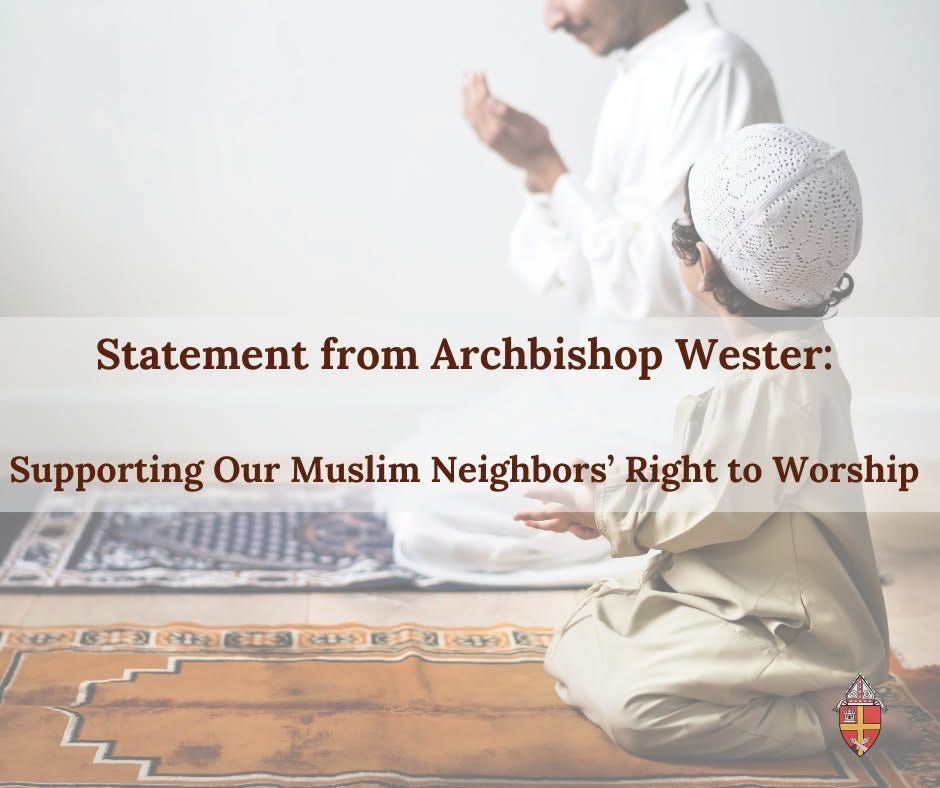
Another recent expression of faith-leader allyship came from the Catholic archbishop of Santa Fe, John Wester, who in July issued a powerful statement in defense of Albuquerque’s Muslim community who faced pushback (including from Catholics) against their plans to build a mosque. He wrote in part: “When such prejudice arises, Catholics are called to stand beside them, not apart from them. Supporting their right to build a mosque is one concrete way to affirm their dignity and to reject the forces that seek to marginalize them.” Given that much of today’s Islamophobia is couched in Christian language, this kind of allyship from Christian faith leaders is even more vital.
Allyship to dismantle Islamophobia is crucial, especially now. Elected officials continue to make dangerous statements that are untrue, unkind, and can lay the groundwork for violence against American Muslims: Indiana’s lieutenant governor saying that Islam is “a clear and present threat” that is “more dangerous” than Nazism; a Florida official using the derogatory slur “towelheads” during a public meeting; Texas politicians continuing to stoke animus toward Muslims to win election races; and a Florida representative claiming “we need more fear of Islam…because fear of Islam is rational.” Meanwhile, targeted incidents at mosques are on the rise. This summer, the Council on American-Islamic Relations found a 183 percent increase in incidents (17 in just three months) compared to the same period last year (only 6 incidents).
There are lots of resources for us to consult as we, individually and collective, strive to live as allies. Here are two I recommend:
Download Should to Shoulder’s new guide, “Moving Beyond the ‘Sharia Scare’: A Guide for Faith Leaders and Allies,” and don’t miss the Quick Reference Sheet for clear and concise messaging that you can use in your sermons, newsletters, and social media posts.
Join other faith allies for a discussion of my book Islamophobia: What Christians Should Know (and Do) about Anti-Muslim Discrimination on Thursday, August 20 at 8:30pm Eastern. To participate: please fill out this form.
Comments
Nothing yet. Say the first thing.
Sign in to join the conversation.