
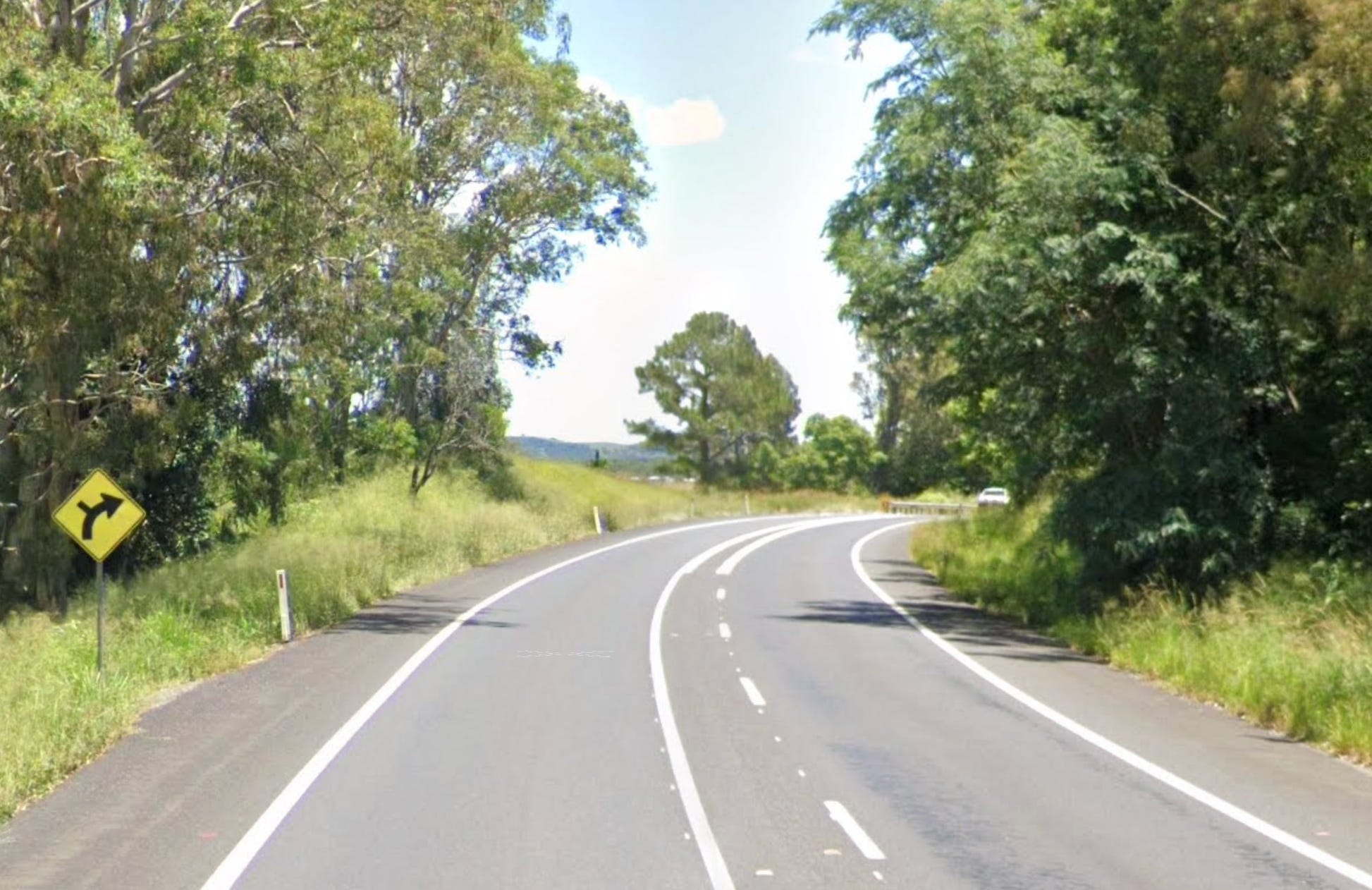
While travelling through Australia recently, I was intrigued to observe wider centre line markings I had not seen before. This got me thinking about Canada’s rural highways and the safety challenges experienced back home, particularly concerning head-on and run-off-road collisions. Unlike urban environments with divided roadways and controlled intersections, many rural highways remain undivided, high-speed corridors with minimal separation between opposing traffic.
Looking into this further, this innovative, cost-effective solution is known as Wide Centre Line Treatments (WCLT). This roadway design modification increases the separation between opposing traffic, allowing passing on higher-speed, two-lane, undivided roadways. Having been successfully implemented in countries such as Australia, New Zealand, Sweden, and the United States, WCLT remains largely unexplored in Canada.
Conventional rural highways typically feature a standard single centre line, typically between 100 mm and 200 mm wide, that provides minimal separation between vehicles travelling in opposite directions. WCLT modifies this by increasing the centre line separation to 1.0 to 1.5 metres, often incorporating audio-tactile line markings (rumble strips) to alert drivers drifting out of their lane.
Increasing the buffer between lanes provides additional reaction time and space for errant vehicles to correct their course, significantly reducing head-on crashes. This added separation is especially beneficial on high-speed roads (i.e. 80-110 km/h) and in areas where fatigue, distraction, or poor visibility increase lane departure risks.
International studies in Australia have demonstrated the crash-reduction benefits of WCLT including:
Queensland, Australia (2018 Study): Implementing WCLT led to a 33% reduction in head-on injury crashes and a 21% reduction in all injury crashes. The cost-benefit analysis found a BCR (Benefit-Cost Ratio) of 6.4, proving it to be a highly cost-effective safety measure. [Source]
Austroads Research (2010): Estimated a 15–20% crash reduction for roads with WCLT. [Source]
Duke’s Highway, South Australia (2017 Study): A long-term study recorded a 1.9% crash reduction (1983–2000) and a 3.0% reduction (2001–2016) following WCLT implementation. [Source]
Victoria, Australia (2020 Auditor-General’s Report): A review found that a combination of WCLT and flexible barriers resulted in a 46.5% decrease in run-off-road and head-on serious crashes. [Source]
Given these compelling results, Canadian provincial and municipal jurisdictions have an opportunity to explore the benefits of WCLT through pilot initiatives in areas with higher crash risks.
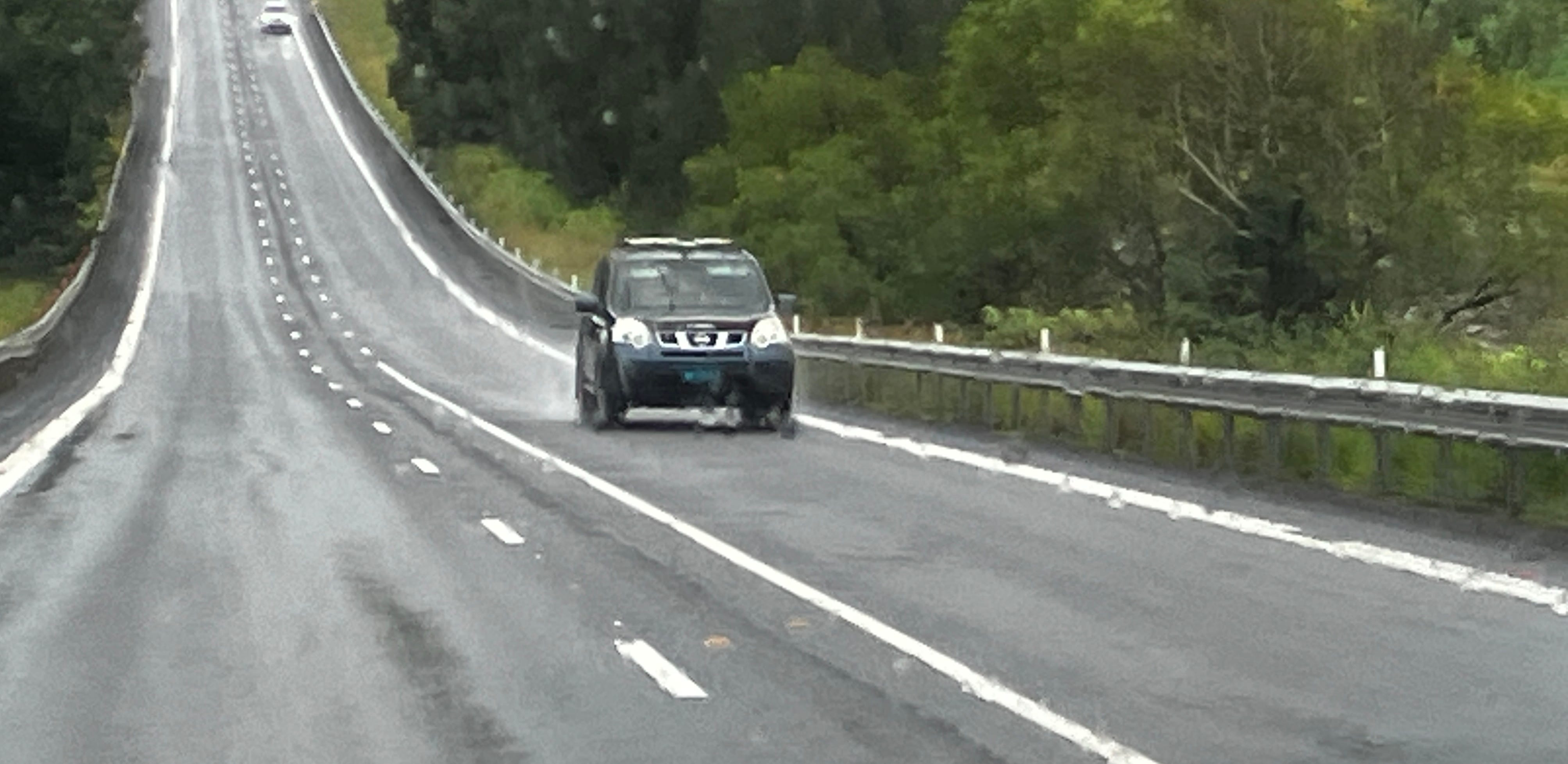
Canada’s vast geography means that a significant portion of its highway network consists of two-lane, undivided roads, where head-on collisions are a major cause of fatal and serious-injury crashes. Vision Zero programs across Canada seek cost-effective, high-impact safety solutions, and WCLT has the potential to fit this need.
Key risk factors include:
Long-distance travel at high speeds (i.e. 80-110 km/h);
Fatigue and distraction-related lane departures;
Lack of physical separation between opposing traffic; and
Poor winter driving conditions contributing to loss-of-control incidents.
By implementing WCLT on high-risk corridors, road authorities could substantially improve safety without requiring major infrastructure investments.
The Ontario Traffic Manual (OTM) Book 11: Pavement Markings (2000) provides centre line marking guidelines but does not explicitly address WCLT applications. However, OTM encourages safety-focused pilot projects to test new roadway treatments. Similarly, OTM Book 19: Advanced Traffic Management Systems (2007) supports the study of emerging safety innovations.
From a legislative standpoint in Ontario, the Highway Traffic Act (HTA) does not prohibit WCLT, meaning provincial and municipal road authorities can consider developing projects for pilot testing within the existing regulatory framework.
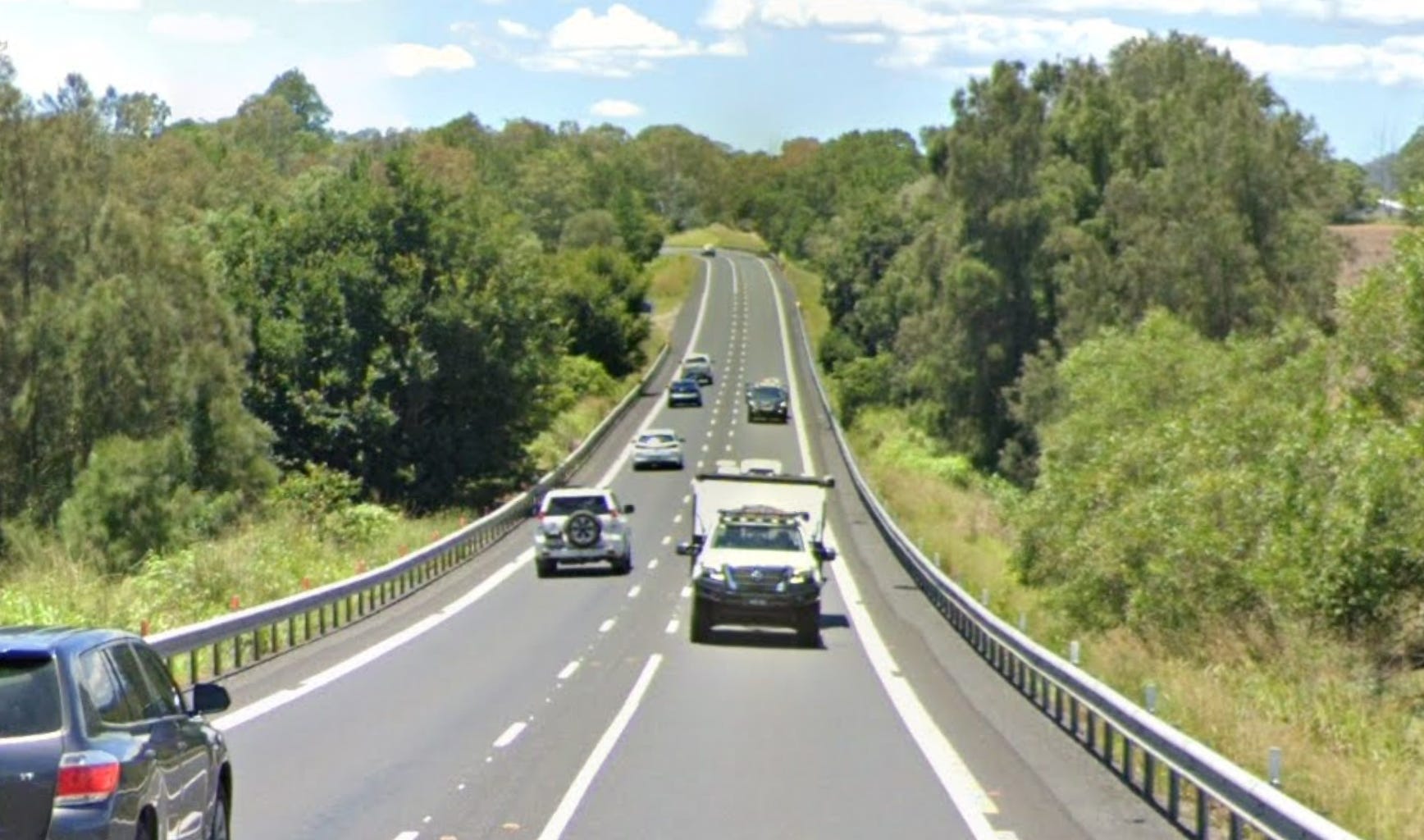
A well-structured pilot project would provide the necessary data to evaluate WCLT’s effectiveness in the Canadian context. Potential steps to develop a pilot project may include:
1. Identify High-Risk Corridors
Target rural highways with high rates of head-on and run-off-road crashes.
Prioritize routes with sufficient shoulder width to accommodate rumble strips.
Analyze historical crash data to identify areas with frequent lane departure incidents.
2. Design and Implement WCLT Treatments
Expand the centre line width to 1.0-1.5 metres.
Install rumble strips in no-pass zones to provide audio-tactile warnings.
Ensure compliance with provincial pavement marking standards, such as the OTM in Ontario.
3. Monitor and Evaluate Effectiveness
Compare pre- and post-implementation crash data.
Gather public and driver feedback to assess user experience.
Utilize traffic monitoring technology to measure lane departure rates.
4. Address Potential Challenges

Wide Centre Line Treatments represent a potential low-cost, high-impact safety innovation that has been validated in various international jurisdictions, such as Australia. Given its demonstrated safety benefits and low implementation cost, provincial and municipal road authorities across Canada should consider pilot projects to study and evaluate WCLT’s effectiveness in reducing fatal and serious-injury collisions, including head-on crashes on rural highways. By embracing evidence-based implementation and data collection, Canada can enhance rural highway safety while making efficient use of infrastructure investment.
Do you think Wide Centre Line Treatments could be a good option to follow Vision Zero principles and improve rural highway safety in Canada? Would your provincial or municipal road authority be interested in developing a pilot project to test WCLTs in Canada? Let me know your thoughts.
Comments
Nothing yet. Say the first thing.
Sign in to join the conversation.