
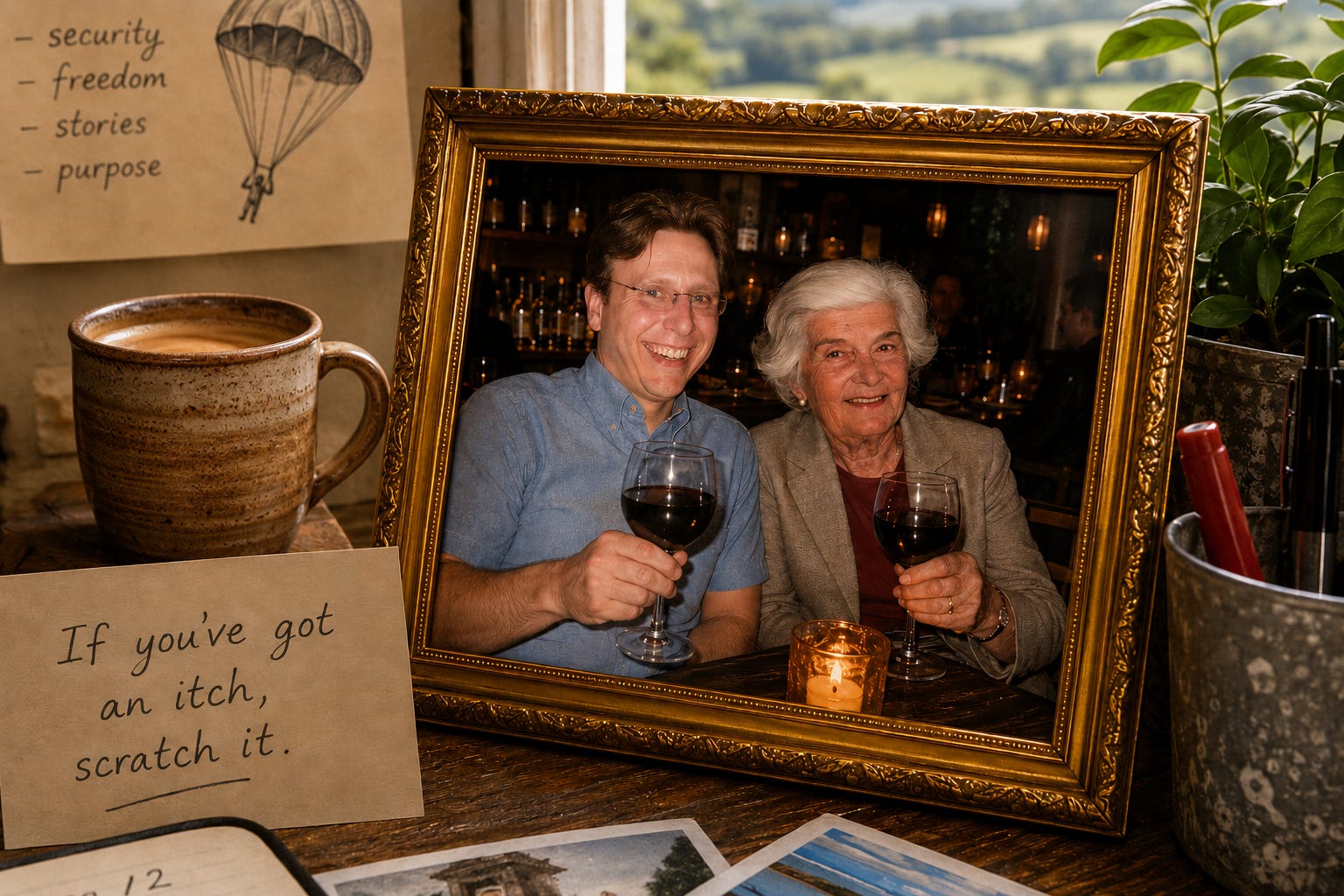
When I was a teenager, I wanted to be a writer.
Not in the way people casually announce they’ll write a novel “one day”, somewhere between learning Italian and finally clearing out the loft. I actually wrote one.
To my amazement, a major publishing house offered me a deal. I delivered the manuscript, convinced my life was about to begin. Then the editor who had championed it left. The book was dropped.
No blazing row. No dramatic rejection letter. No publisher declaring I was talentless. Just a change of personnel and the opportunity quietly disappeared.
I was told to go away and get some life experience. At the time, it sounded perfectly reasonable.
So I did.
Looking back, I may have overdone it.
Like most young writers, I also had a fantasy.
I imagined myself auctioning novels to publishers in plush hotel suites while film directors fought over the film rights. I’d be doing the chat show circuit discussing my creative process before disappearing back to my rambling country house to knock up another bestseller. Then I’d spend a few days in my stylish city apartment attending literary parties before retreating to the countryside once more.
Think Adrian Mole with a better tailor, a healthier bank balance and considerably more confidence.
The funny thing is, I wasn’t really dreaming about writing. I was dreaming about being a successful writer. There’s a difference. The fantasy wasn’t the blank page. It was everything that came afterwards.
Around that time I had a brief romance with another writer, an accomplished and award winning children’s author. I was surprised we got together, it was a lovely romance, very free and easy. He was wonderful.
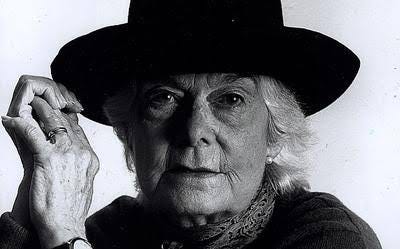
He encouraged me, coached me, introduced me to his editor and publisher and, perhaps most importantly, introduced me to people I never imagined I’d meet. One of them was Mary Wesley.
She was on a book tour and we’d arranged to attend the launch before going for dinner. Dinner never happened. Instead we ended up in a wine bar until the early hours.
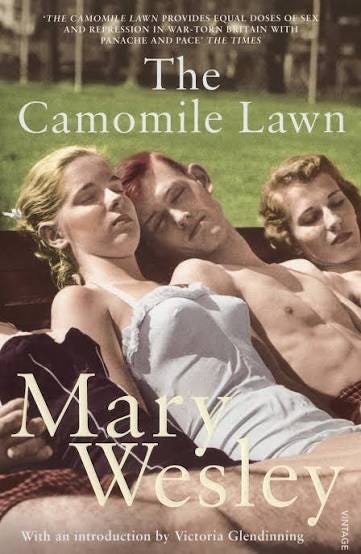
She told stories.
Stories about lovers, unsuitable husbands, extraordinary people she’d known, adventures she’d had and manuscripts she’d written before deciding they simply weren’t good enough and throwing them away.
Then, in her seventies, she wrote again. And this time the world noticed. She was connected with people in the publishing world, got a agent and the publisher followed swiftly afterwards.
I remember sitting there fascinated by the stories. What I failed to hear was the lesson. Her life hadn’t delayed her writing. Her life had given her something to write about.
Looking back now, I suspect many of her characters were fragments of herself gathered from one of the many lives she’d lived.
Perhaps that’s true of all writers.
Certainly it’s true of me. Some of my characters are unmistakably me.
Others are people I’ve met only briefly but who have lodged themselves somewhere in the corners of my mind, refusing to leave until I’ve finally written them down.
I’ve always been a wheeler dealer.
Even as a child I was buying and selling computer games, records, bikes, videos. If something could be traded for a small profit, I was interested. Partly because I enjoyed it. Mostly because I wanted security.
That came from childhood.
My grandparents brought me up for my first ten years. They taught me simple lessons about money. Spend less than you earn. Don’t owe people money.
If you’ve got a roof over your head, food in the fridge and you’re warm, you’re doing alright.
My mother, never really learnt those lessons, she liked spending, if it was in the bank it would be spent. Her second husband liked looking successful rather more than actually being successful. He behaved as though money was endless while quietly accumulating debts to support the illusion. Watching that happen left a mark.
I became terrified of debt. Not cautious. Terrified. Debt represented losing control.
So while I admired aspiring writers who survived on fresh air and supermarket value beans while perfecting their novels, I also knew I wasn’t one of them.
I admired them enormously. I just didn’t want their life. I wanted success now. Yesterday if possible.
When I realised writing probably wasn’t going to provide that, I did the next best thing. I earned money. A lot of money.
Banking rewarded the parts of me that liked figures, understood people and enjoyed solving problems.
The writer quietly stepped into the background. People sometimes assume creativity simply disappeared. It didn’t. It waited. There’s a difference. Life arrived instead.
Career. House. Then a better house. A nicer interior. A better wardrobe. A better car.
Some of those things mattered. Some, if I’m honest, were simply buying things to impress people I didn’t particularly like. But hey, we’re all young once.
Then came relationships. Lovers. Friendships. Building a social life. Finding my husband. Being part of something.
Writing is, by its nature, quite lonely. I’m not. I’m a people person. I like conversations. I like communities. I like being a cog in something bigger than myself.
Looking back, I can see I poured enormous amounts of energy into creating financial security, a happy relationship, a friendship circle and a comfortable life.
None of those were mistakes.
But every one of them occupied space that writing might otherwise have filled. The stories waited patiently.
Life has an extraordinary talent for giving us respectable excuses. Not enough time. Not enough money. I’ll start after this project. Once the mortgage is smaller. Next year. Next year quietly becomes five. Five becomes twenty. Before you know it, you’ve become remarkably successful at postponing the thing you’ve always wanted to do.
Looking back, I sometimes think of it as a cat chasing a feather attached to a piece of string. The cat is completely absorbed. Convinced that the next leap will finally catch it. Never noticing that someone else is holding the string.
Career. Promotion. Another house. Another project. Another distraction. They weren’t bad things. They simply meant I never had to sit down with the blank page.
The world has changed enormously since I first submitted that manuscript. Publishers no longer simply discover writers. Increasingly, writers are expected to discover readers first. Build your platform. Grow your audience. Become your own marketing department. I understand why. Publishing is a business.
An author who arrives with half a million engaged followers is a safer investment than someone with a brilliant novel and twelve loyal readers. But it does create a slightly surreal world. Sometimes people announce book deals before they’ve written the book. Occasionally before they’ve worked out what the story actually is. Meanwhile thousands of people quietly continue writing stories that nobody yet knows exist.
So I’ve accepted the game. I’ve been writing on Substack for just under a year. I’ve wandered around social media for years. In dog years I’d probably qualify for Shady Pines. Nothing has gone viral. No magical Tuesday afternoon when millions of strangers simultaneously decide I’m fascinating.
Instead something much quieter has happened. A few more readers. A few more subscribers. A few more conversations.
I’ve hosted a weekly FM radio show for several months. I’ve picked up another weekly show. I host podcasts. I write essays. I edit novels. None of it has exploded. It has simply…grown.
Slowly.
Perhaps I’m the tortoise. The internet adores the hare.
I’m perfectly happy plodding along. After all, it sometimes takes years to become an overnight success.
People ask why I’ve started now. The answer is surprisingly simple. I’m retired. I stepped down at fifty-two. For the first time in my adult life, I don’t need to chase another promotion or another pay rise. I paid my last mortgage off when I was thirty-six. Not because I was obsessed with property. Because I was obsessed with security.
I’ve realised something while writing this. All my life I’ve been building cushions. I paid off mortgages early. I save. I like knowing there’s enough.
I’m a good spender, but I’m also a good saver. Our wine fridge isn’t full. Neither is it empty. I’m definitely a glass-half-full sort of person.
I like money coming in rather more than watching it disappear.
Even now, with my radio shows, I’m four weeks ahead. I like having a cushion.
A buffer.
Some people collect stamps. I seem to collect contingency plans.
Eventually I realised I’d spent thirty years sewing myself a parachute. Perhaps longer than was strictly necessary. But I forgive my younger self.
He wasn’t avoiding life. He was trying to make sure that, one day, if he jumped, he’d survive the landing. Now, for the first time, I’m using that parachute for its intended purpose.
Life is comfortable.
Not private jet comfortable. Not yacht-on-the-Med comfortable.
Just…comfortable.
The roof is paid for. The fridge is full. There’s usually a decent bottle of wine waiting for Friday evening. The bills no longer dictate every decision.
That changes everything.
Creativity no longer has to compete with survival.
My mornings are wonderfully ordinary. I swim. I come home. I make a couple of decent coffees. I sit at my computer. Sometimes I edit a novel. Sometimes I write something entirely new. Sometimes I work on a radio show.
Sometimes YouTube waves shiny objects in front of me and I disappear down a rabbit hole of complete visual drivel before reminding myself I actually have work to do.
Some days I dither. Some days I avoid. But I always know there’s something waiting.
The stories aren’t going anywhere. They’ve waited over thirty years already.
I’ve also realised something else. I don’t think I actually love writing. I love stories. I love watching characters stumble into impossible predicaments. I love seeing good decisions create unexpected problems and terrible decisions accidentally transform lives. Those characters have been cluttering up the corners of my mind for decades. They’re finally getting their chance to speak.
When the mojo is there, I can happily write two, three, sometimes five thousand words in a day. When it isn’t… Well, the recent heatwave demonstrated that thirty-degree temperatures are not particularly conducive to literary greatness. The mojo packed a suitcase and left the building. It was replaced by sleepless nights, irritability and a determination to do almost anything except think creatively.
That counts too. Not every day produces brilliant work. The important thing is to keep turning up.
Do I have regrets?
Of course. I regret not continuing to write. I regret not putting those stories into the world years earlier. But I don’t regret the life I built. Nor do I resent the man who built it. He was busy creating financial security.
Finding love.
Building friendships.
Making a home.
Creating a life that felt safe. Those weren’t wasted years. They became the stories. Without them, I’d have far less to write about.
Mary Wesley understood that. I simply wasn’t old enough to understand what she was really telling me over those glasses of wine. Life isn’t what gets in the way of writing. Life is the writing.
If I’ve learnt anything, it’s this. If you’ve got an itch, scratch it. Mine has been there since I was seventeen. For years I had perfectly sensible reasons not to.
Not enough money.
Not enough time.
I’ve got this project first.
Maybe next year.
Then one day I ran out of excuses. Now I have the time. I have the security. I have the stories. Most importantly, I’m enjoying the process.
I’d love these novels to find readers. I’d love a publisher. I’d love someone to ring up asking for the film rights.
Some teenage dreams never entirely disappear.
But if none of that happened, I’d still sit down tomorrow morning, make two decent coffees and open the document where a collection of fictional people have been patiently waiting for me to let them out.
Sometimes it takes years to become an overnight success.
And sometimes, the biggest success is simply realising you’ve finally become the person you always intended to be.
No posts
Comments
Nothing yet. Say the first thing.
Sign in to join the conversation.