
I’m a hybrid. I plot some. I intuit and follow the rest. I let my story take me. My characters are free to act out and be themselves; they tend to create themselves as I create them, it’s a complicit act. But I have difficulty controlling them. I know what they should do, what they need to do to further the plot, but when I put them in a situation, they often act in a way I didn’t imagine, say things that surprise me. This doesn’t mean they go ‘out of character.’ They are simply developing as characters, becoming richer, more individual.
I was never a planner nor a plotter in real life nor in my books. I like the idea of my story unfolding. The only problem with that it takes longer. So what? Everyone is in a hurry. (I know my time is running out, but that’s another story and I can’t control that ending either). I like to surprise myself. When I do, I feel as if I will surprise the reader too. Of course I am the one writing the story, the one in control or supposed to be, and I am, up to a point. I have written books having only the slightest idea, a kernel of a crime or a character that intrigues me. Some of these books worked out, some didn’t.
For my most recent novel, “Ten Perfect Guests,” I did a lot of planning and plotting, more than I ever do. I felt I had to. After all, it was a whodunnit with a large cast of characters and a killer among them. One thing I knew I did not want was a detective. No Hercule Poirot, no aha moment. Yes, I knew who the killer was. And I knew the ending, the resolution. But as I went on and the book continued, that ending became larger, more important, a story in itself. The reader already knows what happened, but the character, the killer, tells us the why and the how, not exactly the motive but the motivation, and tells us their story too. I loved getting inside a disturbed, constantly rationalizing mind. As the killer told their story some of it was new to me, some of it important plot points I needed to include, but not all. I let the character talk.
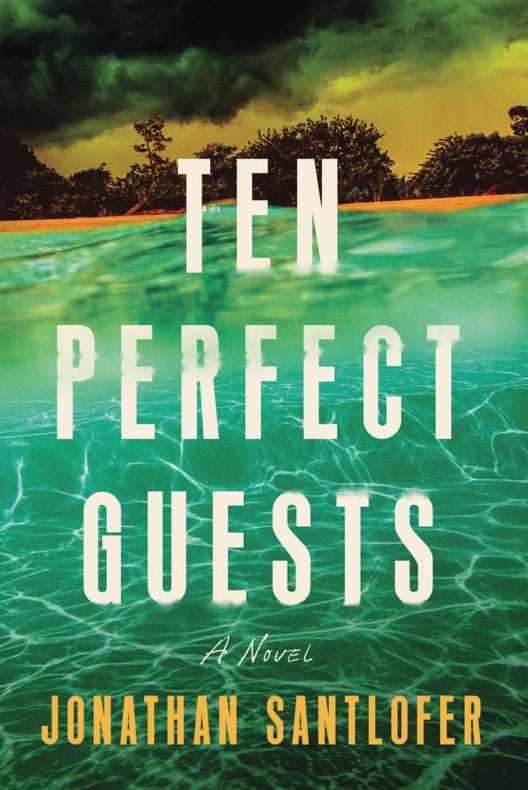
This was true of every character – and there were 10 of them. At first, I only sketched them out the way I would a drawing, superficially. They were ‘types’ playing a role (we all are, aren’t we?). As I wrote them, I fleshed them out and their back stories expanded, who they were and why they became the person they are. That was important to me: that there were reasons.
Another thing, maybe a writing tip. I try to leave space for the reader to imagine, to fill in, to feel. The characters and plot can only do so much. You have to trust that your reader will intuit the rest and complete it.
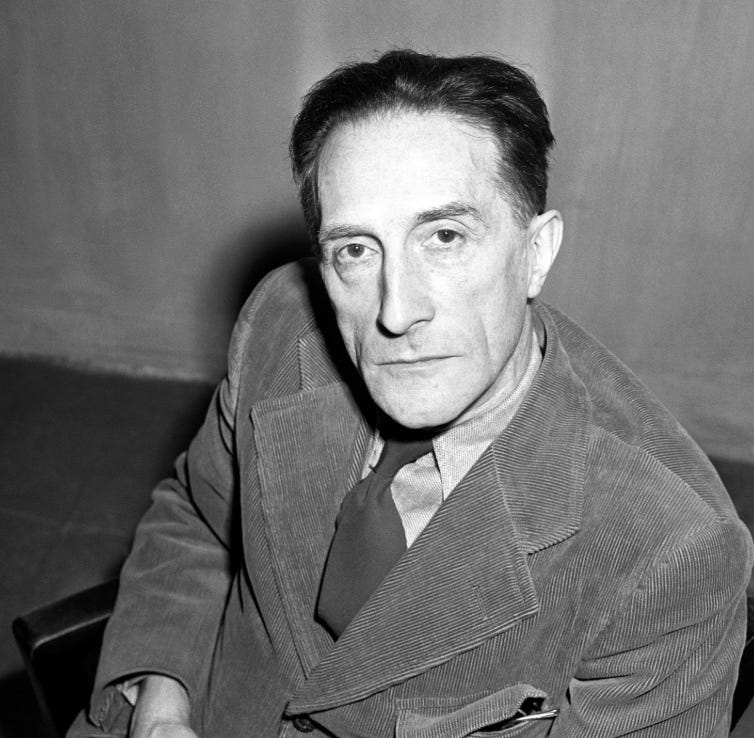
There is a great essay by the artist Marcel Duchamp, “The Creative Act” in which he says (I’m paraphrasing) that each viewer comes to a work of art and completes it. That is, they bring themselves, who they are, their own life and experience to finish the artwork. It’s the way I feel about a scene, a story, a novel, that the reader brings something unexpected that I can’t anticipate: their own history with that sort of situation or character and so they feel it differently. This seems like a very important thing. It’s why I will imply how a character looks—tall, small, plain, beautiful—but rarely go into detail with eye or hair color unless it’s a unique trait I think the reader needs to know.
My art dealer character in “Ten Perfect Guests” is obese because I wanted him to have weight and presence and to appear not quite in control of himself, plus it plays a crucial part in what happens to him. Each character who attends the dead artist’s memorial (the pivotol plot point in the book) has some general quality. I describe the dead artist’s ex-wife as beautiful but nearing that time in her life when her beauty is starting to fade and it’s important because she’s the kind of person who has perhaps relied on her beauty and will soon not be able to. It doesn’t define her (in fact, I think she is an accomplished woman beyond her beauty), but does she know that? It was important to me that the readers see her in a certain way. My job as a writer is to give the reader just enough so they can see and imagine. In this case we do not all share the same concept of beauty therefore each reader will surely see her differently.
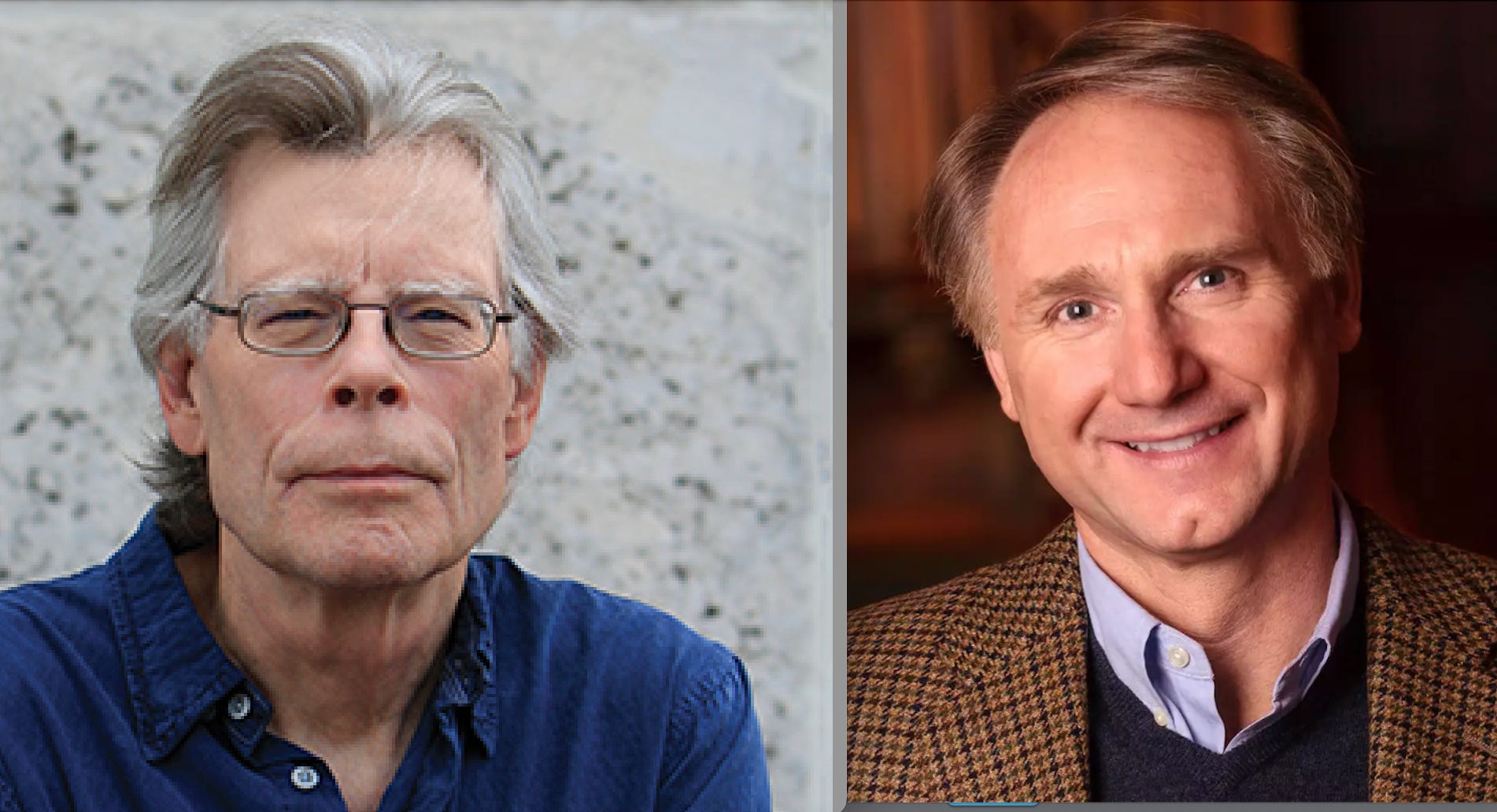
I could go on about this for hours, but instead, here are some well-known plotters: James Patterson and Dan Brown both rely on heavy, detailed beat sheets and outlines to keep the pacing fast and structured. Joseph Heller supposedly used detailed master charts and chapter breakdowns. Ken Follett was known for writing comprehensive, massive outlines before writing a single word of prose.
A few famous “pantsers:” Stephen King calls plot a mechanical choice for dullards, believing outlines kill the organic spark of real creation. Lee Child starts his Jack Reacher novels with a simple premise and no idea what will happen next. Margaret Atwood and Ray Bradbury often start with a single image or character and let the story lead them.
There is no right way or wrong way. It’s what works best for you. Follow your instincts. You know best. And if you don’t, one of your characters will tell you.
No posts
Comments
Nothing yet. Say the first thing.
Sign in to join the conversation.