
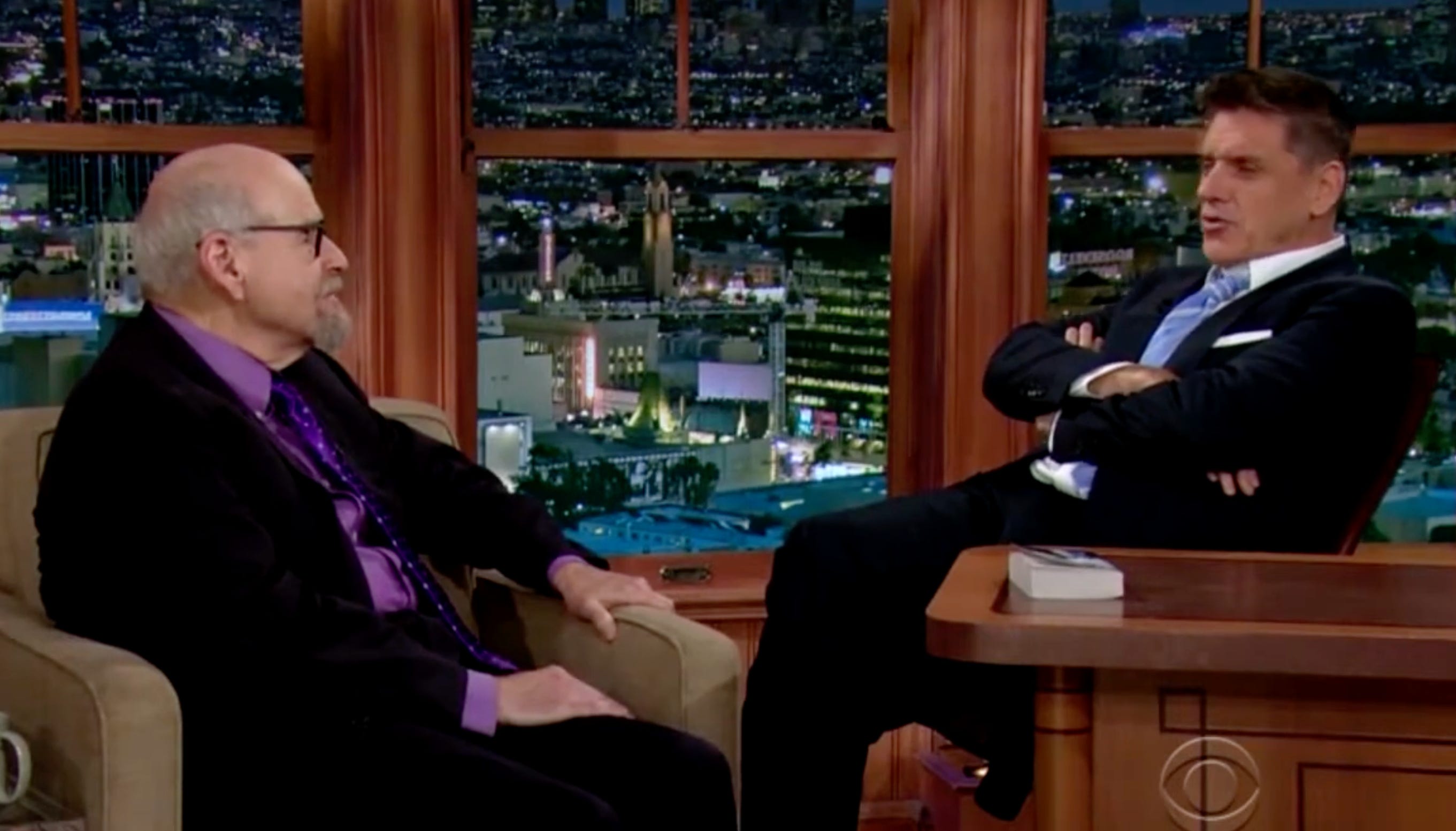
To be honest, I’m stalling. I interviewed the legendary crime fiction writer Lawrence Block and hoped to post the video on my usual Friday but it’s not ready, so I decided on a few more movie notes to continue my last post.
For a moment, picture a painting and a film screen side by side: two rectangles. I think that’s why so many visual artists are drawn more to movies than plays. The flat rectangle as a field of action as opposed to the proscenium, the box of a play. I like plays but I’m always waiting for the close-ups.
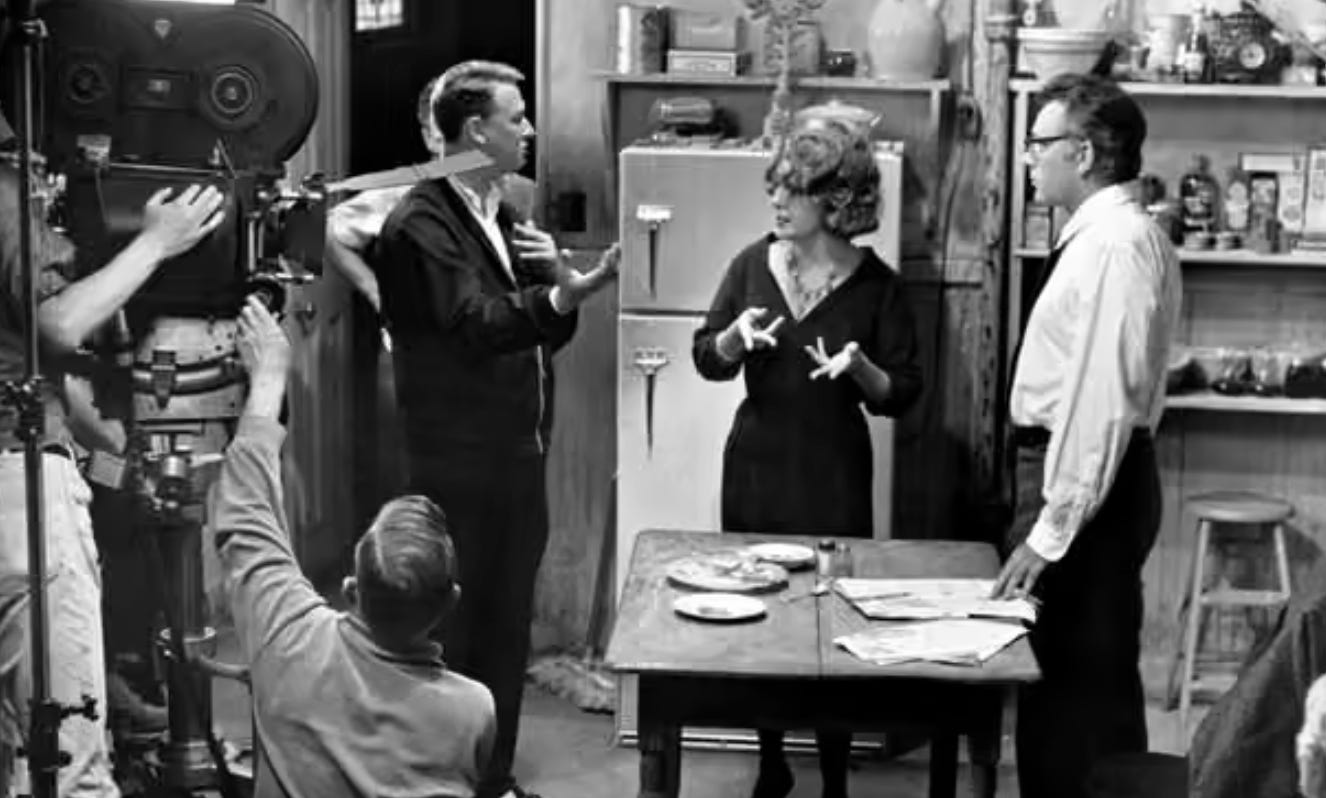
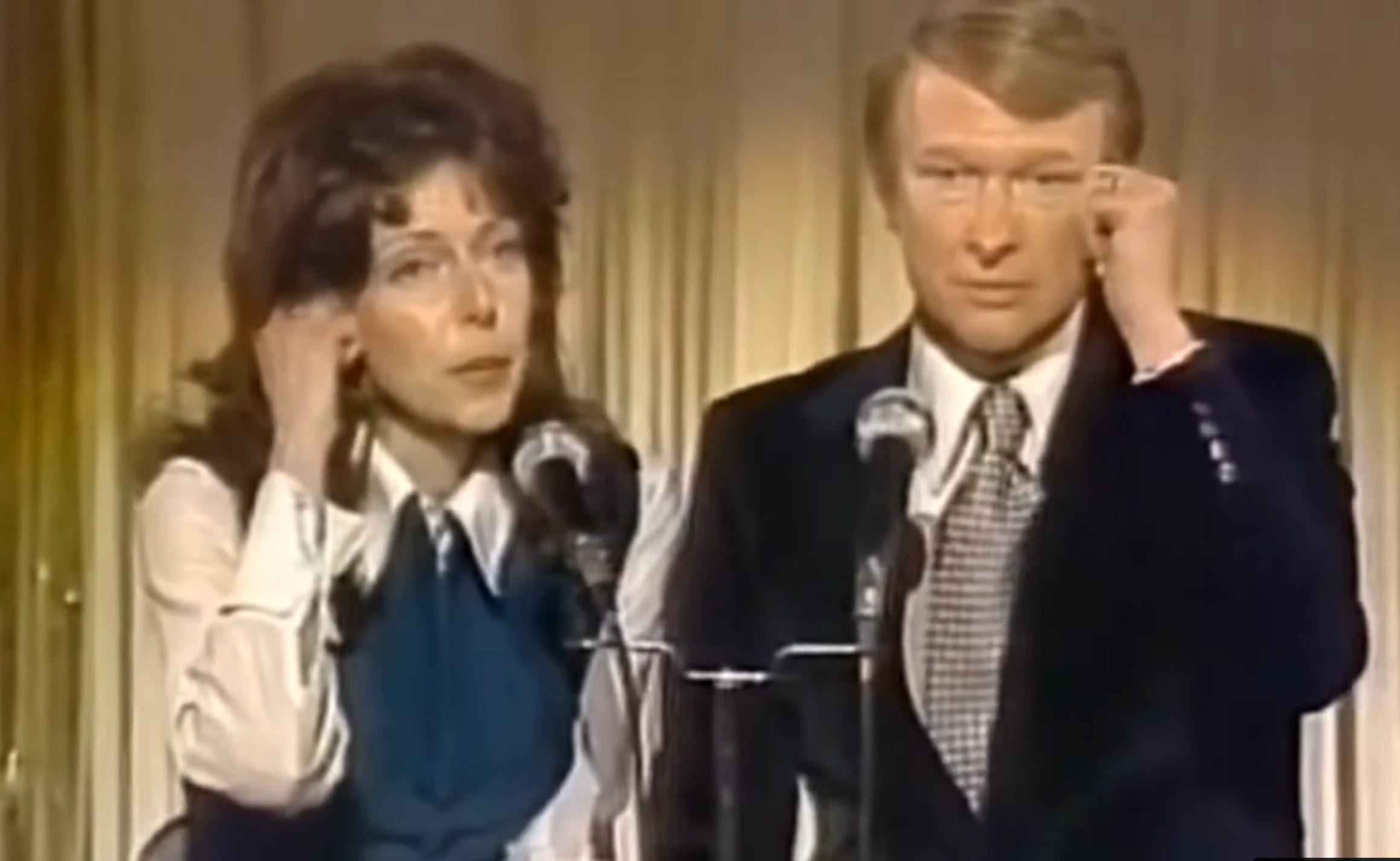
Mike Nichols. I wrote about him last time and I’m fascinated by him and his history, a German Jew fleeing Nazi German, coming to this country as a seven-year-old boy (one with alopecia too boot), unaccompanied by an adult, and creating himself, Igor Mikhail Peschkowsky, who became Mike Nichols, comedian and social commentator (with the great Elaine May), stage director, movie director. Amazing. (Also, said before, check out the excellent biography Mike Nichols by Mark Harris.) If there was ever an American success story—and an immigrant story—this is a great one. I am drawn to immigrant stories. Though my parents were born here, their parents were not.
The Graduate was only Nichol’s 2nd directorial movie (after Who’s Afraid of Virginia Wolf?) and another great film). Nichols originally wanted Doris Day to play Mrs. Robinson. I know what you’re thinking: No! But let the idea sink in a minute, the whole idea of playing against type: the girl next door as the sad alcoholic Mrs. Robinson. But Doris decided against it, afraid it would ruin her good girl image, and it might have (but oh, Doris, what a missed opportunity!) But also fortuitous because we got the unforgettable Anne Bancroft, brilliant and sexy (and only five or six older than Dustin Hoffman at the time playing the “older woman”).
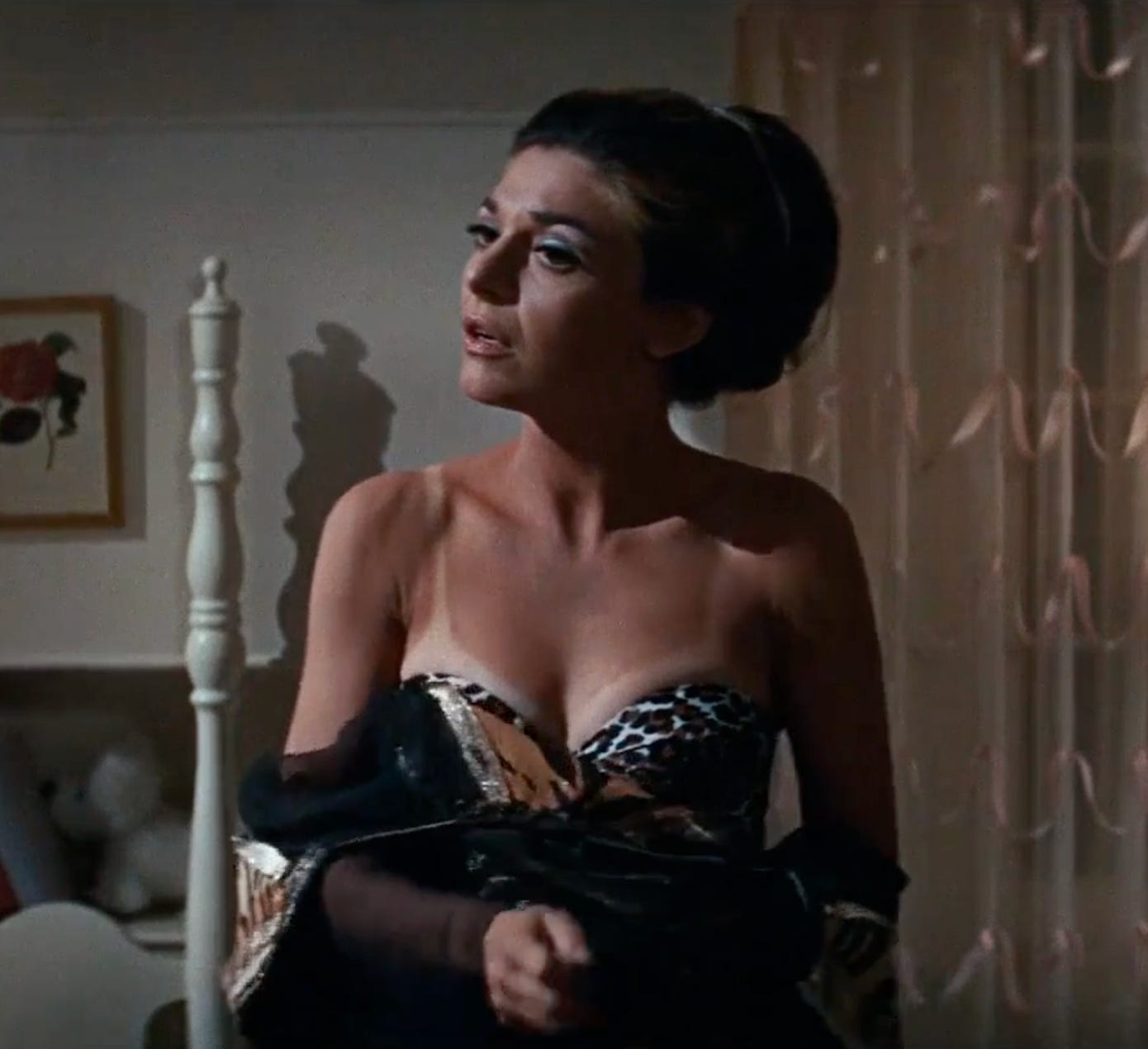
Watching that movie recently I found the depiction of Mrs. Robinson incredibly cruel. There’s not an ounce of sympathy afforded her. But note the décor of the Robinson’s house, their den, the bar, the art on the walls, and imagine describing it in a novel, all that perfect period 1960s detail).
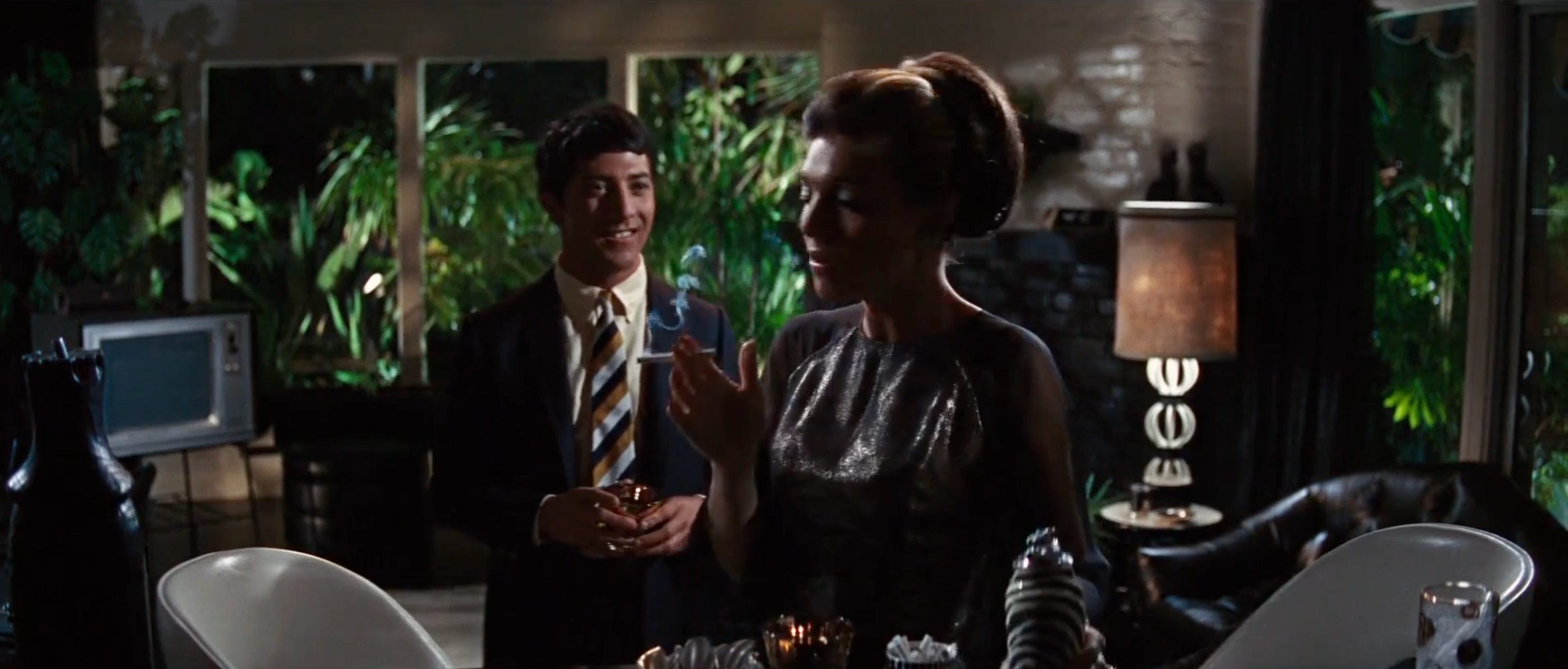
Nichols is always good with detail (look at the faculty house in Who’s Afraid of Virginia Woolf? Elizabeth Taylor said Nichols filled the refrigerator exactly as he imagined it should be, what he wanted her and the audience to see it when she opened it.
Nichols did very varied films never sticking to one particular genre. Working Girl is good and still fun, and Sigourney Weaver should have gotten an Oscar for her terrifically unlikeable performance. (Do unlikeable characters ever get Oscars? I guess we can say Hannibal Lecter is unlikeable and Anthony Hopkins did get an Oscar for playing him, so I guess sometimes they do.)
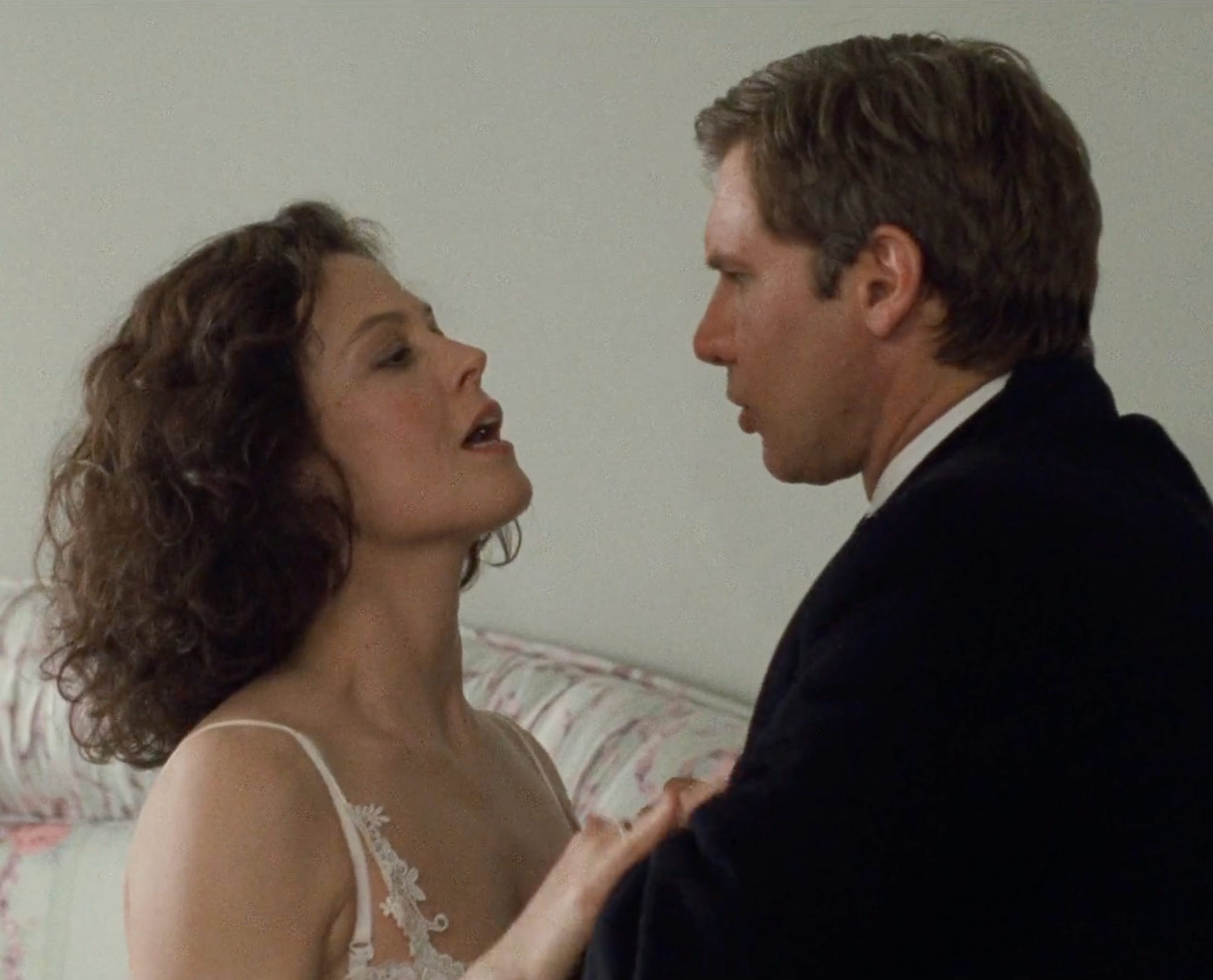
Side note that came to me, one of the great visual moments in Silence of the Lambs, when Agent Starling (the always terrific Jodie Foster) gets into the Quantico elevator with all those men, the contrast of her size and stature against theirs in one shot that says so much (imagine trying to write that succinctly and with as much punch).
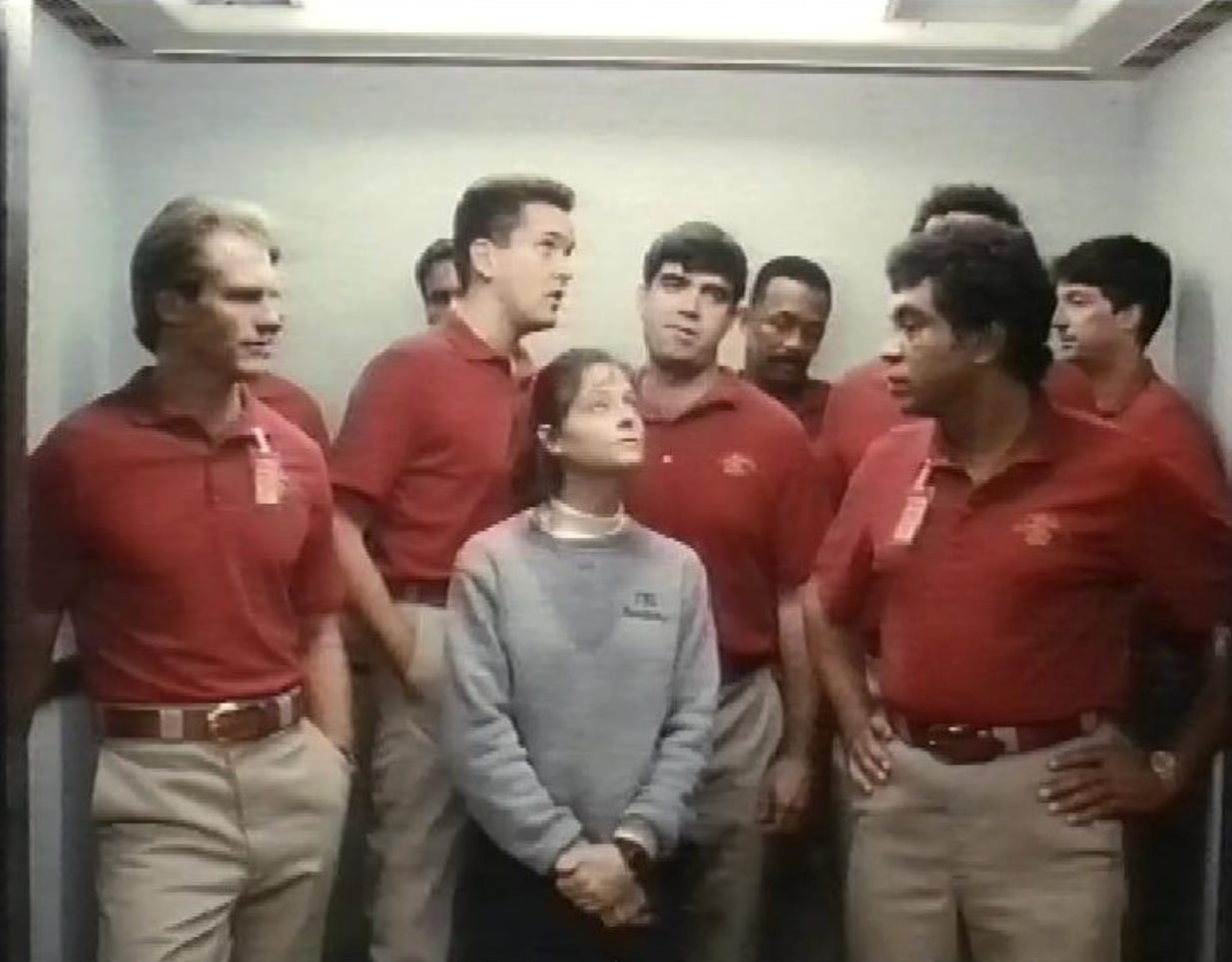
The visual detail in Working Girl, the hair and makeup for one, is over the top parody but striking and fun, and the contrast of the “serious” woman—less makeup, chic haircut, expensive simplified clothing—continues to play with stereotypes but Nichols makes it occasionally touching too.
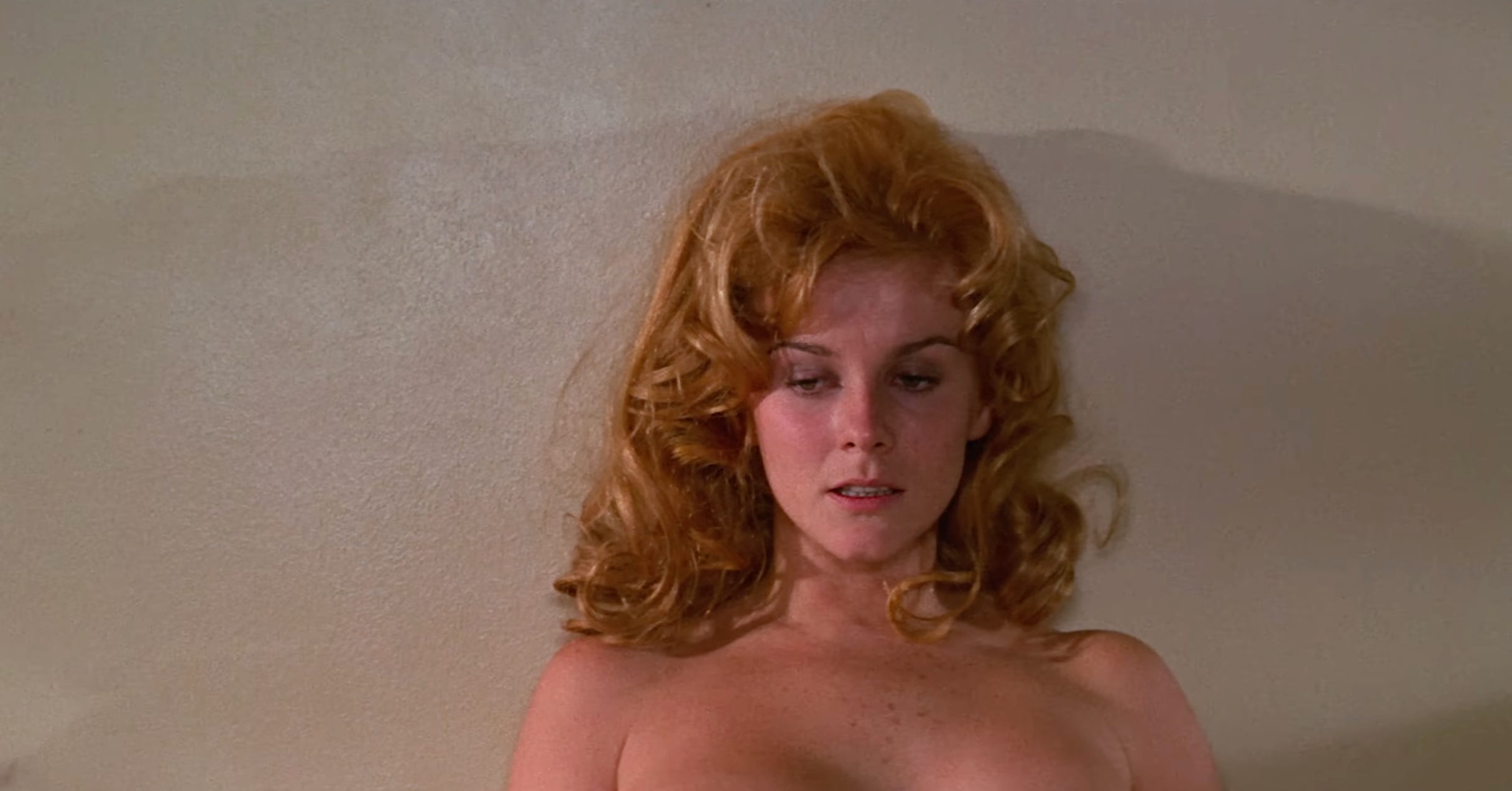
Then there’s Carnal Knowledge. Oh-so-depressing. But damn, Ann-Margret (great daring casting) should have won multiple awards. (Rumor has it that playing the part depressed her and you can see why). Film critic Pauline Kael, who didn’t much like the movie, commented that the film suffered from spelling out the dangers of neon in neon, a great line. But I like the idea that the form, the visuals, everything reflects the story, something that happens when I write all the time.
Why did this bring to mind a strange though somewhat hypnotic flop, John Huston’s film of Carson McCullers second novel Reflections in a Golden Eye (apparently the novel was a flop too after the tremendous success of McCullers first novel, “The Heart is a Lonely Hunter”). Huston makes the film visually arresting, giving it an overall golden hue. (Later, they Technicolored the film hoping it would help make it be a hit but I don’t think it did; it only made it look garish). It’s kind of a mess but read the book then watch the movie. You’ll wonder why they tried to make it into a movie at all. But Brando is good (if a bit campy) playing a closeted gay man, and Elizabeth Taylor has fun playing a sexual nincompoop, but Julie Harris, always good, has nothing to work with. Sad side note: Taylor made the movie for her good friend, the unbankable Montgomery Clift, offering up her salary as insurance to cover Clift, who died of a heart attack just before filming at age 45! That’s when Brando stepped in.
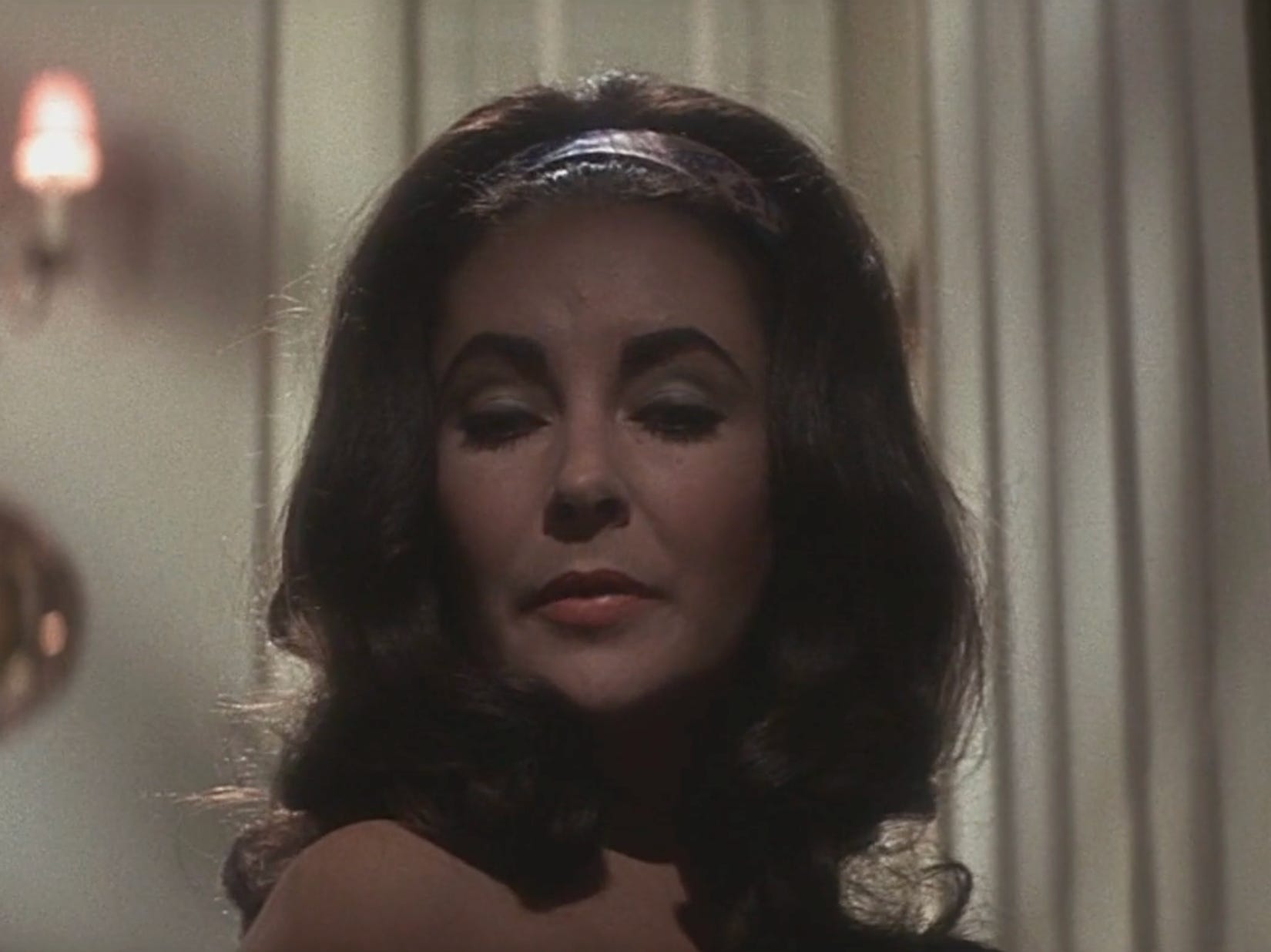
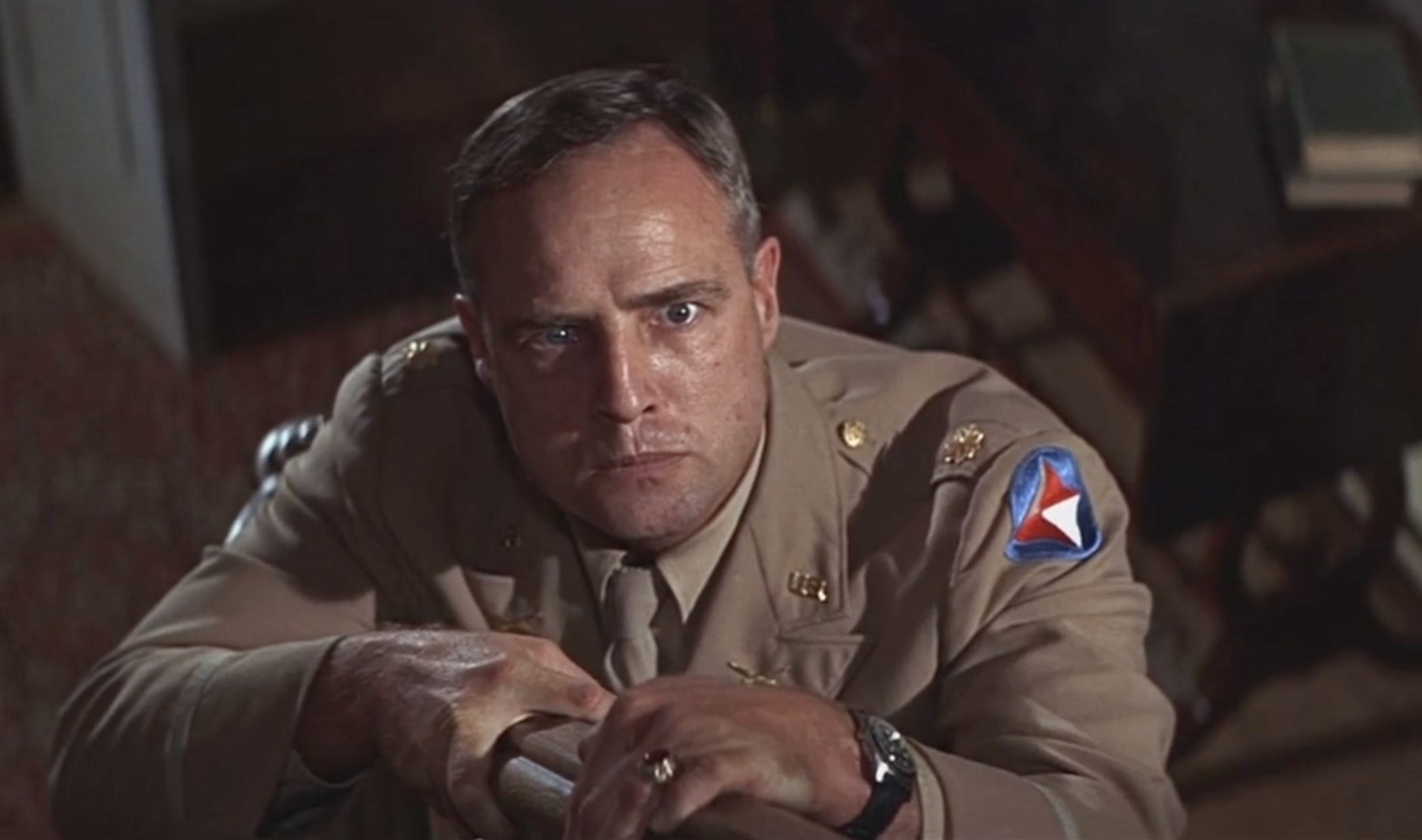
Like any good artist, Mike Nichols had major ups and downs and surely his share of big-time flops, The Fortune, Catch 22, an impossibly sprawling novel that would have worked better as a limited TV series, the way he made Angels in America, which is brilliant. He also made Primary Colors, Postcards from the Edge, Heartburn, Silkwood, Closer, The Birdcage, not a bad roster of films.
I was thinking about obsession the other day (because I’m writing about it) so I rewatched Vertigo. I also watched the currently streaming hit movie Obsession. I found it absurd but that might be generational (though Steven Spielberg supposedly liked it and he’s no kid.). Much of the obsession in Vertigo - Jimmy Stewart following Kim Novak in a car for long periods of time - probably contributed to it being an initial flop with viewers.
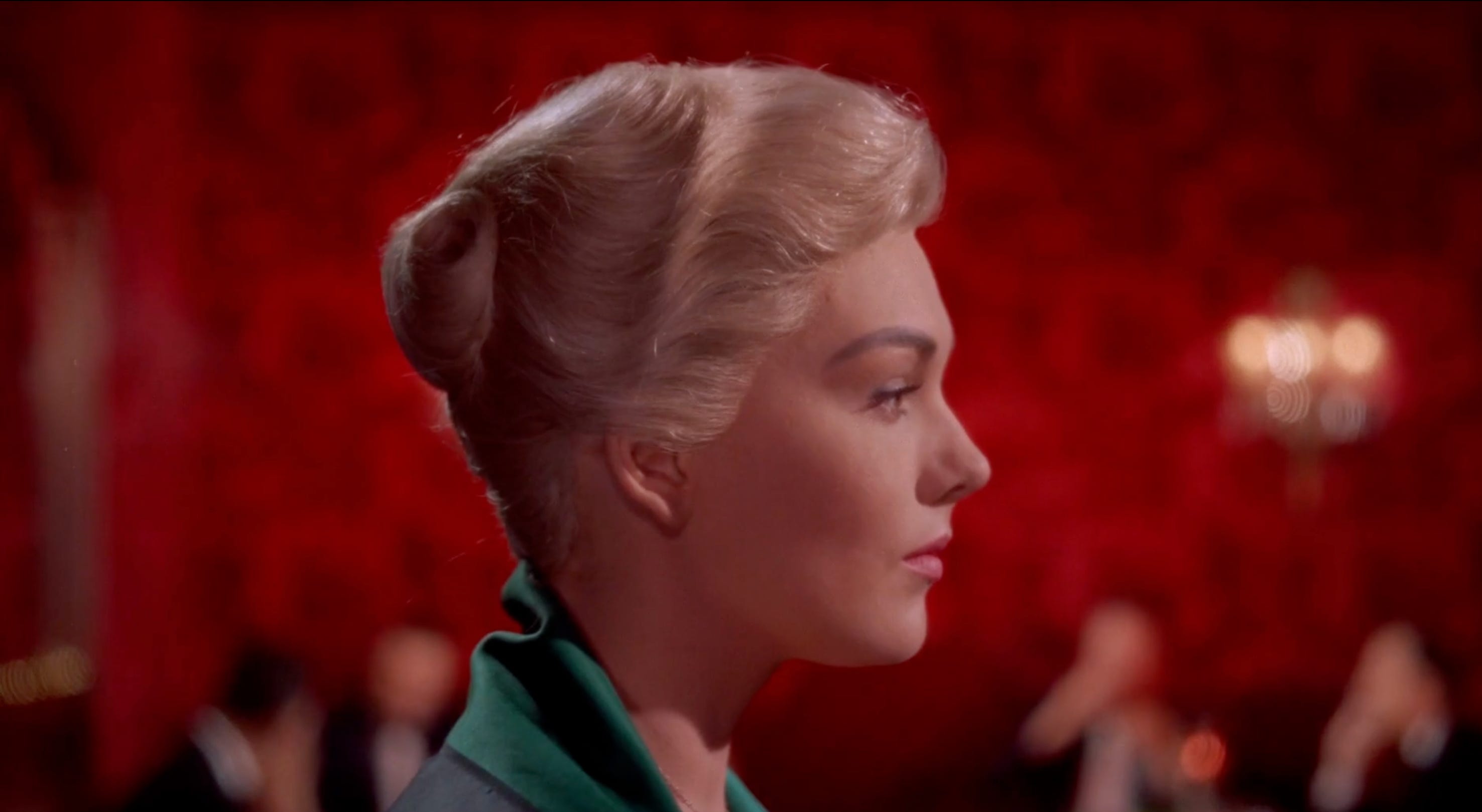
That, plus the downer ending. But I love it, and the visuals are stunning. The saturated red in the restaurant scene when Jimmy Stewart first sees Kim Novak (Roman Polansky used the same kind of saturated color in Chinatown’s restaurant scene, also great), and the way Hitchcock’s camera slowly tracks through the scene elegantly and with purpose so we are seeing it all through the antihero protagonist’s eyes. Beautiful. It makes me wish I were a filmmaker. But in fact, Hitchcock taught me so much about writing a scene visually. Of course Vertigo is all charade, something we don’t know for a while, so the entire artificiality of the film only makes sense later (perhaps another problem for viewers but kind of brilliant).
Because I am writing about film, I would like to write about Diane Keaton because we were friends but I’m not ready, her death still too raw. I was rewatching Body Heat the other night, which I originally saw with Diane, in a Manhattan movie theater when it first came out, and afterward, Diane turned to me and said (about Kathleen Turner), “A star is born, huh?” I said, “Yeah, I think so.”
Stay tuned for my zoom interview with the great crime fiction writer Lawrence Block.
No posts
Comments
Nothing yet. Say the first thing.
Sign in to join the conversation.