
Let me be upfront about something. I have a problem.
Not a problem in the sense that anyone is concerned. Not even I. A problem in the sense that there are, at any given moment, a significant number of cushions in my house. On the sofas. On the beds. On the chairs that definitely didn’t need cushions but have them anyway. It has become something of a signature at House Nine - in my own home and across every project we work on - and I am not remotely sorry about it.
Because here’s the thing about cushions that their detractors - and yes, they exist, and yes, I’ve met them - consistently miss. They are not just soft things to sit next to. They are one of the most effective, most affordable, most low-commitment tools in an interior designer’s kit. And I will die on this hill. Surrounded by cushions.
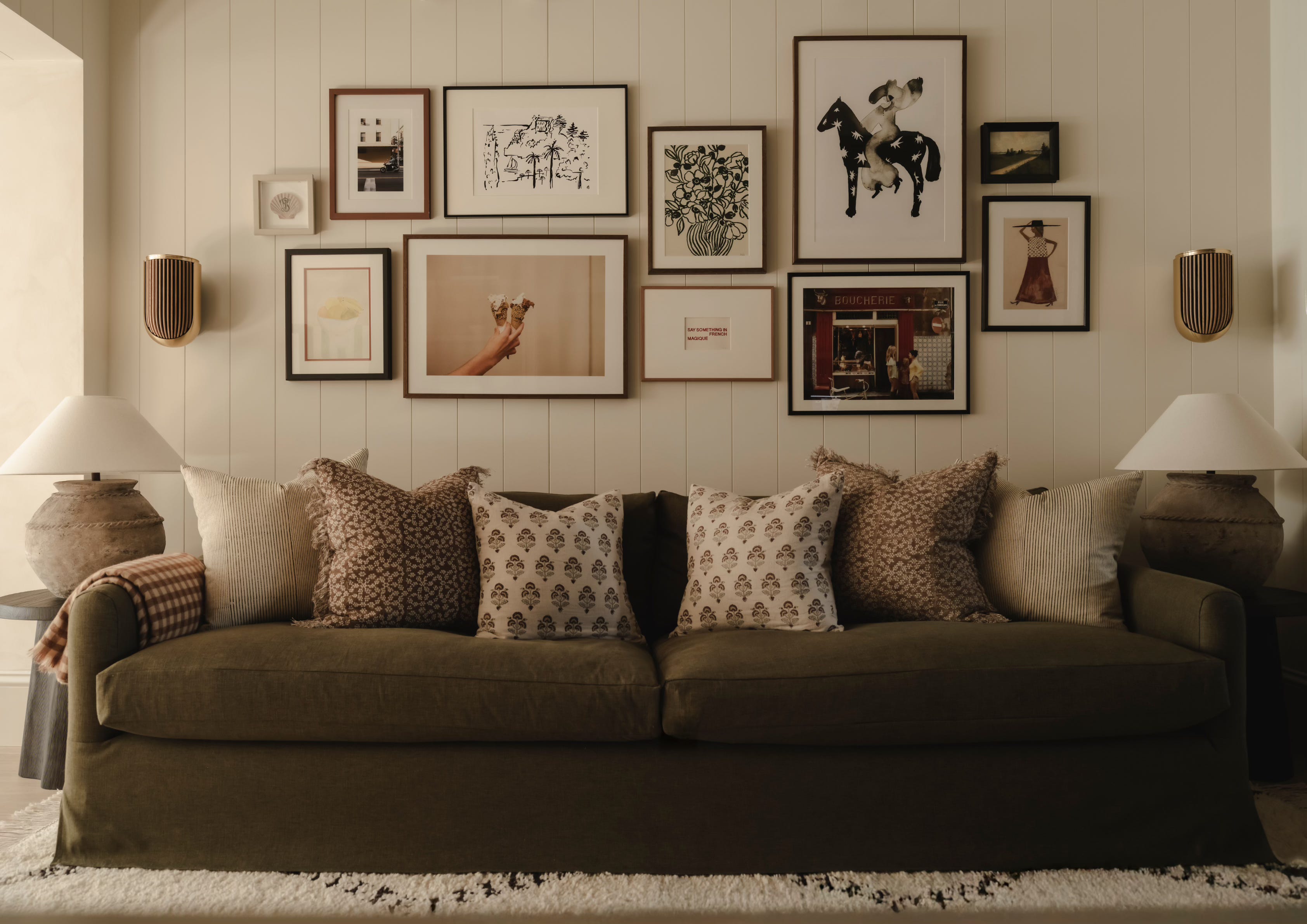
A room without cushions is a room that hasn’t quite finished getting dressed. They add layer. Texture. Depth. That quality that makes a space feel considered rather than simply furnished.
In our projects, cushions are often one of the last things to go in and consistently one of the things clients react to most. It’s the moment a sofa stops being a sofa and starts being a sofa that belongs in that room. They pull colours from a rug, echo a tone in the curtains, introduce a pattern that the rest of the scheme has been quietly building towards. They do a lot of heavy lifting for something you mostly just sit next to.
They also, obviously, add comfort. But it goes beyond the physical. A well-dressed sofa or bed signals that someone actually lives here, that the space is loved and inhabited. Cushions do that quietly and efficiently.
Colour and pattern. That’s where cushions really come into their own.
Not every client is ready to commit to a bold fabric on a sofa they’ll own for a decade. Not everyone has the budget, or the nerve, for statement curtains or a wallpapered wall they might regret by Tuesday. Cushions are how you have that conversation with colour without signing anything. They’re temporary. Changeable. Relatively speaking, cheap. A couple of beautifully chosen cushions can do more for a room than almost any other single purchase at the same price point.
We use them constantly as a way of introducing pattern into a scheme that might otherwise feel safe. A neutral sofa becomes interesting. A bedroom that needed something becomes a bedroom that has something. It’s one of the most affordable ways to elevate a space, and as a designer, I’d rather spend money wisely and use cushions to do the talking than blow the budget on upholstery a client might tire of.
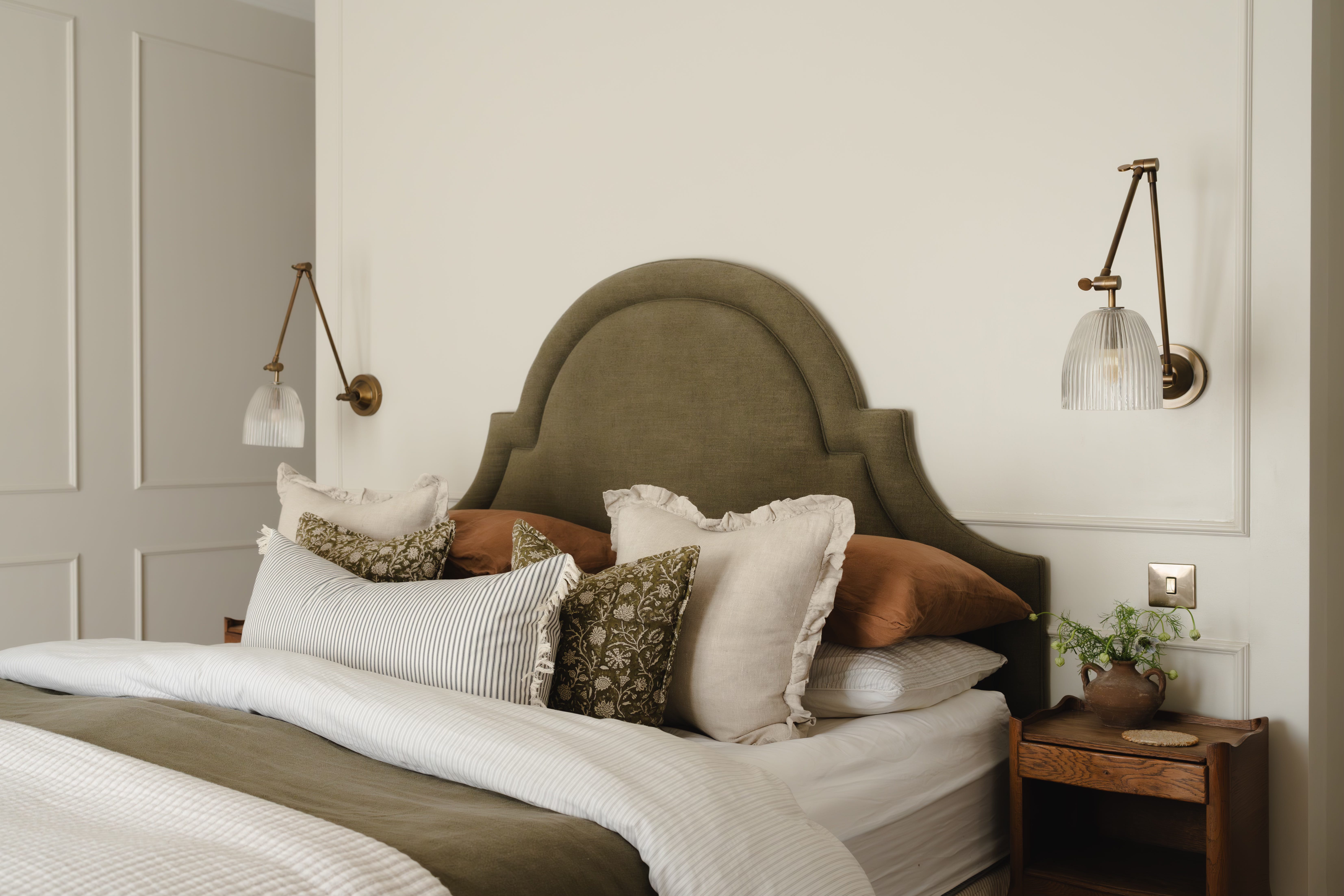
There is a school of thought that says less is more when it comes to cushions. One or two per sofa, tastefully placed, nothing too chaotic.
I respectfully disagree.
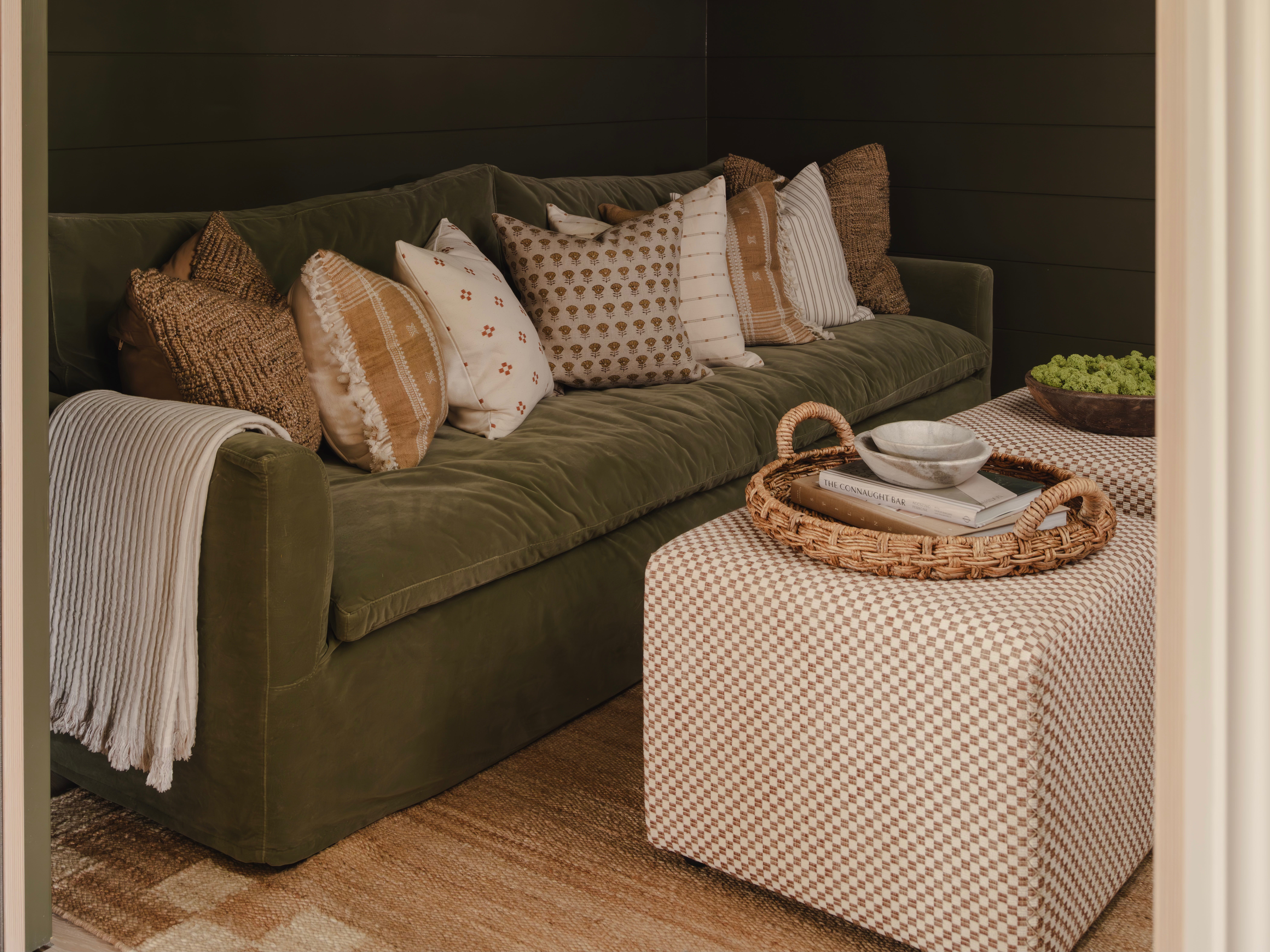
More is more that often not, well, more. Different shapes - a good mix of squares, rectangles, the occasional bolster if you’re feeling adventurous. Different textures - linen next to velvet next to something with a little embroidery or fringing. Different scales of pattern. The key is to find your common thread - a colour that runs through them, a mood they all share - and then layer confidently within that. This is something we do on every project: the cushions are never an afterthought, they’re part of the brief from the start.
They know who you are. And I am not afraid to say, it is mostly our husbands. They’ve told me cushions are pointless, impractical, just something to throw on the floor at night. That they serve no purpose.
To which I say: neither does a beautiful painting. Neither does a candle you light for an hour on a Thursday evening. Some things exist to make a space feel good. That is purpose enough.
So I want to know where you stand.
Are you a cushion person - or do you think I have gone too far?
Tell me in the comments. I can take it.
These are the brands and pieces I actually use. In client projects, in my own home, and on the wishlist for the new build that is currently giving my cat an existential crisis.
Comments
Nothing yet. Say the first thing.
Sign in to join the conversation.