
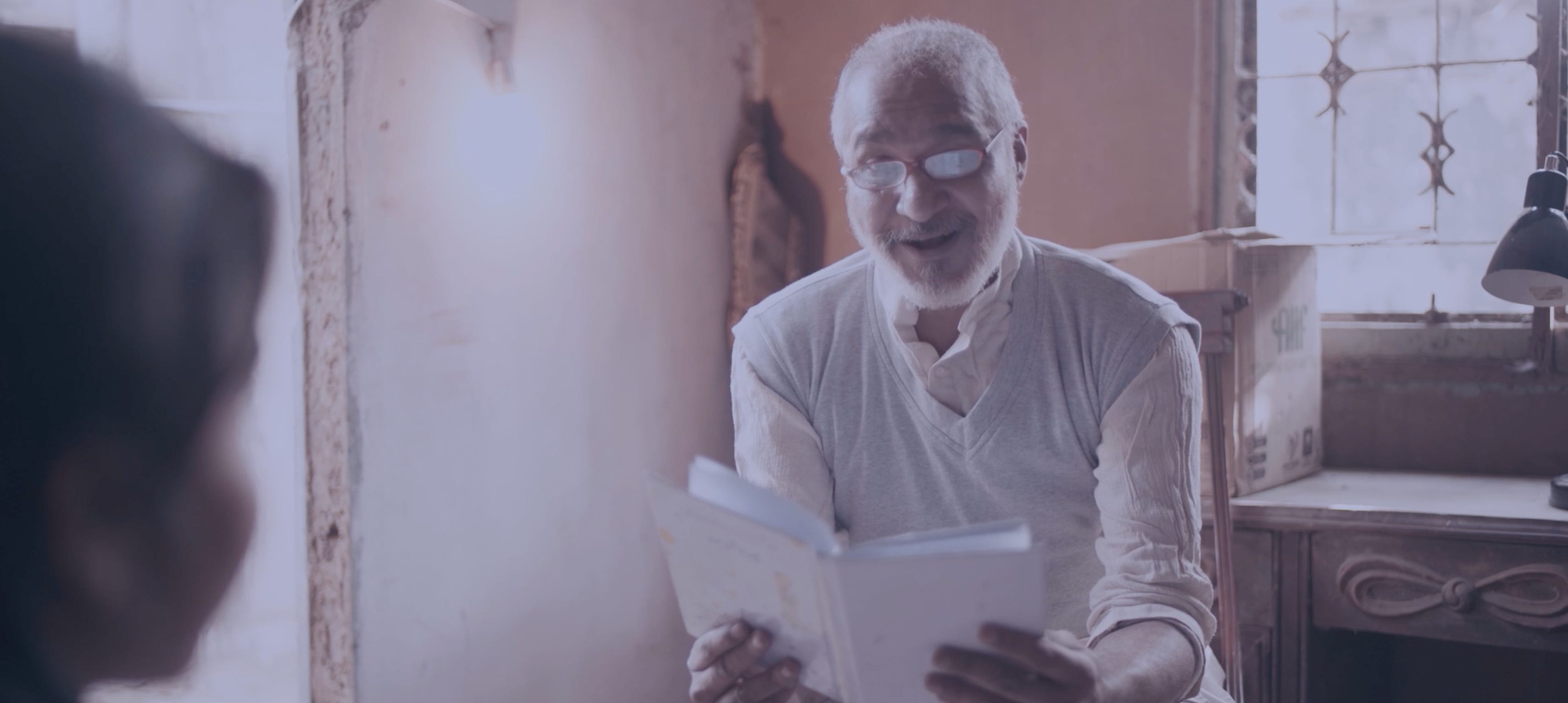
“Ramz” by Daniyal Najam is a short film about an elderly man, Saleem, forced to shut down his bookstore in the city and therefore, move back to his village. Ruffling through the books he brought back, is a young girl, Amna, who works in the house. It seems that she’s unable to enjoy the words on the page. But she wants to. Saleem reads to her, animating the story. Amna gathers the children of the village and asks Saleem to read to them. The grass and trees the children know as part of rural life gains a new meaning in the form of a classroom. While it appears nothing short of entertainment, the act of Saleem’s reading to the children plays a significant role in their development.
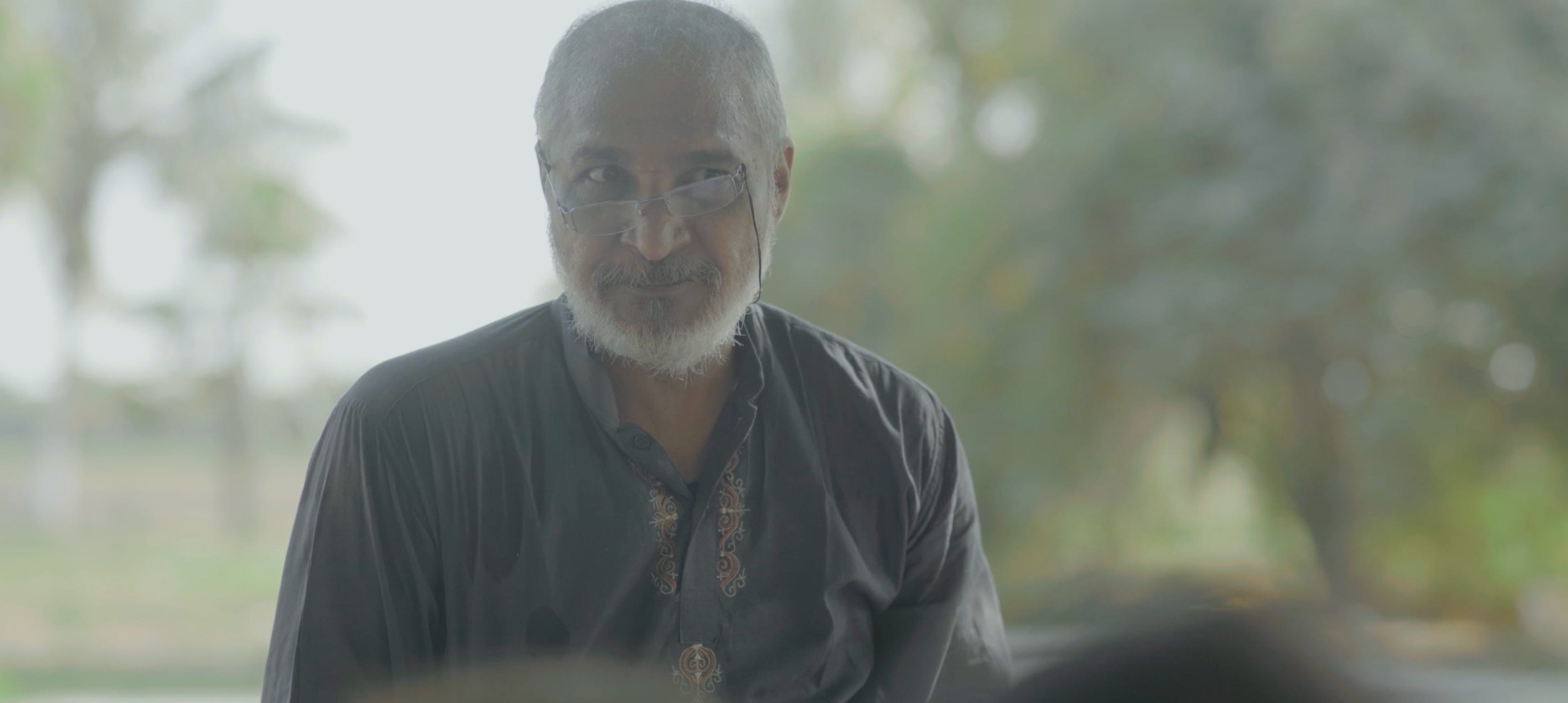
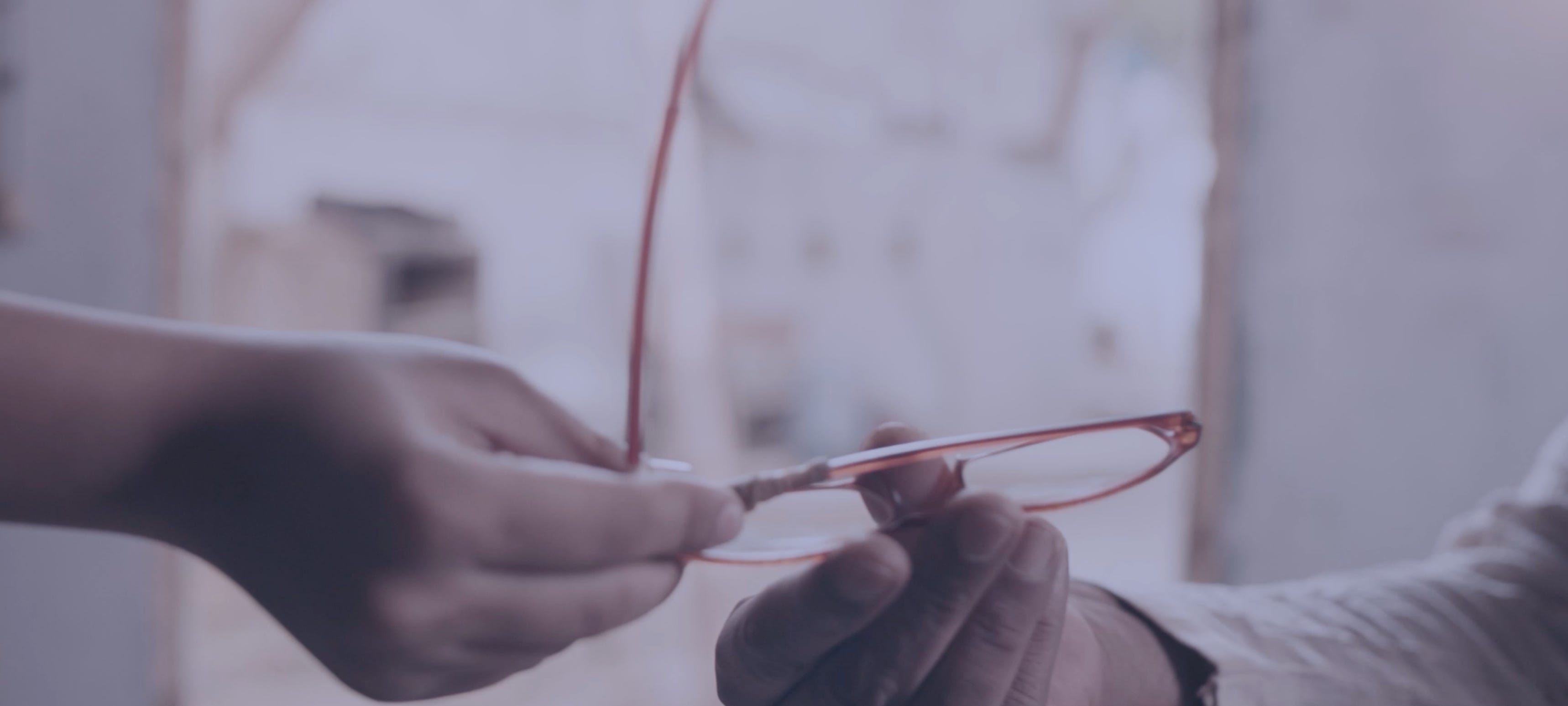
The word “ramz” in Urdu, meaning “sign” or “hint” is laden with meaning for its literal metaphor in its film as much as it is for the nature of the word itself. The word is often used to describe the impact had by deft, complex poetry. It may also mean “allusion” or “gesture.” In Najam’s film, the visual of Amna handing Saleem his reading glasses represents the new lease on life that she grants him. Since moving back, Saleem has only worn the glasses to read for himself. The status of a learned person is given back to him by the request that he keep sharing stories. Whether it is through. the books he spent all day surrounded by or the narratives he delivers by his voice, Saleem is still a keeper of stories. Further, the city is as deserving of his talents as his village.
As part of the diaspora, the first question I had about the film was in knowing the prevalence of storybooks for children were in Pakistan. “Ramz” seemed to imply that children in villages rarely have access to adults who read to them. It seemed as if they were never read to in any manner, as they did not know what to expect before Saleem began reading. It is different to be literate and to have an appreciation for literature, which at its heart, is a privilege. Repeated exposure to books and encouragement are key to fostering appreciation in literature. As reading plays a role in children’s “analytical, reflective, and evaluative thinking abilities” (Nurtanto), the ability to do so creates potential to access to future employment opportunities. The lack of the ability may signify an obstacle in upward mobility. While Saleem does not actually read to children, the film’s message is that he inspires them to take the first step. After all, his first instinct was not to teach Amna which letters represents what word, but to implore her on how much is actually on the page.
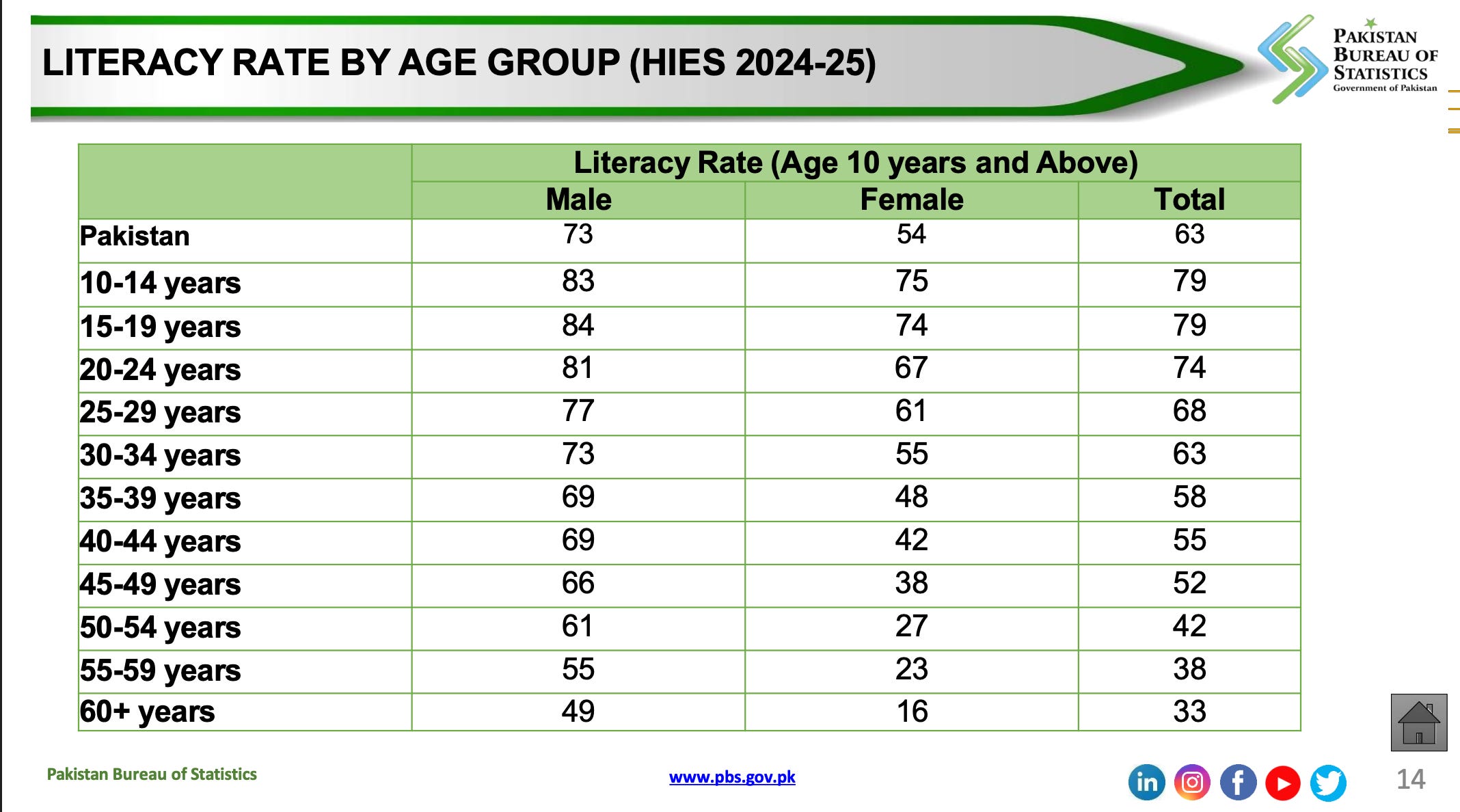
Pakistan Bureau of Statistic reports that literacy rates are above 63% for the entire country. Other sources cite that literacy of adults in Pakistan is less than 60% (WorldBank & Statistica). Either way, Pakistan’s literacy is still the lower than other South Asian countries (WorldBank), but the rates have been improving. Those over 10 have increased literacy from 60% to 63% between 2018-2019 and 2024-2025, with those in the 10-19 age range containing the highest (79%) among any other. The discrepancy between girls and boys is as much as 8-10%. While there is room for growth in addressing the discrepancy, rates for girls in this range are twice that of those 45+ years old where the gender disparity is 33%.
Najam shows an equal balance of girls and boys prepared to read. Hopefully their generation will continue the path of increased literacy for all.
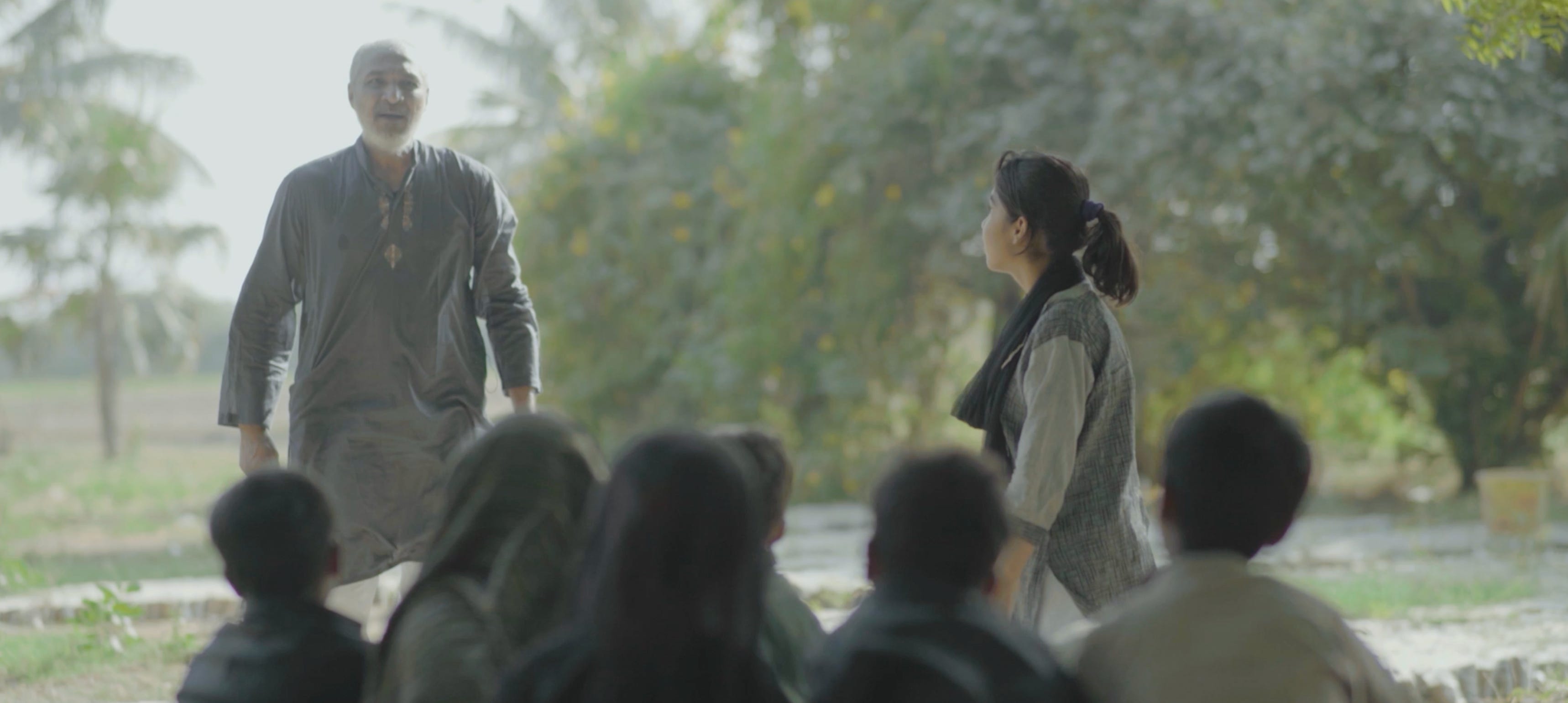
While “Ramz” only shows the differences in the environment’s impact on Saleem, the audience is left to their imagination when it comes to comparing literacy of children in the city compared to the village. It is clear that the children do not only enjoy being read to, but find it rare or at least novel. Literacy levels are highest in Punjab (~60%) and lowest in Balochistan (~49%), implying that harder to reach areas may have more difficulty in receiving resources related to education. However, those in Balochistan appear to have similar levels of internet connection and phone ownership as those throughout the country (40% compared to an overall 50%), enabling access to educational digitally. Still, 40% more men have phones than women, perhaps explaining the current gender gap in literacy. In that, there is another film.
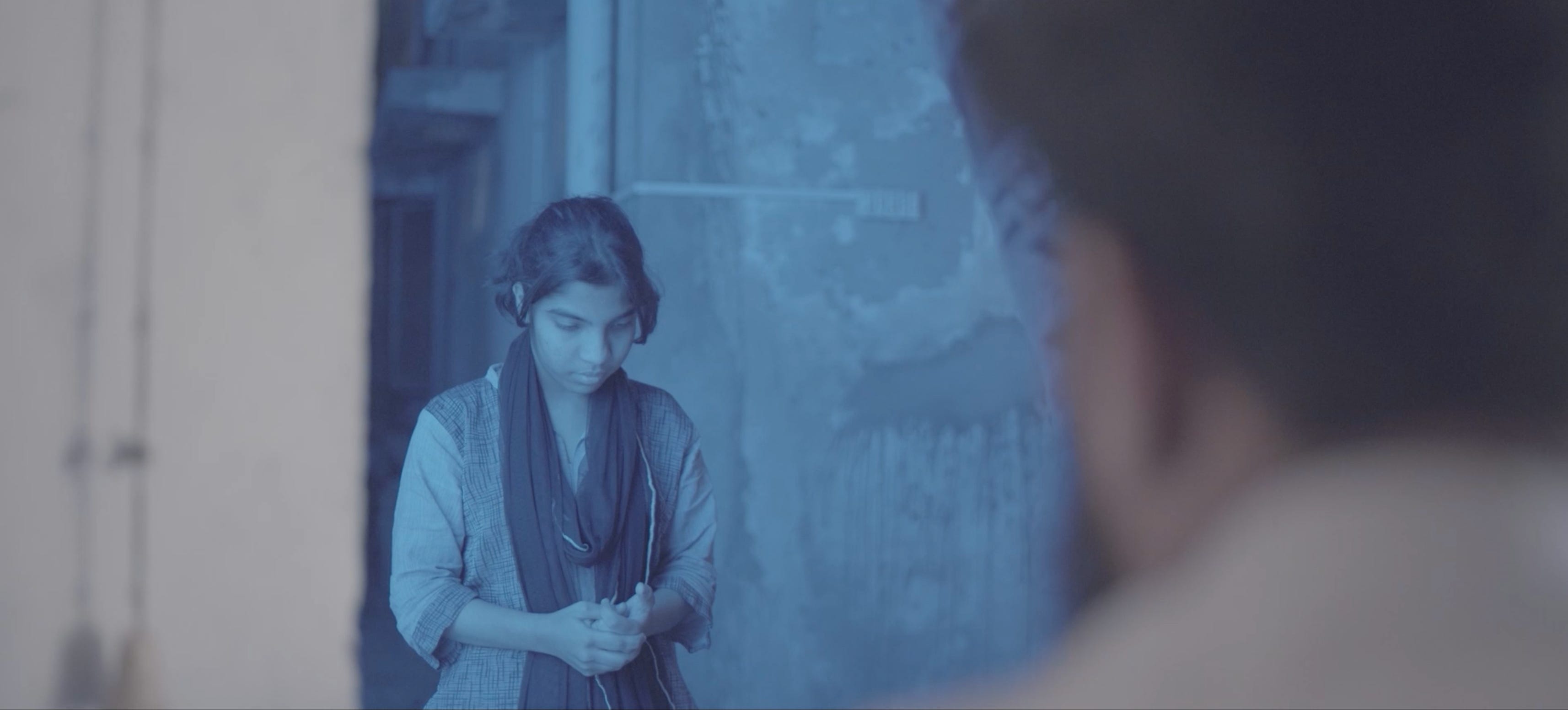
As poetry often evokes complex meanings in a short form, Najam’s short film lives up to its title. “Ramz” encourages viewers to look into the landscape of literacy in Pakistan as much as it asks them to pay attention for just a few minutes. While conversations on literacy evokes dreams of upward mobility, the film does ask viewers not to consider village life suboptimal. It is presented as the turning point for Saleem, who otherwise cannot see a place for him, or for books in the village (he keeps most of his boxed away). There is value to reading beyond the monetary compensation it may promise later in life. Reading improves health and emotional wellbeing, a glimpse of which we see in the children’s faces through Saleem’s infectious enthusiasm for it. If the city does not value the resources it is privileged to have, the village is no worse off.
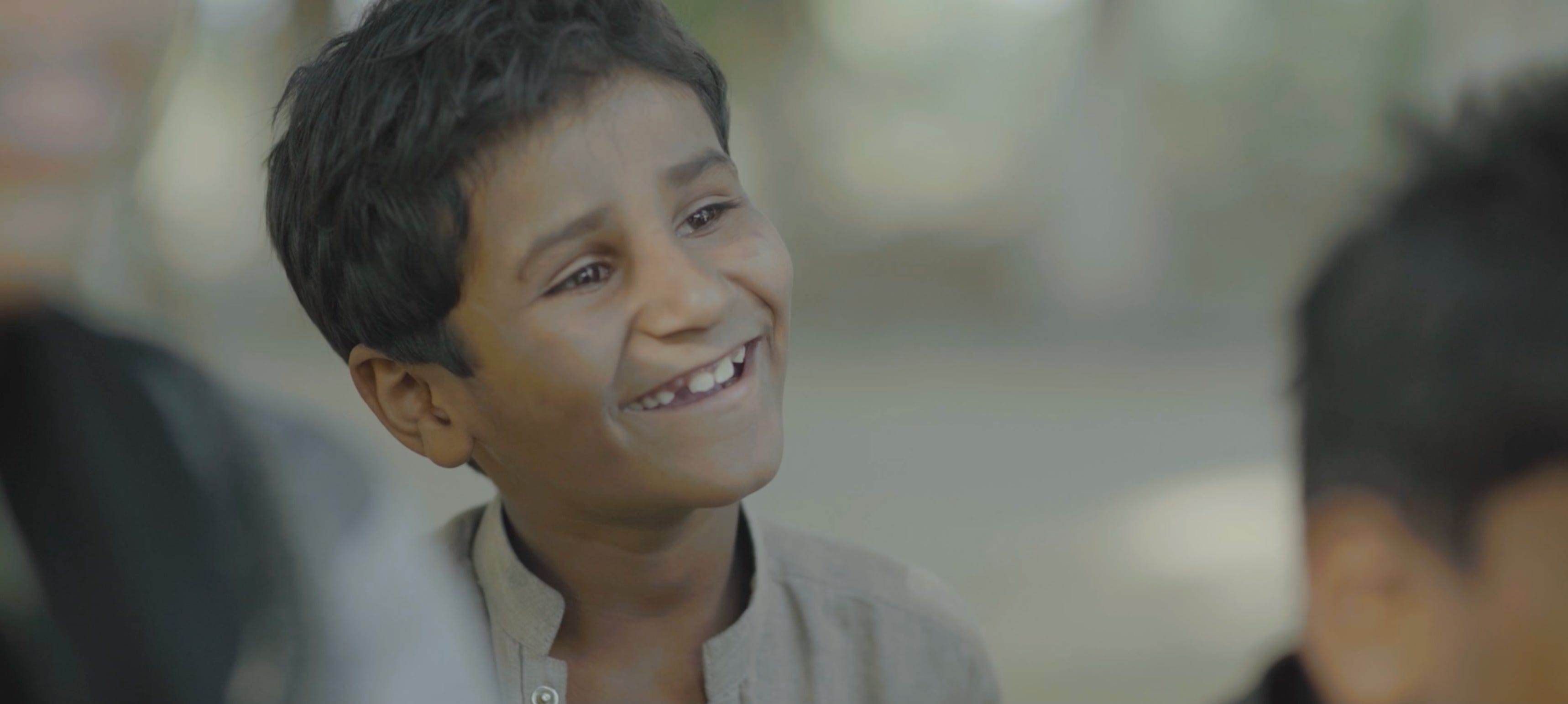
Watch “Ramz” directed by Daniyal Najam on Joja Entertainment.
Sources:
Literacy and health: “Reading for life-long health” by Kaiulani Shulman et. al https://pmc.ncbi.nlm.nih.gov/articles/PMC11303134/
Literacy and improvement of vocational skills: “A Systematic Literature Review on the Impact of Reading Literacy on Students’ Critical Thinking Skills in Vocational Education” by Muhammad Nurtanto et al. https://files.eric.ed.gov/fulltext/EJ1494676.pdf
WorldBank data on literacy in Pakistan: “Literacy rate, adult total (% of people ages 15 and above)” https://data.worldbank.org/indicator/SE.ADT.LITR.ZS?locations=PK (Pakistan)
Statistica data on literacy in Pakistan: “Pakistan: Literacy rate from 2006 to 2019, total and by gender” https://www.statista.com/statistics/572781/literacy-rate-in-pakistan/?srsltid=AfmBOooCc3JB3MXqby1Qv_i-5VH7panpi3UCkBDEfSPkt5ucAaOl6Xw4
WorldBank data on literacy in South Asia: “Literacy rate, adult total (% of people ages 15 and above) - South Asia” https://data.worldbank.org/indicator/SE.ADT.LITR.ZS?locations=8S (South Asia)
Pakistan Bureau of Statistic covers facets of literacy throughout difference provinces in Punjab for 2024-25 in comparison to 2018-2019: “Household Integrated Economic Survey (HIES) 2024-25” (Pakistan Bureau of Statistic) https://www.pbs.gov.pk/wp-content/uploads/2020/07/Final-Results-Presentation-HIES-2024-25-website.pdf
Comments
Nothing yet. Say the first thing.
Sign in to join the conversation.