
What would you say if it was your last day on Earth?
A writer I follow, Matt Sygrdal, recently posed this question and it really stirred me - most of all because I couldn’t find any words.
This was surprising. I’m a pretty verbose dude.
Yet when it came to one of the most important questions ever asked, I found myself mute.
I recently finished listening to Season 2, Episode 1 of The Telepathy Tapes podcast on Near-Death Experiences, and similar to the whole first season, this episode had me literally balling - however, in the broken-open emotional rather than gangster way… although, there is something pretty gangsta about a grown man ugly-crying over life’s miraculous beauty.
However beautiful, death can also be pretty damned scary… such one of my earliest memories, of being 4-years-old and realizing that death was like, a thing.
I remember running around the upstairs loft of my childhood home, frantically looking for somewhere to hide, yet simultaneously being unable to hide anywhere - for I knew, in that realization, that I was going to die, and there was nowhere I could hide from death.
That’s a lot for my 4-year-old self. And apparently all the spiritual work I’ve done hasn’t quite cracked the death code, because death is still a lot for my near-40-year-old self.
Yet listening to these NDE accounts on the podcast deeply touched me — especially how often folks from the other side are so concerned with letting their loved ones know that they are okay… that death is not the end… that it’s not some painful portal of obliteration where we lose connection to love and those we love.
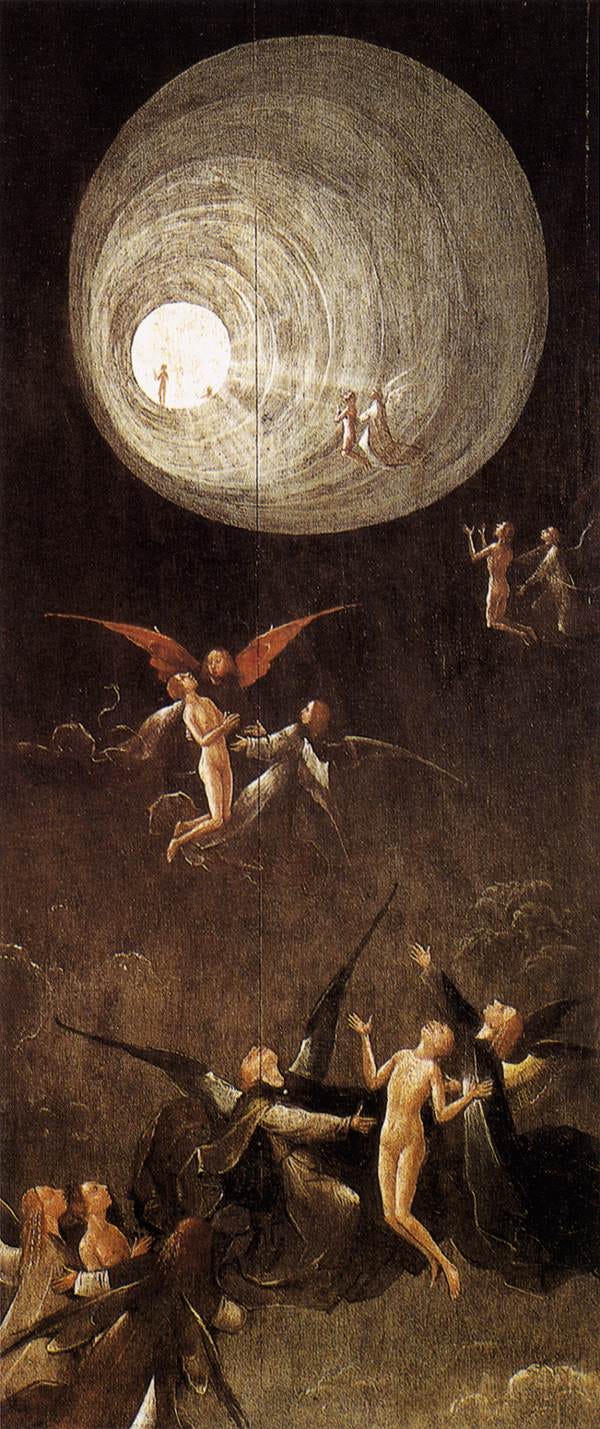
That communication beyond our bodies is possible.
That’s the central claim of The Telepathy Tapes — that consciousness is the non-local bedrock of existence, a degree of being more foundational than the atom, the literal substrate of everything.
This paradigm is all really trippy and beautiful.
I went to a talk recently here in Boulder on the Bioregional movement, where a core question was raised: how do we compost the dying systems and fertilize the regenerative ones, in the relatively short window where there still are resources to shift over, before the consequences of earth-scale human extraction smack us completely in the face?
I live each day in the tension of that paradox. Knowing that hyper-individualist capitalism is failing, and yet — after years of attempting to leap-frog my way into grounded regenerative village life — I’m currently trying to participate more in the capitalist game so I can actually have enough stability, health, and self-resource to meaningfully contribute, in a not-codependent way, to the many necessary community experiments I see paving the way for humanity out of this mess. (More on these visions in future essays)
And so I breathe deep and balance myself as best I can in the current necessity of spending long days at my computer, building hilariously short-term infrastructures (yet sturdier than anything business-wise I’ve built before)… so I can live into the prayer of paying my rent each moment in a reliable and not stressful way.
And I see this grounding down phase of compromising on some younger idealisms (such as that I’d never pay rent again) as a maturation ultimately towards the big dreams that the Earth has called me toward.
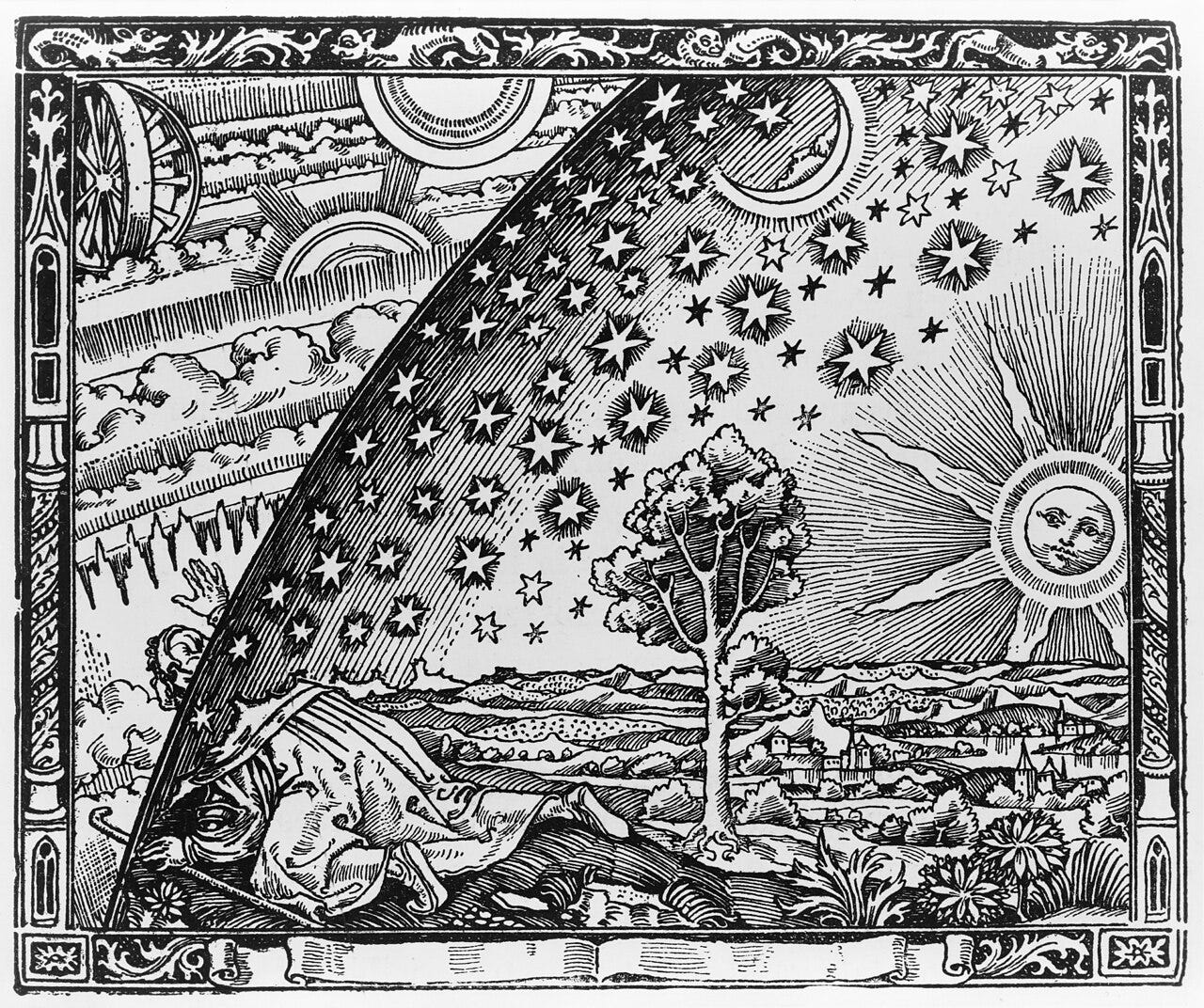
In my younger years, when I wasn’t yet able to hold the tension of paradox, I was high on vision.
Fresh from making the film about the Tamera Peace Research Village in Portugal, I assumed I could essentially leap-frog my way into starting some North American version of Tamera — when in fact, I had to spend the last decade failing miserably and beautifully to realize that it would take a group of soul-initiated human beings to actually cohere enough, and partner with life through emergence, to really ground a village. Seeing together that perhaps village was never the goal… culture was… village is just the side effect.
As the gap between my dreams and my current reality widened, I finally accepted that waiting to really be present with life - waiting to “live the dream” - was a faulty premise. The wait would be a lot longer than I’d reckoned.
And so I’ve been led into the uncomfortable paradox I feel is so central to the human experience - of being stretched between earth and sky - of being stretched between, as my dear friend Noa once sang to me, there is nowhere to get to, and yet so far to go.
There is such immense visioning work needed now - and I personally hold such profound, deep, bring-me-to-my-knees-when-i-speak them visions - yet part of manifesting them isn’t waiting “to get there” to live them…
This is the moment I return to the wisdom of my Hebraic ancestors and the most profound part of our creation mythology: after six days of creating the world, the Creator rested and simply basked in the perfection of creation.
This story set forth a certain type of core life architecture for the Jewish people (and for many Muslim and Christian ones as well) of what is now known as Shabbat, or The Sabbath.
In my deepest understanding, Shabbat is this: after spending six days of the week working to do Tikkun Olam - to repair the world, to work toward our beautiful dreams of a regenerative future - on the seventh we stop and do the deep work of existing as if the world is already healed…. As if those dreams are already manifest.
The cultural technology of Shabbat is not just about rest. It’s about learning to live in the vibrational frequency of what we’re trying to create, as a core part of how we create.
Perhaps this ancient wisdom is pointing us toward remembering that the transition to a regenerative world will happen through our capacity to allure, attract, and essentially seduce that reality into being.
This is tough for us anxious modern humans who deeply believe that the ends justify the means, that we must work and toil and martyr ourselves to really succeed. When in fact it’s this very martyrdom that is the world-destroying essence of non-regeneration.
And this is tough for us humans who’ve been given the profound capacity to imagine, to dream, to vision, to see better realities.
We know deep in our hearts that a more beautiful world is possible - and we know the clock is ticking on the current planetary-wide ecocide for as my teacher Stephen Jenkinson once said, there is such a thing as too late.
The most remarkable thing about Near-Death Experience accounts is perhaps not the heavenly, otherworldly bliss people encounter. It’s that when these folks come back and re-begin life on this side of the veil - they are permanently changed.
In that sense, NDEs may be the highest form of initiation possible, the thing many initiation rites across cultures are modeled after: a contained encounter with death.
But what’s really going on underneath the hood that actually forever changes folks?
I think it’s this: trust.
What NDEs engender - and what my own many close calls with death, betrayal, utter failure, and wicked heartbreak have slowly engendered in me - is a profound trust of life.
The type of trust that re-orders the psyche, bringing soul to the center and a certain type of inhabited faith, that even in the worse-case scenario of our demise..
we’d still be okay… Connected… Beautiful.
This was the consciousness of Etty Hillesum, singing as she went to the trains that would deport her to the gas chambers.
The consciousness Viktor Frankl documented as key to surviving the death camps in his seminal work, Man’s Search for Meaning.
And it’s the consciousness we observed in the Tamera Healing Biotope, which led us to center our film, The Village of Lovers, around the question: What does it take to regenerate trust?
You don’t need to watch the film to find out…
the answer is culture.
It takes a healthy culture holding us for us to actually inhabit and regenerate trust as a way of life (I guess we can’t count on NDEs being the saving grace for most folks).
So if we’re not going to attempt a mass-scale NDE — which many would argue is exactly what humanity is doing right now, with climate chaos, mass extinction, and impending collapse all colluding — then we must do the slow work of regenerating culture.
And despite what folks at the new-age, cacao-sippin’, medicine hat-wearing, hippie-heart all-white song circle I was at last Sunday for Solstice might think, I’d argue this work begins in the depths of our own gnarly ancestral roots.
When we reconnect to the wisdom still waiting to be reclaimed in our own ancestral tradition, then we can share those groovy source codes with each other - as necessary cross-cultural inspiration along the modern day culture-making quest.
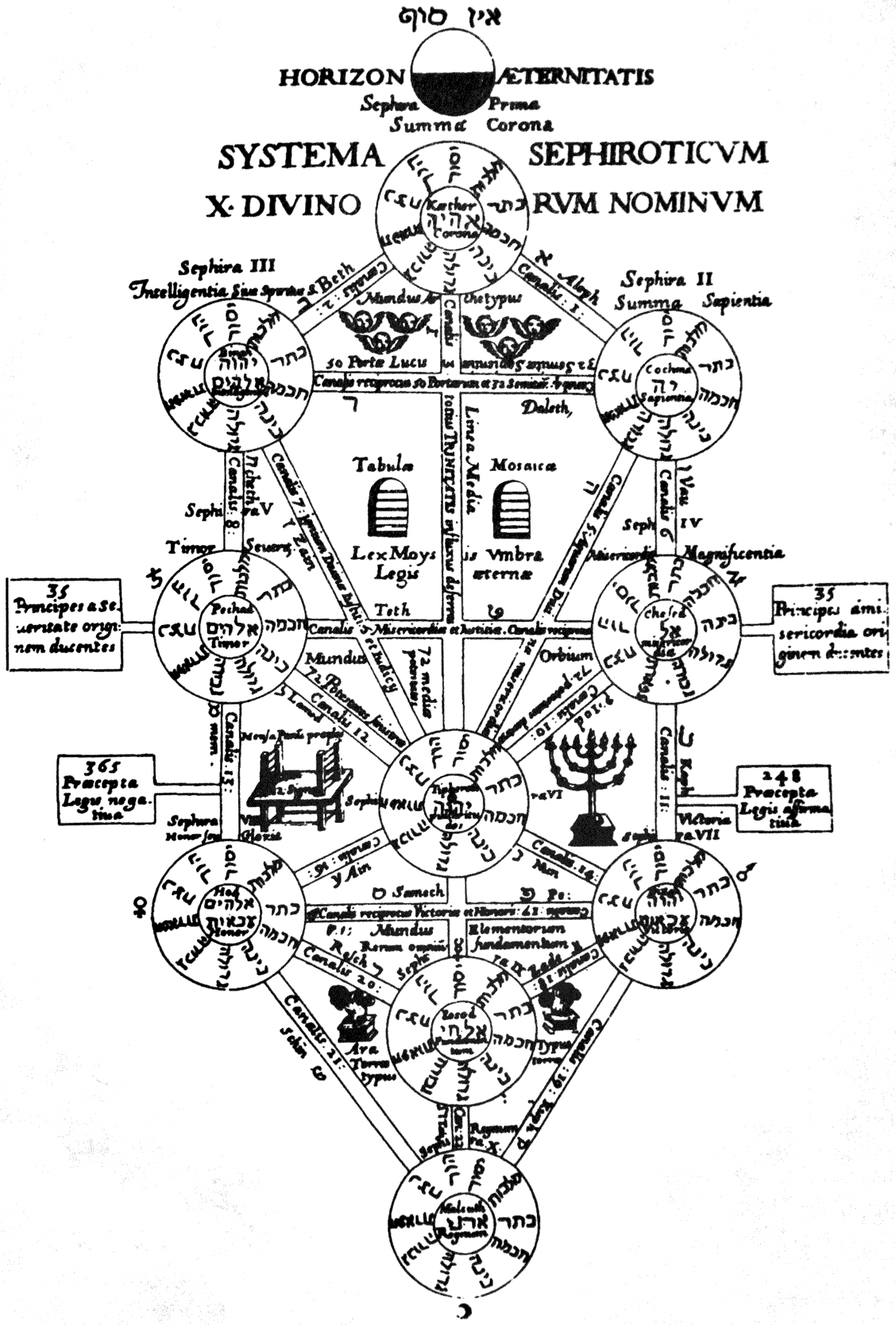
This is exactly the work my Rebbe, mentor, and colleague Zelig Golden and I are stepping into together.
We’re offering a masterclass exploring how our shared Hebraic ancestry - the “religion” known as Judaism - is actually full of source codes for soul initiation.
How something that felt ossified, stale, and frankly patriarchally dogmatic to me growing up became, as an adult, a living and catalyzing culture where I’ve found profound belonging and wisdom.
Whether you carry Hebraic ancestry or not, these source codes run deep through the veins of Western civilization — and we think they have something to offer anyone doing the work of culture regeneration right now.
This masterclass is also a doorway into something larger: our Jewish men’s initiation year-long journey, which is filling up fast. Applications close July 15.
Ok, perhaps I did live up to my rather indulgent verbosity after having “no words” in response to our original question.
But enough from me.. I want to hear from you….
Leave a comment, I’d love to hear your response.
With care,
J. Wolfstone
Lyons, Colorado
No posts
Comments
Nothing yet. Say the first thing.
Sign in to join the conversation.