
Great show this week and pretty newsy.
HHS Secretary Robert F. Kennedy, Jr. once took selective serotonin reuptake inhibitors, SSRIs. Then he went off them cold turkey. Then he became addicted to heroin. He sees a causal relationship in play and has concluded SSRIs cause heroin addiction. Furthermore, he believes SSRIs lead to school shootings and have an adverse effect on developing fetuses. There is no evidence of any of this. So, hey, free speech, people are free to believe wrong things. Thing is, he’s the top ranking public health official in the country and would like to use the levers of power at his disposal to, essentially, make you stop taking SSRIs too, despite the fact that millions of people take these very popular and effective drugs every day to control depression and other health conditions. They keep people alive.
On this week’s show, we talk to Rep. Andrea Salinas of Oregon’s 6th congressional district about this situation and get her take on what is hot air in Kennedy’s rhetoric and what might be leading to you no longer having access to the meds that help you. Granted, Rep. Salinas’s party is not in power at the moment and their ability to affect policy is limited but they are still in congress. And if things go as expected, at least the House will shift to Democratic control in the fall, so I wanted to know what she intends to do then.

While she doesn’t connect SSRIs to heroin addiction, because that’s ridiculous, she does see a huge connection between deteriorating public mental health and the slashing of government programs like Medicaid. So while we may not be to the point of government agents seizing the contents of your medicine cabinet - yet! - we are still seeing a dwindling of mental health support for people who need it.
The good news, she says, is that most people have a personal connection to mental health, either themselves or someone close to them, and they see the value of access to treatment. That’s bipartisan. The bad news? The Medicaid slashing is unlikely to be reversed any time soon.
We’re joined by Jason Gale, Australian journalist and author of After Covid: The Health Impacts That Will Last Generations. We talk about how the societal earthquake of covid far outlasted, say, the widespread use of masks and toilet paper availability anxiety.
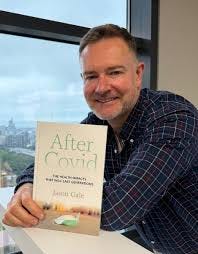
He says he gets a lot of shit for the title of his book from people who remind him that it ain’t over at all. The book explains how he believes this as well.
Veteran character actor Joe Pantoliano has dealt with mental health issues for many years and now has a three-(sigh)pronged approach to doing better: meditation, medication, and masturbation. Okay, Joe!
Pantoliano has been an outspoken mental health advocate for many years, many more than I have, even. He’s done excellent work. I’m glad he has effective solutions, some of which I hope to never ever see video.
Good for him! It makes up for him doing Neo dirty in The Matrix.

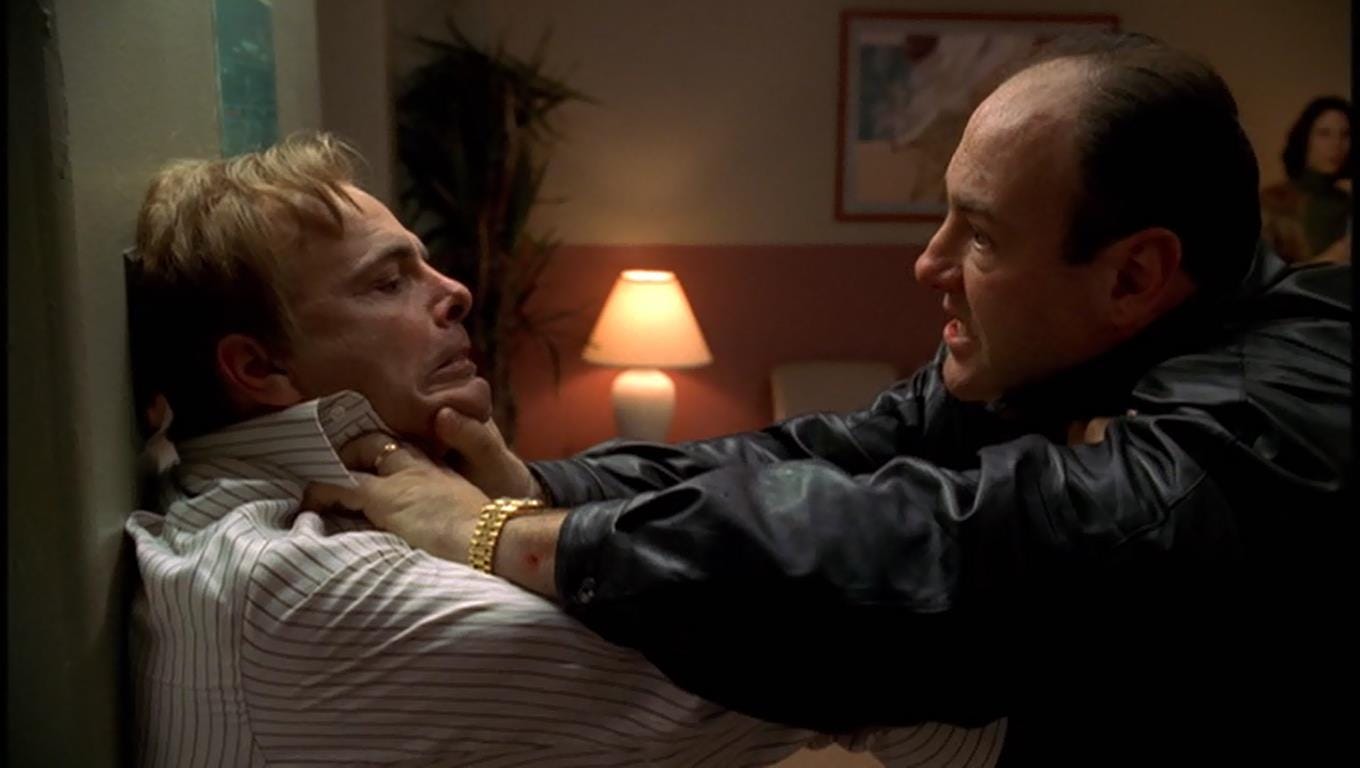
And committing arson and killing a horse and getting strangled by Tony Soprano.
And double-crossing Robert DeNiro in Midnight Run.

Okay, Joe! I’ll, uhhhhhhhh, I’ll leave you alone now.

A lot of folks started working from home during the early stages of covid and then simply never stopped. No commute, work in sweats, sounds great! Except now that it’s been a few years, we’re learning that we’re not actually doing well.
People in remote jobs also saw a rise in symptoms of emotional distress, evaluated with a standardized questionnaire about symptoms of anxiety and depression. They also had more visits to mental health care providers and used more prescription psychiatric meds.
All these impacts were worse for remote workers who live alone. For example, they saw the largest increase — 83% — in chances of spending their days with no social contact.
“Likewise, the increase in mental distress is almost twice as large for those living alone as for those living with their family,” notes Epley.
Hey, if you’re reading this outside of the United States, I’m happy for you. Can I move into your house? Because here? Things aren’t so great. As you may have heard.
And new research indicates that we’re kind of falling apart here as we reach middle age. More anxious, more depressed, lonelier.
What makes this trend especially notable is that it is not happening to the same extent in many other wealthy countries. In several peer nations, particularly in Nordic Europe, health and well-being during midlife have improved over time rather than declined.
To understand why the United States appears to be moving in a different direction, psychologist Frank J. Infurna of Arizona State University and his colleagues examined survey data from 17 countries.
“The real midlife crisis in America isn’t about lifestyle choices or sports cars. It’s about juggling work, finances, family, and health amid weakening social supports,” Infurna said. “The data make this clear.”
This is from middle ages, not middle age, but I think it works.
Really, with that voice, an ideal guest.
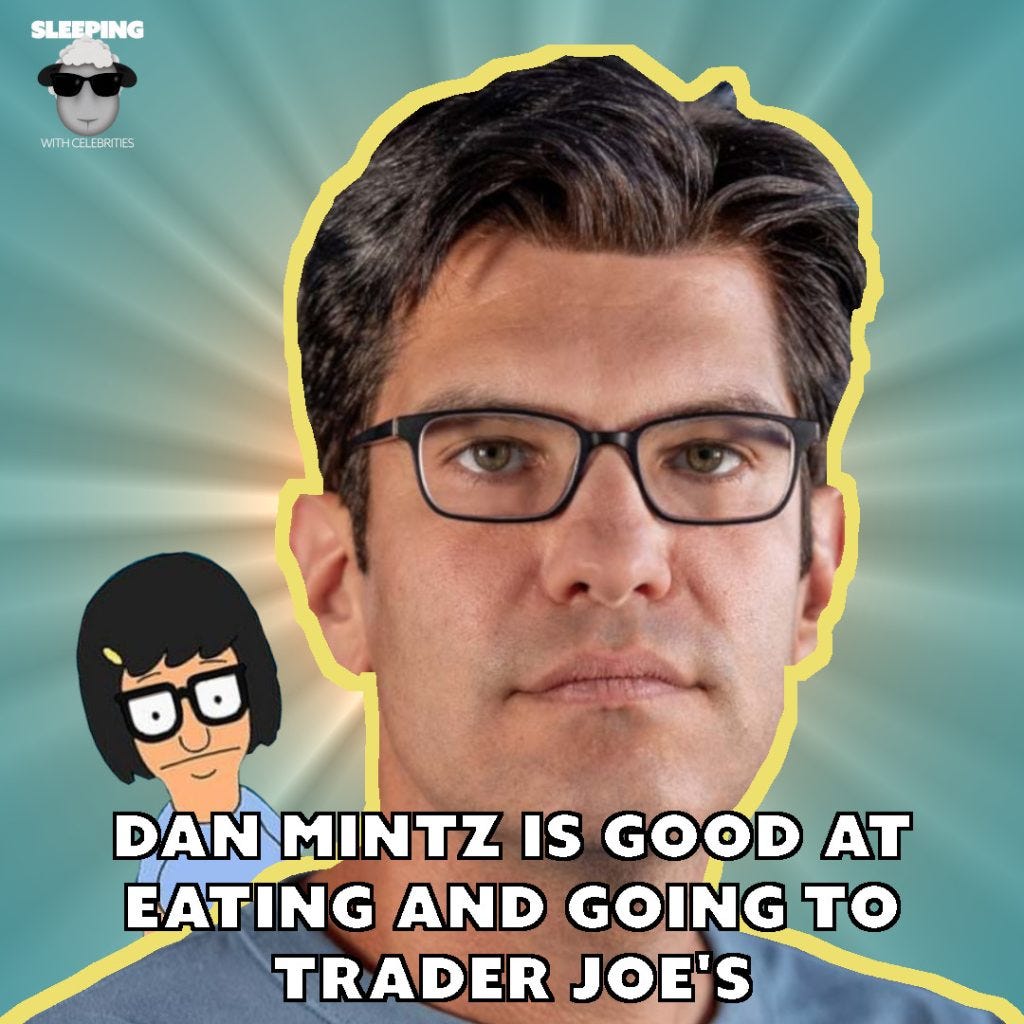
Dan Mintz is an actor, comedian, and writer with a new standup special, Well-Rounded Entertainer, premiering soon on YouTube. Dan is best known as Tina Belcher on the beloved animated TV comedy Bob’s Burgers, which has been on the air for 16 seasons. Where can you get burgers besides Bob’s? Trader Joe’s, that’s where. Dan likes to shop there for foods that will please his family and provide nutritious meals while not busting his budget. He enjoys bananas and other fruits, as he explains to you in a voice that is his, not Tina’s, but that carries enough of Tina’s endearing low-level neurosis that you’ll feel like you’re at the store with a beloved friend as you drift off to sleep. Also, Dan is mildly concerned that his dog is secretly a fugitive from a Mexican drug cartel but no need to lose any sleep over that.
We’re trying to get Nick Offerman on the show and we won’t rest until we get him. We’ll sleep, not rest. Basically, we’re going to very publicly work on booking Nick until we get him. Then it’s on to StreepQuest or QuestloveQuest.

No posts
Comments
Nothing yet. Say the first thing.
Sign in to join the conversation.