
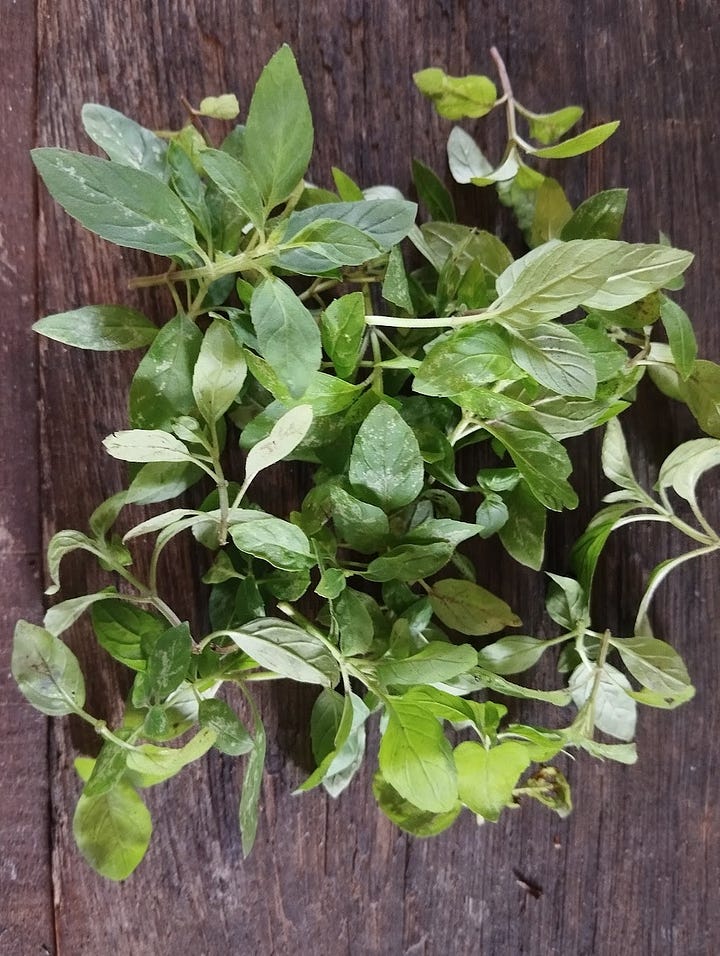
Wild Mint Mentha arvensis or Field Mint is native to a wide region: Europe, western and central Asia and North America. It thrives in moist habitats such as wetlands, stream banks, and ditches, and is often found in temperate forests and riparian areas.
It has the same primary active ingredient: menthol found in Peppermint Mentha piperita responsible for it’s characteristic cooling effect and aroma. We grow wild mint because it grows more easil here in the tropics
Belonging to the Lamiaceae family, it is commercially valuableused in the preparation of herbal formulations, cosmetics, pharmaceuticals, and in food industries. Due to the presence of potential secondary metabolites, mints were employed to treat various disorders since ancient times in traditional medicines. 1
Both plants contain a complex mix of monoterpenes and other compounds (like menthone, menthyl acetate, tannins, and flavonoids) which contribute to their unique flavor profiles and medicinal properties. Peppermint generally has a stronger, more pungent flavor due to its higher menthol content, while other mints like Spearmint have much lower menthol content and a milder taste.
Wild mint being stronger in flavour does better in beverages, dessert and sweet type foods pairing well with chocolate. We use the fresh leaves to make our Blue pea & Mint Syrup. The fresh leaves are also pupular with our beverage/bar clients who infuse it in alcohol.
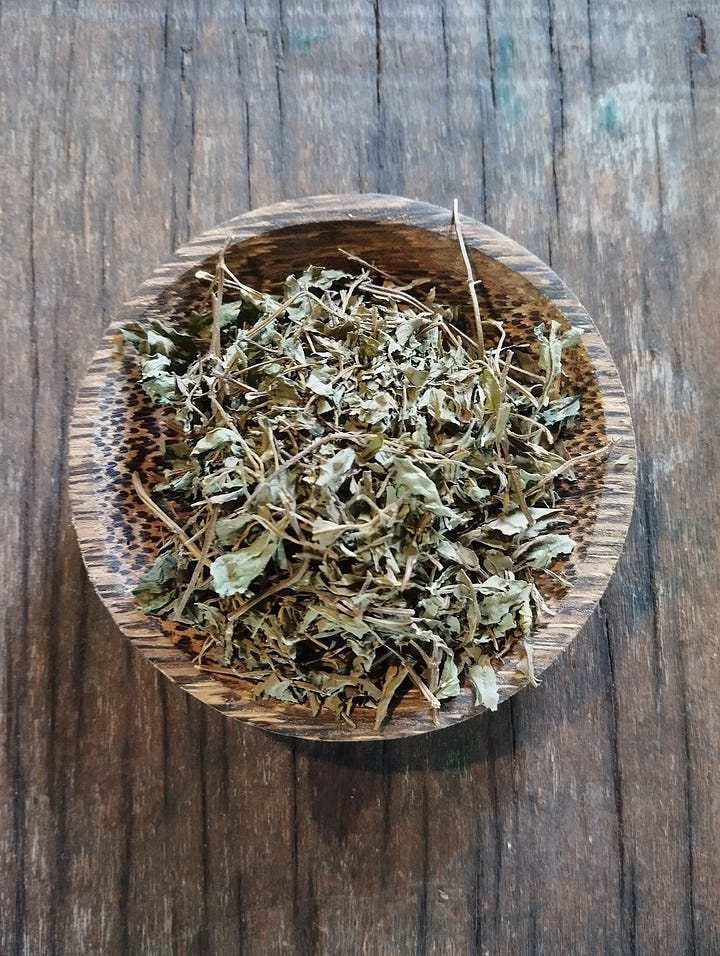
The dried version is milder and pleasant on its own or in tea blends served as a digestive after meals,
Mentha arvensis has been utilized in diverse traditional medicines as an antidiabetic, anticarcinogenic, antiallergic, antifungal, and antibacterial agent. It aids digestion by relaxing stomach muscles to help with issues like indigestion, bloating, and gas, acting as a carminative and antispasmodic, and its menthol content is key to its soothing effect. It is traditionally used in various forms, such as teas or decoctions, for gastrointestinal discomfort and nausea.
Studies suggest that Mentha arvensis extract possesses potent pharmacological potentials, particularly in terms of antibacterial, anti-diabetic, and cytotoxic effects. Particularly, Luteolin and Rosmarinic acid were identified as the top contenders for potential bioactivity with acceptable drug-like properties.
Morning sun, semi shady location. Easy to propagate from cuttings.
Comments
Nothing yet. Say the first thing.
Sign in to join the conversation.