
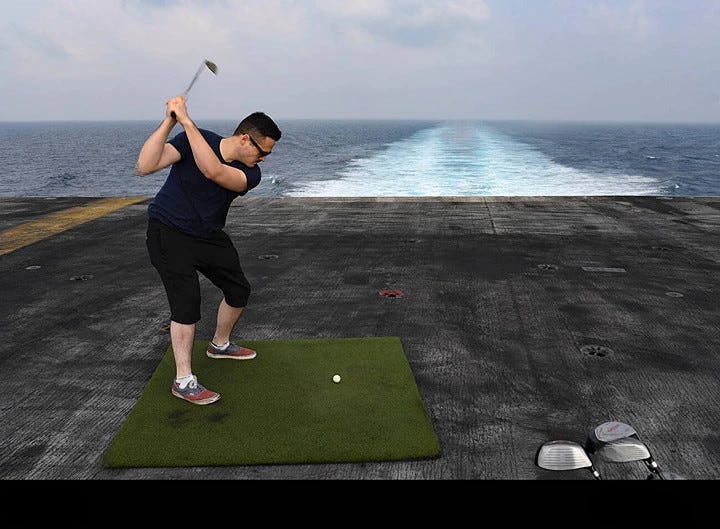
In March 2003, if you were holding a copy of the New York Times in the days before the U.S. invasion of Iraq, the front page read like a recruiting brochure crossed with a war novel. “Aides Say Bush Girds for War in Solitude, But Not in Doubt” humanized a president about to authorize the destruction of a country, framing him as a lonely decider weighed down by responsibility, rather than as the figurehead of a policy machine that, as Gen. Wesley Clark would later confirm, had targeted Iraq for invasion within days of 9/11. Another front-page headline announced that Iraq was “still defiant” -- for the crime of destroying the missiles UN inspectors told them to destroy. A photo of a soldier hitting golf balls off a battleship into the Persian Gulf rounded out the package. Inside, a CIA-sourced piece warned of “terror attacks” against U.S. troops who had not yet entered Iraq, deploying the word “terror” to describe armed resistance to an invading military.
Iraq Playbook Redux
The Times itself eventually conceded the obvious. In a May 2004 editors’ note, the paper acknowledged that its pre-war coverage -- particularly Judith Miller’s reporting on weapons of mass destruction -- had relied on Iraqi exile sources whose claims went unchallenged and turned out to be false. By then roughly 200,000 Iraqi civilians had been killed, according to the running count maintained by Iraq Body Count, with peer-reviewed studies in The Lancet and PLOS Medicine placing total excess deaths in the hundreds of thousands. The apology came after the fact, after the country was already ruined.
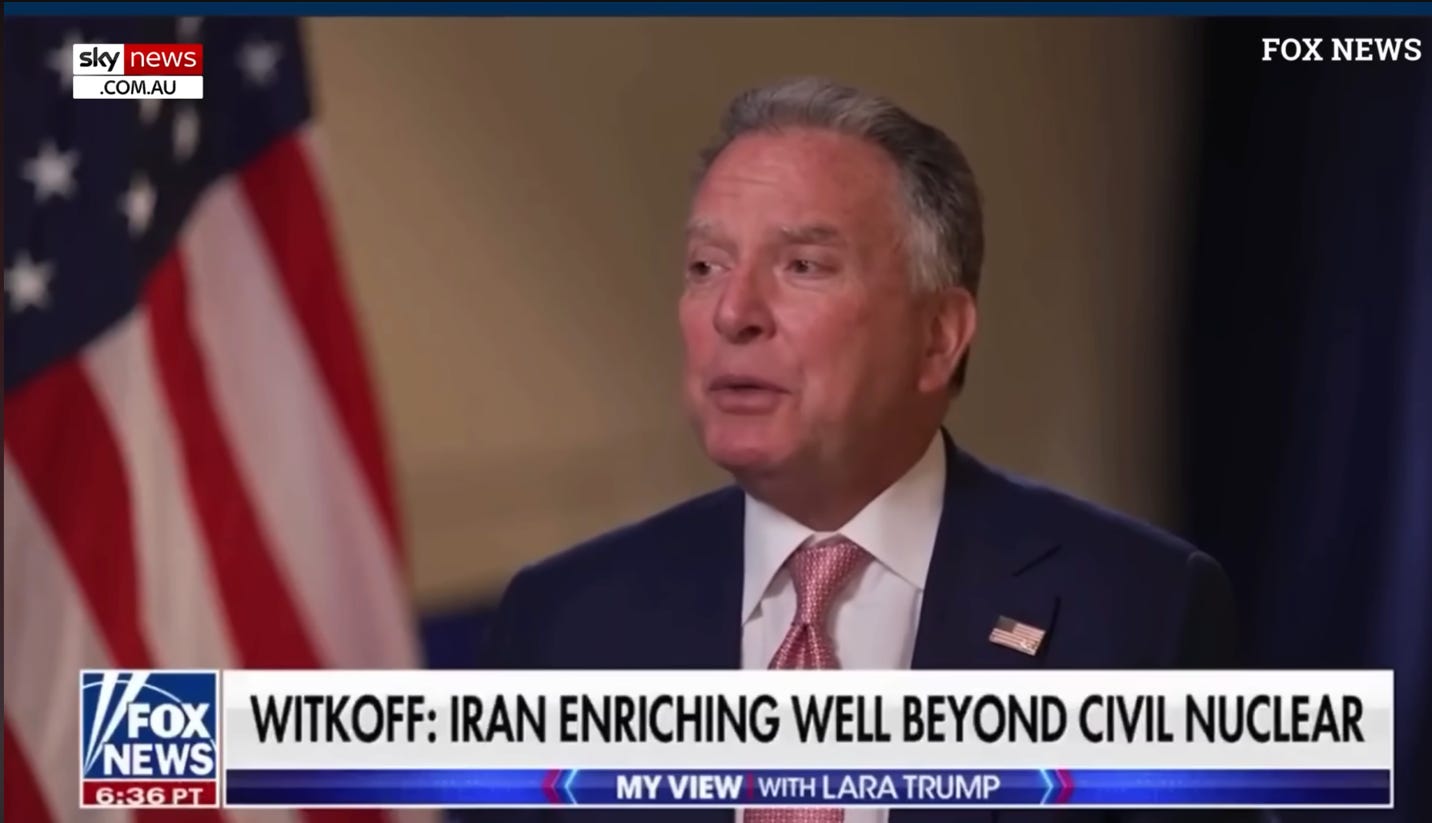
Twenty-two years later, on June 21, 2025, the United States flew seven B-2 stealth bombers into Iranian airspace and dropped fourteen GBU-57 bunker busters on the nuclear facilities at Fordow, Natanz, and Isfahan, with submarine-launched Tomahawks finishing the package. Operation Midnight Hammer, the Pentagon called it. President Trump told the country the sites had been “completely and totally obliterated.” Iran retaliated with missiles at the Al Udeid air base in Qatar, a ceasefire was announced within days, and the corporate press dutifully repeated the administration’s framing -- even as a leaked DIA assessment, and later a July 2025 Pentagon estimate, concluded the strikes had set Iran’s program back by perhaps one to two years rather than destroying it. By February 2026, Trump’s own envoy Steve Witkoff was telling Fox News that Iran was “probably a week away from having industrial-grade bomb-making material” -- the same week the White House press secretary insisted the strikes had “obliterated” the program. Both claims, from the same administration, in the same news cycle.
Steve Witkoff on Fox News
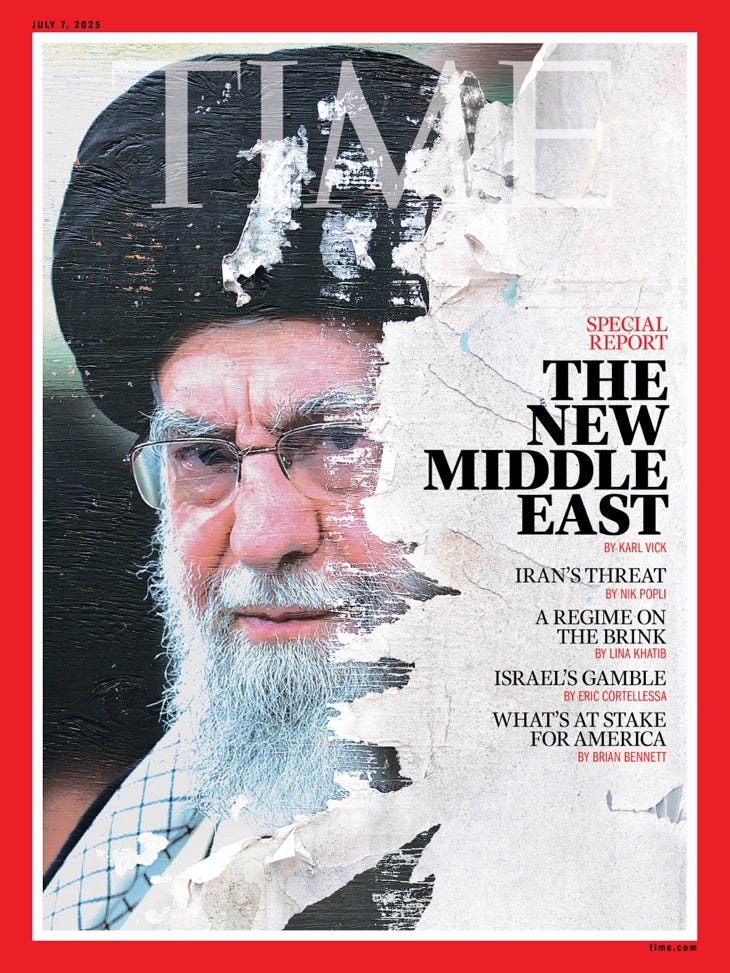
The familiar machinery was running. The Washington Post’s David Ignatius revived the Iraq-era fantasy of Tehran-al-Qaeda collaboration. Time magazine put out a “New Middle East” cover that bore a noted resemblance to its 2003 Iraq cover. Headlines warned of an Iranian bomb that was always weeks away -- a deadline U.S. media has been announcing, by various counts, for roughly three decades. The IAEA director-general Rafael Grossi told CNN on June 17, 2025, that the agency “did not have proof of a systemic effort” by Iran to build a weapon. The U.S. intelligence community itself had assessed in March 2025 that Iran “is not building a nuclear weapon” -- an assessment Trump publicly rejected before ordering the strikes. None of this slowed the coverage.
Here is where the comparison to 2003 stops being a clean parallel.
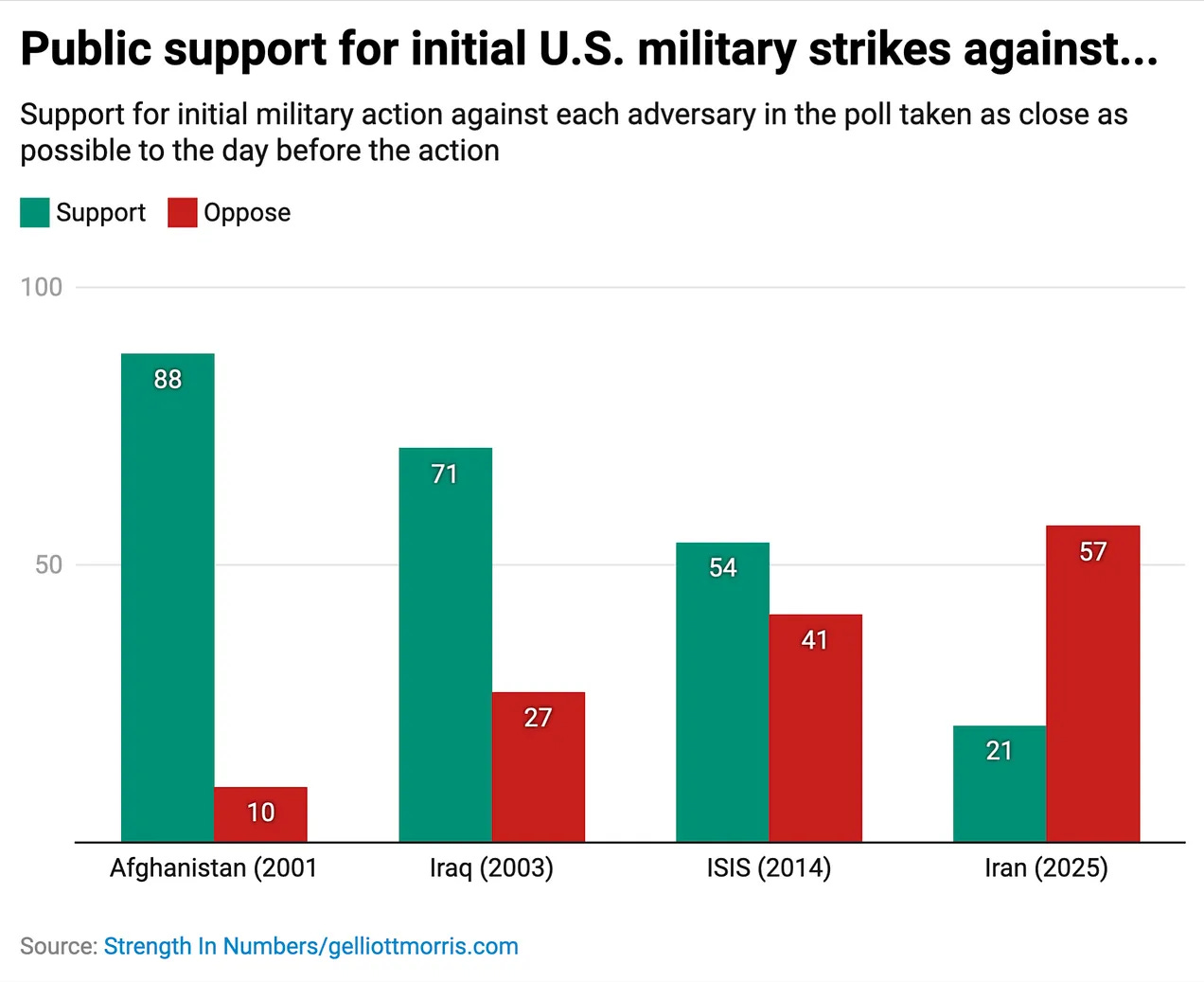
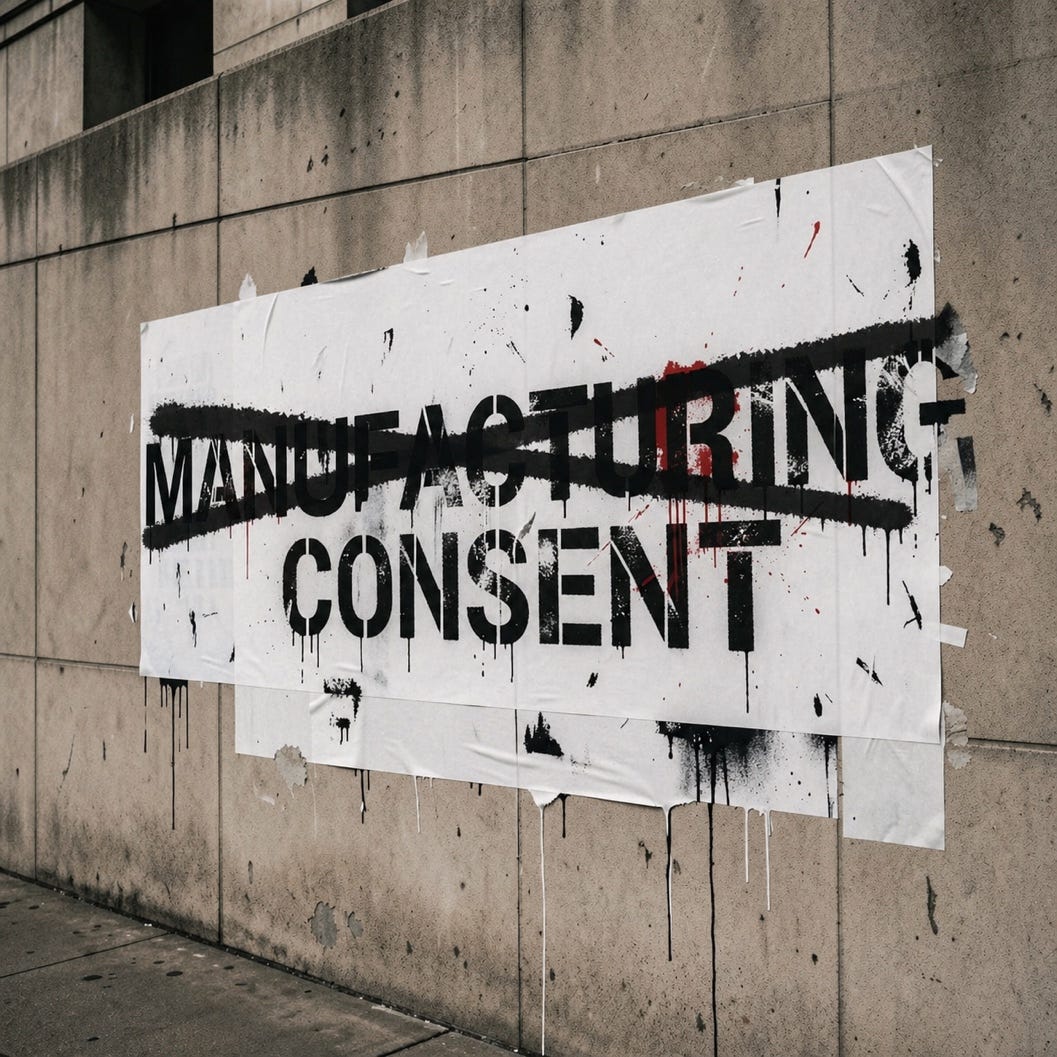
In 2003, the manufacturing of consent worked. Polls showed clear majority American support for the Iraq invasion at the time it began. The press did its job, in the cynical sense -- it produced the public permission the war required.
In 2025, it didn’t. A poll before the strikes found only 16 percent of Americans wanted the U.S. to join Israel’s war on Iran. After Trump ordered the bombing, support climbed only to 36 percent, with 32 percent backing continued bombardment. A separate finding showed roughly 60 percent opposed direct U.S. military involvement before the strikes happened. The country did not buy the case. The Nation, Truthout, Al Jazeera, and Current Affairs all ran versions of the same observation in real time: the war hawks weren’t even really trying to persuade anymore. As one Truthout analysis put it, the consent-manufacturing apparatus had been eclipsed by something blunter -- brute executive force, amplified through Fox News and social media feeds the president was reportedly monitoring before he gave the order.
Time Magazine cover June 22, 2025
This is the part of the story that doesn’t fit the comfortable Chomsky-Herman template. The 2003 model assumed that a compliant press could shape public opinion into permission for war. The 2025 model suggests something colder: the permission is no longer required. The press still ran the propaganda -- Ignatius, the Time cover, the credulous repetition of “obliterated,” the absence of “according to the Likud-run health ministry” caveats applied to Israeli casualty figures even as Palestinian deaths in Gaza were dutifully attributed to a “Hamas-run” ministry. The framing apparatus is intact. What’s gone is its necessary function. Twenty-two years of Iraq, Libya, Syria, Afghanistan, and a livestreamed war in Gaza have taught a critical mass of Americans to default to skepticism, and the response from the policy class has been to dispense with persuasion altogether.
That is, in some ways, more alarming than the Times of March 2003. A propaganda system that can be embarrassed by results -- the WMDs that weren’t there, the editors’ note years later -- is at least a system that registers the public as a constituency to be convinced. A system that bombs first and asks the press to caption it afterward isn’t propaganda in the classical sense at all. It’s something closer to a press release with explosions attached.
The honest version of the comparison, then, is this. The New York Times of 2003 built the runway for a war that killed hundreds of thousands of people and apologized in a footnote a year later. The corporate press of 2025 is doing roughly the same job: repeating administration framings, laundering intelligence claims its own intelligence agencies dispute, recycling a “weeks from a bomb” deadline that has been wrong for thirty years. The difference is that this time, most of the country saw it coming. They said no. And the bombs fell anyway.
The names exist: Executive overreach. Militarism. Authoritarianism. What’s new is the press running the consent script after consent stopped mattering. That’s not manufacturing consent. It’s manufacturing cover.
No posts
Comments
Nothing yet. Say the first thing.
Sign in to join the conversation.