
First, they came for the looks. I said nothing, because I am hot.
Then they came for the tiptoe and the vantage. I said nothing, because I am tall.
They came for the jester. I said nothing, because I am funny.
But then they came for my friction. And I can no longer stay quiet.
I like to stay ignorant. I’m not on TikTok, I hardly check Instagram, and I block YouTube shorts. I go through bouts of not using any social media—completely avoiding any feed where I can infinitely scroll, like YouTube recommendations and the Reddit homepage. I say this not to virtue signal or flex, but to show you that I’m a part of old Gen-Z, going on Boomer. I read a weekly summary of the news from two sources, and fill the rest of my inbox with content on psychology, self-improvement, and the occasional spam email. So when a trend somehow bubbles up to my understanding, you know we’re cooked chat—we’re mainstream.
I had heard about random headlines about looks–maxxing and the culprits surrounding the term, but figured it was just a silly little pickup culture trend that would come and go. But apparently this rock I’ve been living under is pretty damn soundproof, because maxxing has been inundating every walk of life. And it has finally seeped into my world, finding its way into my guilty pleasure pop-psych articles in the form of “friction–maxxing.”
But before we get into that, how about we take a little history lesson into how this whole trend started in the first place.
For a brief history of where things start, much to our teacher’s dismay, I enjoy going to Wikipedia, where the collective consciousness tells us that this originated in the 1940s from the “minimax” theory in game theory.
Minimax is a decision rule focused on minimizing your maximum loss. This was also accompanied by maximin—a focus on maximizing your minimum gain.
These then transitioned into the term “minmaxing” in table top gaming, and the term has taken root in the whole of gaming ever since. Minmaxing just means minimizing the traits or stats that you don’t care about, and maximizing a small number that you do. Why have 4 mediocre party members, when you can have 4 specialists that can each step up to easily solve specific situations when they arise? This is more about resource allocation than the prior’s focus on loss and gain management, but still focused on getting the most out of what you have.
From there, it seems like incel communities in the early 2010s adopted this “–maxxing'“ suffix for physical attributes, the most prominent of which was looksmaxxing—doing everything you can in order to improve your looks. It expanded into dozens of other terms over the next decade, until it was eventually adopted by mainstream social media, removed from its incel origins.
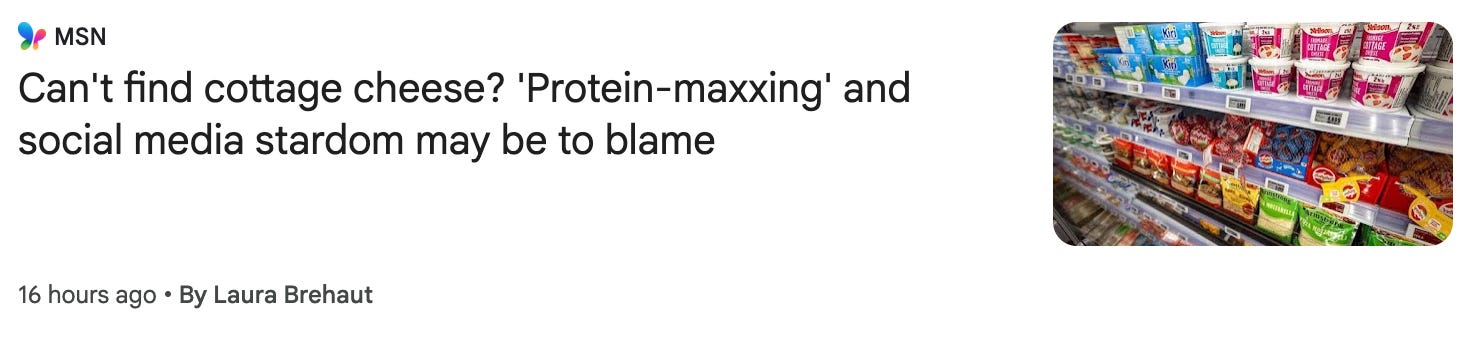
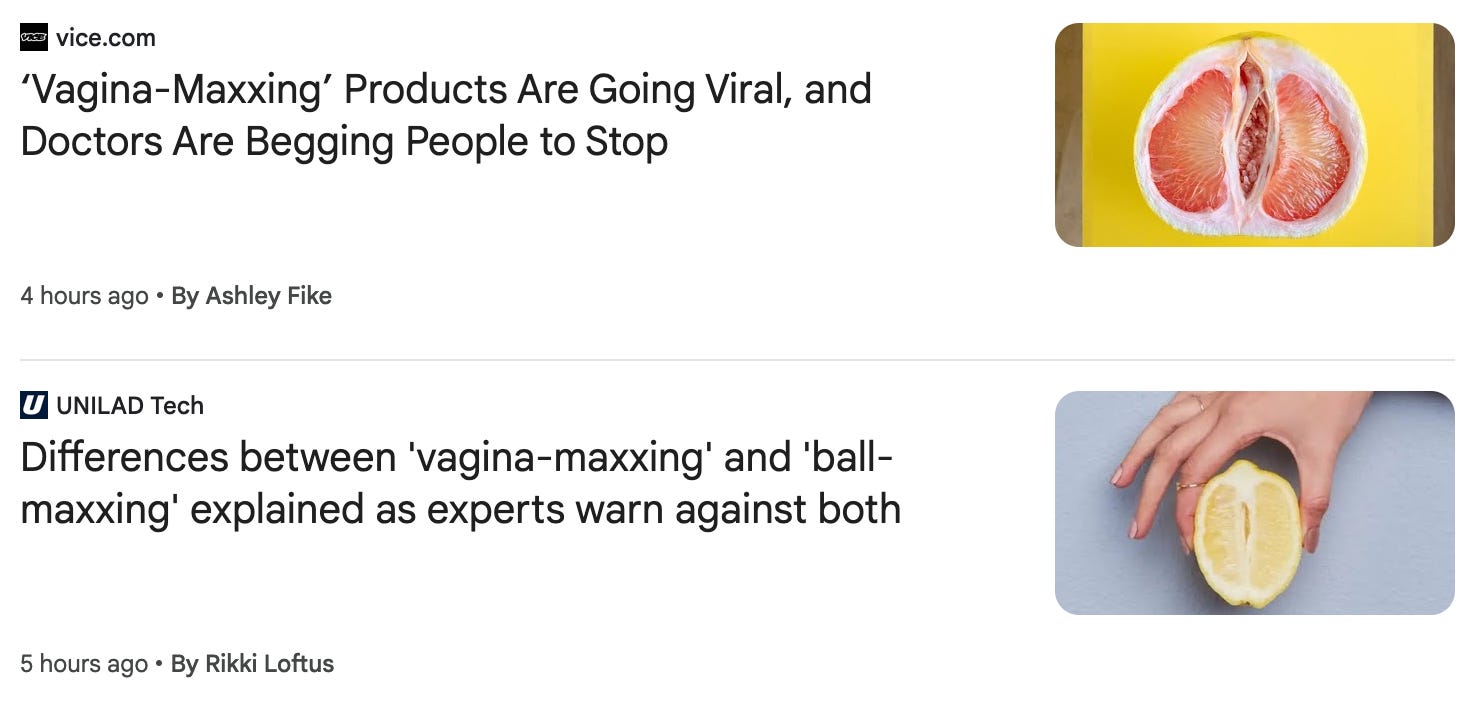
It has now infested every walk of life, in nutrition with protein–maxxing and fiber–maxxing, to physical health with wellness–maxxing, testosterone–maxxing and even vagina– and ball–maxxing (aren’t you glad I didn’t include those in my intro).


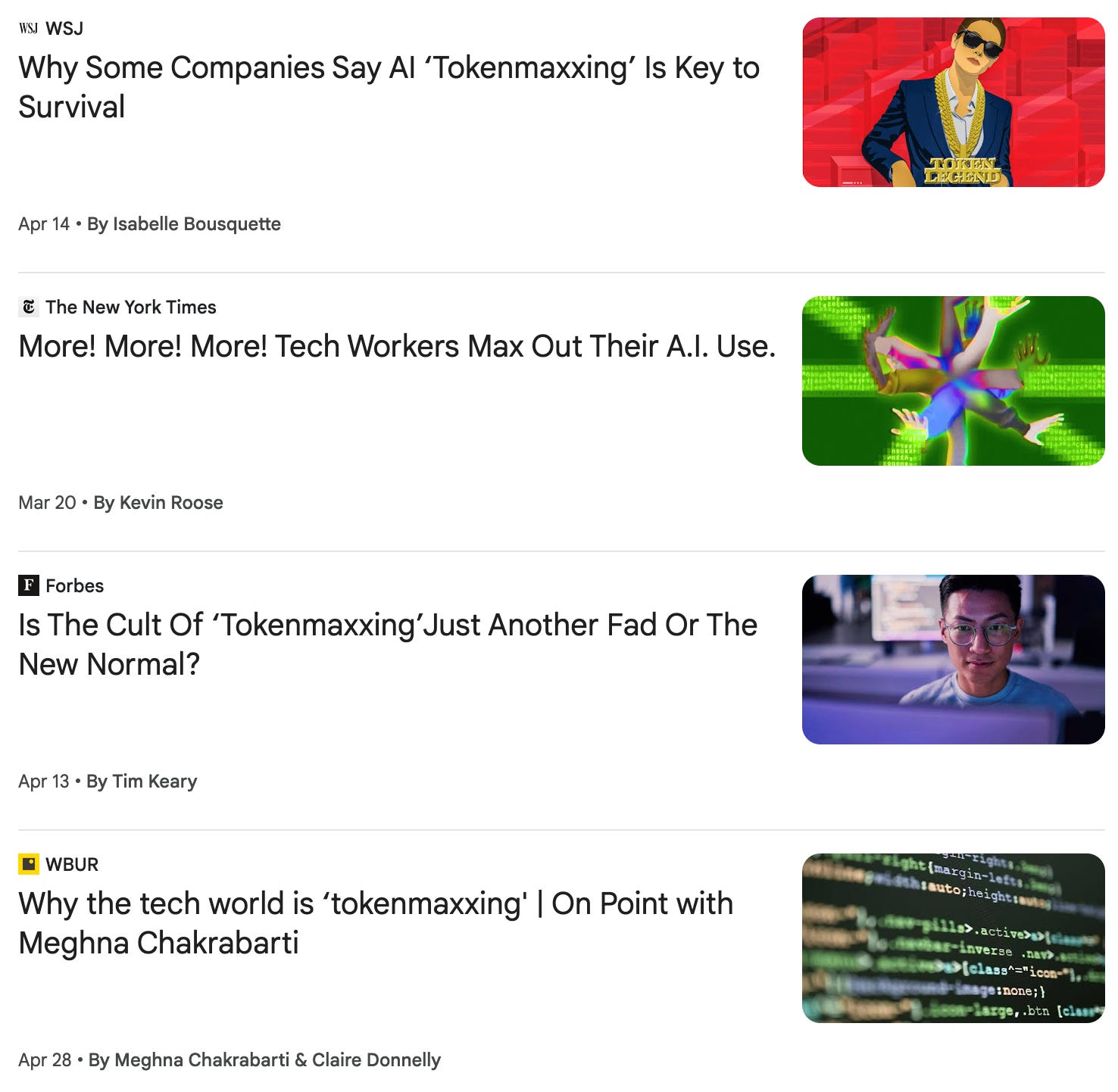
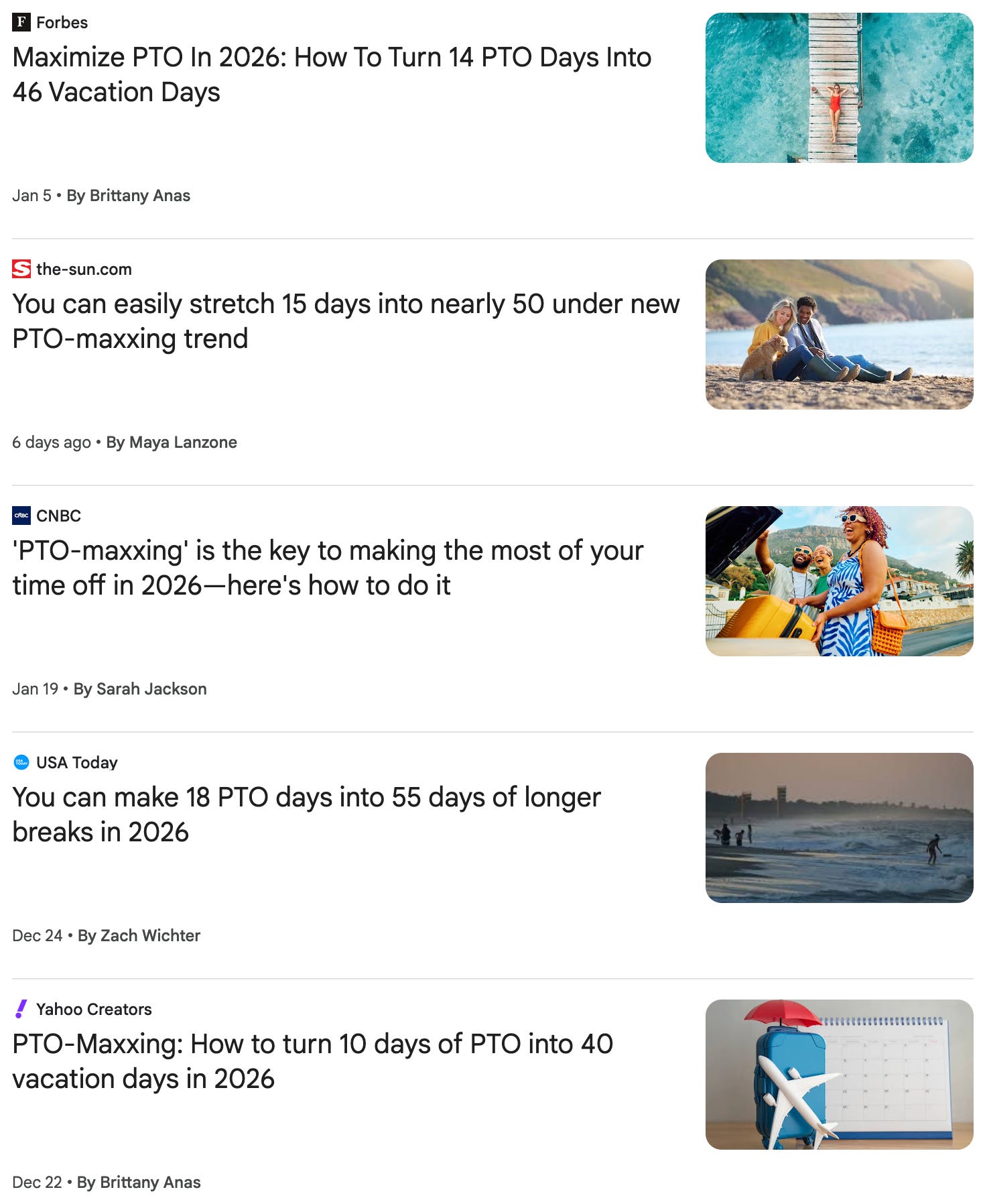
We’ve got work focused maxxing like career-maxxing and AI-maxxing through token-maxxing and context-maxxing. Conversely, you could enjoy Jimmy Buffet–maxxing and PTO–maxxing, where something as simple as “take your PTO around holidays” is now “PTO–maxxing” and lets you turn 15 days of PTO into 50.
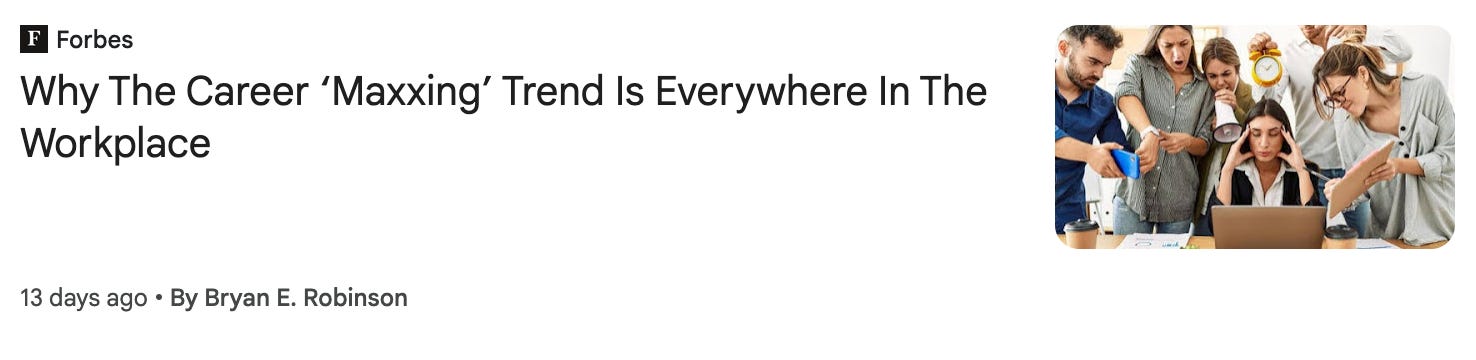

And finally, the part where I finally started paying attention: friction–maxxing. This is all about adding in as much inconvenience and difficulty into your life as possible, especially when it comes to technology use.

But why? Why did this catch on like wildfire?
My best guess is that it’s a fun, novel repackaging of the same old optimization content that we’ve grown used to. There are a countless number of trends that’ve come and gone, from diet trends like paleo and carnivore, to minimalism, life-hacking, bio-hacking, and the quantified self movement. But now, there’s a quicker, easier, click-baitier way to say “you should be doing more of this thing, and less of that thing” with one easy suffix.
We see the headlines and convincing videos, either from perceived experts or attractive people who sound confident, and sometimes there’s a bit of truth to it. There are areas of life that we’ve let slip more than we’d like: bad habits we’ve fallen into, unhealthy eating, overusing technology, or just letting the easiest options become the default. There’s always something we can improve.
It perfectly latches onto both the insecurities and desires that we have—what we’re unhappy with in our life, and where we want to be instead. It sinks its teeth into that dissatisfaction and just makes it worse.
This dissatisfaction can create inspiration to change, which can be great. But unfortunately, our brains like quick fixes and hacks, they don’t want to have to wait for a result. This is a concept called temporal discounting, where our brains put higher values on immediate, or quicker rewards.
This maxxing trend preys on that part of us, convincing our brain that going all out, totally maximizing a single part of our life will bring us rewards sooner.
Setting up a consistent routine and making slow progress feels insufficient in a world in which we are constantly bombarded with comparisons with others and easy progress in the form of dopamine from scrolling endless feeds online. It’s just how our brains are wired.
This recommendation to maxx something might start as a harmless wakeup call, but our lives are complex, and thinking that ramping up a single metric or measurement will make us feel content with our life just isn’t the case.
This hyper-focus on a single metric is a perfect example of Goodhart’s law, which claims that when what you’re measuring becomes the goal, it ceases to be a good measurement. You can most easily see this in the whole token–maxxing phenomenon, which emerged after silicon valley companies wanted to push employee AI adoption. An easy way to measure that is how many tokens each person is using, which is essentially a measure of how much information an LLM is working with. So when the goal is to increase the number of tokens used, people will find ways to burn tokens, usually in a way wholly unproductive to the actual goal of the organization.
If you’re trying to get fit, and the only thing you’re focusing on is maximizing protein and minimizing fat and carbs, you’re going to end up sitting in front of a bucket of protein powder all day. If you’re trying to spend less time in front of screens, an obsessive focus on how to get to single digit screen time will only result in you abandoning what technology can do for us in the first place.
You so easily lose sight of the overall goal when you have a single metric that you’re focusing on:
“I’m not happy with my eating habits, my weight, or my health. So I’m going to health–maxx, protein–maxx, fiber–maxx. But, everything tastes bland, I’m a week in, I’m tired, and I just want chocolate.”
When we constantly pursue more for more’s sake, when we’re stuck in that daily grind of trying to max something out, it will only lead us to disappointment.
The problem with “more” is that you’ll never get there. It’s always a step beyond where you currently are.
Your actions will never be enough to satisfy. So you live every day in the shadow of “I could have done more” without having and positive reinforcement of the actions that you want to continue. So when you hit a bump in the road or your discipline falters, motivation runs out, and you have no reason to keep going.
It’s easy enough to fall into that daily disappointment of not living up to what you could be doing, but this trend of maxxing—where we need to do 100% (when we can’t even define what 100% looks like)—just exacerbates this feeling. It tells us that we’re not doing good enough and that we’re not enough. We look at the act that others put on on the internet and compare ourselves—including all of our flaws that we overemphasize—to what we perceive them to be.
And this leads us to rubber-banding. “Moving in this direction hasn’t solved my problems, so maybe moving in the other direction will. I’m miserable eating healthy, so I’m just going to binge on food that tastes delicious, and maybe that will bring back some joy in my life.”
Browsing maxxing news I found a PR article paid for by a queso company. They did a “study” and found that people are tired of maxxing out everything. And that instead of maxxing everything, once you’re burnt out, you should reach for a tub of that delicious gooey queso, because food should be fun and you should queso-maxx for your enjoyment. Yes, queso-maxx.
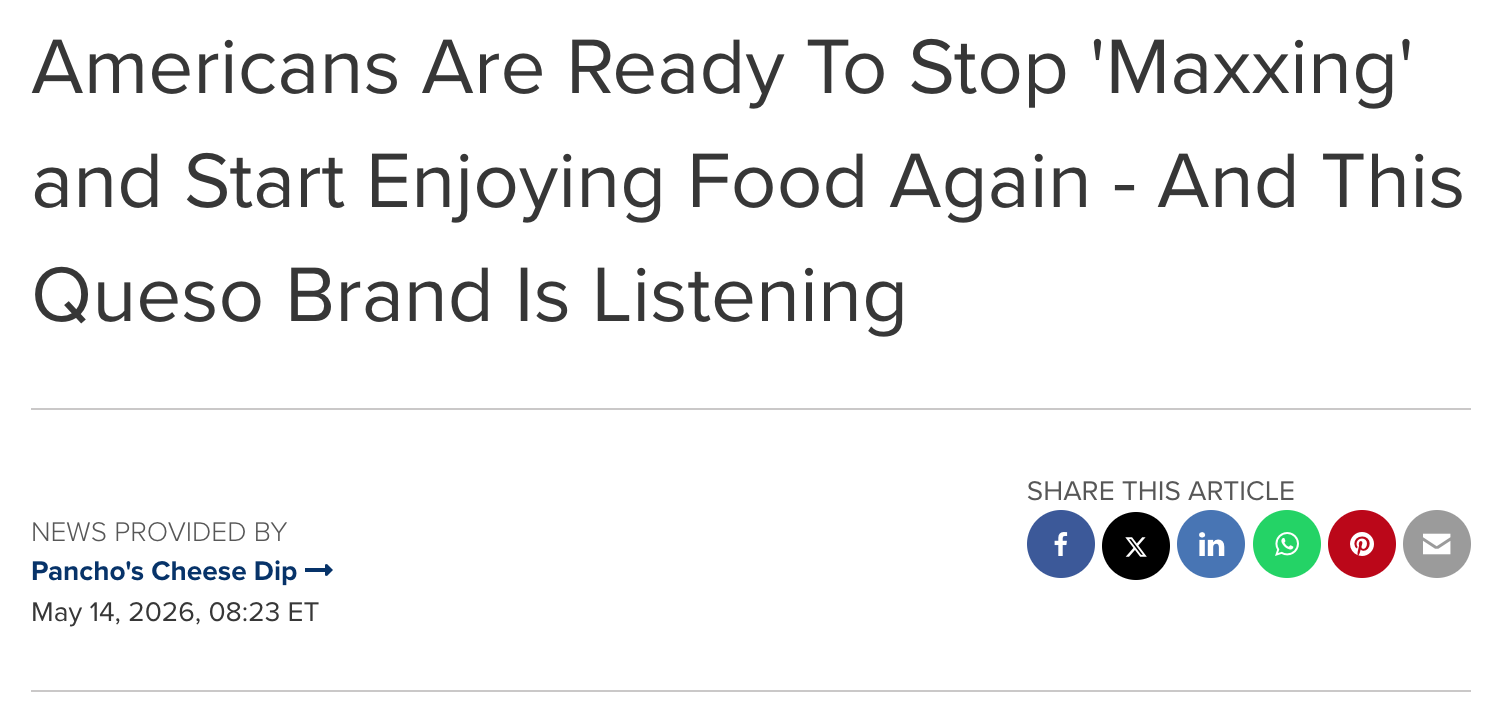
“That other type of maxxing won’t work for you, you should do my type of maxxing instead! (Which give me more attention and money!)”
So we fall down this endless hunt for the “right” thing to maxx. “The other things that I tried, the things that people online said would get me laid, make me fit, and make me happy didn’t work when I tried them last week, so there has to be something else.”
We continue the search, all the while avoiding the decisions of how we want to live, and the slow consistent progress it takes to get there. With this extreme, black and white thinking, we fall right back to where we were.
So, how do we take this wakeup call that the maxxing trend provides for us, this inspiration we get from seeing people maxxing something, and do something positive with it?
My favorite thinkers on the topic make themselves clear: make the decision of where you actually want to be. Cal Newport talks about this a lot with lifestyle-centric career planning. You decide how you want your life to look, and work backwards to create a plan to get there. This isn’t just a general direction of “I want more of this thing” or “I want less of that thing”, but it forces you to consider what the end goal that you’re optimizing towards actually is.
That initial decision of where you want to be might not be entirely correct. You may decide that you want to get shredded and have abs, but when you start following a plan to do so, decide that you hate the grind towards it. That’s when you can reflect, and instead of abandoning it just because a new shinier trend has popped up, really figure out what made you want it in the first place.
Maybe you just saw other people with abs and wanted to look hotter on the beach to show off to all of your friends. But now you can decide, is that worth the effort that I would need to put in to get there? Maybe the initial goal of getting shredded comes from a place of wanting to be healthier. You want to be more in shape so you can do more activities with your family, and getting abs was just the easiest, flashiest marker of health you saw online. So instead, you focus on a slow and steady health improvement plan where you’re going on more walks and eating less junk food instead of counting macros and spending hours at the gym.
When we focus too much on the direction, we lose the purpose behind our efforts. So instead of over-focusing on a single metric or feeling, it comes back to a healthy balance. You have to take the time to decide what a healthy lifestyle looks like to you, try it, and keep adjusting until it feels right.
With friction–maxxing, for instance, it’s good to challenge your brain and motivation, to not just choose the easiest path every time. But a week in, it’s so easy to forget why you’re doing it because you’re so focused on just making things more effortful, because that’s what someone online said to do. One day, you wake up and say “Man, I’m tired, cooking food is difficult. It’d be easier if I just ordered delivery today.” And if you do remember that commitment to maximizing friction, it starts you on a cycle of guilt and emotional avoidance, placing you right back to where you started, because there was no compelling reason to keep going.
So here’s my theory of how to make these optimizations stick. When you have an image of what you want your life to look like, it creates a mental filter. When you come across a piece of optimization content, it gets you to ask “how, if at all, does this recommendation fit into the things that I truly care about?” Once you review this vision regularly—not just the things you have to do on your calendar and task list, but the why and purpose behind them—we ground ourselves in what matters, rather than chasing every other recommendation we see online.
This is something that I’ve mostly been doing in my head, and practicing informally via journaling, but if you’re interested in what this might look like as something tangible, how a formal practice of this might look, let me know in the comments.
And look, I say all of this, not as someone who has made it to the other side and has my life all figured out. It’s something I struggle with too. I’ve been trying to notice—especially when it comes to self-improvement type content—if the content I’m consuming is really benefiting me. Is this creator sharing this piece of content in order to hit their own weekly posting metric, or because they have something to say, something important to share with the world, and has a meaningful message or information to share. I so often get trapped in the cycle of figuring out the “right” way of doing things, without actually making small, possibly meaningless progress on the things that I want to be doing—whether it be the perfect note-taking system, the right way to learn a language, or how to start a business.
This maxxing trend comes at a time where I’ve started to become more critical of the recommendations that others make, and have been trying to listen to myself more. I’ve been more diligent in reflecting and understanding how I feel about recommendations, trying them out, and then seeing how they feel. This focus on starting to make (what feels like) meaningless progress on things, and sticking with them despite that feeling, has started to lead to things like actually finishing this post.
The grass will always be greener on the other side, there will always be a better way of doing things. But by not prematurely optimizing, and instead just moving in a direction towards a vision that feels right, over time it feels like I’m making real progress.
I hope that this post provides you with a little bit of the same, to start thinking a level above the recommendations, tactics, and hacks people say will change your life. To be critical of optimizing for optimization’s sake, and to start listening to your own inner compass.
Thanks for reading this week’s episode of old fart in generation yells at the young’uns in the generation. I’d love to hear from you in the comments if anything resonated, or if you have any thoughts on the maxxing trend.
Now if you’ll excuse me, I’m going to go do some minning.
Comments
Nothing yet. Say the first thing.
Sign in to join the conversation.