
Part 3 (of 7) – To 1 BCE
The teaser: Herein lies the timelines for a vast cornucopia of plant foods. It includes the agricultural introduction of many familiar items: coffee, tea, beets (plus its kissing cousins spinach beet and Swiss chard), broccoli, sweet cherry, chestnut, citron, cucumber, lettuce, mandarins, oranges, pineapple, plums, rhubarb, saffron, spinach, sugar, sweet corn, tomato, and the vegetable that triggers so many people to exclaim, “Kudos to the first guy who ate an artichoke.”
This chapter also looks at some unusual plant foods: carob, goosefoot, little barley, noodles (from millet!), pandanus nut, sapodilla, and wild rice.
There’s a bit on the spices of the Spice Trade: black pepper, cardamom, cinnamon, cloves, ginger, nutmeg, and turmeric.
Plus, so many familiar herbs that the Romans brought to Britan.
And a sequel to the on-going rice adventure.
.A little late but I’ll admit now that I have an American (U.S.) bias. A good many (majority?) of the food entries in this history somehow have their end time in an American context. I don’t think it’s a chauvinistic thing; it’s just that this history was originally written for an American audience and I have had access to more history of the foods of the U.S. I guarantee that there is a wealth of information available of the histories of food for other countries. Maybe much more than I’ve found for the U.S. And histories that can and should be put down by the writers native to those countries.
With that being said, if you missed my articles on edible plants originating in North America, start with a look at the first in a 4-part series “THE FRUITS AND VEGETABLES GIVEN TO US BY THE INDIGENOUS AMERICANS – Part 1.”
.4,000 BCE — Traces of cooking methods/instructions in ancient Egyptian tombs.
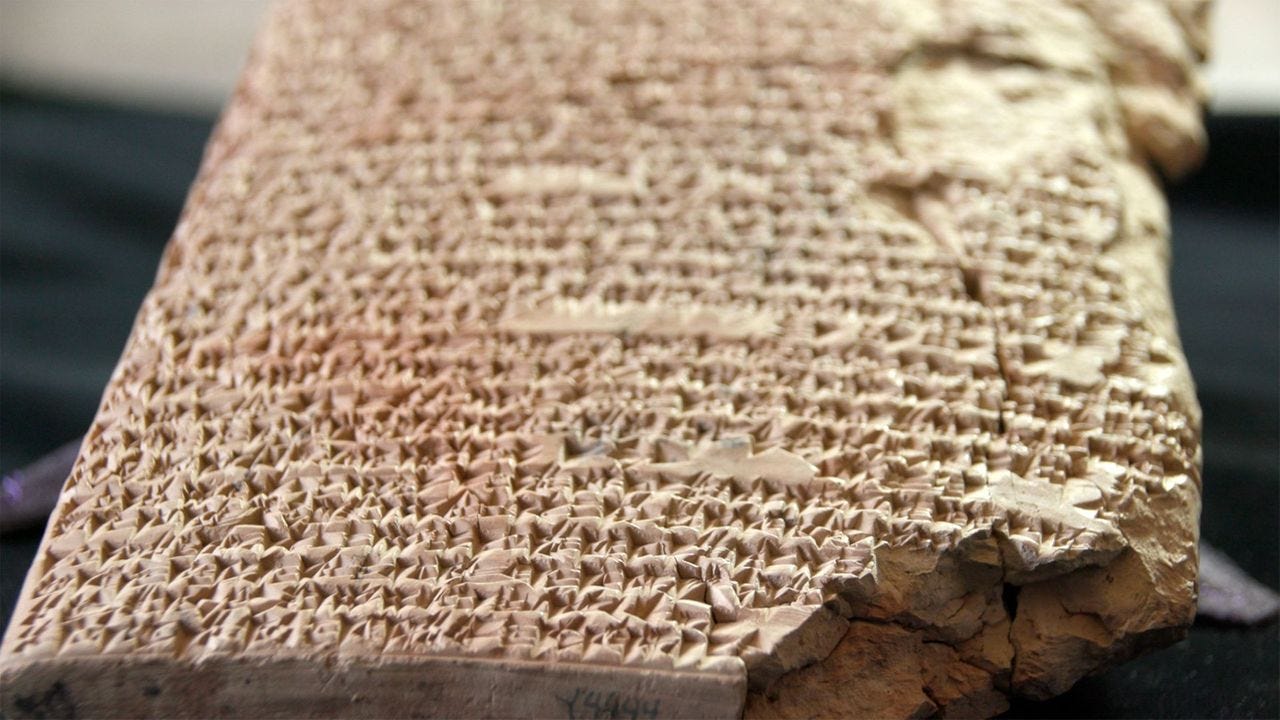
2,000 BCE — Instructions for a lamb stew written on cuneiform tablets (the Babylonian system of writing first developed by the ancient Sumerians of Mesopotamia). Not exactly a recipe, as we know today:
“Meat is used. You prepare water. You add fine-grained salt, dried barley cakes, onion, Persian shallot, and milk. You crush and add leek and garlic.”
500 BCE — A cookbook by Mithaecus; one of the earliest, but most of it has been lost.
1,279 BCE — From the “Papyrus Anastasi IV”: a description of a menu (or “grocery list”?) for a feast:
10,000 biscuits
1,200 Asiatic loaves
100 baskets of dried meat
300 cuts of meat
250 handfuls of beef offal
10 plucked geese
40 cooked ducks
70 sheep
12 kinds of fish
fat quails
summer pigeons
60 measures of milk
90 measures of cream
30 jars of carob seeds with carob pulp
100 heads of lettuce
50 bunches of ordinary grapes
1,000 bunches of oasis grapes
300 strings of figs
50 jars of honeycomb
50 jars of cucumbers
50 small baskets of leek bulbs, equivalent to 120 handfuls
Also from this menu in the “Papyrus Anastasi IV”:
local oils: sesame oil, sweet ben-nut oil
imported oils: Cyprus oil, oil from the country of the Hitites,
nekefeter oil [a premium olive oil] from Babylon; oils from Amor, Syria, and Naharina, and beverages
Syrian beer, Palestinian wine, and, for the servants, “paur”
200 BCE — Roman recipes, starting with Cato the Elder’s “de Agri cultura” (“on farming”). Many other authors of this period described eastern Mediterranean cooking in Greek and in Latin. Some Punic recipes are known in Greek and Latin translation.
.
Comments
Nothing yet. Say the first thing.
Sign in to join the conversation.