
I’ve worked outdoors every week since 20 May. Of all the summers to choose to switch careers from indolent, web-based hack to ultra active gardener doing the hard yards of clearing, strimming, pruning and weeding, this has to be the most ludicrous: In 13 weeks, I’ve worked through five heatwaves. These are the lessons I’ve taken from that time, in no particular order.
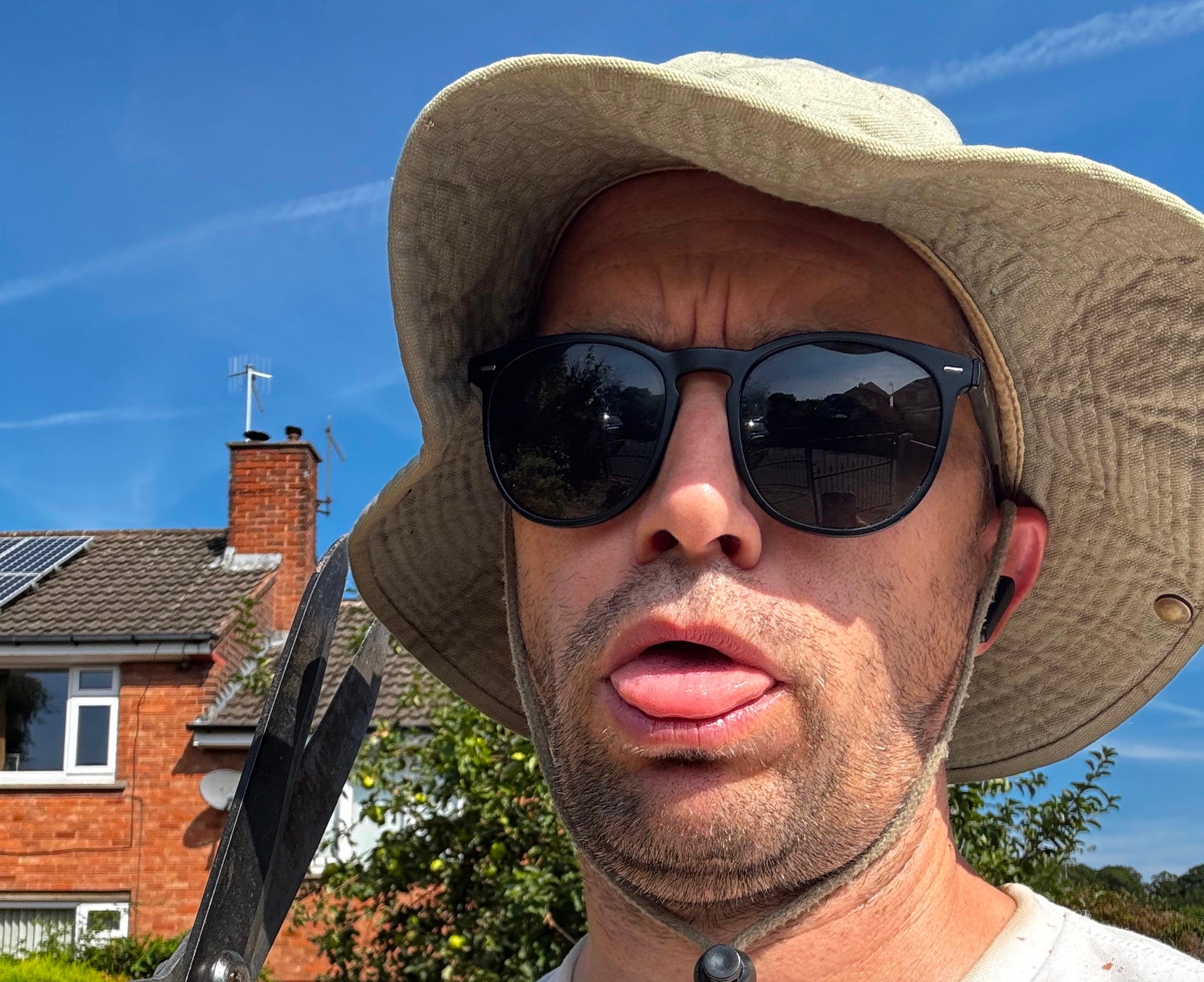
No one truly understands how it feels to spend eight hours grafting in a heat wave unless they’ve done it
I was dimly aware of what it was like to work outside. My dad spent 40 years working as a dry liner, humping plasterboard up multiple flights of stairs in stuffy, half built homes. He’d come home exhausted, eat two rounds of toast, have a bath and then make us all dinner. It’s only now that I fully realise that is superhuman shit. I have made sure to tell him so.
And (virtually) no one in power has any clue what it feels like either
Hannah Spencer aside (from my accounting about the only person in Parliament to have done any kind of trade work) no one in charge really knows how it feels to be outdoors all day in 30ºC plus heat. When Reform mock Spencer and the unions calling for maximum heat protections or say to ‘enjoy the weather’ as the nation burns, what they really mean is ‘we don’t give a fuck about working people?’ Hardly news to anyone with a brain cell, but there we go. It would be nice if we could recognise that anyone being outdoors for work needs to enjoy some form of protection from extreme weather.
The ‘English garden’ as we know it is doomed
The gardens I grew up knowing were all much loved in the English sense. I’m not talking about fabulous spaces in National Trust or RHS properties, rather small, simple, lush lawns surrounded by beds full of geraniums, pansies, lilacs, roses and hydrangea. For weeks now, I’ve battled through the dust as lawns die (arguably no bad thing if we want more drought tolerant alternatives), been forced to cut back hydrangeas that have been decimated, pulled out rhododendron in my own back garden and have followed Kate Bradbury’s advice on leaving roses to grow hips to provide vital energy for birds and insects when (if) autumn comes.
Wildflowers are your friend, bolting is good
Ok, I could have said this without working outside for upwards of three months, but my point stands. My front garden is a mess of wildflowers - cornflowers, corn cockles, candy tuft, oxeyes, phacelia, bugloss to name a handful. They have all thrived in the dusty mess that has formed over the summer. The bees keep coming back for more. The goldfinches are feasting on the seeds of the teasels. Like many people, my herbs have been a shitshow this year, but the dill has bolted, leaving blushes of yellow flowers that are beloved by local pollinators.
We’re in the midst of a growing extinction crisis
An obvious one. But for those at the back. I know August can often be a quiet month for birds. But in recent weeks there has been a noticeable lack of volume in the gardens I work in, from vast spaces deep in the Peak District to urban homes in suburban Sheffield. Dead birds are turning up underneath shrubs. It’s not unrelated that I seem to be encountering fewer bugs and insects. Even the wasps aren’t out and about. This terrifying summer, I hope, can be a wake up call to everyone that the climate crisis is here, it’s happening now and our lack of action has made this happen.
But we can still help…
These past weeks have truly made me realise that small actions can make a massive difference. In June I cleared out a dead pond and created a new one for a client in Hathersage. As I filled it I watched as newts plopped into the depths and a gang of robins eyed me until I stepped away so they could drink. Next week I’m building a bug hotel for a family whose three year old loves creepy crawlies. It’s going in their front garden behind some roses.I’ve been energised by this excellent piece by Melissa Harrison about what we can do and how we can use our local spaces to save as much as possible
Growing your own isn’t what it was
One of my favourite jobs is doing the heavy lifting on an allotment in the nearby village of Dore. Its owner is delightful but needs a hand with building a few bits and bobs. While her plum trees are heaving, she tells me it’s been another rough year, with little to show. Tomatoes wilting on the vine. Runner beans and peas scorched. Pathetic hauls from soft fruit bushes. The same is the case for my own veg patches at home. At a time when we’re about to get a worrying lesson in low yields as this year’s terrible harvest reveals itself, perhaps we need to think about what we grow in our own spaces and what needs to change. Because the fact is any of us with access to outdoor space are going to have to grow at least some food as the crisis deepens.
No one’s comfortable with mess
Sally Morgan has written about the need to NOT tidy up. And at the risk of doing myself out of business, it seems no one is comfortable with the idea that we need to leave things a bit messy if the wildlife we value is going to have any chance of survival. What I would love is for people to see the value in letting flowers go to seed, all the better for providing natural bird food. Let lawns grow long, allow ponds to look a bit crazy. I draw the line at using any kind of pesticides and hate plastic membranes when cardboard and bark do a similar job and let the soil breathe, but it’s an uphill battle to show people that a bit of craziness can have long term benefits for us all.
Comments
Nothing yet. Say the first thing.
Sign in to join the conversation.