
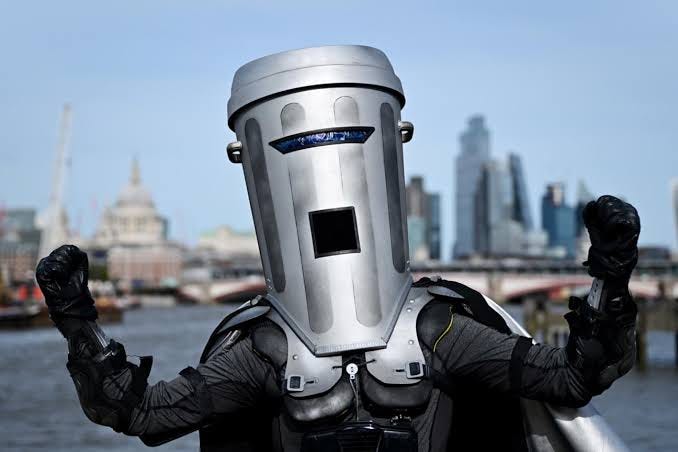
It would be a lazy pub bore gag to say that joke outer space parliamentary candidate Count Binface has, over the last few weeks, been heard speaking more sense and sounding more committed to the issues of the day than most party politicians.
It’s not a joke, though. It’s just a statement of fact.
And I think that this demonstrates something important about the relationship between comedy and politics, and satire in particular.
In politics, caution has become a straitjacket for drilled party members unwilling to deviate from this week’s chosen soundbite, or spouting wishy washy generalisms, never committing to the bold solutions that voters passionately believe need adopting to deal with genuinely pressing issues. But that’s always going to be a problem. Because it’s hard to simply tax the bad guys, say, and spend it on the good guys, if things are more complicated than that (and they usually are). And it’s extra hard if your party is being lobbied or funded by the exact people who are visibly working against public interests and making things worse. Whether you’re a committed politician or a cynical one, it’s tough to talk straight.
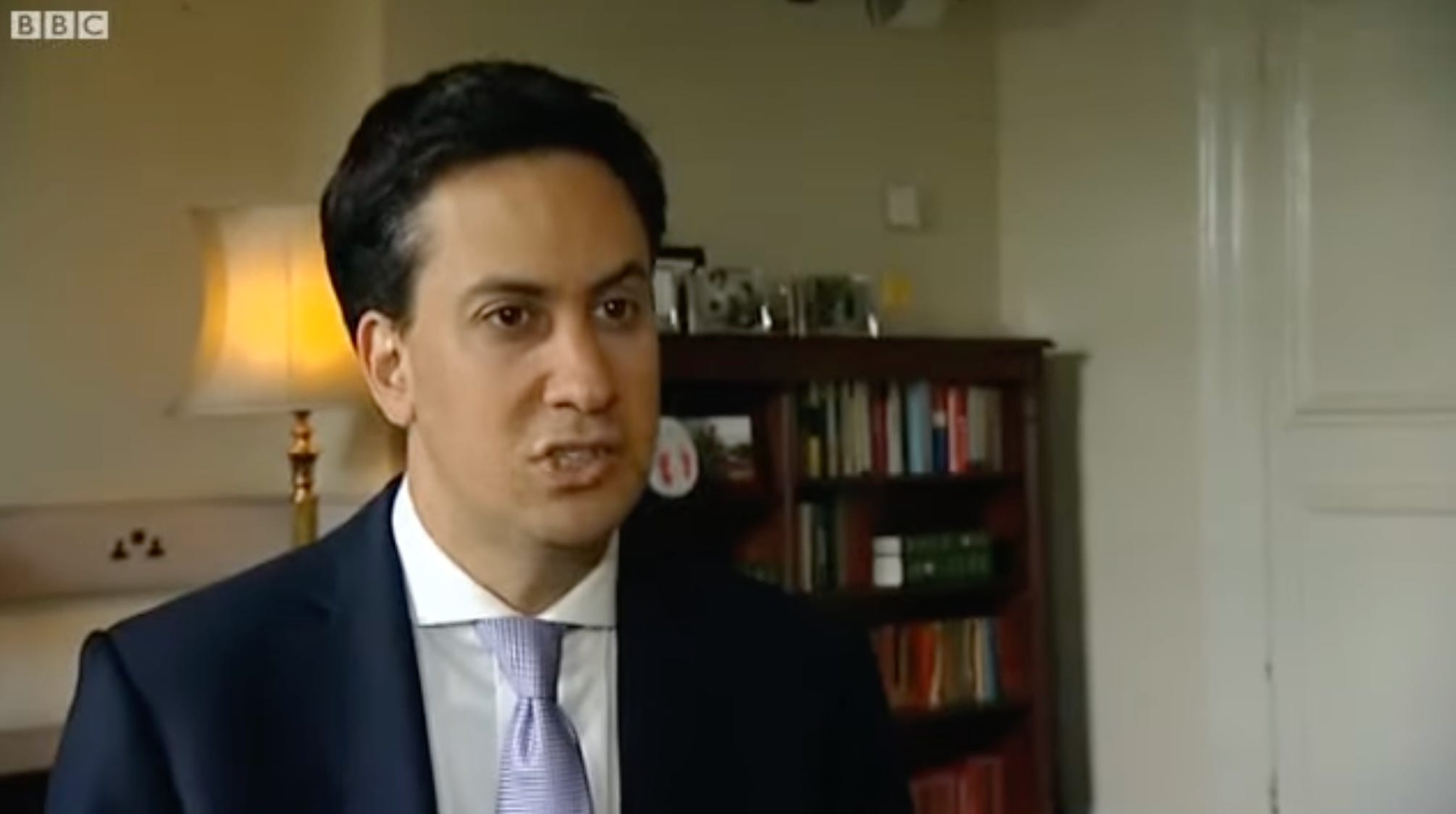
Knowing you’ll never get into power, and won’t have to negotiate with the shadowy forces of compromise that inevitably wreck democracy (or face the public when you fail to deliver) is a great asset when it comes to speaking freely. Inevitably, you’re likely to come across quite well. And Jon Harvey, the sharp-brained comedy writer behind Binface, has used his unlikely position in the spotlight brilliantly. He has sounded both more silly, and more sensible, than his opponent, usually at the same time. Above all, by pretending to be an alien*, he has sounded rather human. It’s been invigorating.
(*Solid clowning technique, this. High status clown / outsider truth-teller / absurdist sage. Always works.)
The Clacton by-election isn’t worth examining here technically as a farce in itself, though there’s plenty to say about it structurally (it’s really pleasing, especially in its deployment of set-up and pay-off…) But the major parties refusing to join in Farage’s hamfisted popularity-contest-stroke-ooh-look-a-helicopter act has played neatly into the hands of a satirical candidate, and he’s run with it.
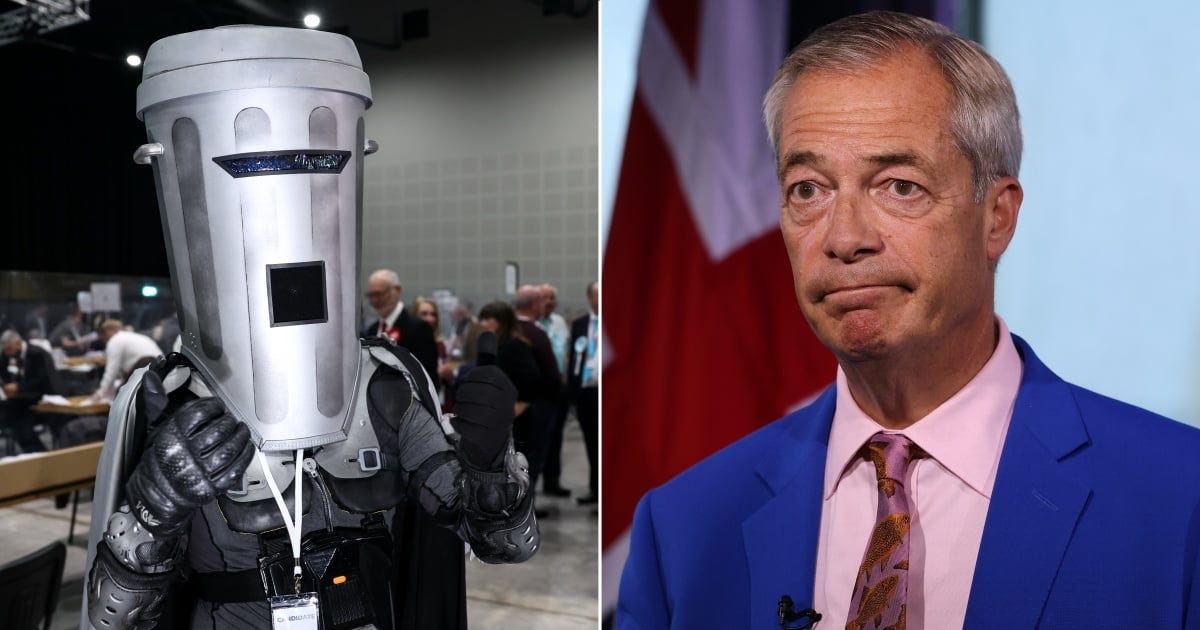
What makes this so pleasing is that Binface – a broadly drawn comedy character – is an uncomfortable shadow of Farage’s own ‘disruptive’ act, while also being a demonstration of the futility of personality politics. Most of all he’s a savage demonstration the easy ride that any fringe candidate can exploit. I hope Farage knows this. I hope it keeps him awake at night, as he’s hanging upside down in his bunker.
Saying the unsayable is an attractive proposition for politicians and the public. It’s made even more so when the unsayable is something that, arguably, needs to be said. If you examine the Binface manifesto, Jon Harvey has made sure there are enough ‘actually, why not?’ policies in there to make his point. If Farage is a no-holds-barred man of the people who says what we’re all saying, why isn’t he demanding privatised water company bosses swim in their own effluent?

Interestingly, Harvey’s policies tend to be focused on sort of everyday things that comic columnists and panel game comedians alike find themselves ranting about. Ice cream prices, greedy fat cats, everyday inconveniences. It’s observational comedy, so its foundations require instant recognition. These low-brow hot-topics feed off, and then into, more general public concerns. This is how politics survives at grass roots level. Even when the public claim to have ‘had enough of politics’, simple solutions to gut-punch problems will get proposed by social satirists on the left as much as the right. ‘How hard can it be?’ they all say. ‘Why haven’t they fixed this… or that…?’ It’s the grumble down the pub.
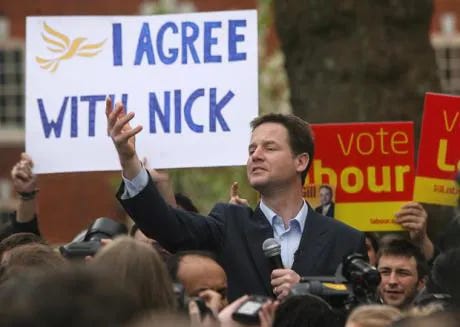
It’s what opposition parties rely on; being a restless expression of those grumbles. And if you’re a marginal candidate, you never need to actually have any answers, just ask the questions. Maybe you remember the process from 2010, when the Lib Dems’ Nick Clegg got a swell of support, amid a deluge of I Agree With Nick badges, just for not being boring and non-committal about a few important issues. People like to vote for a grumble that suppresses a scream.
And Farage is exactly that; a protest vote suggesting fuck-all-this solutions that a lot of people want. It’s stuff which probably won’t work, because otherwise one of the other parties would have suggested it – in the same way alternative medicine is just medicine that nobody can prove works, but we reach for it when we can’t think of anything else, because someone offering hope, and giving something new a try, damn it all, is a powerful antidote to frustration.
(It’s why Brexit has been an absolute clusterfuck. It wasn’t meant to happen. It was just meant to be the reason everything was shitty. Once you’ve done it, and it turns out to be really complicated, you’re left dissecting how the Usual Suspects Did It All Wrong. The point of being a rebel is that you never have to find out how hard it is to run a Death Star. You just blow it up.)
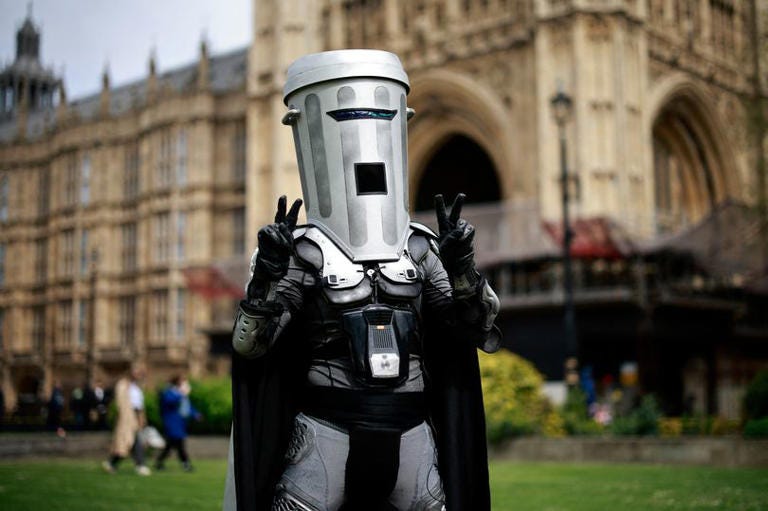
Which is why Binface works as satire: under the joke trappings, he isn’t actually all that different from Farage.
He’s an easily digested character, built from the same impulse to disrupt, and say, sod it let’s do something, smash it all up, I don’t care how. They both thrive on that uniquely combustible blend of rage, apathy and chaos. This by-election has been one ‘none of the above’ candidate fighting another. That’s the joke. It’s why it was so delicious when everyone else in ostensibly grown-up politics called Farage’s bluff and dropped out, leaving him facing his spiritual nemesis.
‘And so we meet again. We are not so different, you and I…’ It’s classical, formal. It certainly suits a cartoon supervillain.
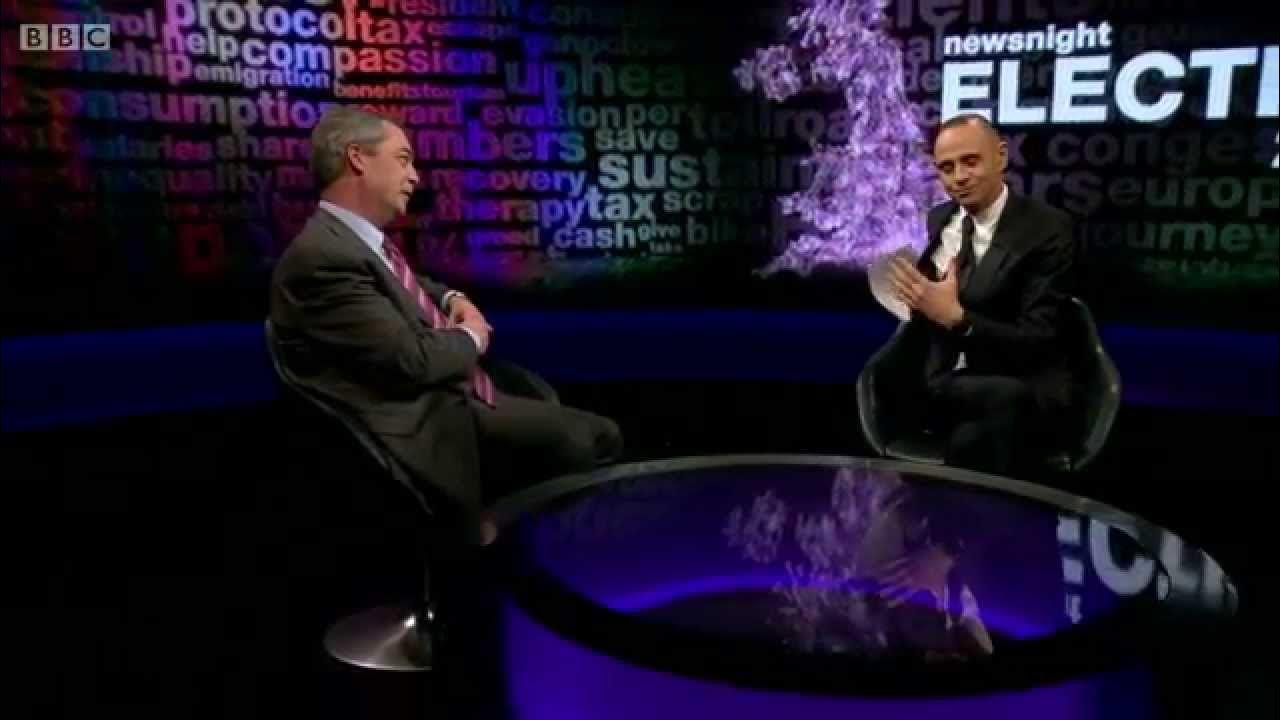
A decade or so ago, when Farage first rose to serious election-shaking prominence, I was asked to write some pro-Farage material for a political satire show that was going out on election night.
There are rules on impartiality while the polls are open, and we needed some stuff in reserve in case we’d been too rude to the man. He’s a big character. You’re bound to do that. It’s an occupational hazard. I scratched my head, and then came up with what seemed to me a very sensible question:
Why was Farage perceived as a thrilling aberration within British political life, an outrageous can-you-believe-this-character booking for broadcasters keen to enliven staid middle-ground debate, when his views were shared by a hell of a lot of people I knew back in my hometown as a kid? And a hell of a lot of people I know now. And, more importantly, the columnists and editorial staff of the most-read newspapers in the country.
It was weird that this normal (though objectionable and abrasive) voice wasn’t being directly used anywhere in mainstream politics, since it was the most common political stance you’d hear spouted in everyday life. (Remember Gordon Brown dismissing Gillian Duffy as ‘that bigoted woman’?) And by making that voice stand outside in the cold, Parliament and politicians risked making it seem like a rebellious marker of independent thought, not something that required the response, ‘shut up, Nan, stop reciting bullshit you’ve read in the Daily Express.’
Farage acted the iconoclast, but outside party politics and the Westminster bubble, his was a familiar, almost boringly mainstream voice. You didn’t have to get into too many taxi cabs or sit through too many family get-togethers to hear it ad nauseam. He was right about that. No argument. This was the voice of ordinary people.
But it was the voice of ordinary people fed simplistic jokey stands-to-reason solutions by billionaire-owned news media pretending they were only reflecting the simplistic jokey stands-to-reason opinions of ordinary people, which those people never challenged because their collective knee-jerkings were normalised, stroked and stoked daily by the news media. And that news media was, of course, they claimed, simply reflecting the genuine opinions of people, which had in turn come from... And so on and so on.
Farage and his offspring are the monetisable endgame of this grim ourobouros of barstool common sense, passed mouth-to-arsehole all the way down in a sort of stands-to-reason human centipede.
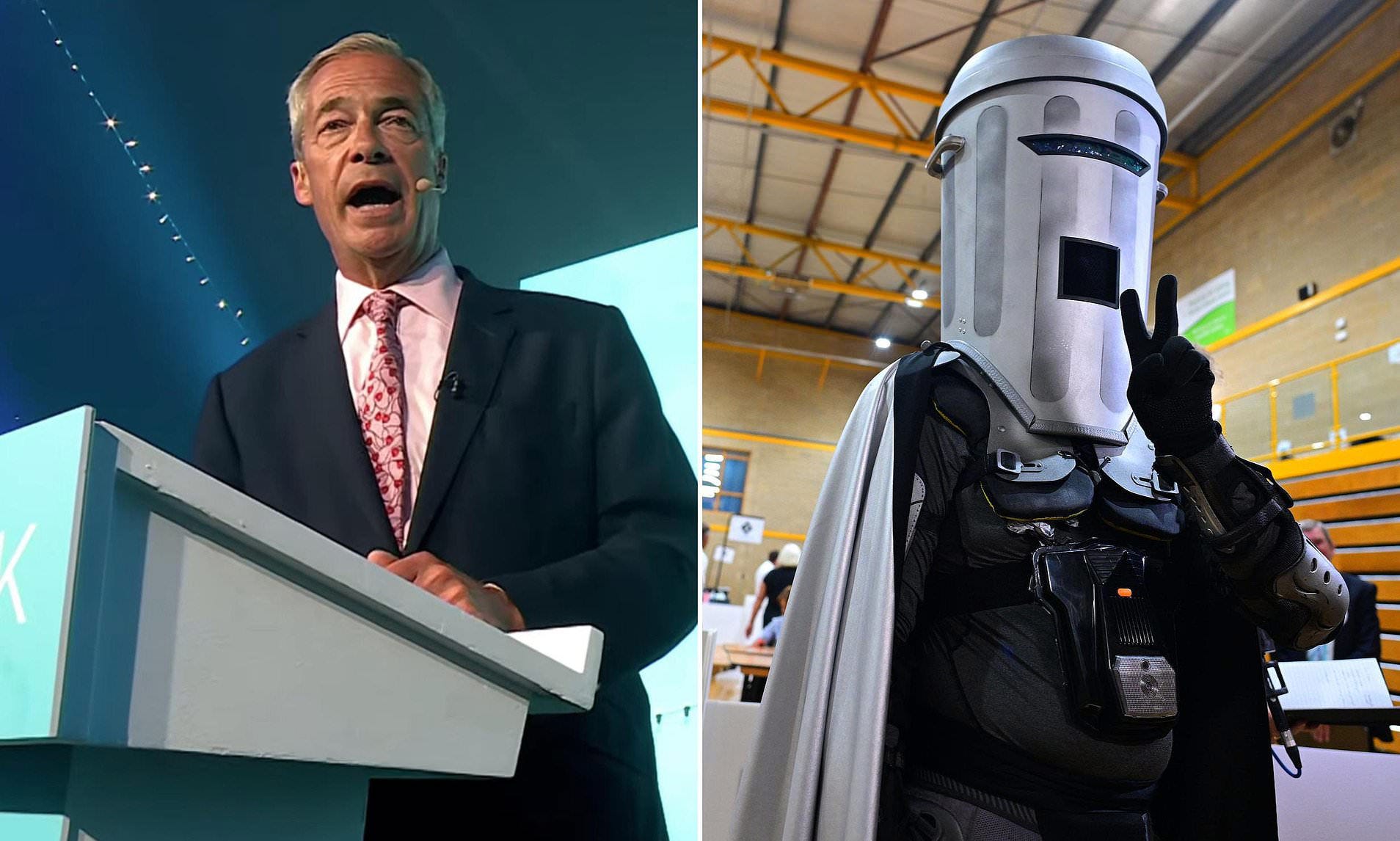
What unites Count Binface and Farage is that they both spring from a comic impulse to mock and simplify.
One is a cartoon shadow of the other, and Binface’s broad parody here is a cartoon of a cartoon. It works because we recognise it; its intent is not purely silly, but grounded. What’s ridiculous about Binface’s policies is what’s ridiculous about everyone’s policies whenever they pander to simplification for comic effect. You’re meant to laugh at Farage (or Trump, since they share a playbook). But you’re supposed to laugh along with him, secretly admitting ‘he’s got a point’, and wishing you had the balls to say the same out loud, and the power to insist we give it a go. Something. Anything. Just to shake it all up. That’s the Binface manifesto too.
Farage’s use of the comic columnist / editorial outrage voice is baked in. One of his right hand men, Gavin Towler, former UKIP press officer and now governing boardmember of Reform, used to run a satirical magazine called The Sprout: a sort of eurosceptic Private Eye published in Brussels. I recall Farage and various other Brexit luminaries contributed to it, and it sums up that line from joking to being serious. The political tone of Brexit was embedded within ‘whatever next?’ barmy eurocrat satire from the start. Michael Gove was a wannabe late night satire comedian. Boris Johnson was a funny columnist.
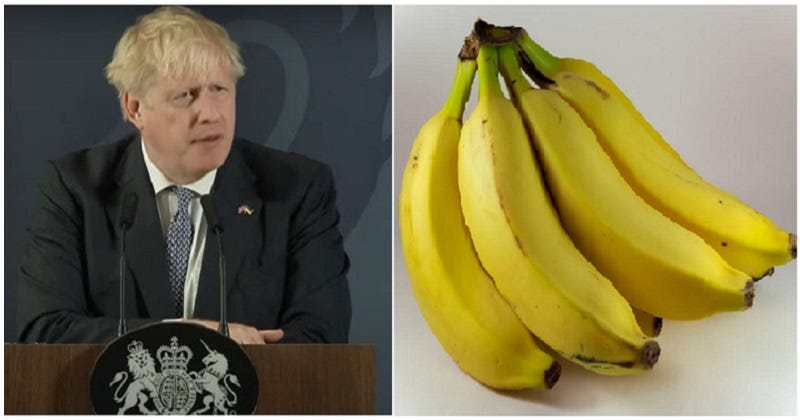
The solutions Farage and co offered to our woes didn’t come from dry political pamphlets, but from lighthearted Spectator columns about banana regulation, and Richard Littlejohn’s spiteful ex-pat missives in The Sun about the decline of a mythic Albion of chopper bikes, boiled veg and Alf Garnett. It sprung from the hugely popular man-of-the-people enough-of-this-nonsense comic voice of Jeremy Clarkson and the Top Gear lads. It fermented in the fictional swagger of Gene Hunt, and the mewling little Englandisms of Alan Partridge and David Brent, characters intended to satirise a certain sort of threatened patrician certainty, but finding sympathetic ears at the same time, because maybe we missed that voice being on television. When did everyone get so careful? Why can’t we just have some fun? Be ourselves? Can’t anyone take a joke?
This is why Binface works so well. Because it’s the same. As a piece of satire, the easier mode of attack is to come in softly, to act as a mirror to your opponent, showing them their true face. Think of Steven Colbert, say, or Swift’s Modest Proposal. It’s too easy to slip into polemic if you take a contrary stance, and just preach to the choir. Just speak in their own words, and see how they sound in a. new context. Technically, by dressing in your enemy’s clothes, you risk the Alf Garnett problem of speaking for the people whose consciences you intend to prick. (Let’s not forget that Binface isn’t the first comedy candidate to tackle Farage; Al Murray brought the resonances of his ur-Reform Pub Landlord character to the fight, with similar intent.)
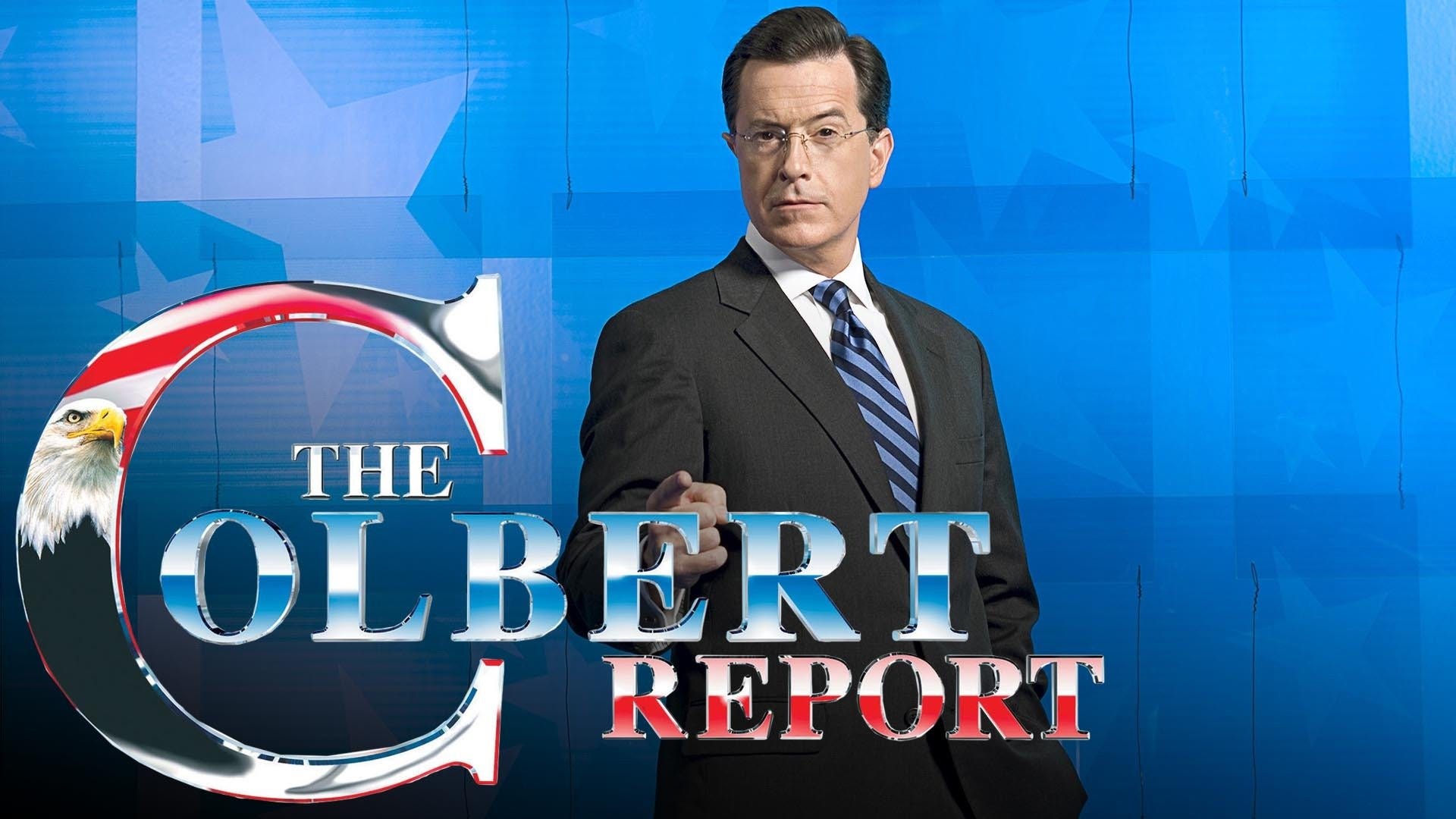
Binface isn’t parroting Farage’s voice, though. He’s being kinder, softer, and cleverer. It’s a way more difficult sort of satire to act as a twisted angel, to stand upright, as a better version of your opponent, more noble, and yet more ridiculous. As such, Jon Harvey deserves an OBE at the very least. Or to be made an actual Count.
It’s a national public service to stand as a ridiculous protest character and have better, more workable policies than your ‘serious’ rival, whose simplistic solutions have already been adopted, and proven to impoverish and diminish the lives of ordinary voters. It’s also a major argument for democracy, to point out that you can stand for Parlimanent and say your piece, and get on the news, and maybe shame the opposition. All of us can. And we don’t need to put a bin on our heads. We could just do that.
Of course, the problem is that Binface appeals to me – an Essex man, sure, but not really a target Clacton voter – and my desire to have clever people say counterintuitive but well-thought-out stuff (even while under a bin), whereas Farage appeals to people who want to bellow what they reckon until they get what they want, even if it isn’t what they want. So Binface, using wit and intelligence, is never going to win an election.
But he needs to be there, as a clown shadow of how the supposedly truth-telling populist candidate is pulling his tricks. A serious politician would never be able to do this. Because they’re the intended victim of Farage’s stylings. But Binface turns those tricks directly against him. It’s like comedy judo, using the weight of your opponent to topple them over.
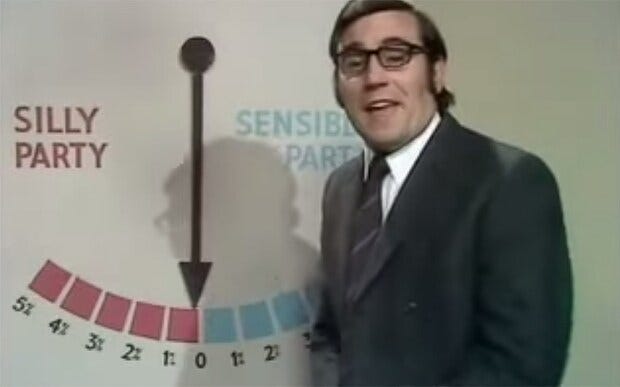
When Monty Python offered us the Silly Party against the Sensible Party in their parody of the 1974 multiple general election shambles, they had a point.
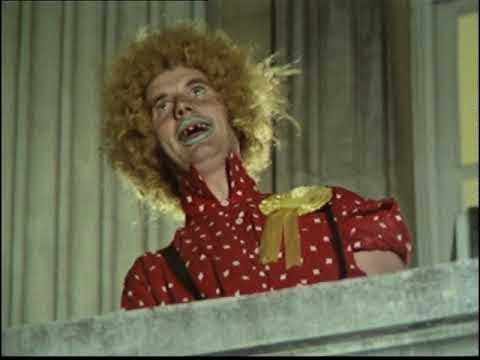
Obviously all parties should regard their opponents’ approach as silly, or depict them that way in order to win us over. The Pythons, very much products of their time, wanted to essay the then-revolutionary idea that politics itself was silly, a natural extension of their Ministry of Silly Walks. ‘They’re all the same.’ ‘What can you expect?’ Mocking the teachers, just as the Beyond The Fringe gang had done. These great political giants are just people, and they’re as daft as you and me, no better no worse. As Neil Innes (who played Kevin Phillips Bong) (Slightly Silly), sang ‘no matter who you vote for, the government always gets in.’
I’m not sure we have that luxury anymore.
We’ve seen what happens when we really vote in a silly party, headed by funny people who were funny on that funny programme and wrote all those funny pieces about bendy bananas tee hee. They fuck up a pandemic, and lots of us die. Or they insist on taking a suicidal route out of globalised markets and knacker our economy.
So, I’m deadly serious that Count Binface is one of the best bits of clowning I’ve seen in a very long time. It’s so glorious and pure. It’s standing next to a supposedly serious politician and, by dressing as a clown, a cartoon, a comic book oversimplification of character-led politics, by putting a fucking bin on your head, somehow looking and behaving distressingly like him.
I used to say Rod Hull was our greatest court jester. All it took was a classic jester’s bladder on a stick, covered in raffia, with a beak. And then having that bladder on a stick hit people who were meant to be beyond being hit with a bladder on a stick, in very public places, broadcast to the nation, to prove nobody’s going to escape having their dignity forcibly stripped from them (and, in Michael Parkinson’s case, a slip-on shoe.)
I think this is up there with that. I really do.
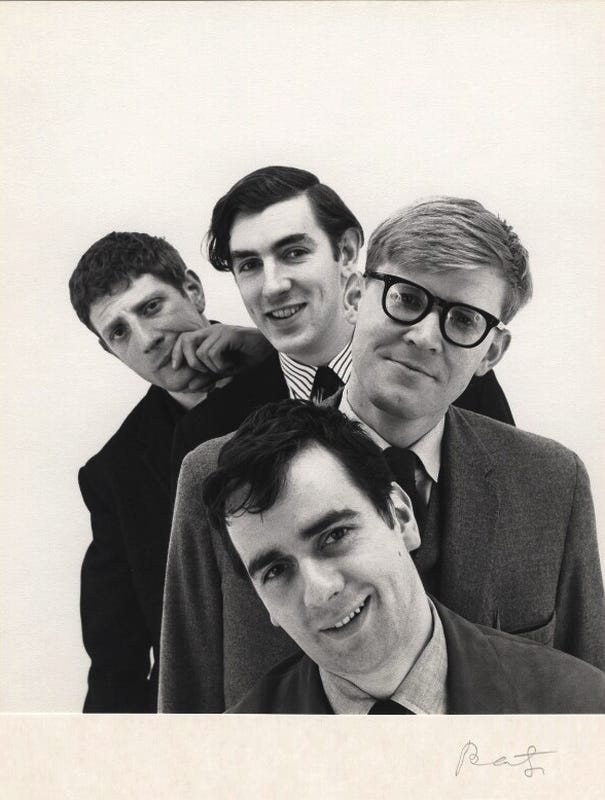
Peter Cook once memorably argued that satire was pointless by referencing the inter war Weimar cabaret that had ‘done so much to prevent the rise of Hitler’. Which remains a great joke. But I think there are other ways to make a point than by beating your opponent in an election. You might just need to stand close to them, and be better than them, more effective, gentler, more human, more foolish, braver, stronger, while being in many ways exactly like them.
That’s what a good clown does. They show us our humanity, our feebleness, and our immense possibility. We can be better than this.
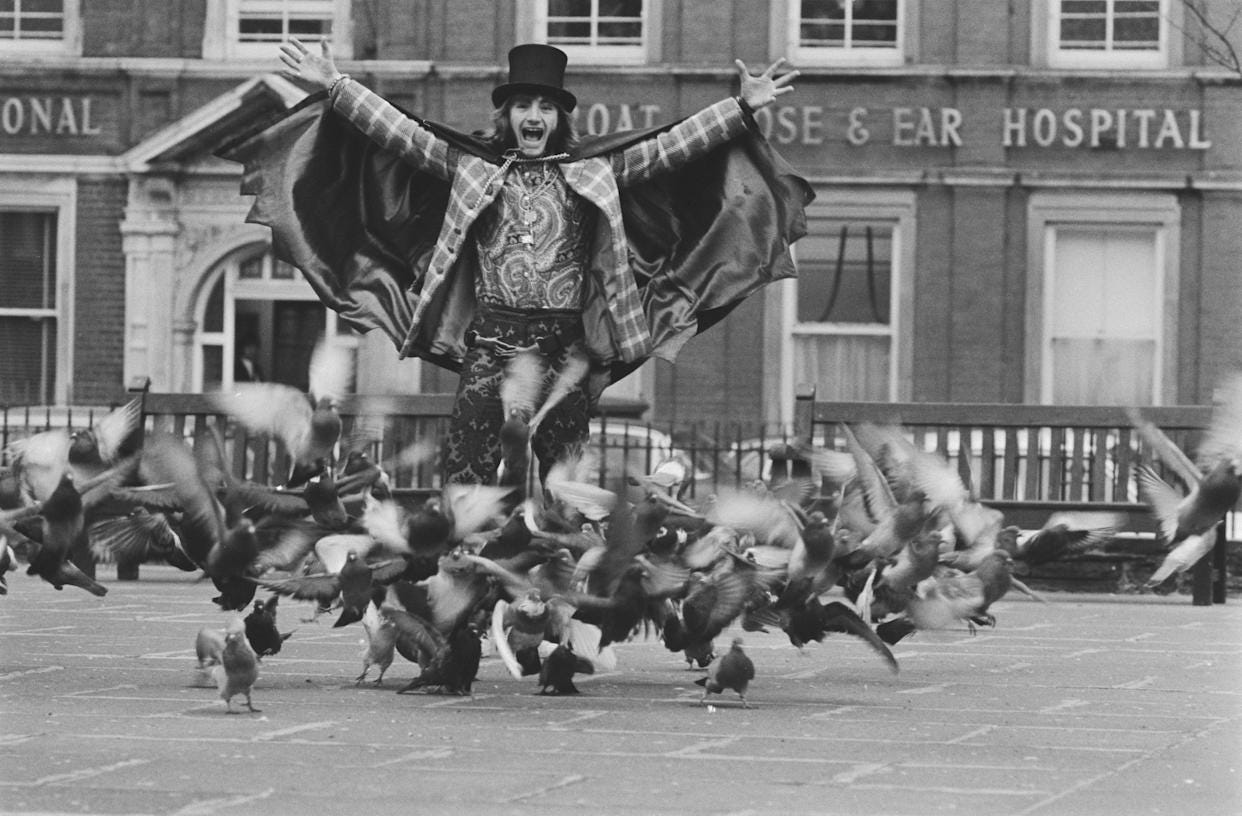
I recently learned that the musician and irritant Screaming Lord Sutch (the original prototype for Binface) was a major reason that London’s Carnaby Street is pedestrianised, and therefore pleasant to visit for millions of tourists and Londoners. It was one of his “loony” campaigns. As was abolishing dog licences. He also proposed abandoning the 11-Plus exam, and reducing the voting age from 21 to 18. All that plus inventing shock rock and giving us independent radio.
I never found Sutch that funny (though I liked his music). But I’d say that’s a far better legacy than Brexit, and a bigger boost to the British economy.
Jon Harvey’s piloting of the Count Binface juggernaut through this by-election may not have quite the same lasting effect as all that, but he’s a significant figure now in the argument that sometimes the funny people have got a point.
No posts
Comments
Nothing yet. Say the first thing.
Sign in to join the conversation.