
Pondering the new Gregg Allman documentary and the legacy of the Allman Brothers
The new documentary on singer, keyboardist, and guitarist Gregg Allman, The Music of My Soul, is beautifully done. Whether you come from jazz, blues, country, or rock n’ roll this is a compelling story about what it meant to start a whole new style of music in one of the most innovative eras of our lifetimes, the late 60’s. It’s equally a story about what it means to be in a real band. A band, if you will, of brothers.
This was a very personal story for me. If I had to single out one person I tried to emulate when I was 15 or 16 it would be Gregg Allman. I suppose Jerry Garcia and Jimi were a close second. Jimi was from another galaxy, beyond reach, Gregg and Duane felt a teeny bit closer to earth. This was before I had discovered the mysteries of Miles Davis and the delights of jazz. I learned every note of Live at the Fillmore East, grew my hair long, and started drinking as much and doing as much cocaine as possible.
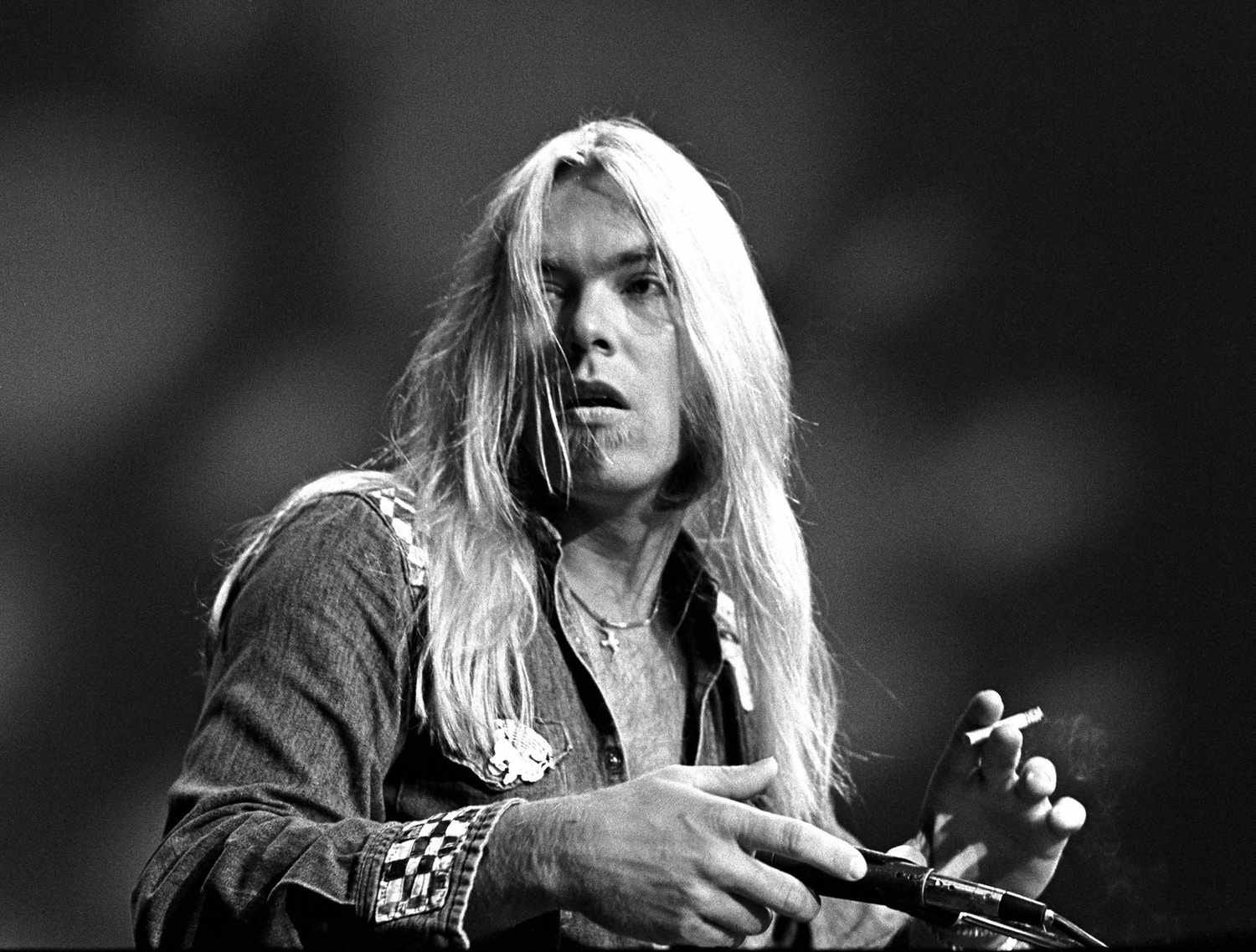
There are many fascinating facts in the movie. Gregg had only been playing keyboards for a little over two years before their biggest record came out. That’s one hell of a quick learning curve, surely helped by the fact that they played 305 live dates in 1970 alone. And he wrote many of his greatest songs before he was 20. Both he and Duane seemed to be hit by lightning in their teens. You listen to Gregg’s singing in 1967, and it sounds like just another talented white teeny bopper with long bangs. Suddenly, he was introduced to black singers like Floyd Miles, and virtually overnight he sounds like Floyd!
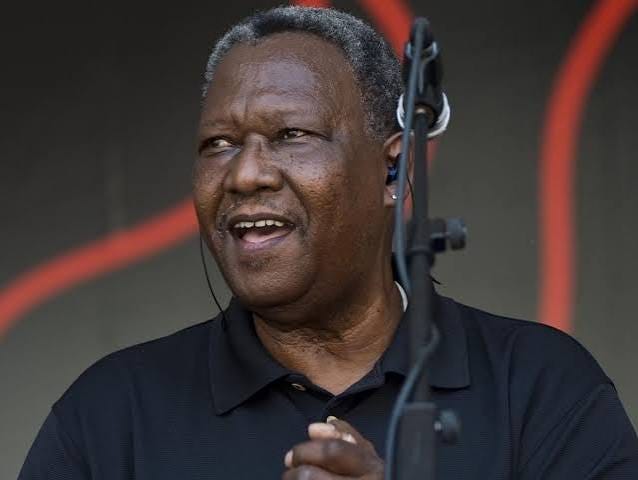
Singers, let me ask you a question. Are you capable of sounding like your heroes at will? If that were true, I would be able to sing like Gregg Allman, and my life would be very different. It’s hard to imagine how this change happened, the near immediate shape shifting, where within a year this guy and his brother became two of the most soulful, influential, and deep- rooted performers of our lifetimes. Go ahead and listen to early “Allman Joys,” Duane’s and his first band, and compare it to the first Brothers record. Miraculous change. Part of the miracle, of course, is the incredible chemistry that the final lineup had. And they had it right away. What a gift that must’ve been.
Something should be emphasized here. The Allman Brothers story is the story of white and black music uniting. We see that throughout the history of American music, of course. But in the world of mega rock bands, they were on the forefront. This is true for several reasons, not the least of which is that they were one of the first to include a Black person in their lineup, Jaimoe. Others had taken on the Blues, like Cream and Paul Butterfield. But the Allmans were from the place where blues were born. It’s hard to remember just how controversial a mixed band was in 1969. The Allmans’ love of Black music was not an urge towards replication. The band didn’t try to be something they weren’t. They took that influence and merged it with all the other things they loved, including the jazz music of the day, and made it their own. THIS is what makes them stand out.
Yes, they were deeply influenced by jazz. Jaimoe aspired to be a New York Jazz musician before he joined the band. Butch Trucks was a huge Elvin Jones fan. Gregg’s jazz knowledge may have been more nuanced, but it was there. Take his masterpiece, “Queen of Hearts.” A section in 5/4 reminiscent of Brubeck’s “Take Five,” and a chord progression that is essentially the jazz standard “Autumn Leaves.”
Look at the world of “jam bands” now. Do you think more than 1% of them would list Coltrane as an influence? More’s the pity.
There was a deep loneliness in Gregg. He said in the doc he was lonely no matter who he was with or where he was. (He was married 7 times…) Performance may have been his only cure for this malady. He was very shy, which was at odds with his rockstar charisma. I never met the man, but hearing him speak in the documentary shows me a lot about where his music came from. This was a sensitive soul, someone who suffered enormously, somebody who could dig deep into that place that so many of us fear and bring forth transcendent beauty from it. Maybe he sang with such soul and compassion because his heart ached so bad.
To really sing the blues you need to be able to rip your guts out. This is not a conscious choice. This is something that falls on you. There’s a price to pay. You have to walk back across the bridge of sorrows when the music’s over into the so-called “real world.” It can be challenging, and perhaps partly explains why Gregg, and so many other others, had such terrible substance abuse issues.
Gregg reflects on the years he lost to alcohol and drugs. He becomes quite emotional. He says he went to rehab 12 or 13 times, and finally just gathered a couple of friends around and kicked his vices cold turkey. If you know someone with these issues, have them watch this movie.
Something else that strikes you about the documentary—the live footage of the band in its prime. Good God Almighty they were ripping. The groove in that rhythm section feels like a tsunami. I can only imagine what it must have felt like to play a solo elevated by that power.
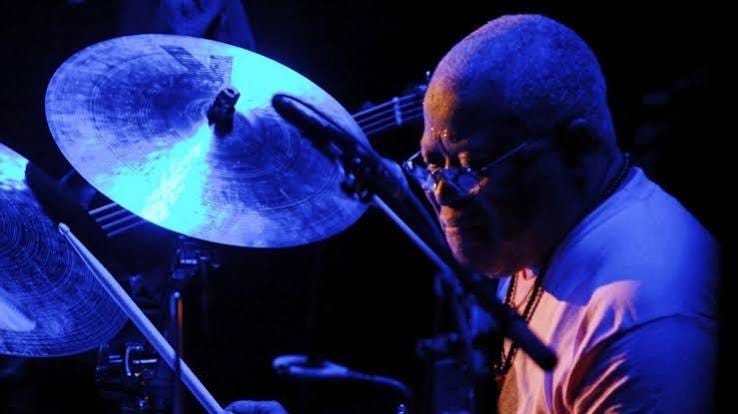
All of this has been much in mind for me recently, because I’ve been playing with Jaimoe. I was introduced to him by the great jazz bassist Joe Fonda. Joe told me Jaimoe loves to play jazz, so we went up to his house and did some playing. Now a group of us, including Bruce Katz and Kris Jensen, both of whom have played with members of the Allman’s, are performing in Woodstock next week. God help me, it is not an Allman Brothers cover band we’re striving for. We’ll play some Allman Brothers tunes, but also some jazz stuff. Or maybe I could say it differently by quoting Jaimoe— “All American music is jazz.” If we do our job right, you won’t be able to tell the difference between the Brothers tunes and the Coltrane tunes.
Which brings me to the issue of cover bands.
The legacy of the Allman Brothers, like the Grateful Dead, continues unbated, six decades after their founding. Cover bands abound. There are mind-boggling numbers of people doing Grateful Dead music. Was it that long ago that you had to whisper the band’s name if they were an influence? I was an outlier, or so I thought, sheepishly mentioning them along with Miles, George Russell and Duke Ellington. Did everybody suddenly discover them? Or is it the only way you can get a gig now? There are many people playing the music of the Allmans, too, but less than the Dead by a long shot. Why? Because it’s great music.
I have nothing against cover bands. Some of them are really great. What I question is people who do not invest their own personalities, their own quirks, and eccentricities, and perspective into the cover music. Those who just want to copy, as if it were classical music. So much of the life of this music is the journey into the unknown. This idea of replicating iconic music is in some way a violation of a code I hold, dear. The code is this: “Make it New.”
I understand that not everybody wants to do that. Or is capable of doing that. But I wish more people tried.
If you look at the programming for most music venues today, it’s 50% cover bands or more. Musicians can’t stand this, but audiences like it just fine. So I don’t want to get on my high horse and sound judgmental. I want people to be happy. Everybody needs to make a living, so if bands are getting paid good money to play covers, maybe it doesn’t matter what that music is. But as I ponder it…
You cannot bottle lightning. You cannot replicate soul. The reason the Brothers sounded like they did is because it came from a place of magic that was built by DNA, by time, by their collective heartbeats, not just the notes they played. I wonder if that’s what we should be striving for as musicians? Not the notes, but the feeling, the magic, and in my experience magic never happens when you’re trying to do something that’s already happened. Magic is something that’s never happened before. Its primary quality is surprise, surprise built of delight and wonder, all stuff you can’t control, and the single moment, which will never come again.
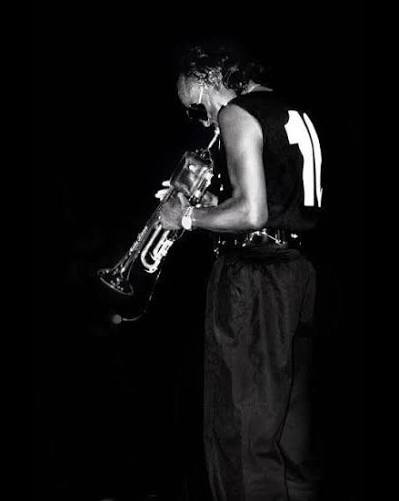
Miles Davis playing at The Cellar Door…as unpre-programmed as it can get.
I’m going to be singing several Gregg Allman tunes next week. After seeing this documentary, I feel a certain weight as I prepare for this. Lord knows I can’t come close to what he did. That doesn’t mean we shouldn’t play the music though. What it means is that when I launch into it, I have to forget about him. My journey has been completely different than his. All of that should be apparent in my performance. If I fall short, it won’t be because I was trying to copy Gregg or Duane or Dickie, or even Derek Trucks. I have to be myself. Their shadows are huge. No matter, I have to create my own shadow.
I like to ask myself when I’m playing a Dead tune, or a Gregg tune. “What would Jerry want?” Or Gregg? There is no doubt in my mind what the answer is. “Don’t try to be like me.”
I’m also being prepped for this gig by the camp I’m co-producing with Luther Dickinson this week in Big Indian, Catskills Blues Crossroads, that will feature Charlie Musselwhite, Bobby Rush, Jon Cleary, Eric Gales, Bruce Katz, and so many more. Holy shit, can you believe it? Talk about history.
https://www.crossroadsbluescamp.org/
I’ll report back on all of it!
The legacy of the Allmans? Obviously, they created a blueprint where multiple forms of American music connect and collide under the umbrella of a great song. So did Duke Ellington and Miles. Theirs was based in the collective mind, the outpouring of cosmic consciousness, the peace and love utopia of the 60’s— and LOUD guitars. Halleleluia! It’s truly guitar music. You could say they helped create “Southern Rock,” though that always seemed a limiting phrase, and perhaps not encompassing enough of their metier. Gregg’s writing and Duane’s groundbreaking slide work is at the heart of it. But the WHOLE band made the sound. They literally helped write some of the pieces (just ask Jaimoe.) People will play these songs for a long, long time— they are rich with history, love, and heartache, and invested with a deep humanity.
If you’re in upstate NY Aug. 15
https://www.eventbrite.com/e/jaimoe-friends-of-the-allman-brothers-band-tickets-1992789228226
No posts
Comments
Nothing yet. Say the first thing.
Sign in to join the conversation.