
In SERIOUS TRAINING 35 I explained the importance of skill for performance. It’s an important ability of Base training alongside force and endurance. Movement skills for your sport play an important role in how economically you move. Poor economy means wasted energy and slower times. The longer your race, the more important economy is to the outcome.
In that article, I explained what makes for a successful skills workout. But there are other important matters. Skills are not just one and done in the Base period. It’s so important that you need to work on them regularly and frequently throughout the season. This is one area of training for which there is no down time.
Why? Because skills are delicate. While aerobic endurance can be maintained for weeks, skills begin to fade within days. They are a product of your nervous system. Frequent, high-quality repetitions, not just infrequent high-intensity efforts, regenerates them. For that reason, you should do at least two dedicated skill sessions each week during the Base period and then maintain those skills by weaving them into other workouts throughout the remainder of the season. A good time is during the warmup when you can focus on technique quality. Regardless of your level of performance, skill refinement should never stop.
Why is the Base period so important for mastering skill economy? And why is it so beneficial to continue the skill development into the Build period?
Base Is the Time to Learn
In the Base period you are not doing any serious hard workouts or races. Training intensity is quite low and fatigue is easily managed. That makes this the ideal time to improve your skills.
Continuing to work on skills in the Build period is something we should also do. But if you postpone all skill work until the Build period, most workouts then are already focused on race-specific fitness. There is little time or energy left for deliberate skills practice.
Skill Is a Neurological Adaptation
Force training changes muscle strength. Endurance training changes the cardiovascular and muscular systems. Skill training changes the brain and nervous system. Each, of course, is important in its own way. These three abilities should make up all your Base training. This is not the time to be doing intervals, tempos, hill repeats, and hard group workouts. That’s best done in Build. In Base concentrate only on the Big 3—endurance, force, and skills. You’ll go into the Build period much better prepared for the high-intensity challenges that are the focus then.
Each skill-drill repeat reinforces neural pathways that control timing, coordination, balance, and muscle recruitment. These changes occur only through repetition, and they occur best when every repetition is technically correct. You can’t zone out when doing skills drills. Stay laser focused on the details of your movement.
Good Technique Reduces Movement Cost
Endurance sport training results in improved economy in some sport-specific way, if you know what to focus on. For example,
· Reducing vertical motion in running.
· Pedaling the bike more smoothly.
· Reducing drag in the water.
· Gliding farther in skiing.
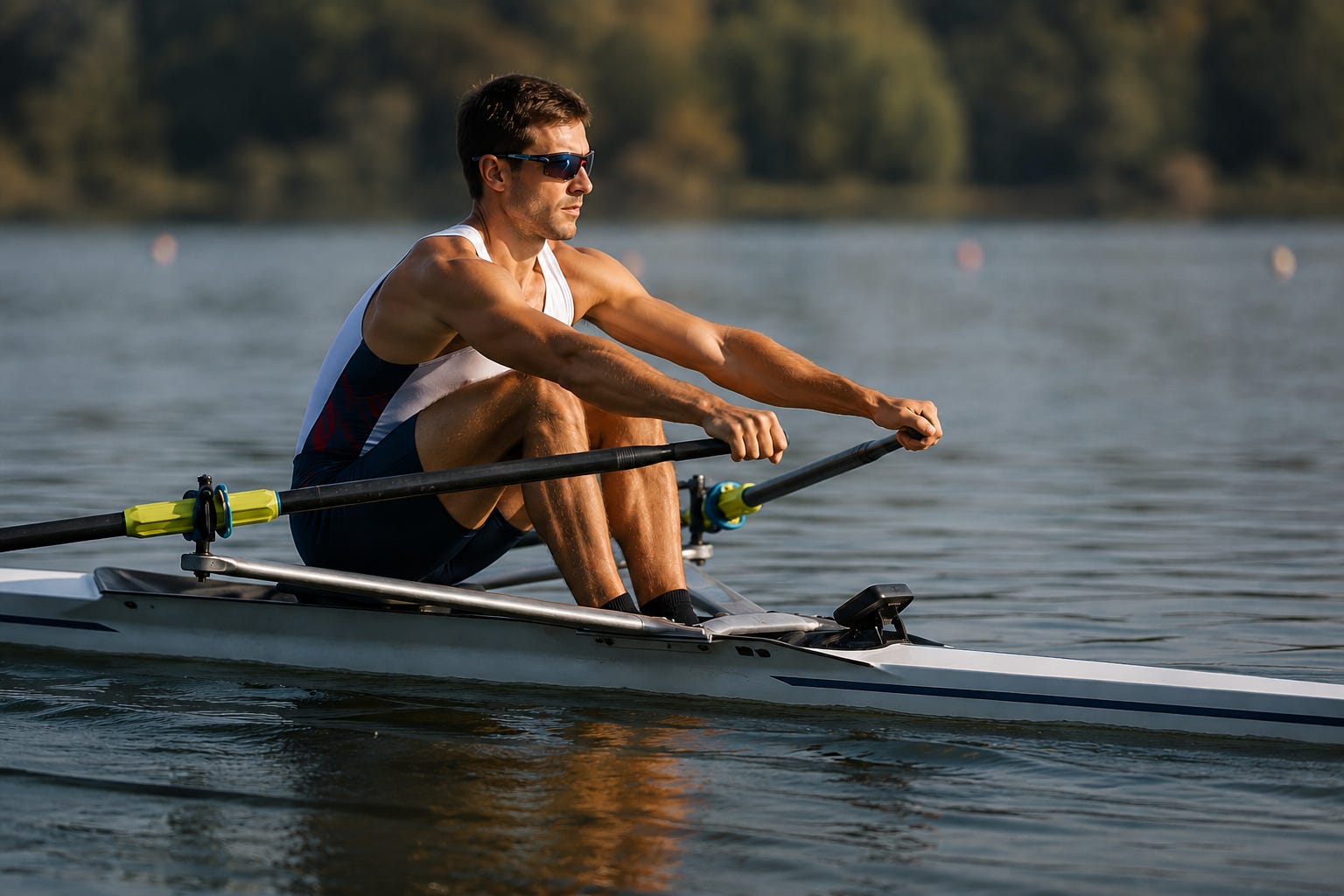
· Entering the blade more cleanly when rowing.
All of these mean less energy expended at any speed. You don’t have to focus on effort to become faster. There is another way. By becoming more economical you waste less energy. That delays fatigue since your primary movements require less energy. That keeps you fresher longer. Reducing the onset of fatigue allows you to move faster. Economy of movement is based on expending less energy when moving. Multiply each of your movements by hundreds of even thousands and the energy savings is huge.
Speed Exposes Flaws
When moving slow in your sport your technical weaknesses are hidden. But when you accelerate for only 10 to 20 seconds your small inefficiencies become more obvious. The runner is tense and oscillates, the cyclist pedals squares, the swimmer’s stroke has a wimpy catch, the skier makes uneven force applications with the poles, and the rower loses stroke rhythm.
All such flaws can be corrected with frequent, not-quite-all-out sprints. Doing a few sprints of 10 to 20 seconds twice each week in the Base period can make the difference. But you must be focused on good technique. Don’t practice making poor movement. Practice perfection.
All your flaws can be corrected if they are addressed in a timely manner before they become permanent bad habits. The Base period is that time.
Skill Deteriorates If Not Used
It’s not enough to learn from a coach or experienced athlete how to move economically. That’s just the starting point. You need to repeat those movements patterns repeatedly. And there is no end to it. The skill workouts you do twice weekly in the Base period should continue into the remainder of your season. While unlikely to ever fully achieve it, perfection is what you are seeking.
For example, what you might do weekly throughout the season…
Finish an easy run with 4–6 fast, but relaxed strides.
Include a few high-cadence accelerations within an endurance ride.
Add several quick 25-meter swims with long recoveries during a recovery session.
Do a few short accelerations on skis before a threshold workout.
Include several brief, high-cadence rowing bursts during warm-up.
Doing these will take only a few minutes. But you are reinforcing the economical movements patterns you established in the Base period. This is how you become an athlete, rather than just someone who shows up for races.
Skill Must Become Mindless
Don’t think about technique during a competition. You’ve got too many things to think about already. Economical movement must become automatic. What makes this happen? Thinking about in workouts throughout your season. Doing form-emphasis sprints twice weekly in the Base period is a good starting point. But then you’ll be doing hundreds or even thousands of thoughtful sport-specific movement repetitions weekly. Year round. Always be aware of your skills when training. Avoid being sloppy.
You must be always reminding the nervous system: “This is how I want to move.” By doing this day after day, week after week, year-round, your skills become well honed. Your movement becomes just who you are as an athlete.
Small Improvements Accumulate
The purpose of skill training isn’t simply to make you move faster. It’s to teach you how to move better. Two dedicated skill workouts weekly in the Base period and occasional but frequent weekly skill rehearsals in the Build period are a good starting place. It will eventually pay off with automatic refined skills when knee deep in competition.
Watch the best athletes in your sport. Notice how fluidly they move even when going fast. Pay attention to how they move. What stands out for you? One thing you should see is that they waste very little energy. Strive to make your sport-specific movements just as fluid and free of tension.
How do you do a productive skills workout? That’s where we are going next.
Comments
Nothing yet. Say the first thing.
Sign in to join the conversation.