
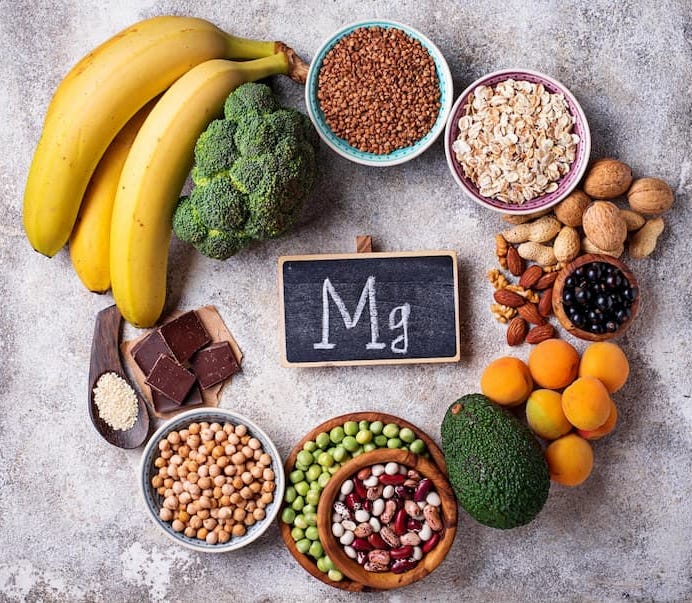
Magnesium has officially graduated from a standard pharmacy aisle mineral to a full-blown wellness phenomenon. TikTok creators claim it cures insomnia, bodybuilders swear by it for muscle recovery, and mental health advocates praise its calming effects. The reality behind the hype is backed by data: up to 50% of Americans are estimated to be deficient in magnesium, largely due to a modern diet saturated with ultra-processed foods. However, stepping into the supplement world reveals a massive catch. “Magnesium” isn’t just one ingredient—it comes in various chemical compounds, and picking the wrong one means you are essentially throwing money away (or risking severe digestive distress).
Why Modern Diets Fail the Magnesium Test According to medical experts, our bodies rely on magnesium for over 300 biochemical reactions, spanning from nerve transmission and blood sugar regulation to bone density and heart health. In an ideal world, we would get enough from a plant-forward or Mediterranean diet rich in leafy greens, nuts, seeds, and whole grains.
But in reality, convenience food strips away natural dietary fiber—and with it, the magnesium. Furthermore, modern medical realities complicate things. Common medications like proton pump inhibitors (PPIs) for acid reflux and diuretics for high blood pressure actively deplete the body’s magnesium storage. Because definitive testing for tissue-level deficiency is highly complex and rarely covered by insurance, empirical supplementation has become the gold standard for preventative health.
The Breakdown: Choosing Your Form Wisely When buying a supplement, the word after magnesium tells you exactly what it will do to your body. Based on bioavailability and clinical usage, here is how the most common forms stack up:
Magnesium Glycinate (Best for Sleep & Anxiety): Bound to the calming amino acid glycine, this form boasts incredible absorption rates. Because it easily crosses into your system without irritating the digestive tract, it is highly recommended for overnight recovery, stress management, and those with sensitive stomachs.
Magnesium Citrate (Best for Digestion & Constipation): This form is highly bioavailable but draws water directly into the intestines. It is incredibly effective as a mild laxative to support digestive regularity, but taking too much can easily cause stomach irritation and diarrhea.
Magnesium Malate (Best for Energy & Fatigue): Bound with malic acid, which plays a central role in the cellular ATP energy cycle. This compound is favored by individuals tackling chronic fatigue or fibromyalgia, making it ideal for morning or midday consumption.
Magnesium L-Threonate (Best for Brain Optimization): The premium choice for cognitive health. It is uniquely capable of crossing the blood-brain barrier effectively, targeted specifically at enhancing memory, focus, and overall brain function.
Magnesium Oxide (The One to Avoid): The most common form found in cheap, generic store brands. While it has high elemental mass, its absorption rate is notoriously poor (often under 5%). Your body excretes most of it, resulting in zero systemic benefits and heavy stomach cramps.
The Strategic Guide to Safe Supplementation For anyone with fully functioning kidneys, experimenting with magnesium is remarkably safe because the body naturally filters out any excess. However, quality control remains the Wild West of the supplement industry. Since dietary supplements are not tightly regulated before hitting the market, checking labels for independent third-party testing (like NSF Certified for Sport or GMP certifications) is non-negotiable to ensure you aren’t consuming heavy metals or filler materials.
Conclusion & Key Takeaways
The Form Dictates the Function: Never buy a generic bottle labeled just “Magnesium.” If you want better sleep, buy Glycinate. If you need digestive support, buy Citrate. If you buy Oxide, you are wasting your cash.
Prioritize Dietary Baselines First: Supplements are meant to fill gaps, not replace real food. Elevating your intake of pumpkin seeds, almonds, and spinach is still the most bioavailable path to optimal mineral health.
Verify Before You Buy: Look for third-party lab stamps on your supplements. High-quality brands will explicitly state the amount of actual “elemental magnesium” you receive per capsule, rather than just the weight of the raw compound.
No posts
Comments
Nothing yet. Say the first thing.
Sign in to join the conversation.