
Originally published in the Moultrie News.

Is the summer slump real? If so, should more districts consider year-round school?
The summer slump (or summer slide) is based on research showing that students’ reading and math skills decline or stagnate over summer vacation.
The logic behind it is simple: what you don’t use, you lose. When kids aren’t in school, many don’t read, write, or do math. Ergo, those skills wane.
The slide is real, but it may not be as damaging as you think, and there are common-sense remedies to forestall it without enduring the catastrophic loss of teachers that would undoubtedly occur if we stripped away the profession’s most celebrated perk.
It’s true. A lot of teachers stay in the profession precisely because summer breaks allow them to raise families while earning a full-time income. Did you ever meet a human who said, “Oh, I’d love to teach, but only if they get rid of those summer breaks.” What about, “I had to get out of teaching; the summer breaks were just too long”?
Fine, but what about the kids?
We can all attest that time takes a toll on little-used skills. I have to re-learn how to reset my car clock every time we fall back or spring forward. Still, that’s not an argument for year-round clock-resetting practice. It’s an argument for emphasizing basic knowledge like how to follow on-screen guidance or apply a logical algorithm. Even having lost the clock-setting skill, I still manage because I possess those fundamentals.
I doubt you’d do well on a ninth-grade algebra exam, even though you’re probably an intelligent, successful individual who once mastered the course. The fact is, most of us don’t factor perfect-square trinomials enough to justify our brains holding onto the skill.
That’s not to say such skills are useless. On the contrary, they help us with pattern recognition, symbolic reasoning, persistence, abstraction, and learning how formal systems work. We should worry when children lose essential skills like those over the summer, not when they forget how to find the volume of a cylinder—even though that’s exactly the kind of knowledge standardized tests often measure when assessing “summer slumps.”
It’s similar with reading. There’s lifelong value in learning to appreciate literature, and understanding figurative language, characterization, and plot structure helps. But if you spend more time working than reading, remembering terms like “personification” and “dramatic irony” may be a lost cause.
What should never be a lost cause, however, is your ability to read and understand that book, those directions, or that news article. These require the basics, which must travel with us throughout life.
Standardized tests, however, focus more on the details than the big picture, so the results of a “summer slide” may appear steeper than it actually is.
That said, the danger that kids will lose even those basic skills after weeks of no practice is real—especially for those who struggle to learn them to begin with. That’s why summer work and summer reading are critical. But not the way schools have generally structured it.
Kids don’t need to construct projects or write analytical reports on the books they read over the summer. Likewise, packets of math worksheets accomplish little more than making kids hate the drudgery of math.
Instead, summer reading should consist of reading, at least 30 minutes a day. Math should focus on basic, real-world usage through activities like cooking, budgeting, measuring, and playing games. Writing can be practiced by penning letters, keeping a diary, or creating stories.
The benefits kids get from such informal, self-led learning opportunities extend beyond reinforcing the basics. Eliminating that free time makes year-round school the educational equivalent of helicopter parenting—micromanaging a child’s calendar because we don’t trust them to learn without a lesson plan.
But it all hinges on parents ensuring that kids actually do the learning opportunities and don’t just lay around scrolling all summer. For kids allowed to fall into that trap, the summer slide will look like a speedbump compared to the permanent plunge that may one day befall them.
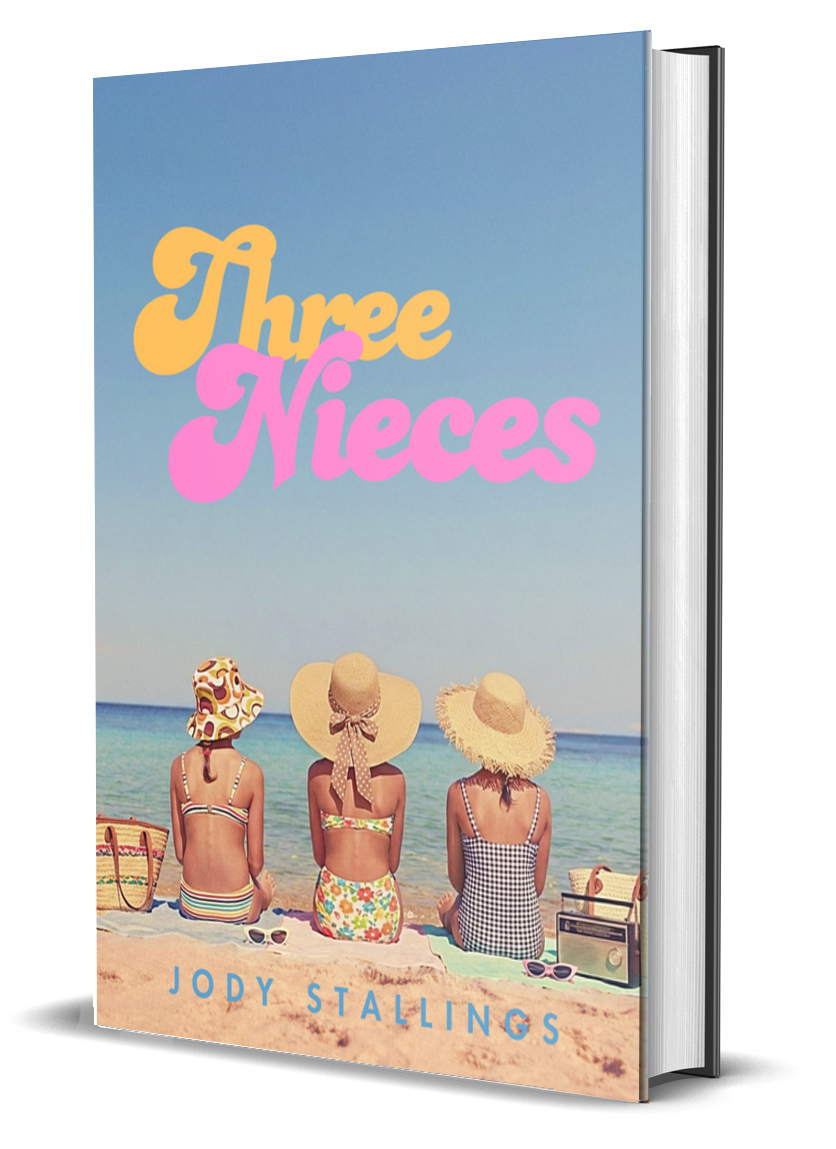
My new book, Three Nieces, a heartwarming, coming-of-age novel about a family’s summer on Sullivan’s Island in 1967 is available in paperback, hardback, and ebook on Amazon.com. It’s the ideal summer beach or poolside read.
BUT, throughout July, the ebook will be half price (only $1.99) only on Smashwords!
And if you want a special autographed copy, you can order it directly from my website.
Thank you for supporting me! And if you enjoy the novel, please help me by leaving a review on Amazon and Goodreads.
Jody Stallings has been an award-winning teacher in Charleston since 1992 and is director of the Charleston Teacher Alliance. To submit a question, order his books, or follow him on social media, please visit JodyStallings.com.
No posts
Comments
Nothing yet. Say the first thing.
Sign in to join the conversation.