
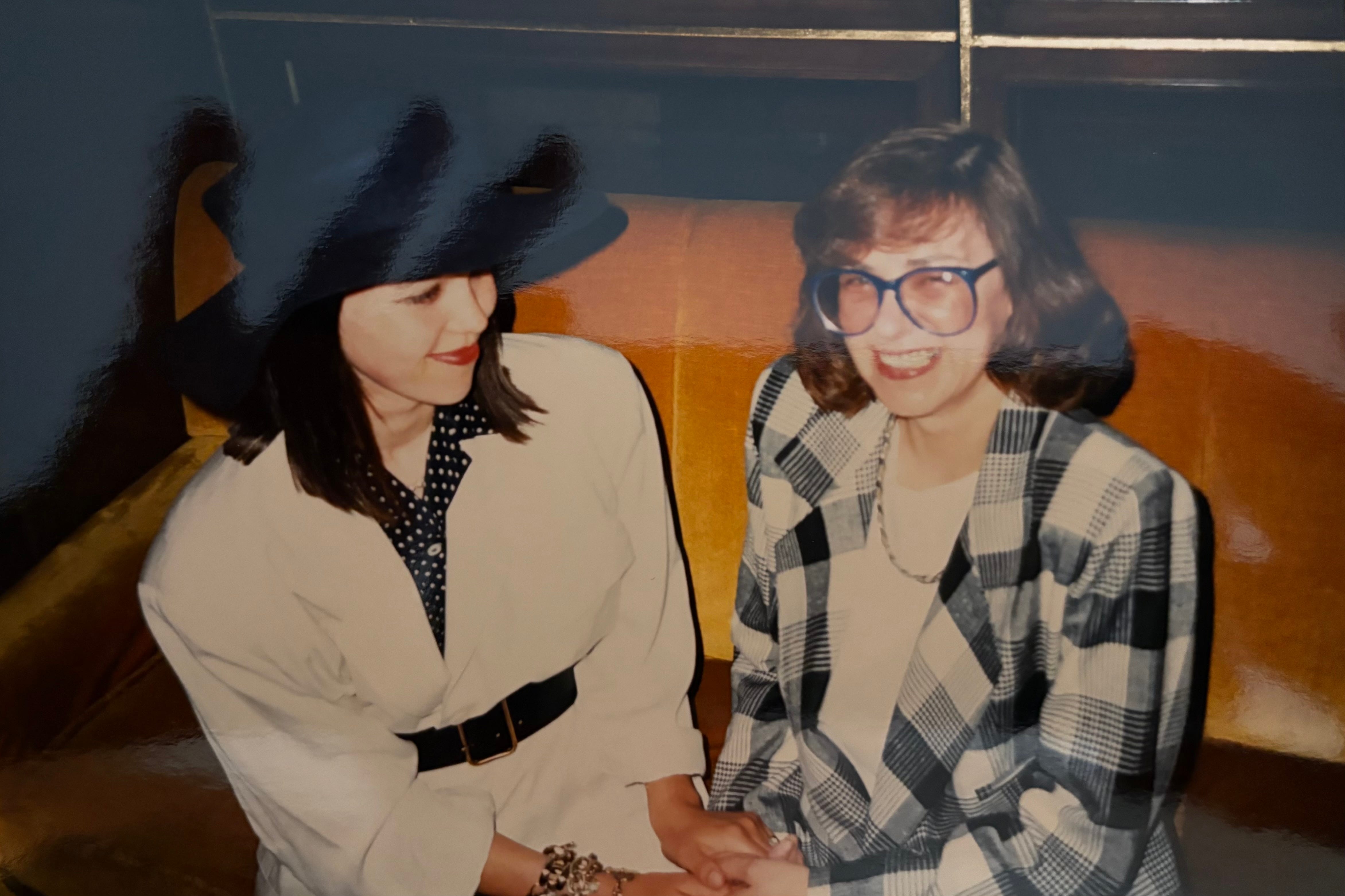
As the childless, unmothered daughter of an unmothered daughter, I’ve waded through a lot of emotions about Mother’s Day1 over the years: grief for the mother I longed for and never got; for the children I never met; for the mother and grandmother in me that no one ever got to celebrate. There are no appropriate Hallmark cards for that.
This will be my third Mother’s Day without my mother, who died from dementia at the age of 77 as I held her hand, the two of us at peace with each other, finally. It’ll also be the third without my mother-in-law, with whom I shared a home, and who died in her own bed at 93, her son, daughter-in-law, cat and dog beside her. The matriarchs are gone.
It is strange to be a childless only child when you are motherless and fatherless too.
For a while after my mother died, I felt a return of the untethered feelings that had washed over me during some of the worst periods of my childless grief—a feeling that I was not relationally connected to anyone or anything—that I could float away from this life, like a balloon lost from a child’s hand, and that nobody would notice, or even mind.
That was in my mid-forties and, as a divorced, single, infertile, peri-menopausal, childless woman, it seemed my role was to inhabit the social plankton strata of society—and unfortunately, I agreed with that demeaning patriarchal script. Combined with what I termed the #FriendshipApocalypse of childlessness, I used to joke that the only invitations I got were to dental checkups—a phrase that would raise a knowing chuckle from other single, childless women—but the truth is it’s actually not that funny being the butt of society’s joke.
The shaming of midlife women not tethered to the patriarchy by either offspring or a male partner is deeply hurtful, and is enshrined in everything from crazy cat lady jokes to tax codes.
On the receiving end of so much messaging that told me I was a failed female project and, according to both Disney fairy tales and modern films2, a danger to children and society, it seemed the world really couldn’t see the point of me and, for a while, neither could I. There were some days when my grief and sense of worthlessness were so profound that I felt that I was using up oxygen that someone else could surely put to better use. It wasn’t that I wanted to take my own life, but the idea of it being taken from me no longer seemed too bad, because I couldn’t imagine traversing the rest of my life carrying this much pain. I felt that a dark lake stretched between me and death, and that each day I would be wading through it, one awful, pointless day at a time.
Even though, amongst the privileges of my life, I’d already dealt with some capital T trauma and life challenges, I seriously wondered if I had the chops to manage this one. I simply couldn’t see an alternative to my misery. Every other woman in my social and professional world, and even in public life, either had a child or, less frequently, didn’t want to—and who referred to themselves as ‘childfree’ by choice.
It was the childfree who both baffled and intrigued me, and it was they who held a huge piece of the puzzle to my healing.
When I first started blogging about my childlessness fifteen years ago, as well as discovering a wonderful worldwide community of childless women, thoughtful and kind childfree bloggers and authors also reached out to me. Through their work, I discovered that the childfree had been chewing on why society has such a problem with non-mothers for many years. And, as I began to get more curious about why someone would choose the life that was such a torment to me, I was led into the murky waters of pronatalism3, a concept bracingly explored by childfree author Laura Carroll in her must-read book, The Baby Matrix.
The fact is, of all the dreams I’d had as a young woman for my life in my teens and early twenties, none of them had been predicated on me becoming a wife and mother—I wanted to be a writer, to earn my own money and be independent, maybe even to own my own home one day. I wanted to be the capitalised Me version of me, the grown-up one.
But then at twenty-two I met and fell in love with the wrong man—or the right man perhaps?—well, certainly the one who would present me with the biggest challenge of my young adulthood: just how much of my sovereignty was I willing to sacrifice to keep him. And it turned out that I was happy to give up pretty well much all of it to keep his shaky, unreliable, selfish, conditional love. And so his high-maintenance, all-consuming needs and upper-class rules became the guardrails of my emotional, professional and social life.
Whilst his Hugh Grant-like good looks and social polish couldn’t have been more different from my working-class, poorly educated, socially awkward mother if I’d painted him by numbers, underneath the patina of his privilege, the same mother-hunger and unhealed childhood trauma howled within.
It felt so familiar that it felt like home.
After a lifetime of reading the room around damaged and damaging people, I made the perfect codependent wife to someone who was well on his way to becoming an alcoholic and addict—one willing to erase her identity faster than you can say witness protection program. We were together for sixteen years until our divorce in my late thirties.
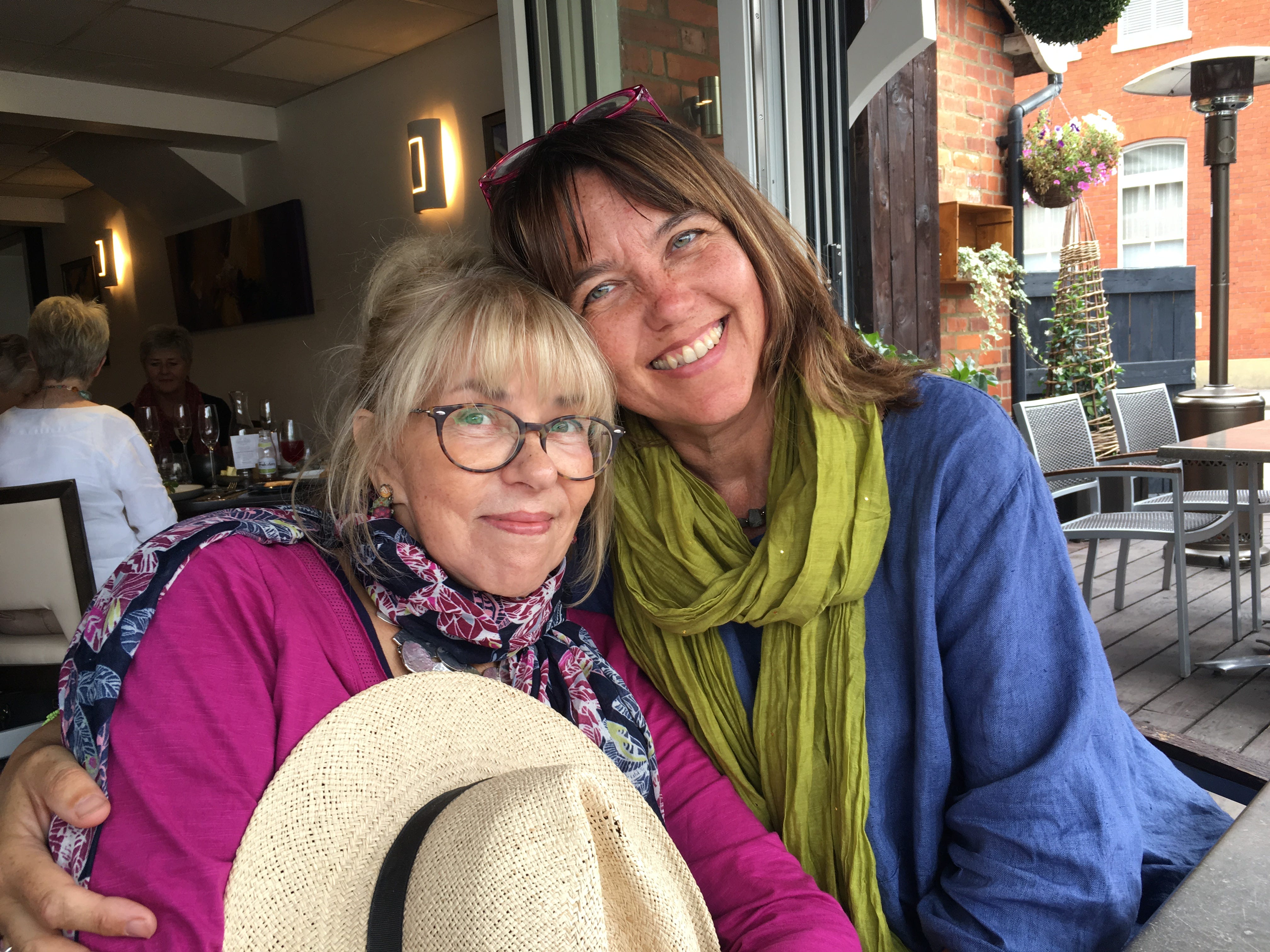
My mother was seventeen when she realised she was pregnant—a sixties Beatnik runaway, living in a squat with her London art student boyfriend. As a working-class, West London, Catholic kid, she’d had no sex education, and until the day I was due to be born, thought that perhaps her belly button ‘unbuttoned’ somehow for the birth. Birth control was unknown to her, and perhaps to my Irish Catholic biological father, too. But it was she who paid the price, having to have her baby on her own in the English version of those Irish Catholic 'laundries’; luckily, they were not so ideologically severe, and she was able to leave with me in her arms, but with nowhere to go, once she’d changed her mind about adoption; it helped that she’d just turned eighteen too.
Growing up, she had been cruelly treated, abused and neglected by her own mother, and thus she had no idea how to be a mother herself. In her turn, Mum was intermittently cruel, abusive and neglectful of me—who knows how far back down the maternal line that inheritance goes? However, I was lucky enough to be taken care of a lot of the time by my maternal grandfather before Mum’s first violent, unhappy marriage when I was three.
On a disability pension after being a prisoner of war in then-Burma, my Grandad took care of me whilst both my mother and grandmother worked in retail. He took me with him everywhere—the allotment, the betting shop, the pub garden—and absolutely adored me and my company; my nervous and attachment systems owe him a huge debt. He had been an East End boxer before the war, and on his tombstone, he’s described as ‘one of nature’s gentlemen’—and he was. He died when I was nineteen, and I miss him still.
It helped that I was an intelligent, agreeable child and, growing up, I instinctively took the initiative to fill the gaps in my emotional life left by my mother wherever I could. As she said to me in a moment of dementia clarity, before she lost all language, ‘You’ve always been finding other families’. And I have: families of my sleepover playmates at primary school; mothers of teenage boyfriends, families of friends, and the families of both of my husbands. As a survival strategy, it worked for me, but I do wonder what it might have looked like to Mum to see me doing something that was so much harder for her, hampered as she was by social anxiety and a fierce hair-trigger, defensive streak.
Elly was adored by each of her husbands (and is mourned deeply by my step-father), but was guarded, jealous and hypercritical around her daughter, me. She found female friendships challenging, too, until the last few years of her life. Maybe that was the beginning of her dementia, a pre-amble softening-up of her trauma-built armouring? Anyway, her funeral was full of lovely friends made in her final fifteen years, and she was adored by the staff in her nursing home, who delighted in the charmingly forgetful way she would end up with three pairs of Jackie-O sunglasses racked up on her head at once, paired with her leopardkin leggings and pink sweatshirts. She loved the attention of being cool, and the knack of it stayed with her almost to the end.
Whilst today her personality and behaviour would fit into several diagnostic categories, I wouldn’t want to reduce her complexity to that.
She struggled with her internal world, she struggled with the external world, she struggled with motherhood, and she could be very selfish in her search for peace and security, using the only power she had—her magnetic appeal to the opposite sex. But had I been served the same hand, a bright and wayward kid forced to leave school at fourteen, would I have played it differently? Who knows: the older I get, the less I judge and the more I see her as she was, not only through the lens of ‘my mother’.
However, that doesn’t change the fact that my childhood was traumatic, and that the main reason I had an abortion when I accidentally got pregnant at 21 was due to the terror that I would mother as I had been mothered—I just couldn’t risk it. My mother understood, and it was she who was there when I came round from the anaesthetic at the clinic—no comments like, ‘But you’re the best thing that ever happened to me’ for her or for me— she’d told me many times growing up that having children ruined your life.
Sadly, when I later felt able to become a mother, and spent my entire thirties and early forties trying to do so, I was unable to, and no reason was ever found. However, the midlife grief journey it took to be at peace with that revealed deeper strata of my own strength, soul and life’s purpose.4 Life, it seems, has been generous to me with its soul lessons, and with my current brain-based health issues, it would seem it’s not done with me yet!
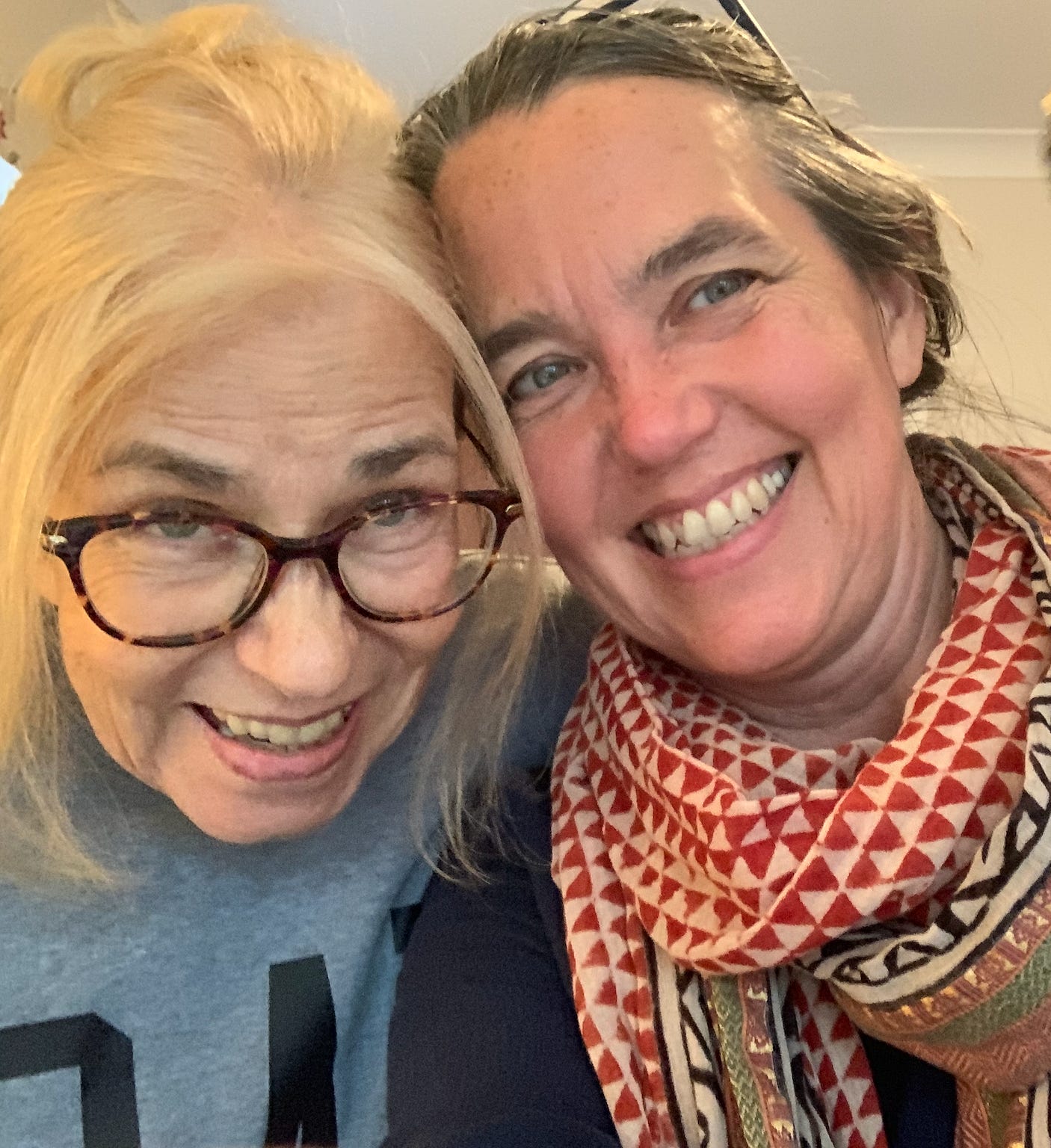
As I wrote in my essay It’s Easier to Love my Mother Now She’s Dead, she’s one of the ancestors now and, from that realm, I find more and more that I’m able to be in touch with her quirkiness, her creativity and her fierce survival instincts. I inherited her collection of books and, as I shelve them, I remember how she gifted me a love of reading by example—I have such strong childhood memories of seeing her, cigarette smoke rising, engrossed in a novel, or finding ripped scraps of paper with fragments of her poems in the waste-paper basket; now in my second year of creating a garden, I’m beginning to sense that her innate green-fingers prickle through my hands too.
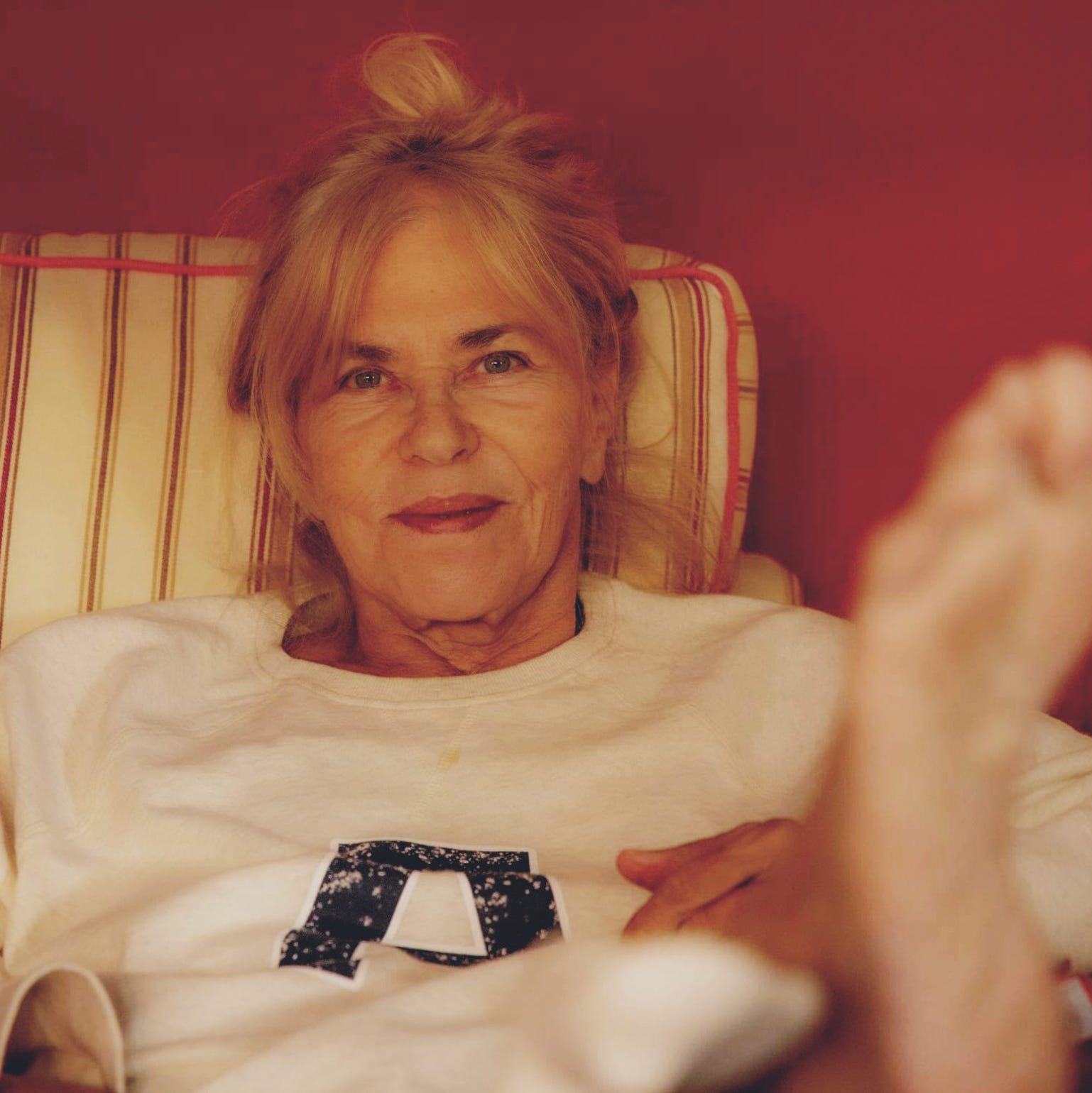
I mostly meet my mother in the mirror these days. She was so young when she had me that I tracked her face as it aged just shortly ahead of mine on the road: the way her eyelids lowered over those wary, grey-blue eyes, how her smile grew ever more lopsided, how those dark caterpillar eyebrows hung on in there to the very end.
I see her too in the twinkle in other people’s faces as her wit and quirkiness resonate through my own personality; she could be great fun, although, as her daughter, it was dangerous fun, like playing with a lit firework. I’m grateful that I did not inherit her violent temper, although sometimes I wish I had; it might have saved me a lot of trouble over the years. My mother did not have a problem with boundaries, and although tiny, nobody ever succeeded in pushing her around for long.
The truth is that through my single, childless forties and early fifties, I was never as alone as I felt (there are a lot of us, hiding in plain sight!), nor as meaningless as pronatalism would have had me be. Finding other childless not by choice women through my community building, writing and advocacy work with Gateway Women and as an Ambassador for World Childless Week, and then connecting to the wider non-parent community through my childfree sisters (and brothers)5 has expanded my heart to include a much greater sense of self than I could have imagined was possible, or even allowed for me.
And grieving the identity of motherhood blasted open my heart to the struggles of maternity too, something I had no room for at first, so crushed with envy and longing was I for the ‘dream’ of being a mother that I had no room for the reality.
And so here I am, a motherless, childless woman on Mother’s Day—at peace with them both.
To my Mother, Elly: I am grateful for all that you tried to do, and all that you did. Your best was better than your own mother’s, and that took a lot, even when it fell short of what I longed for. I know you tried. I love you.
Happy Mother’s Day to my very own beloved, tricky, dead Mum: There’s no Hallmark card for that either, but there should be.
If you are childless-not-by-choice and reading this on Sunday, 15th March 2026, do access/join the all-day, rolling text-only chat support for UK/IE Mother’s Day, hosted by volunteer members of the Childless Collective. Click here to access/join. And if you are childfree and looking for others, I recommend checking out the work of Zöe & James at We Are Childfree. And if you are a mother, I hope you get to feel loved and appreciated today, too.
Thank you for being one of my readers; I appreciate you very much! If you’d like to support my work, you can do so by:
‘Hearting’ this post so that others are encouraged to read it (and the Substack algorithm shares it more widely);
Leaving a comment (I do my best to respond to each of them);
Sharing this post by email or on social media (including ‘Restacking’ on Substack’s own ‘Notes’ platform);
Taking out a modestly priced paid subscription to this Substack in your local currency.
Leaving me a one-off tip by buying me a coffee.
Mother’s Day in the UK & Ireland is called ‘Mothering Sunday’ and, as a Christian festival celebrated since the Middle Ages, falls on the 4th Sunday of Lent—Sunday 15th March in 2026. ‘International’ Mother’s Day falls on the 2nd Sunday in May, and was started in 1908 by Anna Jarvis, a childless woman, in the US.
This is the story of my book Living the Life Unexpected: How to Find Hope, Meaning and a Fulfilling Future Without Children. (UK: Bluebird/PanMacmillan, 2nd. ed. 2020). Free chapter download here.
Comments
Nothing yet. Say the first thing.
Sign in to join the conversation.