
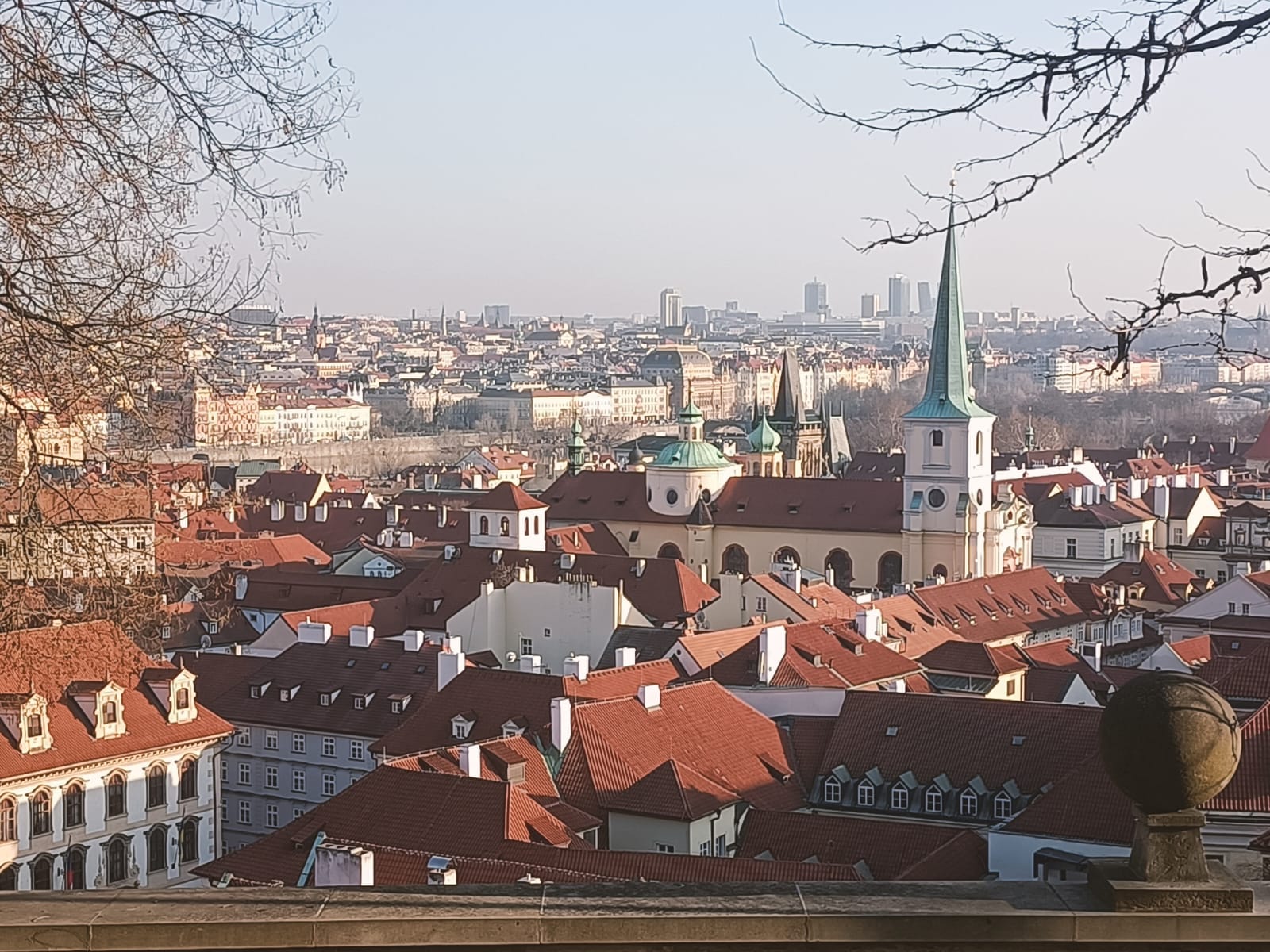
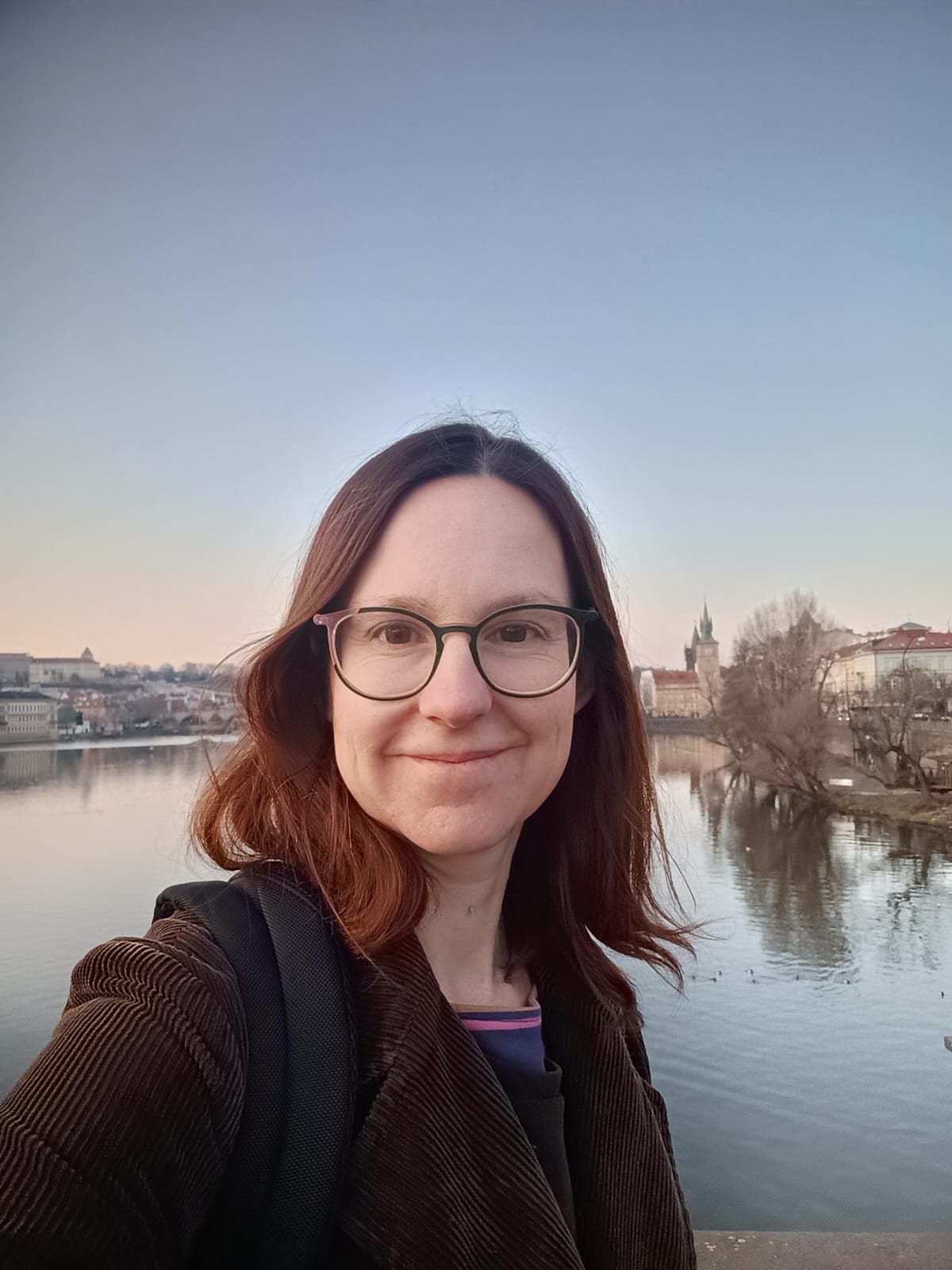
I’m in Prague, this week. That’s Praha, in Czech, which also means threshold. Ostensibly, I’ve come here to write. I’m also here because, since the beginning of the year, I’ve been having vivid, visual impressions of the city. Like dreams, but not asleep.
These are things that are happening, in Prague. In the summer gardens, white flowers are crowding their way through moss beds. Sandstone towers in the castle-complex watch the forsythia alive with gold. After the slow, steeping winter, tourists start to fill the ringing trams. The river is brown beneath the bridges, and the roofs are red beneath alchemical blue skies.
I sit on a wall above the castle, and I look down over the white spires and green domes, drenched in relief to be here. Don’t get me wrong. I’ve lived here for ten years, and I don’t believe that this city is easy, or simple. I think that it’s an incredibly complex place interwoven with poverty, silence and violence, in the centre of an incredibly complex continent interwoven with the same.
And yet. My body is open here because when I think with the stones, sometimes they hear me. For example: often I write in cafes. Mostly, I think, the cafes don’t mind. There are one or two cafes in Prague though, where I will open my computer, and in my strange mind, it feels as if the city says: you are writing. Can I help?
There is a place I go to sit; it used to be a place where other writers gathered, now it’s often a place for tourists with expensive tea. Sometimes I buy one and nurse it for hours. I sit at a table with the river beneath us and the hill above, and maybe other people still come to write here, I don’t know, but when I open my laptop, I can hear the city say: you are writing. You are myth-making. Can we help? Yes please, I say. It’s exhausting to be myth-making solo. In fact, it’s impossible. That’s why most of my work is about exploring fairy tales collectively, and not alone. But I still write, I’m writing a book, and that’s a solo thing, and that’s why my body drenches in relief when I come here and perhaps the city is aware of what I am doing.
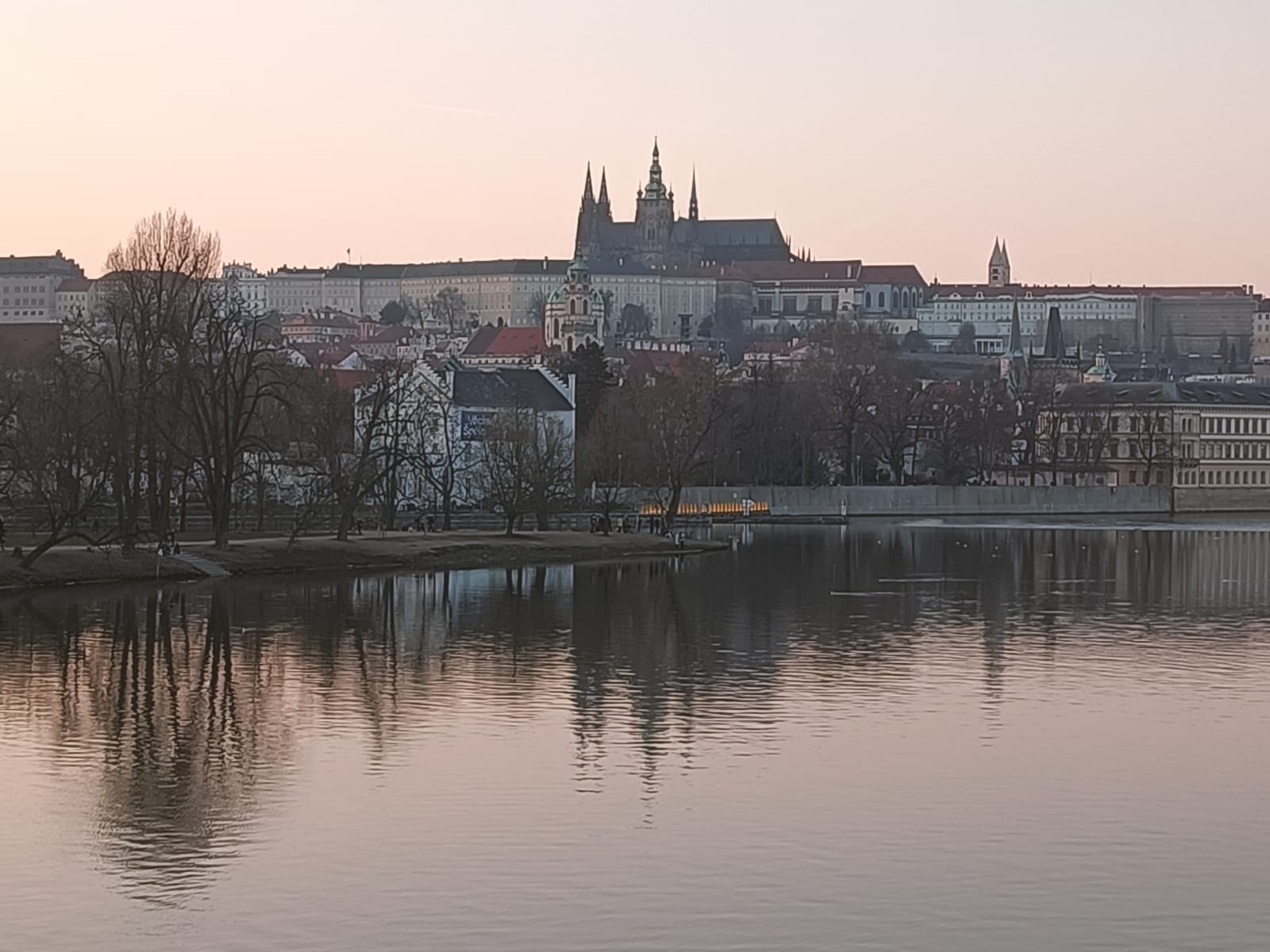
So anyway, yesterday, I was sitting on the grass where Petřín hill slopes round, above an orchard of pear trees, and I was thinking about writing. And how I’ve been trying for a long time to share words from a platform that feels larger. Now it’s a waiting game, because I have an agent and we’re looking for a publisher. But every day the world is terrifying and probably / possibly closing down and it’s seems a ridiculous thing to be thinking about trying to be successful when there are other things we should be thinking about, like protecting those who need protecting and stopping stir-crazy men who think with bombs. It’s hard to reconcile this, and so I was thinking, whether anyway, any of it matters, and this is the phrase that came to me, as I was talking with the spires and roofs and river: adults in our own country.
What does that mean? What does it mean to be adult? I’m forty-five now, and I struggle to consider myself properly grown up. Maybe it’s because I’m a writer, and many of us feel, as Margaret Atwood expressed so well in Cat’s Eye: ‘that everyone else my age is an adult, whereas I am merely in disguise.’ Or maybe it’s because I’ve been socialized as female and encouraged by society never to take up too much space. But maybe it’s because I feel like the world I live in is alive around me, and I try and live with that.
When my son and I go to the beach, he likes to pick up pebbles to bring home. Always I say to him, ‘But have you asked them?’ Very often he says, ‘I’m not good at that’, and very often he says: ‘you ask them for me’. Sometimes, I do, and sometimes I feel like the stone does not want to leave the wet sand and white tidal pools, so I say: ‘it says no,’ and he says, ‘I think it says yes, actually,’ and then I say, ‘well why did you ask me to ask, if you’re not going to listen?’ Then I think, all of it is moot anyway because we’re projecting from our own imaginations and probably if the stones were talking we wouldn’t be able to hear them.
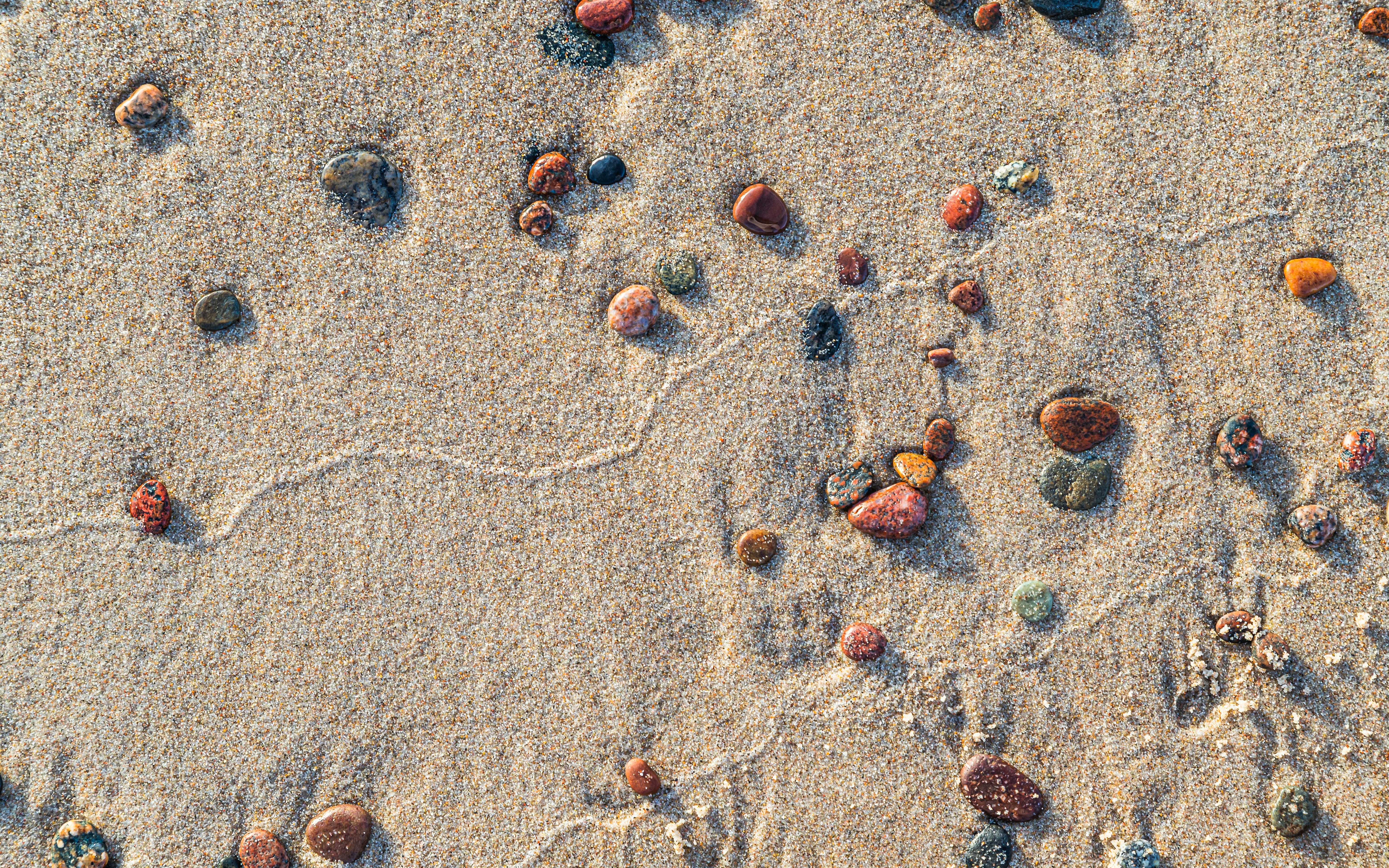
Nevertheless, when the pebbles say no, we put them back down. Sometimes my son says he can hear them, now. Sometimes he doesn’t. He never mocks me. I don’t know whether or not this will last. He’s nine. I don’t know whether to his teenage mind, the visceral, poignant, poisonous rationalism that sees a dead, mute, mouldable world will slip in and he’ll forget not only to ask the stones but that he ever wanted to stand on a beach and invite pebbles to come home with us in the first place. Probably he will. Perhaps his body, though, will remember.
There is an Indigenous scholar called Daniel Heath Justice. In his book, Why Indigenous Literatures Matter, he makes the point that, in the West, when we view a lifeworld as vibrant and absolutely alive, where plants can talk to us and rivers can shape us, we call it fantasy and fairy tale and think of it as ‘childish make-believe’. In most Indigenous traditions, when you view the world as alive, you are responding to ‘mature, experiential realities’; to the multitudes of what world is.1
In this floundering, exploding world, can we stand up as adults and say: we believe in other worlds? Even if the way we live does not hold space for them, even if our past and our present participates in eradicating them? Can we believe ourselves honest adults as we do so? Or is to be adult to manage inflationary numbers of imaginary lack, and keep on looking the other way while the world explodes?
It’s time to stop infantilizing the asking of questions, and dismissing the power of participating with life. We have an idea in the history of Western literature that we should emulate children. That small children, with their innocence, they can teach us how better to live. As Wordsworth put it, ‘trailing clouds of glory do we come.’2 I disagree. I think children should be invited into the worlds. They are alive in their ability to witness and participate in worlds. But it isn’t their responsibility to mediate between worlds. That’s what growing up is for.
I see this in fairy tales time and again, that the crossover between childhood and adulthood is when you begin to mediate. It’s not marriage that grows you up. It’s holding the wellspring or tending the bones. When Cinder’s mother dies, she is companioned by cow (in Scotland, Iran, Bulgaria), sheep (Russia, Finland, England), fish (China), or pig, crocodile and crab (the Philippines). Sometimes the animal is her returning mother, sometimes, a guardian who ignites her with company. When the animals are killed, she tends the bones; it’s that tending which changes everything. In the Bulgarian story of Mara Pepelashka I heard from Nana Tomova , she digs with her stained hands beneath the hearth where she has buried her mother’s ribs and thighs, and there she finds the gleaming cloth of transformation.3
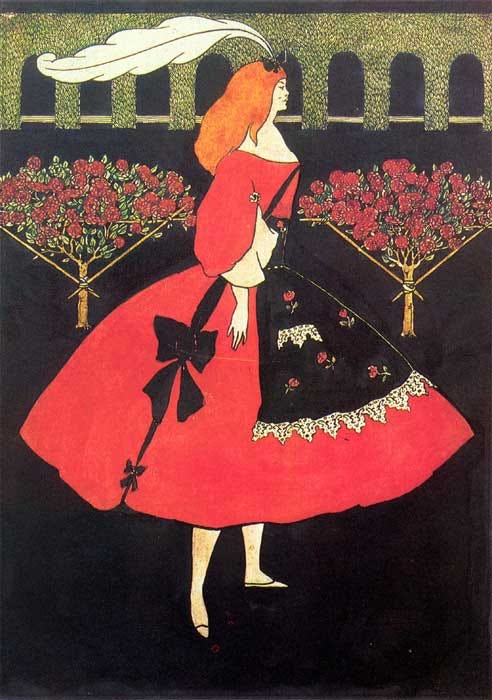
‘Cinderella’ by Aubrey Beardsley
And did you know that in many Sleeping Beauty variants, the sleeper is guarding something while she sleeps? Golden apples or flaming well? So maybe we should re-think her sleep as curse, and start understanding it as a dream hedge that brambles its way around the holy spaces of the world?
Or perhaps we should remember that, in the older Frog King stories, she’s not looking for her toy, she’s trying to find clean or healing water for her dying mother or father? And while her sisters go out and run away again, she’s the only one who stays to mediate with the one who guards the waters? And that in older Little Red variants, she goes right into the danger of the voracious wolf, looks into his eyes, and then finds her own way home?
Fairy tales teach us how to mediate between life and death, between human and other, between wild and home. As parents today, we are all the time mediating between worlds; small ones, big ones, systems of education, systems of bureaucracy, systems of technology and systems of wonder. It’s exhausting, particularly exhausting because we’ve forgotten what the fairy tales teach us, that this is the strength, power and potency of what being human is.
Perhaps this is the most mature thing we can do right now. To say: I don’t know how to do this. My body and my people have participated in the forgetting and eradication of how to do this. But the alternative is untenable, and so, I’m still going kneel at the bank of seaweed and speak to the stones.
Here, back in the vault-slanted city, I say to Prague: are you sure I should tell Substack about how I sometimes think you talk to me? Because even if it’s true, maybe it’s the kind of magic one shouldn’t mention. Not for fear. But because it might vanish when you do so. And Prague says, be patient. Don’t hurry. Perhaps it will be okay.
Is magic possible in cities? Of course. Is magic possible in cities that takes into account multitudes of life forms and species? In Tyson Yunkaporta’s searing exploration of global systems in Sand Talk, it is not. He says that cities are ‘communities that consume everything around them and then themselves.’ He argues: ‘a city is a community on the arrow of time, an upward-trending arrow demanding perpetual growth.’ He says: ‘A city tells itself it is a closed system that must decay in order for time to run straight, while simultaneously demanding eternal growth.’4
I understand that he is right. But I am still in love with Prague, in the same way that I am in love with fairy tales, which also perform themselves as closed systems, neatly ribboned off with iterative, heteronormative, anthropocentric happily ever-afters, when all shape-shifters are shaken back into the stability of humanity and all wild relationalities are securely outstepped so that the heroine can walk down the aisle with her prince.
Because the thing is … fairy tales remember when they were open and in conversation with more- than-us. And I think, maybe, so do some cities. And maybe both these stories and these cities still try to mediate between the times that we have been dead-to-world and times that we have been alive.
Whether to hope this is childish or mature, I don’t know. But perhaps I’ll do it anyway. Am I embarrassed to teach my son to chat with the pebbles on the beach? Do I have any idea how to do it? No, I have no idea how to do it. But I think, better to try it, than not. More grown up.
And about our own country…. I don’t know the answer to that, either. I wasn’t born in this city, nor was my mother. My grandparents were, and so was my husband. I am faulting with the language, but I understand it when I hear it. Does that give me the right to tell stories about writing in its vaults and dreaming with its bridges? I don’t know. But I am here, right now. Listening. Here, I am sitting by the river. Here, I am writing under the vaults of branching time. Here, I am climbing the path to where I can see the bells and spires. How long do we all have left? I have no idea. I know I can ask questions though. Maybe that’s just what we’re for. To be adults in our own strange countries, and mediate between times. Like us, I think, Prague has held mediation. That is why it schools me. Because we can’t ever do it alone.
Daniel Heath Justice. Why Indigenous Literatures Matter. Wilfrid Laurier Press, 2018, 141.
Wordsworth, William. Ode: Intimations of Immortality from Recollections of Early Childhood. Poetry Foundation, www.poetryfoundation.org/poems/45536/ode-intimations-of-immortality-from-recollections-of-early-childhood
Sand Talk is an incredibly powerful critique and exploration of global systems from an Indigenous Knowledge perspective. Yunkaporta, Tyson. Sand talk: How Indigenous thinking can save the world. Text Publishing, 2019, 57.
No posts
Comments
Nothing yet. Say the first thing.
Sign in to join the conversation.