
Happy 250th, America! 🎆
What are you doing to celebrate this weekend? Crabbing season kicks off around our little island tomorrow, so I hope to head out on the kayaks (I call it “crabayacking”) to drop a pot in and see what the sea-gods send our way. If it’s anything like the past few years, we’ll be cracking Dungeness, drinking a cool cocktail, and watching the pros handle the fireworks out over Puget Sound.
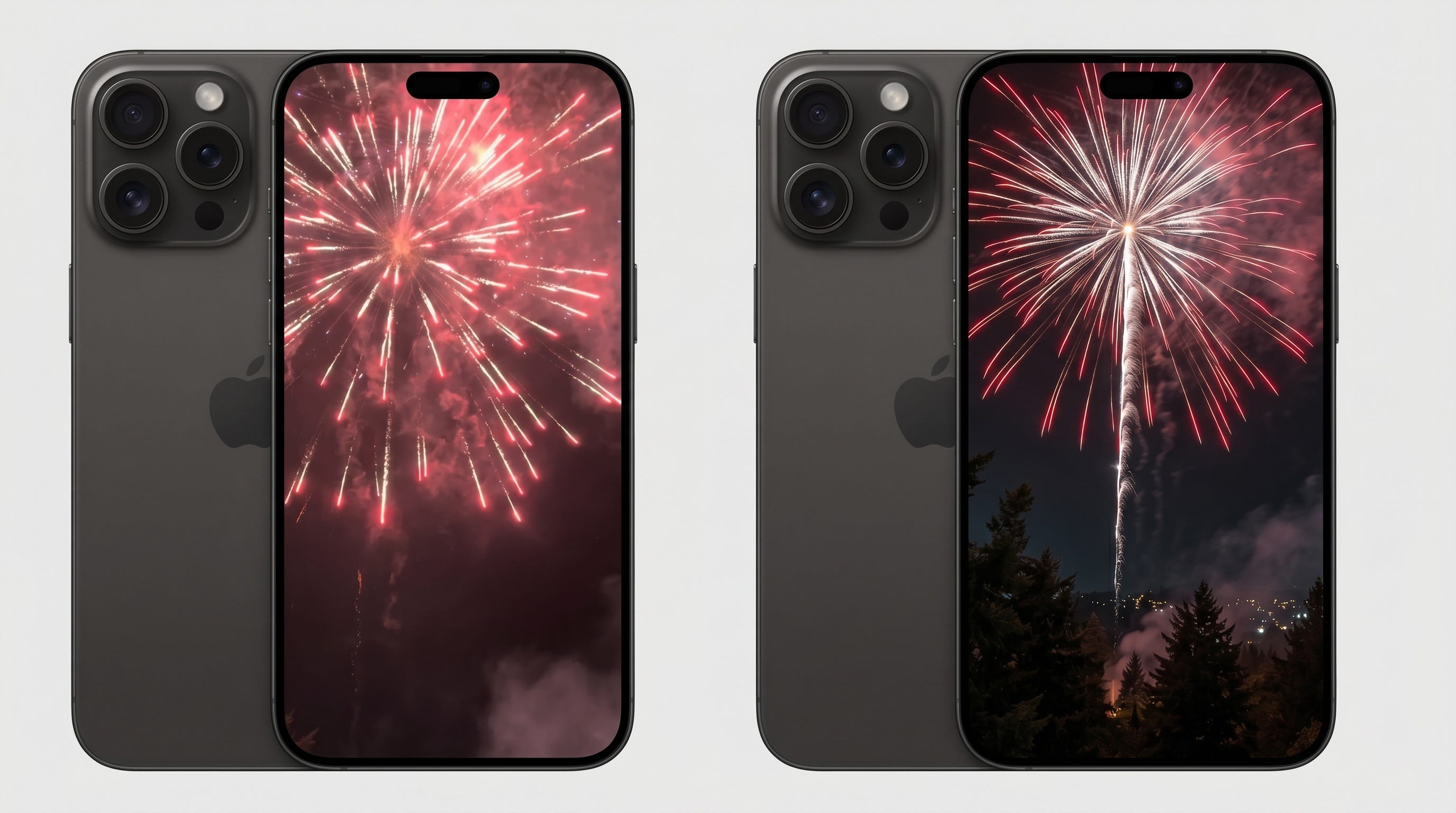
If you're watching fireworks this year, [your fireworks photos don't have to stink] — here's my latest article on how to nail them on your phone. READ HERE.
Two and a half centuries ago, a bunch of guys in wool suits sat in a Philadelphia summer with no AC, no ceiling fan, and not so much as a cold drink, and signed their names to a document that started this whole experiment. I’ll try to remember that the next time I complain about my Wi-Fi.
Granted, in 1776, according to the OG weather nerd himself, Thomas Jefferson, it was a mild, breezy 76 degrees on that momentous day. Philly’s average Fourth is 87 now. The founders got lucky. We get a heat dome. (Not to mention a few decades of fossil-fuel-driven climate change... but I digress.)
Now, as a historic heat bubble parks itself over more than 200 million of you on the exact weekend of the big birthday, I went down a rabbit hole on how we’ve beaten the heat across all 250 years.
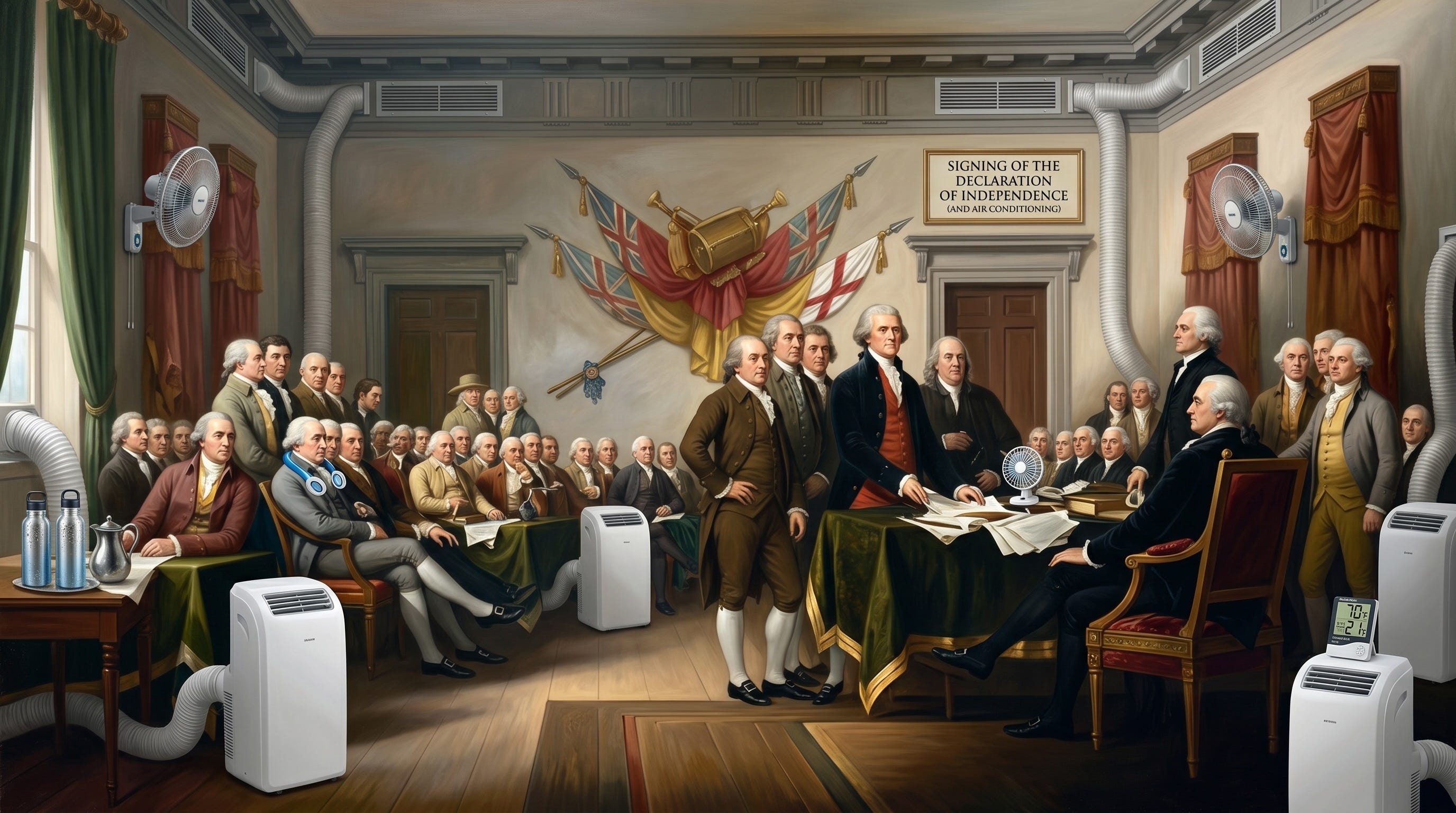
Beat-the-heat “high tech,” 1776 edition? Thomas Jefferson’s idea of climate control was an ice house — a pit he packed each winter with 37 wagonloads of river ice hauled up his little mountain, praying it’d last till July. Add a turret to pull the hot air up and out, and a shady porch, and that was cutting edge.
Fifty years ago, at the Bicentennial? I was five. I mostly remember fireworks, sparklers, and a lot of red, white, and blue sheet cake. Air conditioning existed — but only about 55% of American homes had it by 1980, up from just 12% in 1960. The window unit rattling in the den was the flex. Everybody else had a box fan and a wet washcloth.
And today? On what’s forecast to be the hottest Fourth of July in Washington, D.C.’s history — 103 degrees, beating a record from 1919 — I can clip a tiny air conditioner around my neck and drop my skin temperature by about 20 degrees. We wear the AC now.
Guess what the big chill hack going viral on TikTok and Reddit this week is? A bowl of ice in front of a fan. That "$0 air conditioner" everyone's sharing is the same thing Navy engineers used to cool a dying President Garfield in 1881 — and basically Jefferson's ice house with a USB fan taped to it.
Two hundred fifty years of innovation, and the internet just rediscovered the ice cube. God bless America. Let’s get into it. 👇
First, the serious part, because this heat is not messing around: More than 200 million of you are under extreme heat warnings, the grid is straining, and heat kills more Americans in an average year than hurricanes, tornadoes, and lightning combined.
Drink water, find shade or AC, never leave a kid or pet in a parked car, and please — check on the older people in your life today. Cooling centers are open in most big cities; a quick search for “[your city] cooling center“ pulls up the nearest one.
Okay. Now the gadgets:
Skip: most cheap neck fans. I know they’re everywhere right now. Here’s the problem — they just move the hot air that’s already around you. In real humidity, that’s a warm hairdryer aimed at the nape of your neck. That’s fine on a dry 80-degree day; but absolutely useless in a heat dome.

Worth it: anything with a cooling plate. The gadgets that actually work chill your skin rather than just fan it. The fancy TORRAS Coolify ($299) uses a thermoelectric plate that can drop your neck skin temperature by around 20 degrees on contact. (This is the “wearable AC” I keep raving about.) The Shark ChillPill ($130) also layers a fine mist on top of a cold plate.
The no-battery heroes: For pennies compared to the gadgets, a $15 soak-and-wring cooling towel does the trick outside, and a phase-change (PCM) cooling pad or blanket keeps you cool while you sleep. One heads-up on those viral “cooling blankets” — only the ones made with real phase-change material keep working. The cheap ones feel amazing for about a minute, then they’re just a blanket. On the label, look for “PCM” or a named version like Outlast, GlacioTex, or TitanCool. If it just says “cooling” or “ice silk,” that’s the one-minute kind.
And the hack blowing up your feed: the “$0 air conditioner” — a bowl of ice or a frozen water bottle set in front of a fan. It’s all over TikTok and Reddit right now, and… it works, sort of, while the ice lasts, then you’re back to a plain fan. Which is charming, because it’s the same physics we used 150 years ago. Some things you don’t improve — you just add a USB port.
Read more about gadgets that keep you cool HERE.
A great cookout isn't about the fanciest grill. It's about not sweating the small stuff — the bugs, the food-safety guessing, the warm drinks. Here's what handles it for me.
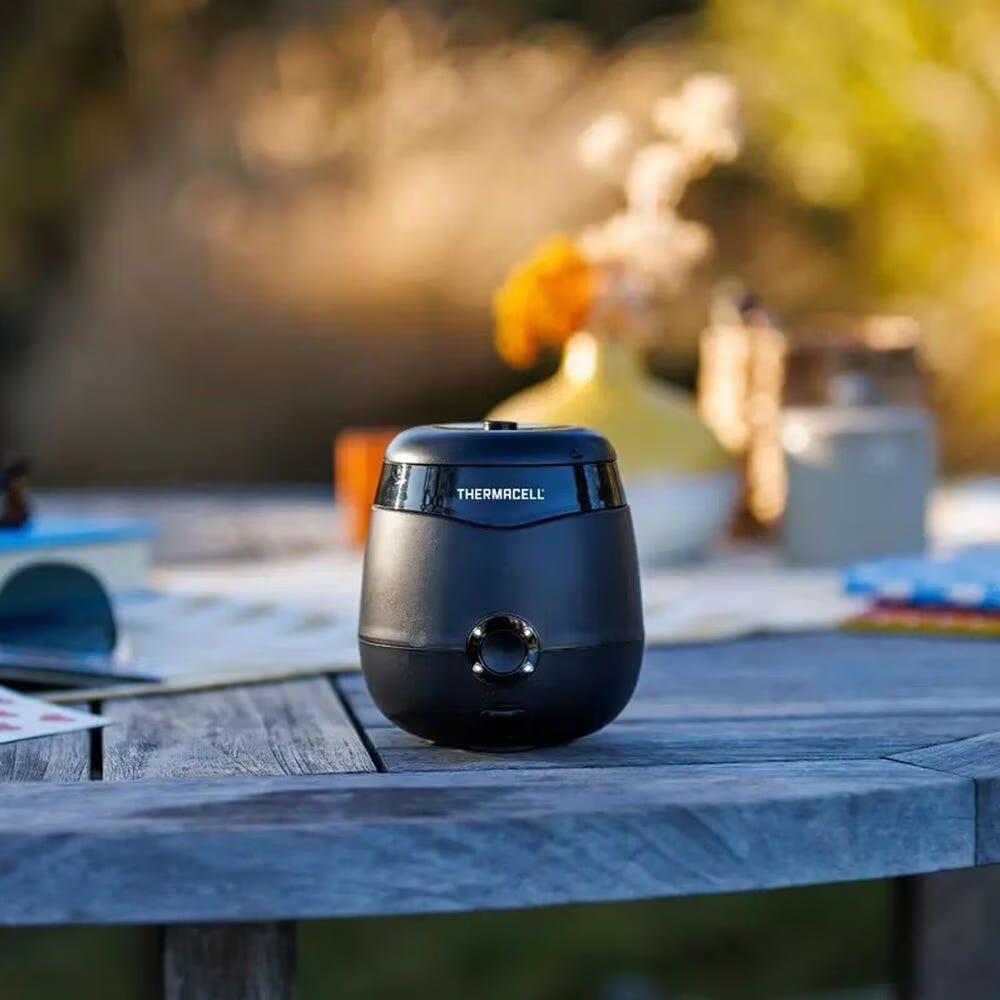
The one that clears the deck: the Thermacell E55. Press one button and it puts up a roughly 20-foot bubble of mosquito protection — no spray, no lotion, nothing on your skin. Turn it on 15 minutes before people arrive, not after the first bite.
The one that saves the party: the MEATER Pro (or the cheaper ThermoPro TempSpike). Stick the wireless probe in the chicken, walk away, and your phone buzzes when it’s safe to eat. This is how you make sure the burgers aren’t the reason Uncle Rick spends the Fourth on the bathroom floor. Pull the meat a few degrees early — it keeps cooking while it rests.
The splurge that ended soggy sandwiches: the Anker Solix EverFrost 2, a battery-powered cooler with a fridge inside. No ice, ever. Ours rode around in our old Sprinter Van as the fridge, and it still comes to every backyard barbecue. It’ll even charge your phone.
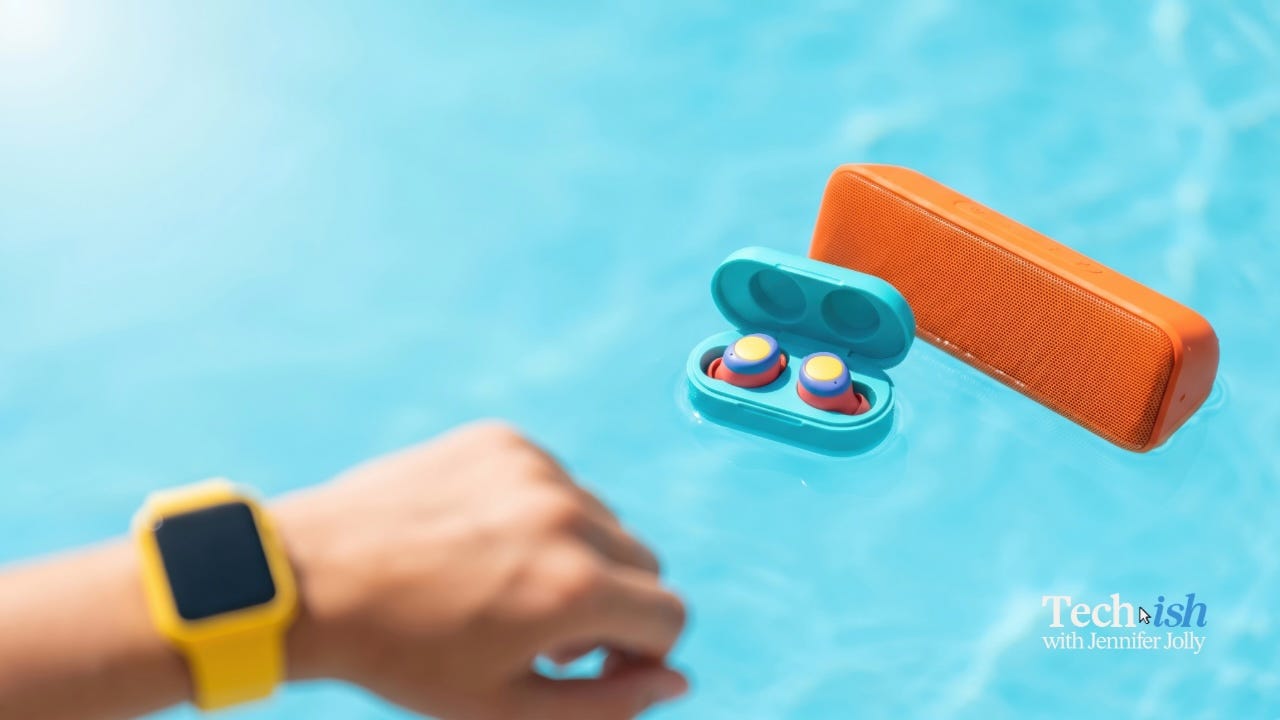
The $80 crowd-pleaser: the JBL Clip 5. Waterproof, dustproof, and it clips onto a beach chair. People compliment mine constantly. Rinse the charging port with fresh water after the beach — sand kills more of these than water does.
The under-$30 thing everyone actually buys: a waterproof phone pouch with a floating strap (I like the Pelican Marine two-pack). Salt, sand, and sunscreen-slick hands all go straight for your phone. Drop it in the lake? It floats.
These are just five of 12. The full list — neck coolers, a beach canopy that runs on wind, and one genuinely wild red-light “therapy” sun shirt — is right HERE.
Every Fourth, millions of us point a phone at the sky and get back a blurry orange smudge. It doesn’t have to be that way. The two-minute version:
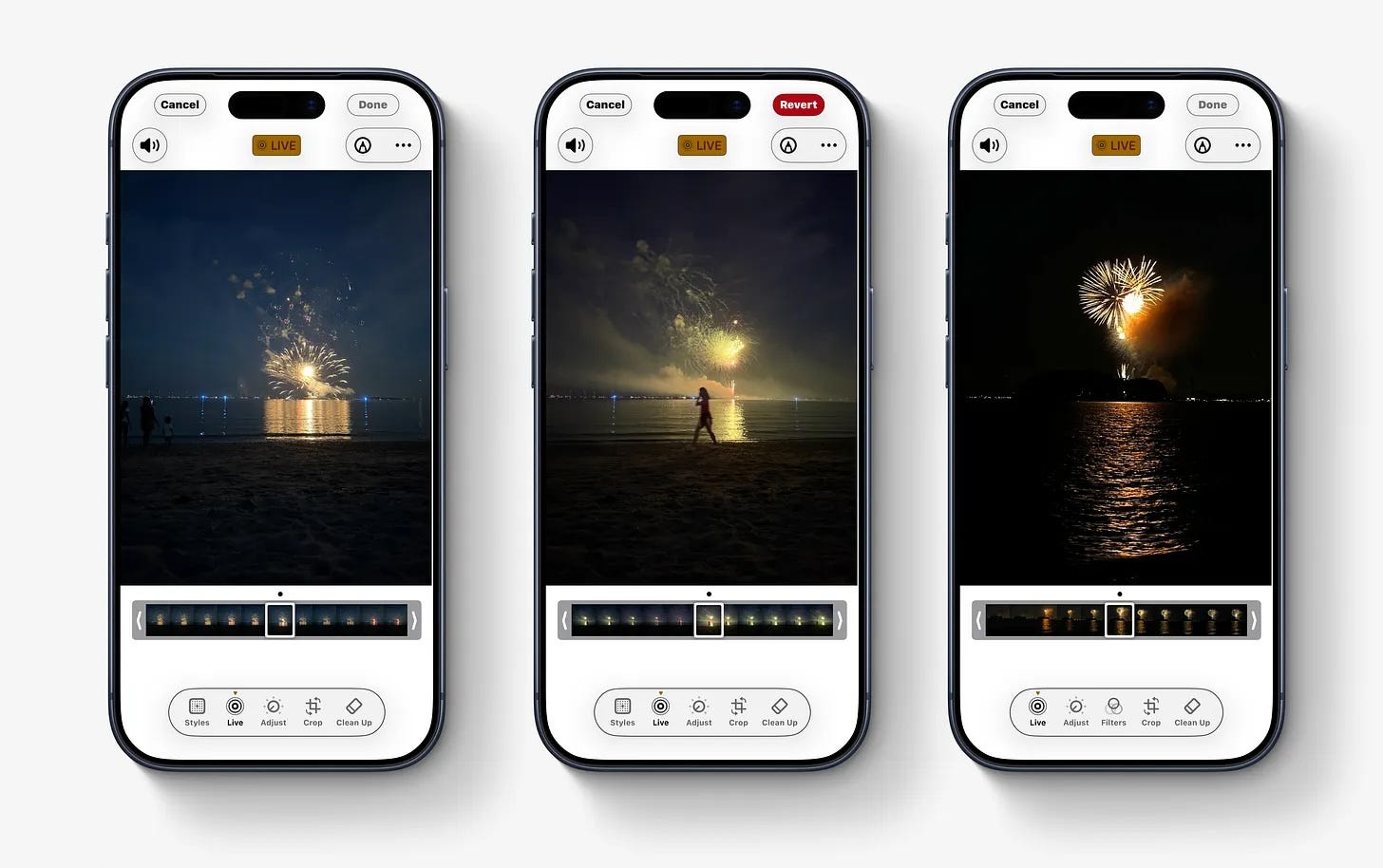
Turn off the flash. It does nothing for something exploding 500 feet up, and it just washes out whoever’s standing next to you.
Lock your focus and exposure. Tap and hold on the sky until it locks, then slide the brightness down a notch so the bursts pop instead of blowing out to a white blob.
Hold still — or better, prop it up. Steady beats fancy every time. A cheap mini tripod or a nearby railing turns a smear into a crisp streak of light.
I walk through all five setup steps — including the long-exposure trick that gets those gorgeous light trails — right HERE. Do it before the first boom, not during it.
Holidays are prime time for scammers. Everyone’s distracted, traveling, and helping older relatives with their phones — which is exactly when the bad texts land. Here are the three I’d warn your family about this weekend, plus a free tool that settles “is this real?” in seconds.
1. “Switch your texting app NOW” texts (Samsung people, this is for you). Samsung is retiring Samsung Messages in the U.S. this month and moving Galaxy users to Google Messages. The switch itself is fine — but scammers love a real transition, because it’s easy to fake an urgent “act now or lose your texts” message. Don’t tap links in a text about this. I put the safe, do-it-yourself steps in the Tip of the Day below. 👇
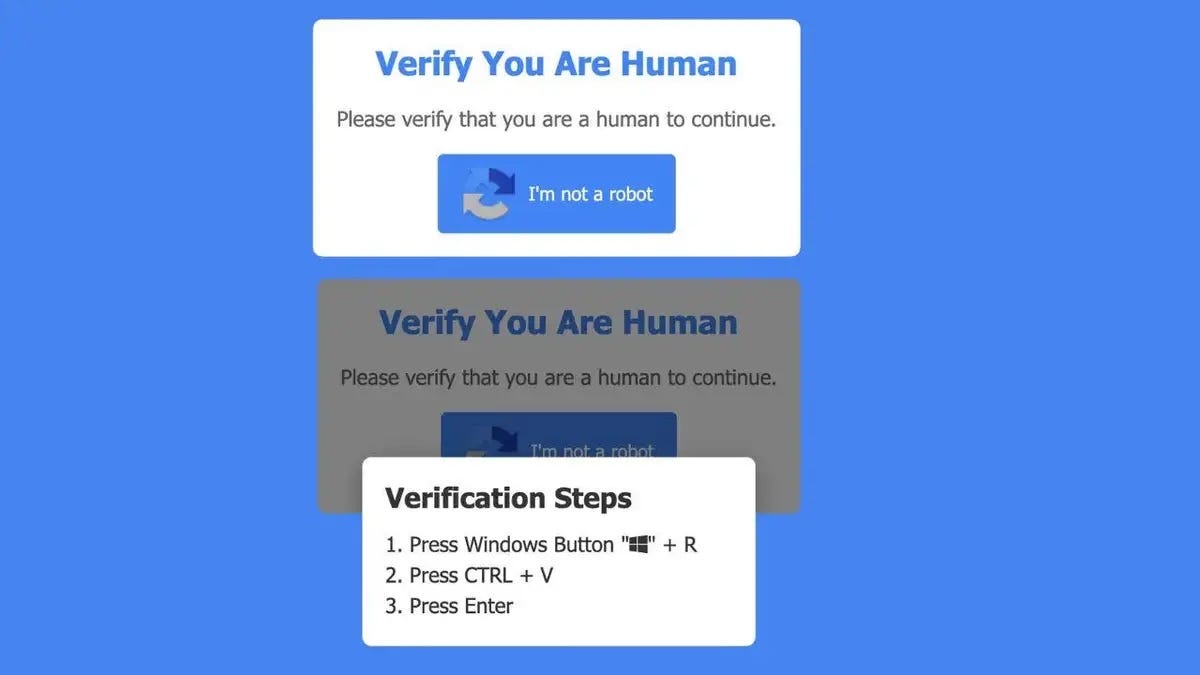
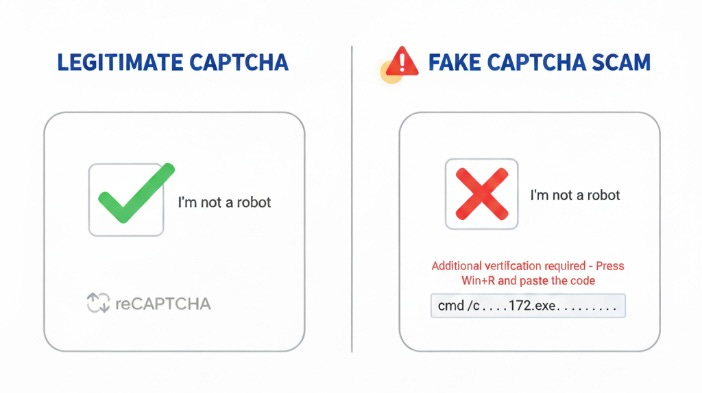
2. Fake CAPTCHA pop-ups. The FTC is warning about a nasty one: a website throws up a “prove you’re human” box that tells you to copy and paste something or install a little “verification” tool — and it quietly installs malware instead. New rule for the whole family: a real CAPTCHA never asks you to copy/paste a command, run anything, or install software. If a pop-up gives you instructions, close the tab.
3. The “but the grammar was perfect” problem. An AP/FRONTLINE investigation found overseas scam operations are running on AI tools and U.S.-linked internet infrastructure. Translation: that’s why Mom’s fake “bank text” suddenly reads flawlessly. The old advice — “watch for typos” — is dead. The new tell isn’t spelling. It’s urgency + a link + a request for money or a code.
The free tool I keep recommending: Scamwise.com. Get a weird toll bill, “package problem,” or bank alert? Paste it in, and it tells you in seconds if it’s a known scam. Bookmark it, then text the link to the person in your family who forwards you everything asking “is this real??” It is, and it’s awesome. I even talked about it on the Today Show recently.
Who this is for: Samsung Galaxy owners still using Samsung Messages — especially on older Galaxy phones.
Why now: Samsung is ending Samsung Messages in the U.S. this month, and Google Messages is the replacement. Doing this yourself (instead of tapping a text) means no scammer gets to “help.”
TL;DR: Install Google Messages, make it your default, turn on spam protection. Five minutes, done.
Samsung / Android steps:
Open the Play Store.
Search Google Messages → Install or Update.
Open it and tap Set default SMS app.
Confirm your old conversations show up.
Turn on spam protection: Google Messages → your profile photo → Messages settings → Spam protection.
On an iPhone? Nothing to switch — but it’s a good moment to turn on: Settings → Messages → Filter Unknown Senders.
BONUS: 📲 Road-tripping this weekend? If reading your phone in the car makes you queasy, there's an iPhone setting that helps — [here's how to turn it on]. (Android folks, I've got you covered too.)
That’s a wrap for the Fourth. Go be with your people. 🎆
Not a paid subscriber yet? That’s where the deep dives, the full gadget testing, and the podcast extras live. Subscribe HERE.
Have a safe, happy, sunburn-free Fourth.
More soon — XO, Jenn
Comments
Nothing yet. Say the first thing.
Sign in to join the conversation.