
It takes a particular kind of preparation to accompany someone when the life they knew no longer makes sense.
Religious beliefs collapse. Identities change. People grieve. Careers lose their meaning. Bodies become ill. Relationships end. Mortality becomes real. Communities disappear. People leave high-control systems and discover that freedom does not automatically tell them how to build a life.
These experiences rarely belong to one category of human struggle. They touch psychology, spirituality, relationships, embodiment, culture, community, work, grief, identity, and our deepest questions about what it means to be alive.
Existential Health is an emerging interdisciplinary field concerned with how human beings relate to the fundamental conditions of being alive, including meaning, identity, belonging, mortality, uncertainty, purpose, agency, and self-trust. The field is being developed through a growing body of conceptual frameworks, practitioner methodologies, peer-reviewed scholarship, and the Existential Health White Papers, which establish its theoretical foundations and explore its implications for human flourishing, professional practice, and institutional life.
Central to this developing field is the Existential Health Practitioner. One of the foundational Existential Health White Papers is devoted specifically to the practitioner’s role, scope, competencies, ethical boundaries, and responsibilities. Existential Health practice is a distinct form of professional accompaniment concerned with how people are relating to their lives and to the existential realities they are encountering.
The Existential Health Practitioner Training and Certification Course grew out of the Non-Religious Spiritual Director Certification Program, originally developed through the Center for Non-Religious Spirituality to prepare people to offer meaningful spiritual accompaniment outside traditional religious frameworks.
As the work developed, it became clear that people were bringing concerns broader than spirituality alone: religious deconstruction and trauma, identity disruption, grief, mortality, loss of meaning and belonging, major life transitions, uncertainty, and the difficult work of learning to trust themselves and inhabit their lives in new ways. The emerging framework of Existential Health offered a more comprehensive way of understanding and accompanying this territory.
The evolution from Non-Religious Spiritual Director to Existential Health Practitioner therefore represents more than a change of name. It reflects the maturation of the training and the development of a distinct field of practice. The program retains the deep listening, presence, discernment, and accompaniment at the heart of spiritual direction while preparing practitioners to engage a much wider range of existential concerns.
The training evolved because the work itself had become larger than the name we originally gave it.
Today, the Existential Health Practitioner Training and Certification Course translates this developing body of scholarship, theory, and methodology into rigorous practitioner formation. Participants learn not simply to understand Existential Health as a field of study, but to responsibly accompany people through questions of meaning, identity, belonging, mortality, uncertainty, grief, religious deconstruction and reconstruction, life transition, existential crisis, and spiritual life beyond conventional religion.
That kind of formation requires a broad range of knowledge and experience.
This fall, our next cohort will learn from and alongside an interdisciplinary team whose collective experience spans spiritual direction, religious deconstruction and trauma, grief and hospice care, organizational development and leadership, somatic practice, creative expression, nature-based practice, high-control religion, contemplative traditions, facilitation, community formation, and non-religious spirituality.
These are not simply people assembled to teach individual subjects. They are helping form the next generation of Existential Health Practitioners and contributing to the development of the field itself.
And this is not the full team. Additional practitioners, scholars, educators, and specialists will contribute their experience and expertise throughout the course.
The Existential Health Practitioner Training and Certification Course is designed as an integrated learning and formation experience rather than a conventional sequence of classes. Throughout the program, participants engage multiple dimensions of practitioner development: academic and conceptual learning, personal formation, cohort dialogue, applied practice, individual guidance, and supervised experience. Each component of the training serves a distinct purpose while contributing to a larger ecosystem intended to develop practitioners who can accompany others with depth, discernment, ethical awareness, and practical competence.
The training curriculum is released to the cohort on a month-by-month basis, creating a deliberate developmental progression through the program. Each month introduces a new area of study together with readings, learning materials, exercises, and assignments designed to move participants from conceptual understanding toward practical integration. Rather than receiving the entire curriculum at once, participants work within a shared rhythm that allows the cohort to engage the same material together and build upon previous learning. The assignments are not simply measures of academic comprehension; they are opportunities to examine how the concepts of existential health inform the participant’s own understanding, presence, discernment, and emerging practice.
The cohort gathers for monthly group training sessions on the third Thursday evening or Friday morning of each month. These sessions provide the central live-learning environment of the program and expand upon the curriculum participants are engaging that month. Training sessions may include teaching, discussion, case exploration, demonstrations, experiential exercises, and opportunities to work through questions arising from the material. The two-session format provides both continuity and space for reflection, while the recurring monthly rhythm helps create a sustained learning community rather than a series of disconnected classes. These gatherings are also an important part of developing the relational and collaborative dimensions of existential health practice.
Weekly Office Hours provide participants with regular access to additional guidance throughout the training process. Participants can bring questions about curriculum, assignments, concepts, practice situations, or other aspects of their development that would benefit from further exploration. Office Hours also allow questions arising for one participant to become learning opportunities for the wider cohort. This creates an ongoing bridge between the formal monthly training sessions and the participant’s week-to-week engagement with the program, ensuring that learning remains active, conversational, and supported.
Participants also receive individual training sessions that create space for focused attention to their particular development as an Existential Health Practitioner. While cohort learning is essential, practitioners enter the program with different professional backgrounds, experiences, strengths, questions, and developmental needs. Individual sessions allow these differences to be addressed more intentionally. They provide opportunities to discuss the participant’s progress, clarify areas of difficulty, explore the integration of existential health into an existing professional context, and identify areas requiring additional growth. These sessions ensure that participants are not merely progressing through a standardized curriculum but are being accompanied in their own development as practitioners.
Assignments within the program include both individual submission and cohort collaboration. Participants are expected to develop and articulate their own thinking rather than relying upon group consensus, while also learning through engagement with the perspectives and experiences of others. Individual work develops reflection, conceptual clarity, discernment, and the ability to formulate one’s own approach. Cohort collaboration introduces dialogue, constructive challenge, multiple perspectives, and shared learning. This combination reflects an important principle of existential health practice itself: practitioners must develop their own grounded judgment while remaining capable of listening deeply, engaging difference, and learning within community.
Practitioner development involves more than acquiring knowledge and techniques. Participants therefore engage in regular individual formation meetings with a spiritual director throughout the training. These meetings provide a confidential space for participants to attend to their own interior life, meaning structures, assumptions, patterns, questions, and developmental edges. The purpose is not to evaluate academic performance but to support the formation of the person who will eventually accompany others. Existential health practice requires significant self-awareness and the capacity to distinguish another person’s experience from one’s own needs, beliefs, unresolved material, or desire to provide answers. Formation work helps cultivate the grounded presence, self-knowledge, and discernment necessary for responsible practice.
Beginning in Month Three, participants enter structured group role-play sessions designed to begin translating conceptual learning into actual practitioner skills. Participants have opportunities to practice listening, questioning, responding, identifying existential themes, and navigating the dynamics that emerge within an accompaniment relationship. Role-play provides a learning environment in which participants can experiment, make mistakes, receive feedback, observe different approaches, and develop greater confidence before beginning formal practicum work. These sessions represent an important transition in the program from primarily learning about existential health toward learning how to practice existential accompaniment.
When participants begin their practicum, they also begin one-on-one supervision sessions. Practicum places the developing practitioner in actual accompaniment relationships, making supervision an essential component of ethical and professional formation. Individual supervision provides a structured setting for examining sessions, exploring difficult moments, considering ethical and scope-of-practice questions, identifying practitioner reactions or blind spots, and developing greater skill in existential case formulation and accompaniment. Supervision is not simply troubleshooting; it teaches practitioners how to reflect critically upon their own practice. In this way, practicum and supervision function together as the bridge between training and increasingly independent professional practice.
Each participant completes a course project focused on an area of particular passion, professional interest, or emerging specialization within existential health. The project provides an opportunity to integrate the program’s conceptual learning, personal formation, and practical insights into a substantive contribution that may take the form of a research paper, applied framework, educational resource, workshop, community initiative, or another approved format. Through developing the project, participants deepen their expertise while helping expand the knowledge, language, and practical resources of the growing existential health field.
The course is led by a core training team and enriched by practitioners, educators, specialists, and other contributors who bring expertise and lived experience from across the many domains of Existential Health.
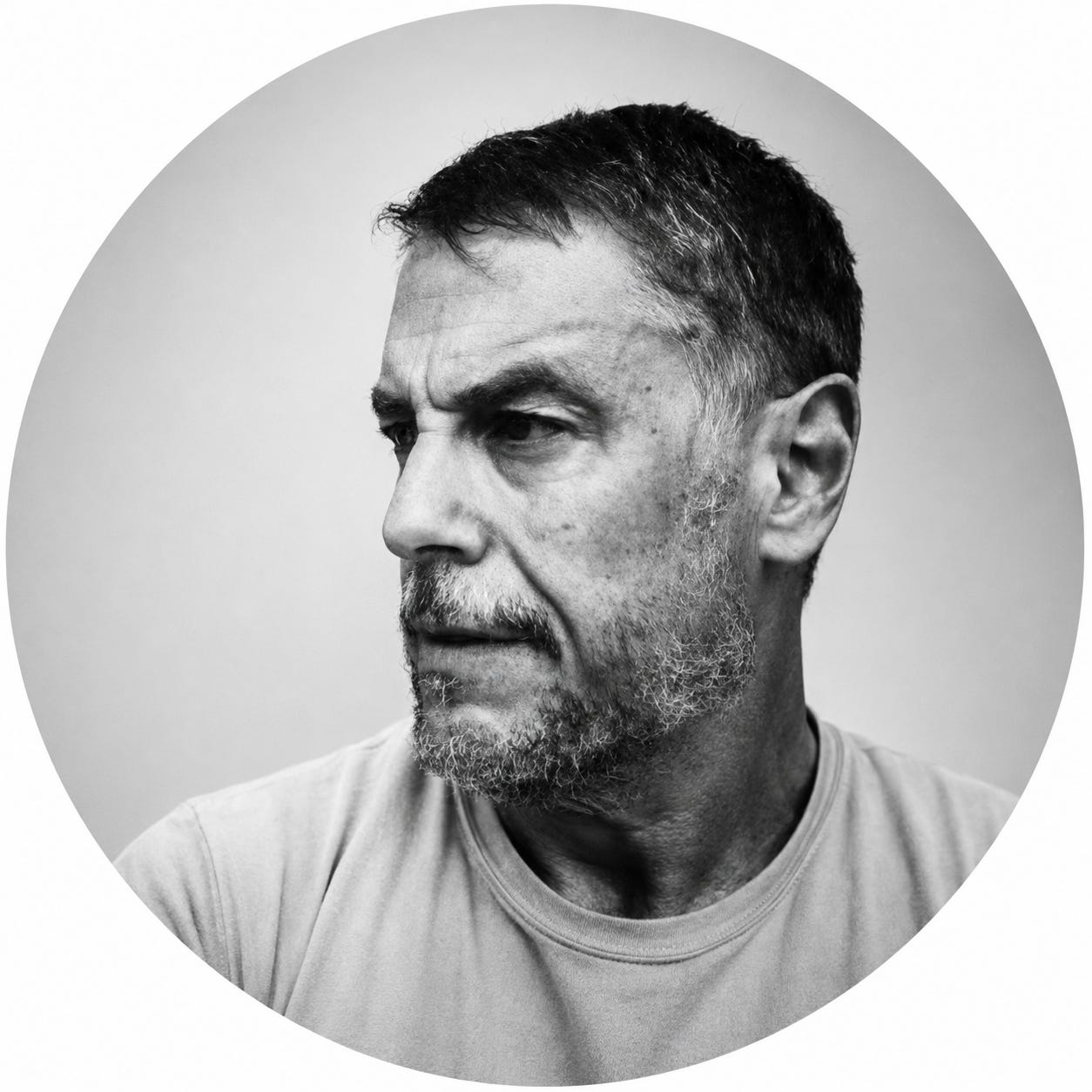
Jim Palmer is the founder and president of the Institute for Existential Health and founder of the Center for Non-Religious Spirituality. He holds a master’s degree in theology and is a certified Spiritual Director and endorsed Humanist Chaplain through the American Humanist Association.
His more than three decades of professional experience have included pastoral leadership, human rights work, spiritual direction, religious deconstruction and reconstruction, non-religious spirituality, practitioner training, and the development of Existential Health. A former megachurch pastor, Palmer subsequently worked internationally in human rights, including efforts addressing human trafficking and the forced sexual exploitation of children.
Palmer is the developer of the theoretical framework and practitioner model of Existential Health, an emerging interdisciplinary field concerned with the human relationship to meaning, identity, belonging, mortality, uncertainty, purpose, self-trust, and the fundamental conditions of being alive. His work includes peer-reviewed academic scholarship on Existential Health and an expanding body of white papers establishing the field’s conceptual foundations, developmental framework, practitioner methodology, research agenda, and applied domains.
He is the author of seven books and hundreds of published articles on religion, spirituality, meaning, identity, human development, and the human condition. As creator and lead instructor of the Existential Health Practitioner Training and Certification Course, he oversees its curriculum, methodology, practitioner formation, and continuing development.

Amber Gunstream is a graduate of the Existential Health Practitioner Training and Certification Course and now brings that formation into her work accompanying people through deconstruction, existential transition, and meaning-making.
She is a Spiritual Director, Certified Nature & Forest Therapy Guide, and Existential Health Practitioner. She holds a BA in Psychology from Northwest Nazarene University and has completed extensive professional formation in spiritual direction, interfaith and interspiritual competency, spiritual transformation, Enneagram and Ignatian spirituality, religious trauma, and nature-based practice.
Her training includes certification through the Center for Non-Religious Spirituality, the Association of Nature and Forest Therapy, Sustainable Faith, the Spiritual Guidance Training Institute, and the Transforming Center. Her postgraduate interests and study have included women’s spirituality, gender and social justice, feminist theory, religious trauma, Celtic traditions, and the experience of highly sensitive people.
Amber’s work focuses particularly on religious deconstruction, religious trauma, existential crisis, meaning-making, and identity formation. She brings an important ecological and embodied dimension to practitioner formation through her integration of nature, seasonal rhythms, ritual, emotional literacy, and the practice of accompanying people as they construct meaningful lives beyond harmful or inadequate systems.
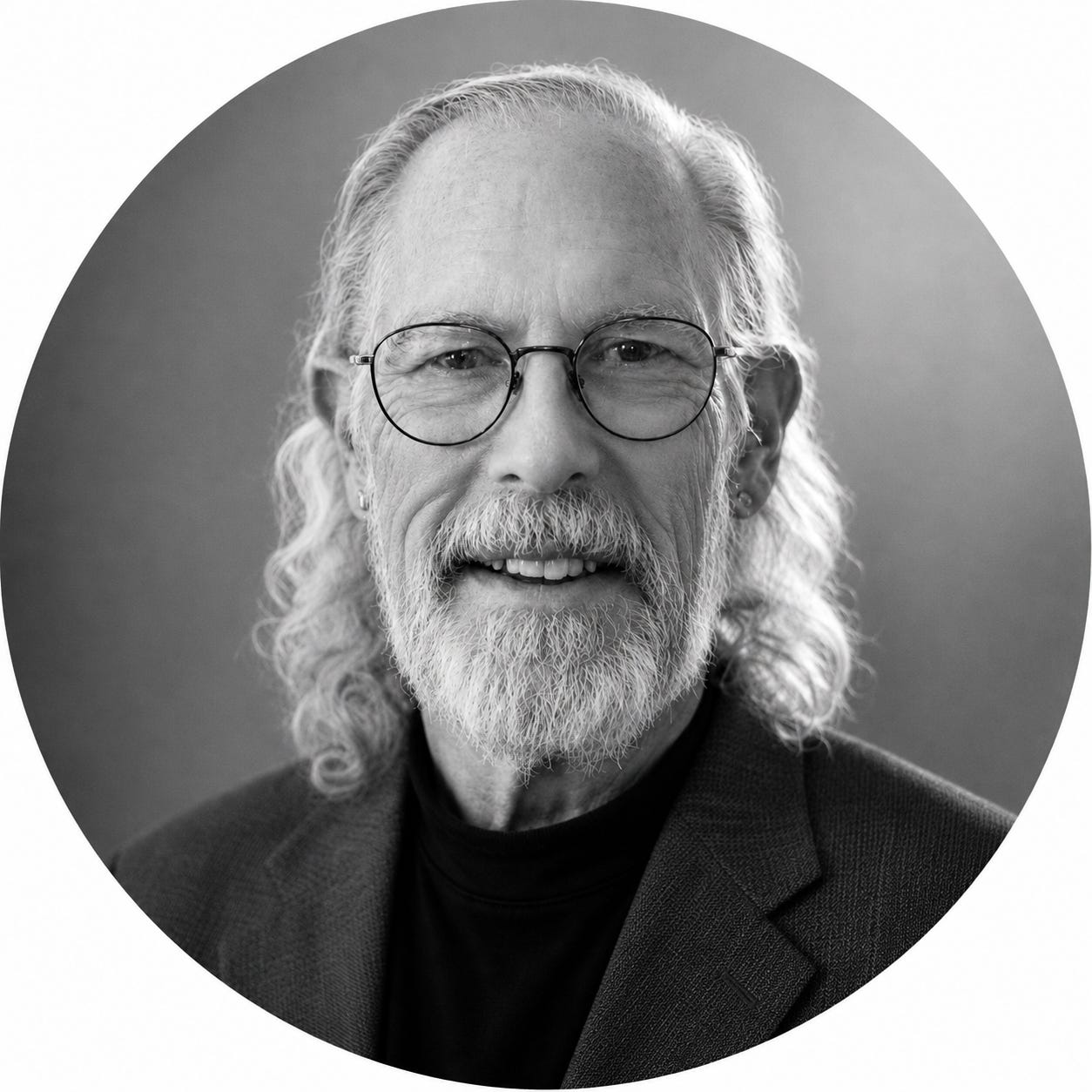
Tony Thieman-Somora brings nearly four decades of experience in spiritual direction alongside extensive work in ministry, community formation, trauma-informed accompaniment, and Existential Health. A graduate of the Existential Health Practitioner Training and Certification Course, Tony now integrates that practitioner formation with his extensive background in accompanying people through spiritual, relational, and existential transition.
Tony completed formal spiritual-direction training during seminary and became a certified Spiritual Director in 1988. He subsequently served for 15 years as a Catholic priest before leaving the Catholic Church following experiences that profoundly changed his relationship to institutional religion, including burying three young gay men who died by suicide and assisting Metropolitan Community Churches during the AIDS crisis.
He later served in ministry with Metropolitan Community Churches and, with his husband, founded Zia Spirituality Communities, which facilitates small communities grounded in a group spiritual-direction model. His professional experience has also included work with the Special Victims Unit in Santa Fe and a rape crisis hotline.
A graduate of the Fall 2025 Existential Health Practitioner cohort, Tony now operates Spacious Lives Existential Health Practice and is pursuing additional formation in somatic coaching. He brings particular depth to LGBTQ+ experience, religious transition, trauma-informed practice, community, spiritual direction, embodiment, and the evolution of accompaniment beyond traditional religious frameworks.

Dr. Saundra Biltz, OD, MAT-SJ, is a spiritual director, optometrist, and adjunct professor of spiritual formation at Northeastern Seminary. She brings more than fifteen years of experience accompanying people through faith transitions, religious deconstruction, theological uncertainty, and the interior dimensions of spiritual and existential life.
She is the developer of Holding the Tension, a 12-week cohort curriculum designed for faith communities navigating theological uncertainty, and is a published author with Spiritual Directors International.
Saundra’s contribution to the training centers on a capacity essential to Existential Health practice: learning how to accompany people through uncertainty without imposing premature answers or forcing ambiguity into resolution. Her experience at the intersection of education, spiritual formation, professional practice, and deconstruction strengthens the program’s emphasis on discernment, presence, and the ability to hold complexity.

David Linaker brings decades of experience in ministry, spiritual direction, contemplative practice, writing, and secular accompaniment.
Born and raised on the Isle of Wight in England, David was ordained in the Church of England in 1995 and subsequently served as a parish priest, Spiritual Director, and honorary canon of Salisbury Cathedral. After leaving both the Church and Christianity in 2016, he carried his work as a Spiritual Director into a secular setting. He is also a published author and provides celebrancy for funerals and weddings.
David has a particular interest in the secular application of Benedictine practices and in the often-overlooked impact of family estrangement during religious deconstruction. His experience offers practitioners an important perspective on what happens when spiritual practices are disentangled from the institutions and theological systems that once contained them, and how meaningful forms of accompaniment can continue beyond conventional religious belief.

Monica Sherese Brewster, PMP, is an Organizational Development and Strategy Consultant, Certified Professional Coach, and Certified xchange Facilitation Guide with more than 25 years of progressive professional experience.
Her work spans business transformation, change management, leadership coaching, organizational health, strategy, and facilitation. She has worked with an extensive portfolio of C-suite and senior executive leaders and their teams across federal government, corporate, and nonprofit organizations.
Monica expands the reach of Existential Health into leadership and organizational life, where questions of identity, purpose, values, transition, integrity, and meaning are often present beneath what initially appear to be merely professional challenges. She has a particular commitment to accompanying high-achieving women in midlife as they connect more deeply with themselves and discern who they are becoming.
Her contribution helps practitioners recognize that existential health belongs not only in explicitly therapeutic or spiritual environments, but wherever human beings are negotiating change, responsibility, identity, and meaningful participation in their lives.

Maria Gehrke is a visual bard and embodied vision artist whose work integrates somatic practice, intuitive painting, inner visioning, and creative expression.
Born and raised in Germany and now based in Milwaukee, Wisconsin, Maria works in the felt, symbolic, imaginative, and subliminal dimensions of human experience that can remain untouched by exclusively cognitive approaches to meaning-making.
Through her creative practice and podcast, she explores how embodiment and artistic expression can deepen the human capacity to engage questions of identity, purpose, belonging, and meaning. Her contribution to the training broadens the practitioner’s understanding of how existential experience is communicated and encountered through the body, imagination, image, symbol, and creative process, not solely through analysis and language.

Ruth Wittum is a certified Spiritual Director with the Center for Non-Religious Spirituality, a graduate of the Existential Health Practitioner Training and Certification Course, and a trained grief companion who has served as an interspiritual hospice chaplain. A compassion fatigue-informed and trauma-informed professional, she brings the Existential Health framework into her work with grief, mortality, loss, spiritual direction, and the accompaniment of people through some of life’s most vulnerable transitions.
Ruth brings experience from some of the places where existential questions become most immediate: grief, death, loss, caregiving, suffering, and encounters with mortality.
Her contribution emphasizes the practitioner’s capacity to accompany experiences that cannot simply be fixed, explained, or resolved. Her background in hospice, grief companionship, trauma awareness, and compassion fatigue also brings attention to the existential health of the practitioner and to the importance of developing sustainable forms of presence when accompanying people through profound vulnerability.
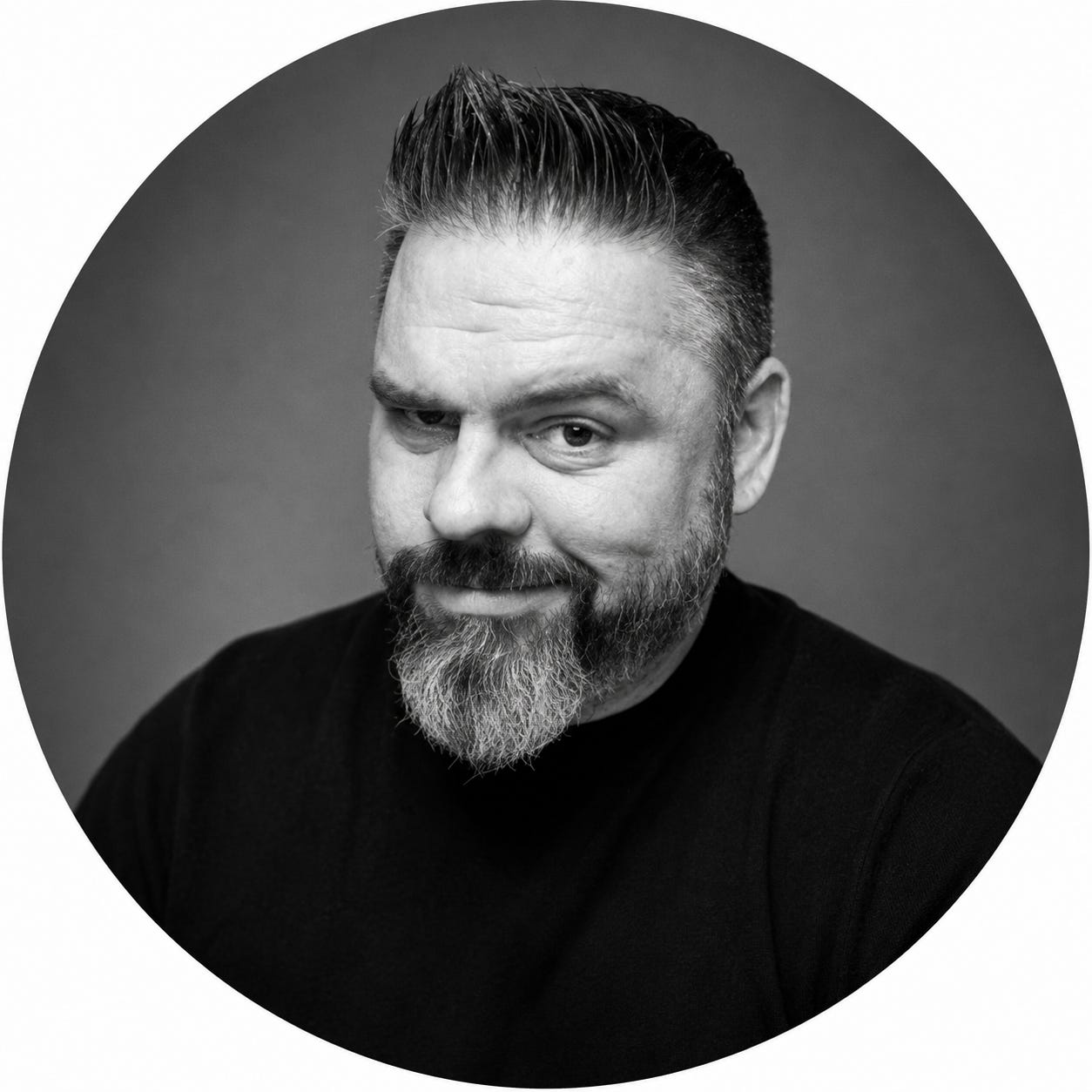
Michael Loy is a former senior pastor and graduate of the Existential Health Practitioner Training and Certification Course who brings both formal practitioner formation and firsthand experience to his work with high-control religion, religious deconstruction, identity disruption, and reconstruction after Christianity. His perspective integrates years of pastoral experience with the lived realities of leaving a high-control religious system and building a meaningful life beyond inherited religious structures.
Michael and his wife spent the first 18 years of their marriage immersed in the Independent Fundamental Baptist movement, devoting virtually every aspect of their lives to church and ministry. After decades of questioning, studying, deconstructing, reconstructing, and searching, Michael resigned from his position as senior pastor of a church in central Illinois in 2019. He and his wife subsequently left Christianity altogether.
His contribution to the training emerges from sustained experience with the realities practitioners increasingly encounter among people leaving high-control religious environments: the loss of certainty, community, identity, authority structures, relationships, and an inherited framework for understanding reality.
Michael’s journey beyond institutional religion also brings attention to what comes afterward: rebuilding self-trust, exploring spirituality without dogma or creed, constructing new forms of belonging, and learning how to inhabit a life no longer organized by the system that once defined it.
The strength of this team lies in the different ways its members have encountered, studied, and accompanied the existential dimensions of human life. That breadth matters because existential disruption rarely respects the boundaries of our professional disciplines.
Grief spills into identity. The loss of faith can alter the meaning of family, belonging, and home. A change in work can uncover questions of purpose that have been waiting beneath the surface for years. Illness can make mortality suddenly intimate. Leaving a high-control community can mean learning, sometimes for the first time, how to trust the authority of one’s own life.
There are experiences the body carries before language can name them, and truths that emerge through image, movement, creativity, or an encounter with the natural world when explanation has reached its limits. Existential life arrives whole, with one dimension continually touching and reshaping another.
Existential Health requires practitioners capable of recognizing this complexity without reducing human struggle to a diagnosis, doctrine, technique, or predetermined answer. It asks practitioners to develop the knowledge, discernment, presence, and capacity to remain with people in territory where the path forward is not always immediately clear.
That is the kind of practitioner we are seeking to form.
The Existential Health Practitioner Training and Certification Course is an intensive program of professional education, practitioner formation, and supervised practice. Participants develop a grounding in Existential Health theory and methodology alongside deep listening, ethical practice, self-awareness, and practical experience accompanying people through questions of meaning, identity, belonging, mortality, uncertainty, grief, religious deconstruction and reconstruction, life transition, existential crisis, and spiritual life beyond conventional religion.
The people contributing to this training bring substantial professional experience, formal education and certification, interdisciplinary expertise, and lived knowledge of the terrain. But the purpose extends beyond assembling an impressive group of credentials and perspectives.
We are developing a field capable of meeting human beings in places our existing categories do not always know how to hold.
This fall, a new cohort will enter that work: learning the field, practicing its methods, contributing to its development, and becoming part of a growing community of Existential Health Practitioners prepared to carry it into the places where people are already searching for new ways to understand and inhabit their lives.
There is a growing need for people who know how to accompany others through the deeper questions of being human. Across our culture, people are questioning inherited beliefs, rebuilding identities, navigating grief and major life transitions, searching for meaning and belonging, and learning how to trust themselves after the structures that once oriented their lives have fallen away.
Advice is often not what is needed. Neither is another authority telling someone what to believe or how their life should be lived. What is needed are people capable of listening deeply, asking thoughtful questions, remaining present to uncertainty, and creating the kind of relational space in which another person can encounter their own life with greater honesty, agency, and courage.
The Existential Health Practitioner Training and Certification Course is designed for people who want to develop that capacity. Some participants are preparing for a new professional practice, but many bring Existential Health into work they are already doing.
Therapists, counselors, psychologists, and social workers can deepen their engagement with existential questions that arise alongside clinical concerns. Healthcare professionals encounter mortality, suffering, uncertainty, and questions of meaning every day. Coaches can move beyond performance and productivity into questions of identity, purpose, and human flourishing. Chaplains and spiritual care providers can develop forms of accompaniment capable of serving people across religious and non-religious worldviews.
Educators can bring greater attention to the formation of the human being behind the student. Clergy and former clergy can develop more spacious and non-directive forms of accompaniment. People who have traveled through religious deconstruction can prepare to walk responsibly alongside others making similar journeys. Community, nonprofit, and organizational leaders can bring Existential Health into the cultures and relationships they help shape.
And some people come because they recognize something more personal: this is the kind of person I want to become.
The training is interdisciplinary, trauma-informed, evidence-informed, and grounded in the emerging field of Existential Health. But it is not merely the acquisition of knowledge or a professional credential. It is a year of practitioner formation.
The person who completes this program should leave with more than an expanded understanding of psychology, philosophy, spirituality, human development, and existential thought. They should have developed a greater capacity to remain present with uncertainty, suffering, meaning, identity, mortality, freedom, belonging, and the unresolved dimensions of another human life without rushing to fix, explain, or control them.
If you recognize yourself somewhere in this work, enrollment is now open for the Fall cohort of the Existential Health Practitioner Training and Certification Course.
Come learn the field. Develop the practice. Become part of the community carrying Existential Health into the world.
Comments
Nothing yet. Say the first thing.
Sign in to join the conversation.