
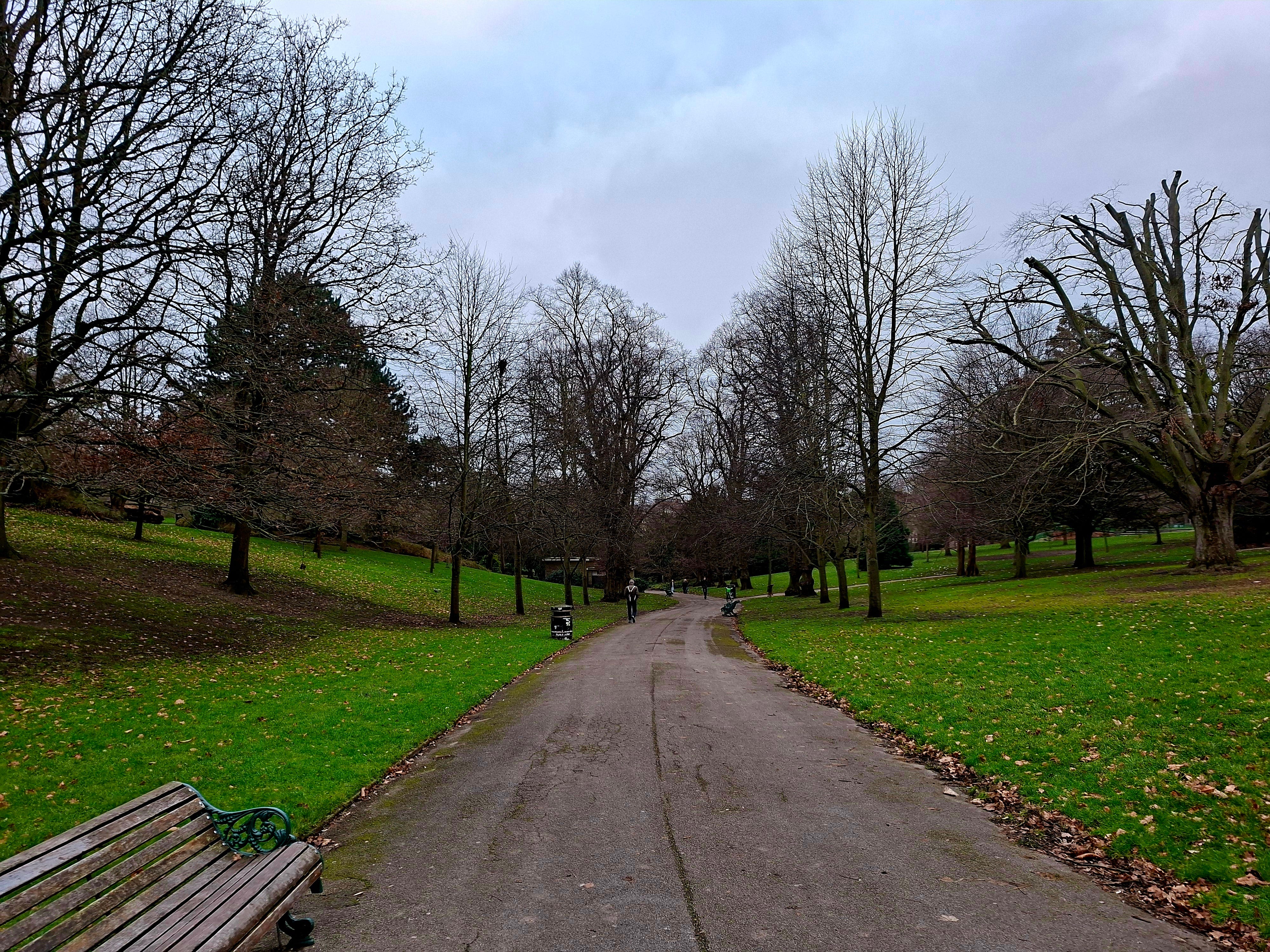
The Arboretum has shed its colours. The benches are cold and empty. The trees, though leafless, look happy under the evening sun. Squirrels have taken over the fields, celebrating Boxing Day in style. Somehow, they are no longer timid. The geese aren’t bothered by the cold; they’re out for a swim as usual. I’m taking pictures, stunned by the transformation from my last visit during the summer, making a mental note to get out my gloves from storage, and probably buy a snood or balaclava.
I have finally completed a full cycle of the British seasons, and I don’t have a favourite, per se. Each comes with its peculiarities. Each comes with beauty and mystery. You only need to hack the fashion for each period. I love the bare branches stretched heavenwards, in silent Hallelujahs, against a backdrop of blue sky. I love the way everything looks pristine in the snow. The late dawns and early dusks are, however, less bearable than the cold.
Wildlife has continuously learned to adapt and survive the seasons. It falls in love with the sun, gets excited by the rain, and gets creative with the cold. It doesn’t spend time analysing what it can’t change. It adjusts the dance to suit the music. It enjoys the allure and revels in the paradox.
Love, like the seasons, is as old as time, and constantly defies definition. Yet it remains the nucleus of human existence. We spend too much time trying to deconstruct, rather than embodying it in its various forms. Love is ambiguous. But curiosity is human nature; we’re not satisfied with not understanding. We continue to look for generic definitions of a bespoke experience. We fail to realise that it comes as a whole package; shell, albumen, and yolk; petal and prickle.
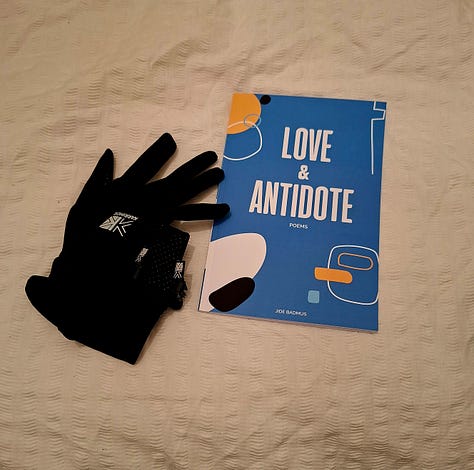
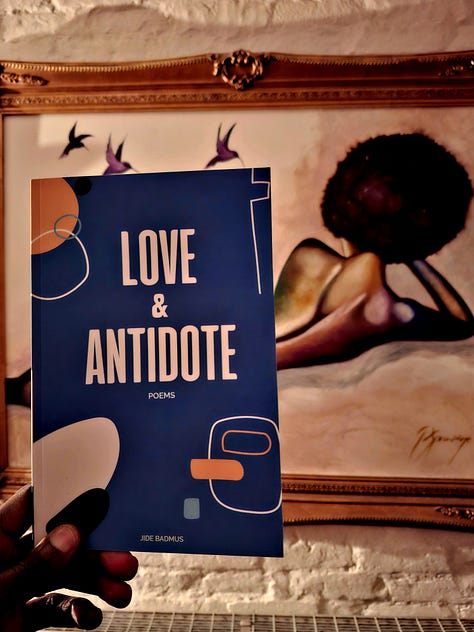
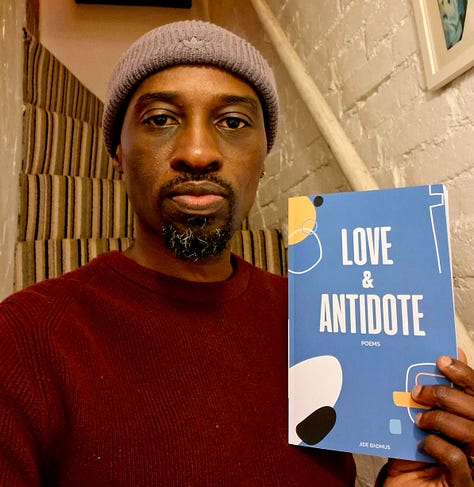
We ordinarily turn to metaphors when we encounter things we can’t figure out. Symbols help simplify things. When things are knotty, I turn to poetry. And as someone I read earlier this week said, poetry doesn’t proffer solutions, it doesn’t necessarily provide clarity either, but it holds you by the hand and accompanies you on the journey through the marrow; it helps you process the emotions and document the events. It’s why I turned to poetry to deliver Love and Antidote, a pamphlet of 24 micro-poems, 4 photographs of lovelocks on the Trent Bridge and in Skegness, and one flash fiction. The chapbook interrogates love’s different forms and seasons.
“Love and Antidote” is a birthday gift to myself. Get yourself (and your friends) a copy https://bit.ly/4soCXQI
For Nigerian readers, you can get digital copies https://paystack.com/buy/love--antidote-mfymcs




No posts
Comments
Nothing yet. Say the first thing.
Sign in to join the conversation.