
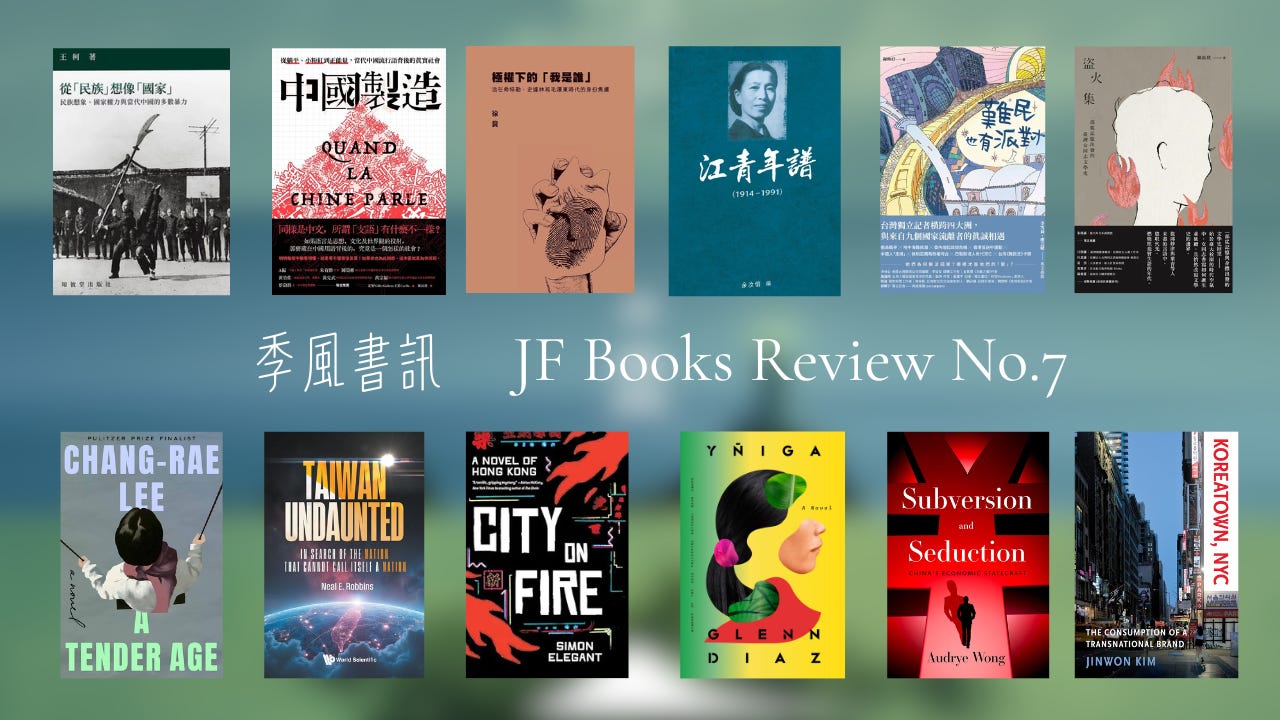
DC季风马上两岁了,时间快得令人心慌。两年前和房东签下十年租约时,听起来几乎像个终身合约。如今每天走进书店,新鲜感仍扑面而来,但五分之一已经过去了。
房东是位老先生,1970年代就在这个街区落脚,如今在附近有二十多处房产。签约前,我请他和儿子去有名的 Chang Chang 中餐馆吃饭。两个人颇为惊讶,说这么多年从没碰到过租客请饭,客气地说改天回请……
开张第一个网红月,书店人流汹涌,媒体纷纷报道。有一天,一位优雅的女士在门口看到我,张开双臂给了我一个大大的拥抱,笑着说她是房东太太。那时候,一切都很完美。
然后,修路开始了。
去年年底,门口的 Connecticut Avenue 开始大施工:要给原来的地下通道加一个巨大的“盖子”,汽车继续从下面走,上面变成街心公园,可以散步、遛狗、晒太阳,当然也适合读书。未来很美,代价是眼下的封路、噪音,以及长达两年半的工期。
销售自然受了影响。市里有一笔5万美金的商家补贴,但只给营利性企业(for-profit),我们这种非营利机构(non-profit)没有资格。我去找房东商量,能不能在施工期间减免一点租金。老先生很爽快:可以,但十年租约得改成五年,五年后随行就市。我在心里盘算了一下——等街心公园修好,这里的租金必然会跟着开花。于是喝完咖啡,礼貌告辞。
两周前,新的考验来了:我们这栋四层楼的空调系统彻底罢工,据悉换新费用高达三万美元。房东儿子大概心情极度不佳,回邮件时失了分寸,字里行间仿佛修空调是对我们的一项恩赐。我没有与其争锋,人生路上还是要自己醒悟。
三天前的下午,父子俩一起来到书店。老先生保持一贯的冷静:新系统还要等几个星期,请我们再忍耐一下,他们会先送些临时制冷设备来救急。于是,现在你走进季风,会看到六台风扇、三台制冷机,以及一张告示:“空调维修期间,全场九折。” 读者们至今无人抱怨。还好,还好。
9月1日,DC季风就满两岁了。我们依然没准备蛋糕,也没打算搞什么隆重的周年庆。和去年一样,继续办第二届 DC 华语独立影展,作为属于自己的庆祝方式。除了老朋友乔治城大学和乔治华盛顿大学,这次又多了新的合作场地:美国企业研究所(AEI),以及犹太社区中心的 JxJ。
两年过去,十年之约还剩八年。门口的街心公园还没影子,空调也还没修好,但书店每天照常开门,读者依然络绎不绝。
八月有6场讲座,九月有10场放映,期待暖聚。
----于淼
JF Books in DC is about to turn two. Time moves fast enough to make one slightly nervous. Two years ago, when I signed a ten-year lease with our landlord, ten years sounded almost like a lifetime commitment. Today, I still feel a little thrill every time I walk into the bookstore—and somehow, one-fifth of that “lifetime” is already gone.
Our landlord is an elderly gentleman who settled in this neighborhood in the 1970s and now owns more than twenty properties nearby. Before we signed the lease, I invited him and his son to dinner at Chang Chang, a well-known Chinese restaurant in the neighborhood. They seemed genuinely surprised: in all their years as landlords, they said, no tenant had ever taken them out to dinner. They graciously promised to return the invitation sometime……
During our first month—the bookstore’s brief celebrity phase—we were packed with visitors and covered by one media outlet after another. One day, an elegant woman spotted me at the entrance, opened her arms, and gave me a big hug. Smiling broadly, she introduced herself as our landlord’s wife. Back then, everything was perfect.
Then came the roadwork.
Late last year, major construction began on Connecticut Avenue right outside our door. The plan is to put a giant “lid” over the existing underpass: cars will continue underneath, while the space above becomes a public park for walking, dog-walking, sunbathing—and, naturally, reading. The future sounds lovely. The present consists of road closures, noise, and a construction schedule of two and a half years.
Sales, unsurprisingly, took a hit. The city offered a $50,000 grant to affected businesses, but only to for-profit ones. As a nonprofit, we did not qualify. So I met with our landlord and asked whether he might reduce the rent during construction. He readily agreed—with one condition: our ten-year lease would become a five-year lease, after which the rent would reset to market rate. I did some quick math. By the time the new park is finished, the neighborhood will be prettier—and the rent will presumably blossom along with it. I finished my coffee and politely said goodbye.
Then, two weeks ago, a new test arrived: the air-conditioning system for our four-story building gave up entirely. A replacement, we were told, would cost around $30,000. The landlord’s son was understandably not delighted by the estimate, and his email to us was a little less cheerful than usual. I decided this was probably not the best moment for a philosophical discussion about the responsibilities of landlords and tenants.
Three days ago, father and son came to the bookstore together. The elder gentleman politely explained that the new system could still take several weeks and asked us to bear with them. In the meantime, they would provide temporary cooling units. So if you walk into JF Books today, you will find six fans, three portable air conditioners, and a sign that reads: “10% OFF STOREWIDE WHILE THE A/C IS UNDER REPAIR.” So far, not a single reader has complained. Thank goodness.
On September 1, JF Books will officially turn two. Once again, there will be no cake and no grand anniversary celebration. Instead, as we did last year, we’ll celebrate in our own way: with the second DC Sinophone Independent Film Festival. Alongside our old friends at Georgetown University and George Washington University, this year we are also working with two new venues: the American Enterprise Institute (AEI) and JxJ at the Edlavitch DC Jewish Community Center.
Two years down, eight to go on our ten-year pact. The park outside is still nowhere to be seen. The air conditioning still isn’t fixed. But the bookstore opens its doors every day, and readers keep coming.
Six talks in August. Ten screenings in September. We look forward to seeing you—warmly, in every sense of the word.
----Calvin Yu
余汝信|2026-05-06|香港新世纪出版社|购买
江青的一生早已被结论覆盖,而这部年谱试图做的,是让史料重新说话。
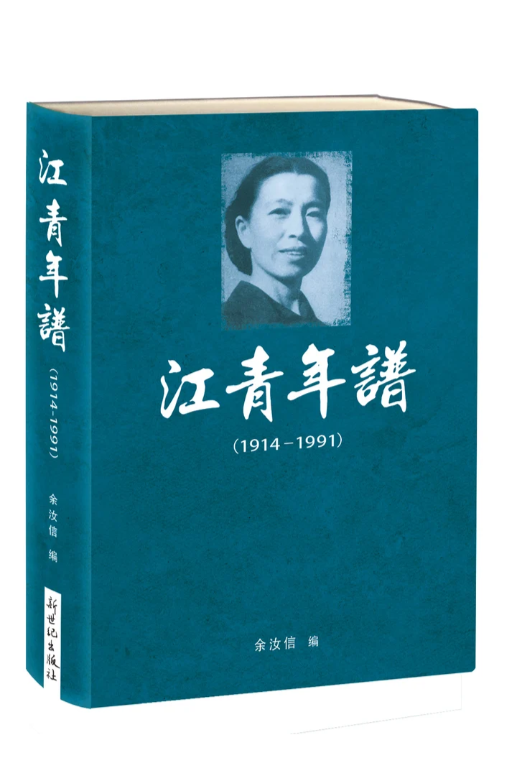
江青大概是文革史上最容易被“定型”的人物之一。她后来成为“四人帮”成员和审判席上的被告,以至于我们回望她的一生时,很容易从结局倒推历史,把一个复杂的人压缩成几个政治标签。《江青年谱》做的恰恰相反:不急于解释江青,而是先把江青重新放回时间里。
从山东、上海、延安,到“第一夫人”“文革旗手”,再到秦城监狱与保外就医,作者以年谱的方式逐年梳理江青留下的活动、言论和相关史料,并对大量彼此矛盾、长期流传的材料进行考证和辨析。余汝信说,这不是一部对江青的系统性研究,而是为后来者提供基础史料。
读年谱有一个好处:当一个人的一生按照年月日重新排列,许多后来形成的神话、污名甚至辩护,都必须接受时间与事实的检验。江青当然无法脱离毛泽东和文革来理解,但她也并非从一开始就是后来那个“江青”。一个山东女孩、上海演员,究竟怎样一步步进入最高权力中心,又怎样在那个制度中获得如此巨大的政治能量?《江青年谱》提供了寻找答案所需要的材料。
----Calvin
徐贲|2026-07-01|壹壹陸工作室有限公司|购买
当规则随时改变、身份随时被重新定义,守住“我是谁”,本身就是一种抵抗。
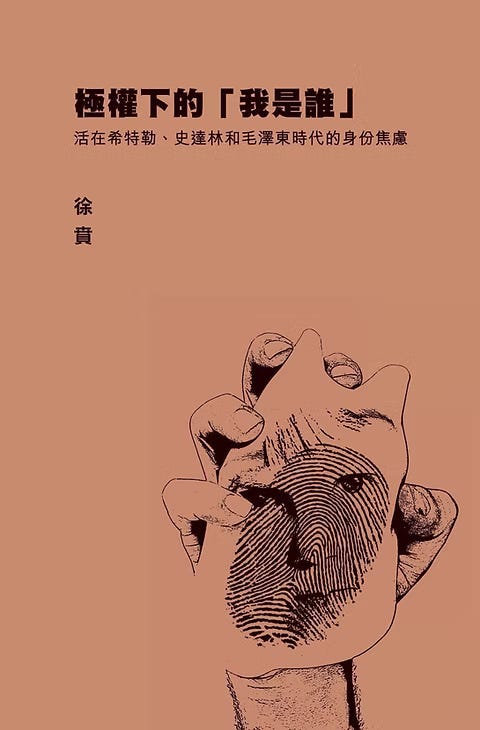
《极权下的“我是谁”》是徐贲老师“极权三部曲”的第三部。书中他强调了极权统治下的“临界状态”。极权并不总以暴力和恐惧出现,更危险的是,它让规则变得模糊,让身份变得不确定:今天被鼓励的,明天可能成为罪名;今天的同志,明天可能就是敌人。人在这种持续的不确定中,慢慢学会揣摩、顺从和自我审查。
为了抵抗制度对个体独特性的抹杀,徐贲把目光转向文学与微观史,写古拉格囚徒、知识分子、官僚,也写沉默的旁观者。历史的场景不断变化,人在其中的挣扎却如此相似。极权最深的侵蚀,不只是改变制度,更是改变人的生存方式,甚至让人逐渐失去对“我是谁”的确认。
书中有一句话:抵抗并不是对抗“不确定”本身,而是拒绝被动承受制度化的折磨。这本书谈的远不只是历史。一个人能否在恐惧与混乱中保持独立判断,拒绝把思考交给权威,也许正是“我是谁”这个问题最重要的答案。而走出这种临界状态,最终仍需要一个容许分歧、鼓励对话,也能够保护弱者的公共空间。
----Calvin
王柯|2026-05-28|知彼堂出版社|购买
当国家只能以一个“民族”的面貌被想象,差异就容易从共同生活的事实,变成必须被消除的问题。
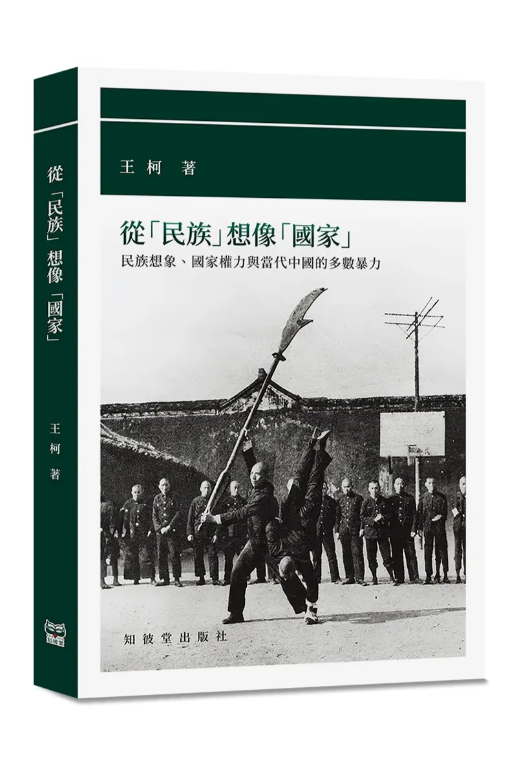
中国的民族问题,或许首先是一个关于“国家是什么”的问题。王柯在书中追问的,正是现代中国如何把一个多民族国家不断想象成具有单一民族主体的“民族国家”。当“中华民族”被塑造成高度同质化的政治共同体,差异便不再只是差异,而可能被理解为对国家统一与安全的威胁。
从新疆维吾尔人的处境、宗教“中国化”,到海外哈萨克人的国家认同与香港社会的身份变化,作者试图说明,同一种逻辑如何在不同地域反复出现:国家以民族之名要求认同,以统一之名压缩差异,而多数群体则可能在不自觉中成为这一结构的受益者,甚至参与对少数群体权利的剥夺。
书中尤其值得警惕的是,“多数暴力”并不一定表现为公开的暴力。它也可能以国家认同、文化同化乃至社会常识的面貌出现。当“谁属于这个国家”的答案只能有一种时,民族主义最终维护的,已经不是共同体,而是权力。
----Calvin
纪野,石路(主编)|2026-04-28|卫城出版|购买
给读者了解中国流过来的流行用语蕴含着什么样的中国社会。
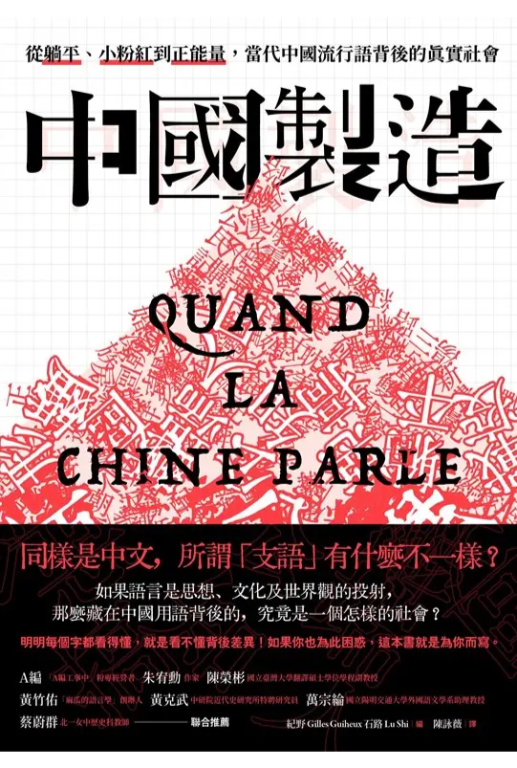
从“躺平”、“小粉红”、“正能量”等术语,法国中国研究学者纪野与汉学家石路主编了这本总共三十四个具有代表性的当代中国关键字词典。这些术语的起源是什么,它们是如何变得流行的,它们是否以及如何被采用,或者人们对它们有何反应?这些都是本书针对每个术语所提出的问题。
这本书不仅仅是一个词源学,它提醒我们所有这些术语都是主观的。它们可能携带政治议程,其中一些议程比其他议程更为明确。例如,“躺平”一词及其细微差别已被仔细剖析。其对于中国政府的消极抵抗的解读,以及政府对此术语回应“暂时充电”的温和态度,都受到了作者的密切关注。
如今,台湾许多人使用这些源自中国的术语,却没有意识到的它们起源和社交信息。这本书不仅仅是这些术语的速查表,而是邀请我们所有人重新思考我们借用的这些术语,了解它们经历了怎样的社会演变过程。
----Fiona
杨大利,王琳茱|2026-03-31|八旗文化|购买
这个体制或许拥有强大的动员与执行力,却极度缺乏自我纠错的能力。
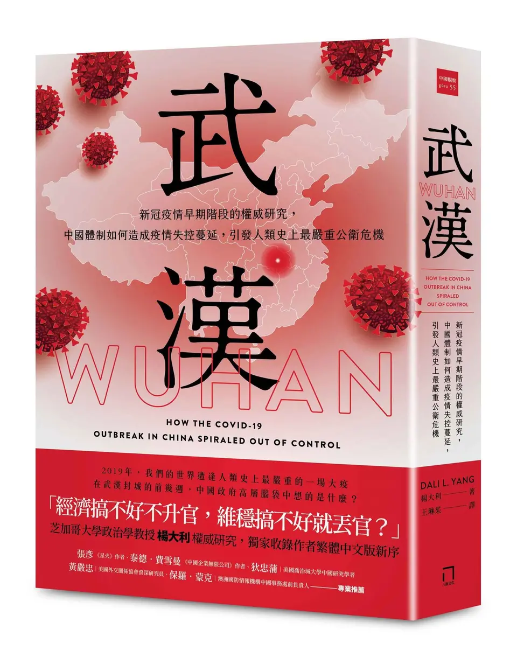
2020年1月的武汉,不祥的信号其实早已浮现,但警报却没能响起。一线医生看到了病例,专业机构感知到了风险,信息却在层层行政官僚体系中被压制、停滞。直到危机再也无法遮掩,国家机器才展现出极强的动员力进行封城与资源调配。这种前期的失控与后期的雷霆手段,构成了《武汉》全书的核心张力。
杨大利教授沿着早期的信息流向、决策过程与公卫体系逐一梳理,揭示出某种深刻的体制悖论:一种高度集权的结构,固然可以在危机爆发后迅速倾全国之力去运转;但也恰恰是这种权力逻辑,让基层不敢如实上报、专家难以坦诚发声,坏消息永远抵达不了真正能做决策的人。
----Calvin
陈钰欣|2026-05-26|有理文化有限公司|购买
以普罗米修斯盗火为隐喻,在边缘与中心的交错中,打捞台湾同志文学三十年的生命经验。
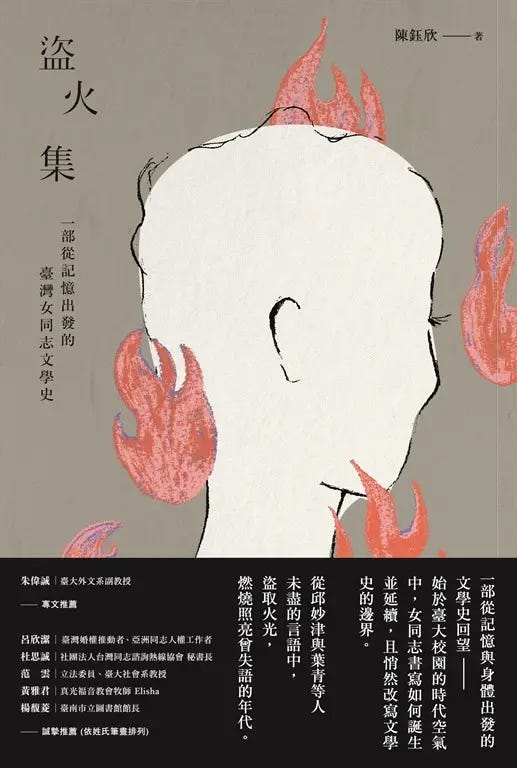
作者说,自己拼命考上台大,就是为了参加浪达社,然后在椰林大道谈一场恋爱。浪达社与 Gay Chat 是台湾最早获准成立的大学同志社团;浪达取自希腊文第十一个字母,意为“自由”。
跟随作者细读文本,从台大这一女性情谊的关键发生地出发,观察女女情谊如何在日常生活与书写之间生成、流动。从邱妙津的《鳄鱼手记》《蒙马特遗书》,到赖香吟的《其后それから》,再到同婚法案通过之后的书写,作者将文学放回台湾近三十年的社会变迁之中:性解放论战、女性主义内部的辩论,以及同婚运动与法制化的漫长历程,由此呈现文学、思想与社会运动之间的交织。
书名《盗火者》取自“普罗米修斯盗火”的典故,意在从邱妙津与叶青等人的文本中盗取火光,去照亮那个曾经失语的年代。九〇年代的同志精英,一面身处台大这样的文化中心,一面又落在社会认同的边缘;他们握有知识与话语的火,而那火并非天然属于他们所代言的群体。所谓“双重意识”,正生于这道缝隙之中:既在中心,又不属于中心。
----Qing
傅思台|2026-06-24|台湾大学出版中心|购买
「每个世代的外省人都承载了属于他们时代的记忆。」
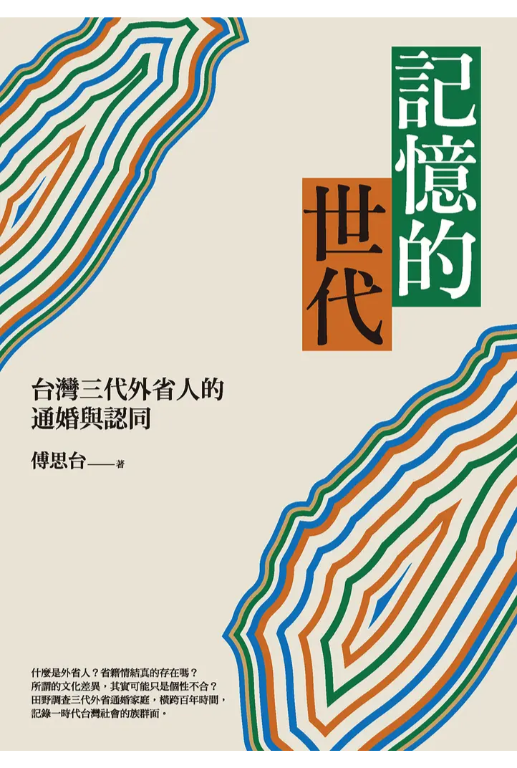
随着第一代外省人的逐渐逝去,“外省人”这个词汇似乎正在慢慢淡出当代台湾。
从初来乍到、依恋故土的初代“外省人”,到逐渐形成认同,族群边际逐渐模糊的“外省人”后代,作者通过对三代外省通婚家庭的田野调查,打破了传统“外省人/本省人”的二分法。
在这些家庭里,后代于台湾重构自我,本省籍配偶则扮演着理解与调和的角色,族群边界由此转化为流动的记忆共同体。作品追问那些被主流叙述遮蔽或简化的真实,也提醒我们:历史的修复与和解,始于对缝隙中具体生命经验的倾听。人与人之间、族群与族群之间的差异更多源于迁徙的时间点与个人的历史处境,而非铁板一块的身份认同。
----Qing
李雪莉,简永达|2026-05-26|卫城出版|购买
在废墟的状态下,谁能告诉这些孩子们对错?
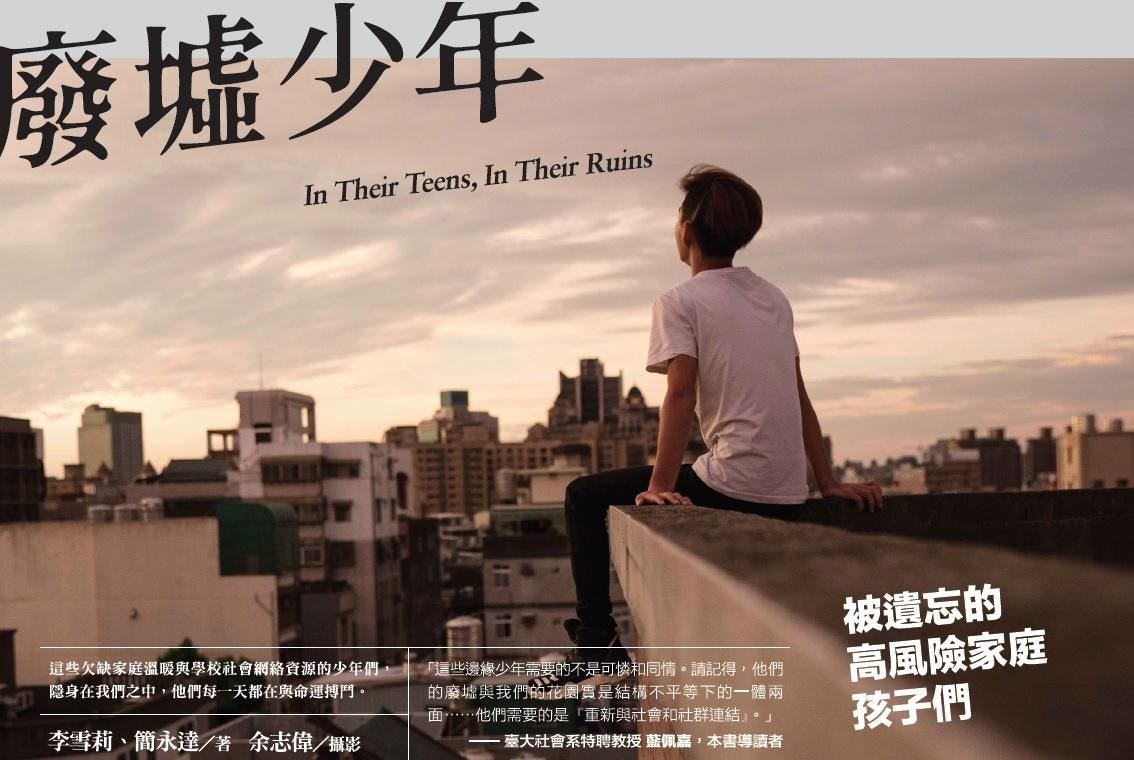
废墟少年是由《报道者》记者李雪莉和简永达,在台湾各地采访上百名成长于高风险家庭的少年而整理出来的作品。书中的孩子身处种种恶劣境遇,往往因缺乏阅历而做出不明智的决定,因而陷入不幸的恶性循环。书中讲述了各种各样的故事:有的孩子为了赚点外快而在农作物上喷洒农药,有的惨遭同龄人性侵,还有的为了寻求新机遇而离家闯荡陌生之地。这些孩子常被贴上“8+9”(意指游手好闲、惹是生非的青少年)的标签,背负着“问题少年”的恶名;然而,却鲜有人愿意花时间去了解究竟是何种境遇将他们推向了如今的处境。
----Fiona
陈映妤|2026-05-26|八旗文化|购买
对现代难民而言,什么定义了“家”?
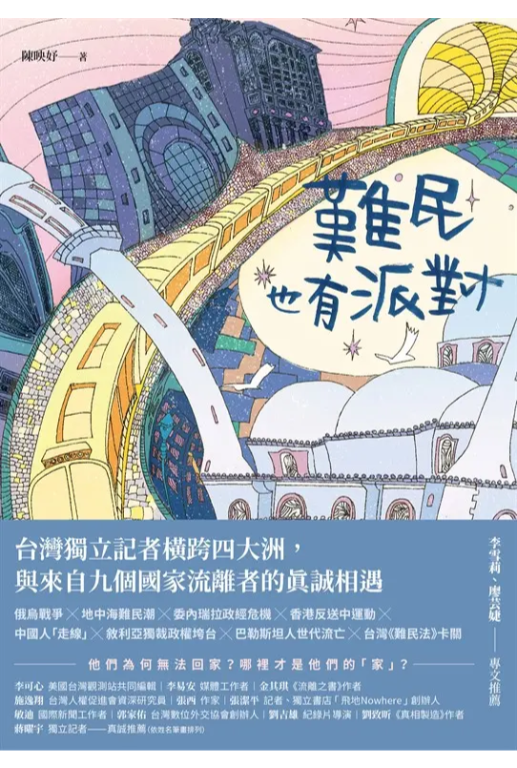
本书是台湾独立记者、纪录片《走线》共同导演陈映妤的第一本书。她历时约八年,横跨四大洲,记录了12组、来自9个国家的流离者,包括叙利亚音乐家、委内瑞拉涂鸦艺术家、乌克兰演员、俄罗斯独立记者、厄立特里亚英文老师、巴勒斯坦大学教授,以及离开中国的同志伴侣等。
这本书以全新的视角展现了难民的人性,将他们与新闻报道中常见的越境故事和悲惨遭遇区分开来。书中讲述了一位叙利亚钢琴家请作者帮他妻子从小说《鬼灭之刃》的主角那里带回一副耳环的故事。即使在困境中,夫妻间互赠的小小惊喜也能为他们的生活带来一丝慰藉。
陈映妤也探索了许多其他类似的难民生活场景:从艺术家试图透过艺术来平衡战争和失去的过往,到作者在派对上发现自己与台湾的记忆渐行渐远。作者透过了解迫离开家园的人们的不同故事,重新审视了“家”这个不断变化且灵活的定义。
----Fiona
赵英来|2026-04-02|春山出版有限公司|购买
全泰一是谁?他为什么下定决心以自焚叫醒社会?
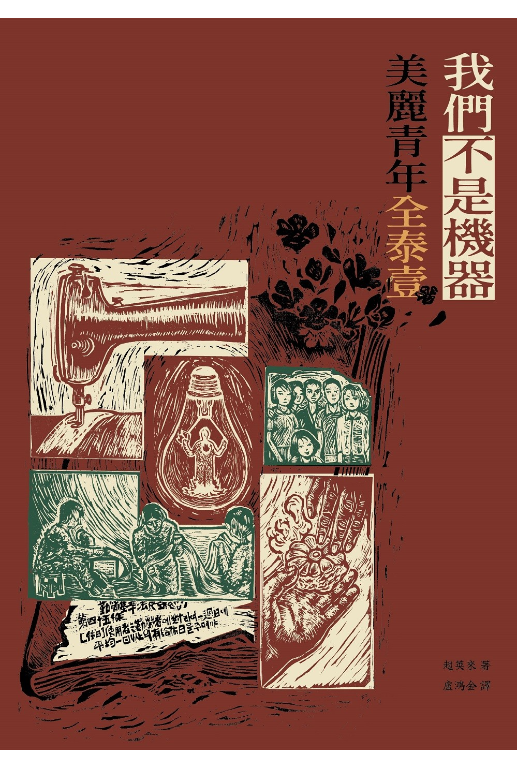
1970年,韩国首尔和平市场的剪裁师全泰一手持《劳动基准法》自焚身亡,这一事件深刻震撼了韩国工人运动史。全泰一自幼在社会底层打滚,靠擦鞋、推车求生,即使每日经历长达十几小时的残酷劳动,仍心怀上学梦想。当他发现《劳动基准法》中关于八小时工作制与休息日的规定时,曾以为找到了对抗资方剥削的武器;然而官方的冷漠与资方的背信弃义,让他意识到规则在权力面前的溃败。最终,他以牺牲为结局独自完成了《劳动基准法》火葬仪式。
《我们不是机器》记录的不仅是一段血泪史,更是在非人化规则面前对人类尊严的顽强喊话。
----Qing
张伟(主编)|2026-02-01|中信出版社|购买
一群做雕塑的人用脚步与镜头丈量大地,做成一套中华美学全景指南。
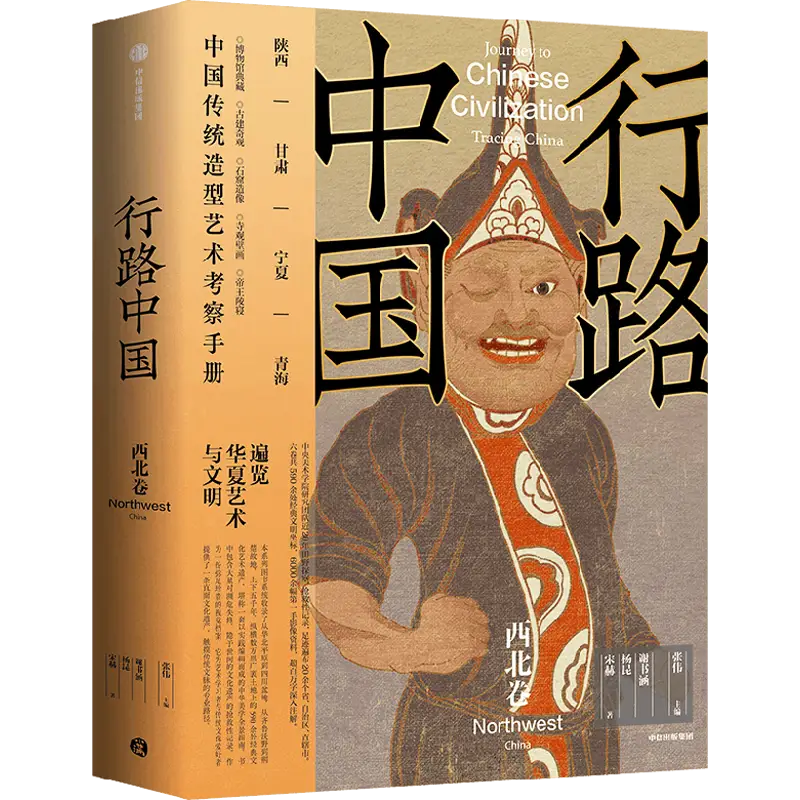
近二十年,中央美院雕塑系第六工作室包车行驶超过十四万公里,走访、拍摄、记录了五百九十余处文化遗产。这套《行路中国》就是他们跑出来的成果,按地域分为两辑六卷:上辑西部特辑(西南卷、西北卷、中原西卷),下辑东部特辑(北方卷、东南卷、中原东卷),西北卷是其中一册。
这本书以图文结合的形式,记录了这趟穿行西北的行走见闻。碑林博物馆、麦积山石窟、还有寺观壁画、古塔、碑刻、帝王陵寝。镜头与笔触对准这片土地的自然地理、历史遗迹与多民族文化,展现广袤边地上独特的风土人情。
没有繁复夸饰的词藻,作品以白描般的纪实风格带读者踏上一趟历史与现实交织的旅途。在风物变化与具体的生活场景之间,读者得以重新体会土地的厚重、自然的秩序。
----Qing
Dongxian Jiang|2026-06-02|Princeton University Press|Purchase
China needs democracy not because democracy is perfect, but because power without institutional constraints is even less worthy of trust.
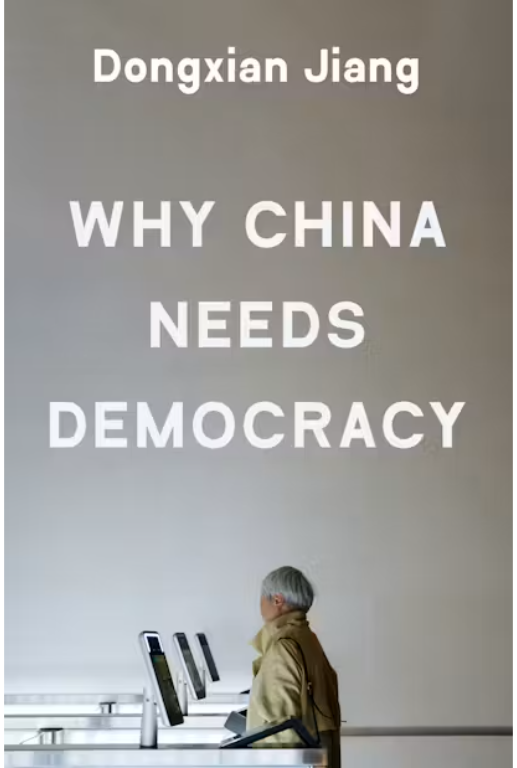
Dongxian Jiang approaches democracy not primarily through the values of freedom, equality, or justice, but from a realist perspective: what kind of political system is better equipped to address the problems China actually faces?
China’s decades of economic growth are often cited as proof of the effectiveness of the “China model.” But economic success does not answer a more fundamental question: when power lacks external constraints and the state dominates society, what happens when the system makes mistakes? Who can correct them, and who can hold those in power accountable?
The Chinese Communist Party can reform itself, fight corruption, and even voluntarily limit certain powers. But ultimately, these measures still depend on the willingness of those in power. Democracy, by contrast, offers more durable mechanisms for checks and balances, accountability, and self-correction.
What makes this book particularly noteworthy is that it does not simply proclaim that “democracy is good.” Instead, it argues that even from a realist rather than idealist perspective, China still needs democracy—because all power is capable of error, and no society can rely on those in power to correct themselves.
----Calvin
Audrye Wong|2026-06-29|Oxford University Press|Purchase
Money may not buy loyalty; the ultimate limits of a great power’s economic encroachment depend on the institutional resilience and defenses of the countries on the receiving end.
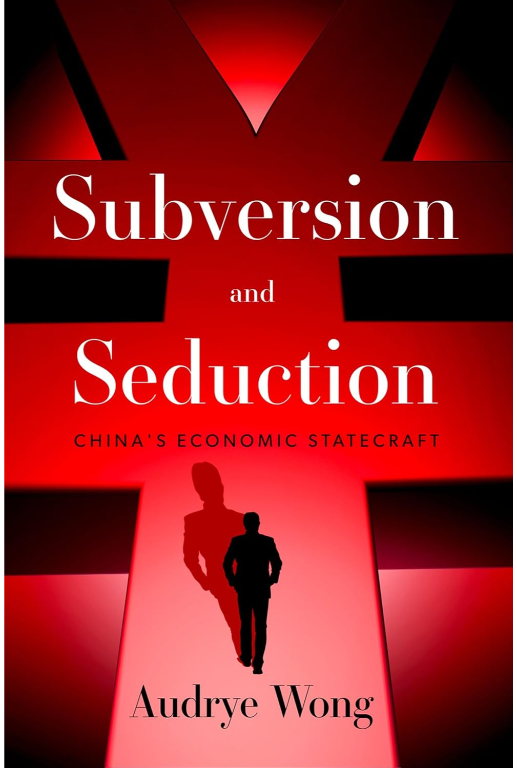
Can money buy influence? In Subversion and Seduction, Audrye Wong offers an answer more complicated than we might expect. China has become increasingly adept at turning economic resources—trade, investment, and aid—into instruments of foreign policy. Yet economic power does not automatically translate into political influence. Often, what Beijing gains is a vote, a policy concession, or a wedge between allies, rather than a country’s lasting political realignment.
Wong divides these economic tools into two categories: “subversive carrots” and “legitimate seduction.” The former bypass normal political processes, using material benefits to influence key individuals; the latter operate within existing institutions, mobilizing businesses, interest groups, and economic dependencies to generate political pressure. Whether these strategies succeed often depends on the strength of institutions and mechanisms of public accountability in the recipient country. The contrasting experiences of Cambodia, Myanmar, the Philippines, Malaysia, Australia, Japan, and Europe reveal just how different the outcomes can be.
----Calvin
Neal E. Robins|2026-03-23|WSPC|Purchase
An intimate exploration of Taiwanese identity, history, and the quiet resilience of a society defining itself on its own terms.
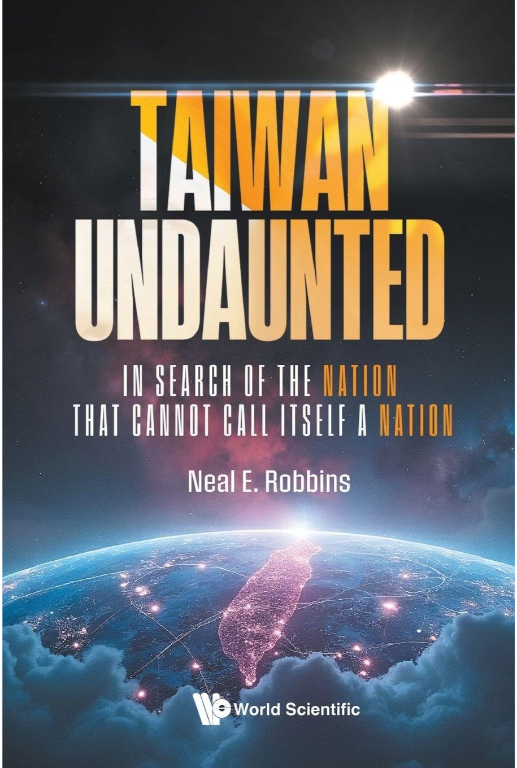
Taiwan Undaunted is an interesting attempt to approach Taiwan through a question that is both political and deeply personal: what does it mean to belong to a nation that is not allowed to fully call itself one? Neal E. Robins draws on more than eighty interviews, but the book is at its best when it moves away from geopolitics and lets ordinary Taiwanese voices complicate the usual arguments about Taiwan’s identity, history, and relationship with China.
What I found particularly compelling is that the book doesn’t treat “Taiwanese identity” as something fixed or inevitable. It is layered with indigenous histories, migration, democratization, family memory, and the complicated reality of living next to a much larger power. That makes Taiwan Undaunted feel less like another book about the Taiwan Strait and more like a portrait of a society still figuring out how to describe itself.
----Can
Simon Elegant|2026-05-05|Pegasus Crime|Purchase
A tense, immersive noir portrait of a restless city caught in the turbulence of political transformation.
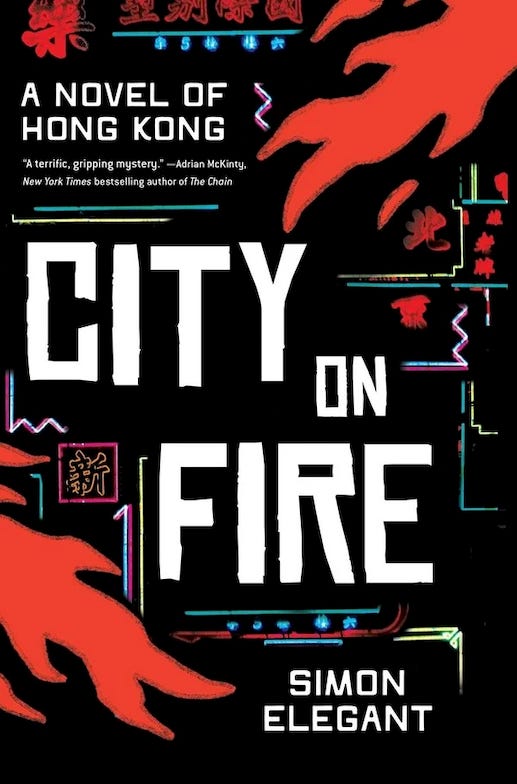
City on Fire is a crime novel, but what stayed with me was less the murder mystery than the city surrounding it. Set against Hong Kong’s 2019 protests, Simon Elegant captures a place caught between loyalty, fear, anger, and the slow realization that the city people knew is changing underneath them. The political backdrop never feels like decoration; it seeps into friendships, families, and even the way people understand right and wrong.
What makes the book interesting is its sense of Hong Kong as a character in its own right—restless, divided, occasionally darkly funny, and impossible to fully pin down. It’s a thriller, but also a portrait of a particular moment that already feels strangely distant. I’d recommend it especially to readers interested in Hong Kong, not because it offers a neat explanation of what happened, but because it leaves you with some of the unresolved tensions that made the city so difficult to understand in the first place.
----Can
Jinwon Kim|2026-05-05|NYU Press|Purchase
How to sell a culture to American consumers? A study on Koreatown, NYC.
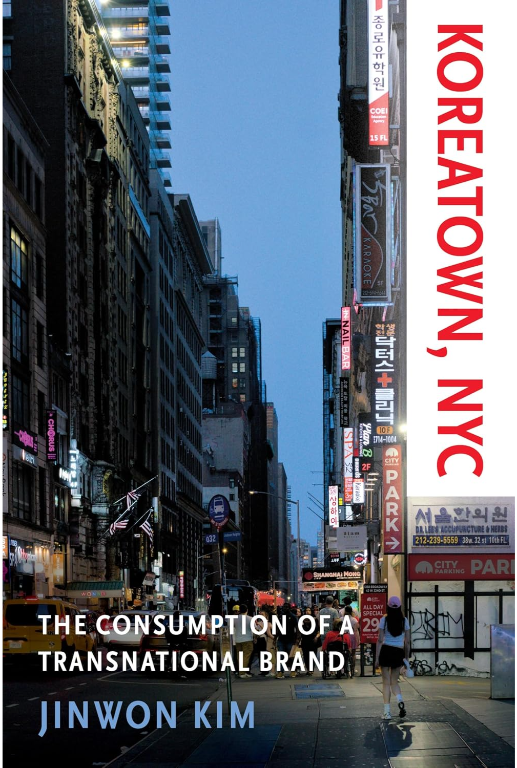
The Koreatown in Manhattan, New York City packages and sells Korean culture in the form of K-beauty counters, barbecue restaurants, karaoke rooms, and day spas. Jinwon Kim dissects the South Korean government’s strategy to market its culture following its 1997 financial crisis. The study is based upon 135 interviews with producers and consumers of Koreatown, archival research, and new patterns in Korean migration.
Kim coined the term “transclave” to describe this particular ethnic enclave that is made not only for members of its cultural community, but also marketed outwards to the non-Koreans and tourists of NYC. “New York City is one of the most critical global markets in nation branding projects,” Kim observes. The location and design of Koreatown is entirely intentional, and Kim notes its differences from other ethnic enclaves such as Chinatowns, Little Italys, and Little Indias.
Unlike these other areas, Koreatown is a non-residential area and instead fully commercial. Kim notes that the existence of such ethnic enclaves are encouraged in a metropolitan area where there is an “increased demand for authenticity, diversification of ethnicity” and that such demonstrations of this demand are important for “establishing a cosmopolitan identity.” With this in mind, Koreatown takes advantage of NYC’s craving for being cultured by selling Korean culture in various forms.
----Fiona
杨双子 著/三浦裕子 译|2023-04-20|中央公论新社|Purchase
An unexpected romance between the colonizer and the colonized.
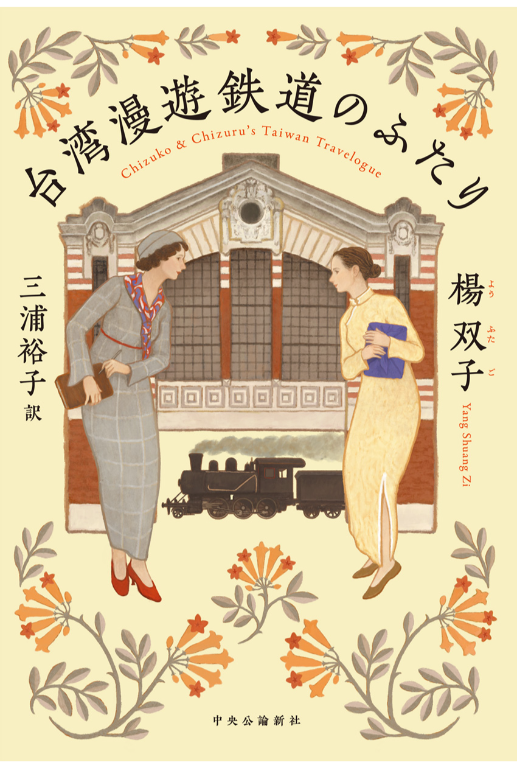
Taiwan Travelogue poses as a rediscovered Japanese transcript translated into Chinese from the perspective of a Japanese novelist named Aoyama Chizuko. This Japanese translation of the novel is an interesting “reverse” of the originally Chinese text. Its cover features the historic Old Taichung Station designed by illustrator Naffy with book design by Hisako Tanaka.
Chizuko seeks out life in Taiwan beyond what is offered on her official lecture tour. This is how she meets Ō Chizuru, a Taiwanese interpreter whom she eventually falls in love with.
The power dynamic between the two is layered and complicated on many levels. Firstly, Chizuko is from Japan – the colonial ruler over Taiwan in 1938, when the story is set. Their relationship becomes an analogy for the colonizer-colonized. Second, the professional nature of their relationship as interpreter-visitor complicates their feelings for each other. Lastly, their sapphic relationship in a time when homosexuality was not socially accepted also adds to their relationship. While the romance is never explicitly stated, the undertone is heavily romantic.
Taiwan Travelogue is the winner of the 2024 National Book Award for Translated Literature and the 2026 International Booker Prize.
----Fiona
Chang-rae Lee|2026-08-11|Riverhead Books|Purchase
A quiet, perceptive exploration of American masculinity and the fragile bonds of family.
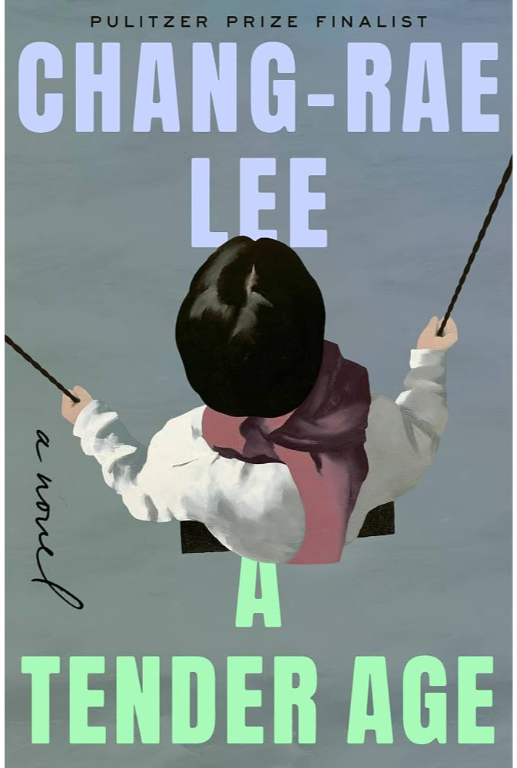
Set against the backdrop of shifting family dynamics, A Tender Age offers a spellbinding examination of American masculinity through an intimate, deeply personal lens, rooted in the experience of a Korean American family. Moving past broad societal stereotypes, the novel dwells on the quiet, often unexpressed tensions within a household—the subtle shifts in expectation, the weight of silent legacies, and the vulnerable moments where boys and men attempt to understand one another.
With precise, empathetic observation, the book captures how tenderness and constraint coexist in everyday life, showing that the true measure of growing up lies in navigating the unspoken emotional landscape of family.
----Qing
Mary H.K. Choi|2026-06-09|Flatiron Books|Purchase
In the shadow of Hollywood fame and grief, a mother and daughter perform normalcy from a glass-walled pool house.
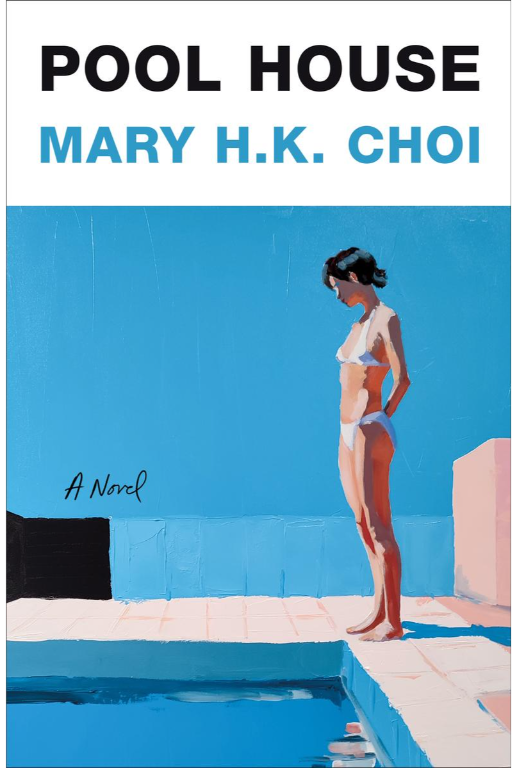
Stevie leaves her college plans behind for a dead-end job, eager to break free from the overwhelming orbit of her mother, Moon. But Moon, a C-list Hollywood actress, recovering addict, and grieving mistress of a recently deceased TV star, cannot handle being left behind. When economic reality forces them to rent out their main home and move into the backyard pool house, the only boundary between them is glass.
Then Adam, Moon’s former on-screen son and Stevie’s long-held crush, returns for the funeral, and the three of them move back into the Big House to play-act a picture-perfect family.
The novel is full of humor and wildness, yet tender at its core. Korean American writer Mary H.K. Choi captures the wilderness of motherhood and the mess of growing up, laying bare how grief, class, and fame distort intimacy until everyday life becomes a performance.
----Qing
Glenn Diaz|2026-08-04|Coffee House Press|Purchase
A criss-cross of past and present to tell the story of political and familial tragedy.
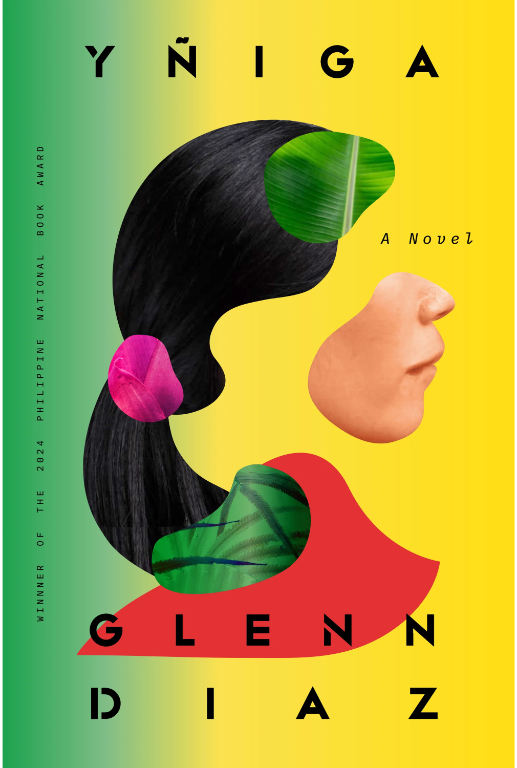
Glenn Diaz tells the tale of Yñiga, a former academic who ghostwrites for foreign students in English from the Philippines. The story begins with Yñiga watching the arrest of a former military general charged with murdering peasants. It is later revealed that Yñiga made the call for the arrest. Days later, Yñiga’s neighborhood is burned down as retaliation for the arrest call.
The story is inspired by the state-sponsored killings under Gloria Macapagal Arroyo. Names of places are redacted to mirror real-world state censorship and bureaucratic document redaction. For example, Manila’s district T— or the fishing village M— are redacted with initials and dashes.
Yñiga’s story comes together with memories of the past woven into the present timeline. Its prose and non-linear timeline build Yñiga’s character gradually, piecing her together by placing context around her. Diaz explores the theme of resilience in the face of a repressive regime.
----Fiona
季風書園 JF Books (Jifeng Book Inc)源自上海,成立于1997年,于2024年9月1日在華盛頓DC開店,是當地唯一一家中英文書店,也是美國註冊非營利機構 501(c)(3) Non-profit corporation.
季風秉持獨立立場,關注思想和未來,推崇自由與多元。書架上除了有中國大陸出版的社科人文書籍,還有台灣、香港出版的優質中文圖書。英文書則聚焦於研究中國和亞洲問題的經典及新著。
季風書園不僅是一家書店,更是一个公共文化空間,每月舉辦各種文化活動,包括季風人文講壇、季風影像記錄片放映、新書發佈、讀書會等。用知識、思想和夢想建立人與人之間的精神連接。
JF stands for Jifeng, “Monsoon” in Chinese. JF Books is an independent bilingual bookstore rooted in Shanghai since 1997 and newly opened in Washington, D.C. on September 1, 2024. As the only Chinese-English bookstore in the city and a registered 501(c)(3) nonprofit, we are committed to intellectual freedom, diversity, and critical thought. Our shelves feature a curated selection of Chinese-language books from mainland China, Taiwan, and Hong Kong, as well as English titles focused on China and Asia studies.
More than a bookstore, JF Books is a public cultural space. We host monthly events including JF SALON, JF FILMS, book launches, and reading groups—building a vibrant community through knowledge, ideas, and shared imagination.
No posts
Comments
Nothing yet. Say the first thing.
Sign in to join the conversation.