
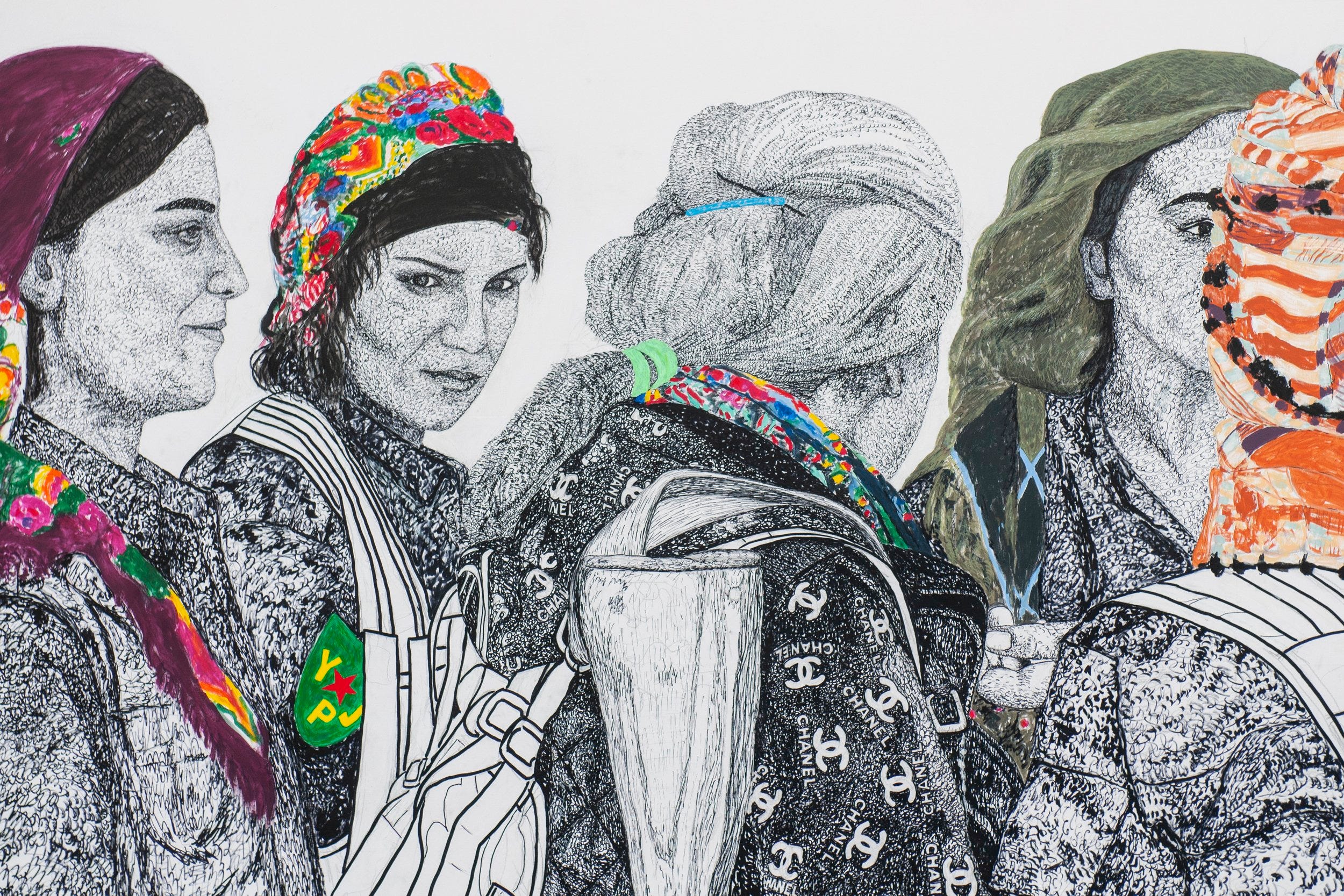
In the conflict-scarred landscape of northern Syria, a radical experiment in communal governance has emerged, challenging decades of authoritarian rule and offering a distinct alternative to state-based power. Known as Rojava, this predominantly Kurdish region is part of a broader transnational area that extends across Turkey, Iraq, and Iran.1 For centuries, Kurdish communities—diverse in tribal affiliations and linguistic traditions—have endured systemic marginalization, fueling long-standing aspirations for self-governance and political recognition.2 Against the backdrop of Syria’s civil war and the threat posed by extremist groups, local populations in Rojava have constructed a decentralized system of direct democracy and community-based decision-making that continues to evolve under immense pressure.
This political framework, democratic confederalism, is rooted in the writings of imprisoned Kurdish leader Abdullah Öcalan and emphasizes communal self-governance, ethnic pluralism, and gender equality.3 It took form in the early stages of the Syrian Civil War when the weakening of Bashar al-Assad’s regime created a power vacuum in northern Syria. The Democratic Union Party (PYD) and allied groups seized the opportunity to establish local administrative councils, expel regime forces, and declare de facto autonomy in 2012.4 For the first time, Kurdish communities—long denied basic political and cultural rights—could reclaim their language, identity, and autonomy. Over time, these councils expanded and consolidated into what is now known as Rojava, a decentralized, community-led political entity that continues to navigate both internal and external threats.
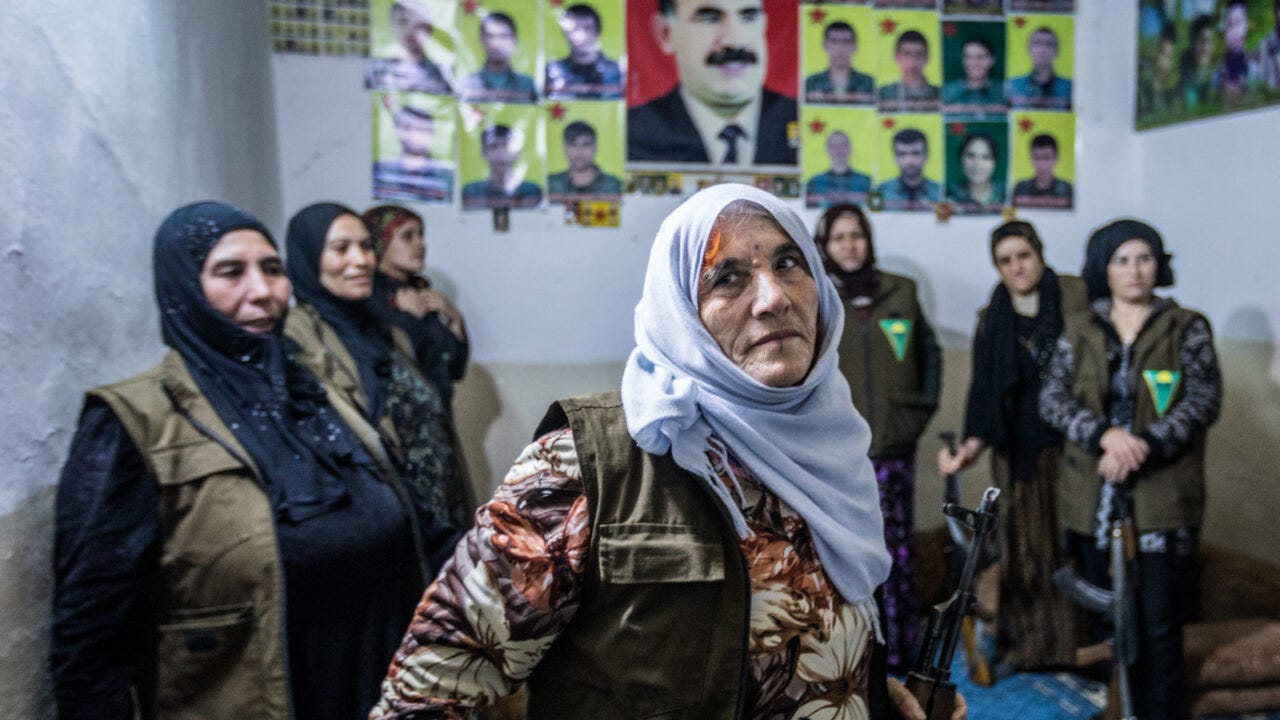
One of Rojava’s key organizational strengths lies in its network of communal programs addressing education, social welfare, and economic self-sufficiency. For instance, local academies provide citizens with leadership and vocational training, helping bridge social gaps and challenge traditional power hierarchies.5 Cooperative farms and collective distribution initiatives lessen reliance on external markets, while grassroots health clinics deliver basic care despite limited resources.6 These efforts not only bolster the community’s resilience but also reflect a broader commitment to shared responsibility and mutual aid in a historically marginalized region.7 Over time, such programs have contributed to tangible gains in literacy, food security, and local governance capacity. underscoring Rojava’s ability to adapt and endure in a volatile environment. By consolidating these efforts, Rojava has demonstrated how bottom-up governance can yield practical benefits even in hostile environments.
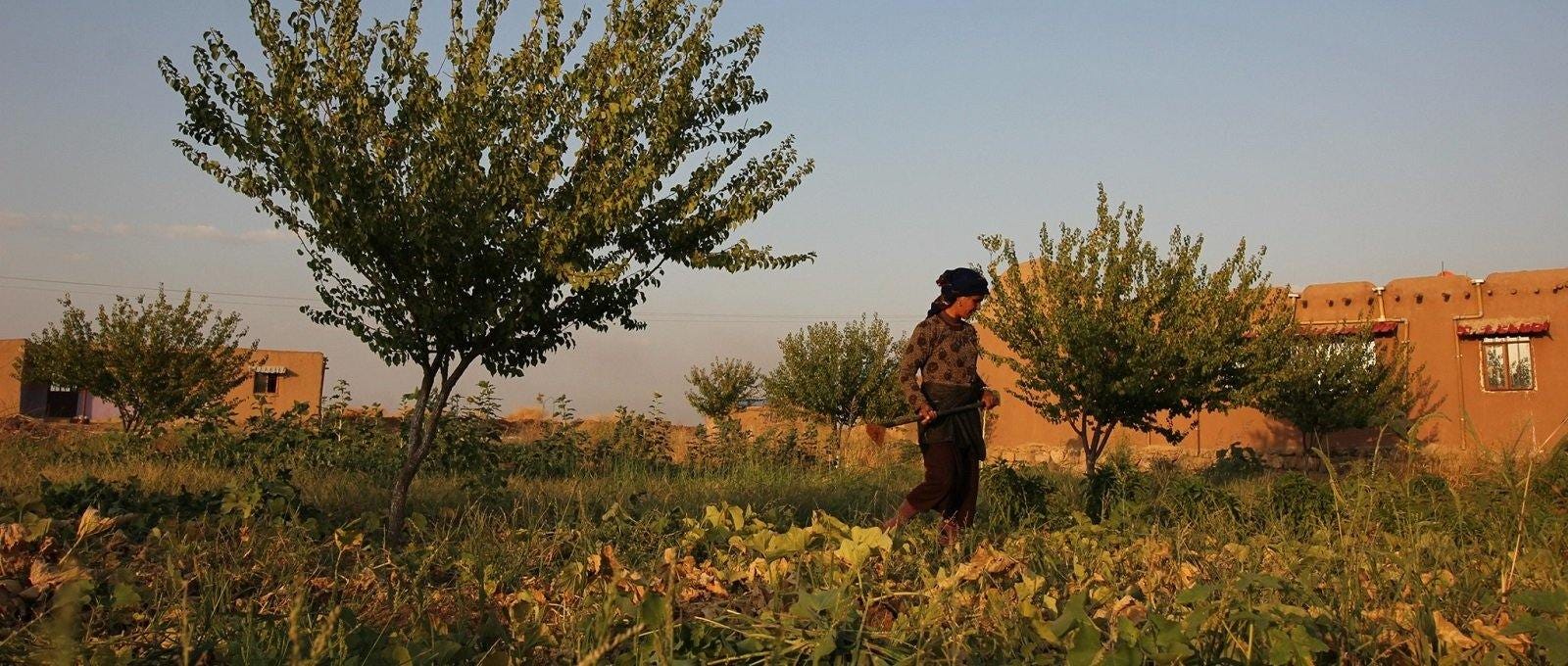
At the local level, authority is dispersed among neighborhood and village councils, ensuring that policymaking does not simply flow from the top down. This decentralized approach offers an alternative to hierarchical governance, empowering communities to directly participate in decision-making. Cooperative farms help secure food supplies and reduce dependence on external markets, while women-led councils offer avenues for challenging patriarchal norms and addressing domestic issues within the community.8 These local initiatives illustrate how grassroots organization in Rojava is not confined to theory but actively reshapes everyday life, even under the perpetual strain of conflict and geopolitical pressure.
Rojava’s broader significance lies in its capacity to demonstrate alternatives to authoritarian state power. While it faces considerable obstacles, it also highlights how cooperative, community-driven structures can flourish—at least temporarily—even amid intense conflict.
Yet Rojava does not exist in a vacuum, and the realities of the region are increasingly complex. Following the weakening of the Assad regime’s centralized control, Rojava found itself navigating a landscape marked by both opportunity and heightened vulnerability. While early efforts focused on repelling the Islamic State (ISIS), the Kurdish autonomous region now faces renewed threats from Turkish forces and allied Islamist groups.9 These incursions jeopardize Rojava’s territorial integrity and undermine what many observers consider a rare, if imperfect, democratic endeavor in a setting long shaped by violence and contested sovereignty.
Compounding these threats is the role of the United States, whose shifting foreign policy has directly impacted Rojava’s survival. Initially, the U.S. provided military support to Rojava’s defense forces, primarily the Syrian Democratic Forces (SDF), in their fight against ISIS. However, after ISIS was largely defeated, the U.S. scaled back its commitment, leaving Rojava vulnerable to Turkish aggression.10 As analysts from Foreign Policy in Focus note, the U.S. used Rojava as a tactical ally rather than a long-term partner, prioritizing its relationships with NATO member Turkey over Kurdish self-governance. This shift in policy weakened Rojava’s position and enabled further incursions from external forces.
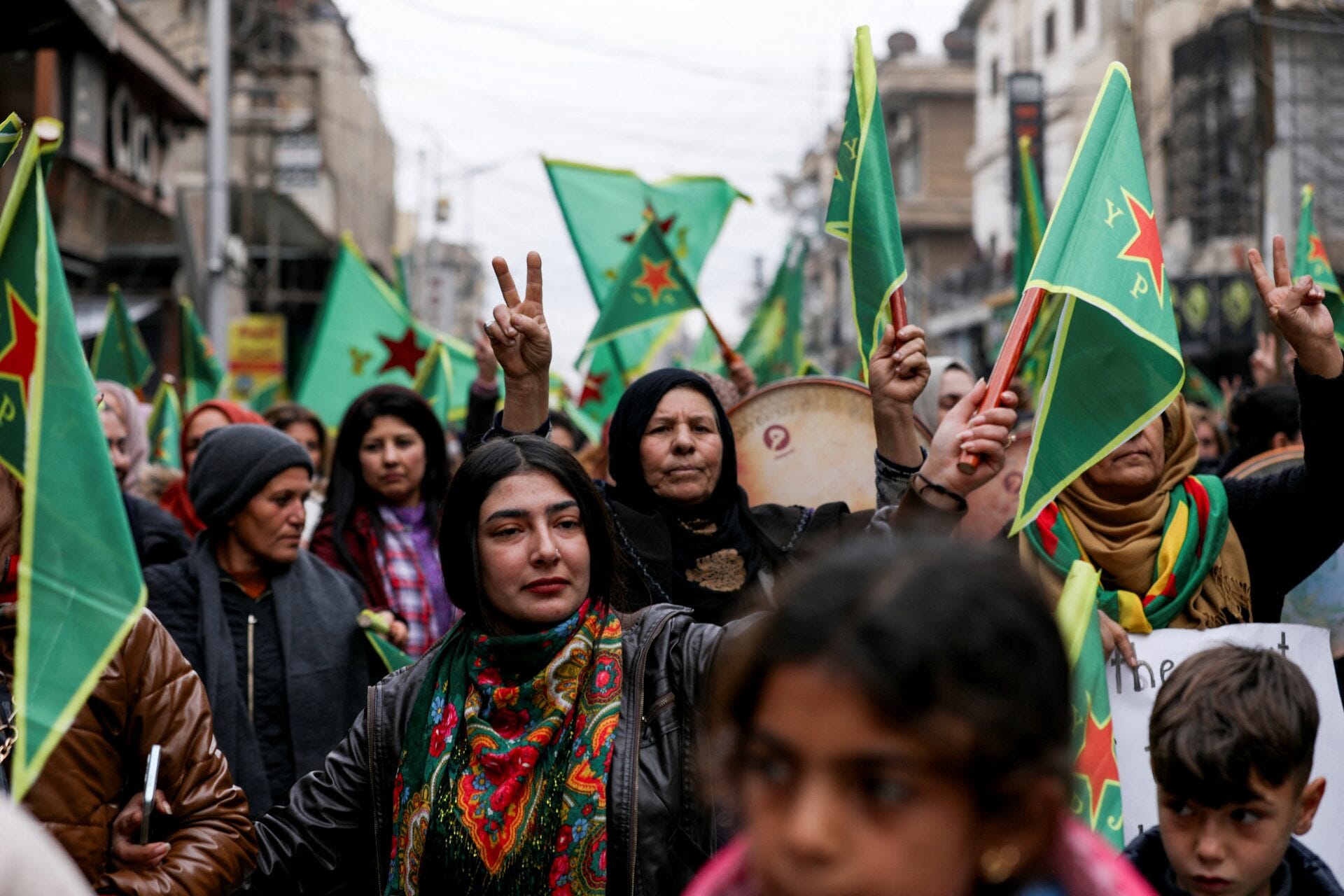
Turkey, in particular, has aggressively pursued military action against Rojava, viewing it as an extension of the Kurdistan Workers’ Party (PKK), which it considers a terrorist organization. Turkish President Recep Tayyip Erdoğan has launched repeated incursions into Rojava, citing security concerns while simultaneously working to dismantle Kurdish autonomy. Jacobin highlights how the U.S. withdrawal in 2019 facilitated Turkey’s attacks, leading to displacement, civilian casualties, and the weakening of Rojava’s governance structures.11
For observers attuned to the global power dynamic, Rojava’s vulnerability highlights a central tension: local communities seeking self-determination often struggle to maintain sovereignty when confronted by nation-states with stronger militaries and deeper alliances. Here, we see a microcosm of a much broader phenomenon—the conflict between grassroots movements and entrenched centers of power. In many respects, this mirrors historical patterns in which autonomous efforts—no matter how democratic—face external pressures that prioritize geopolitical considerations over local governance models.
Although Rojava’s forces succeeded in pushing back ISIS, the region’s vulnerability remains pronounced due to the shifting alliances and strategic interests of multiple actors, including Turkey, various rebel factions, and remnants of the Syrian state. Critics note that the region’s unusual circumstances—born of war and geopolitical upheaval—may limit the replicability of its model elsewhere. Yet for those who look to Rojava for inspiration, its very existence is proof that, however imperfect, collective determination and local autonomy can carve out spaces of political possibility, even in the most adverse conditions.
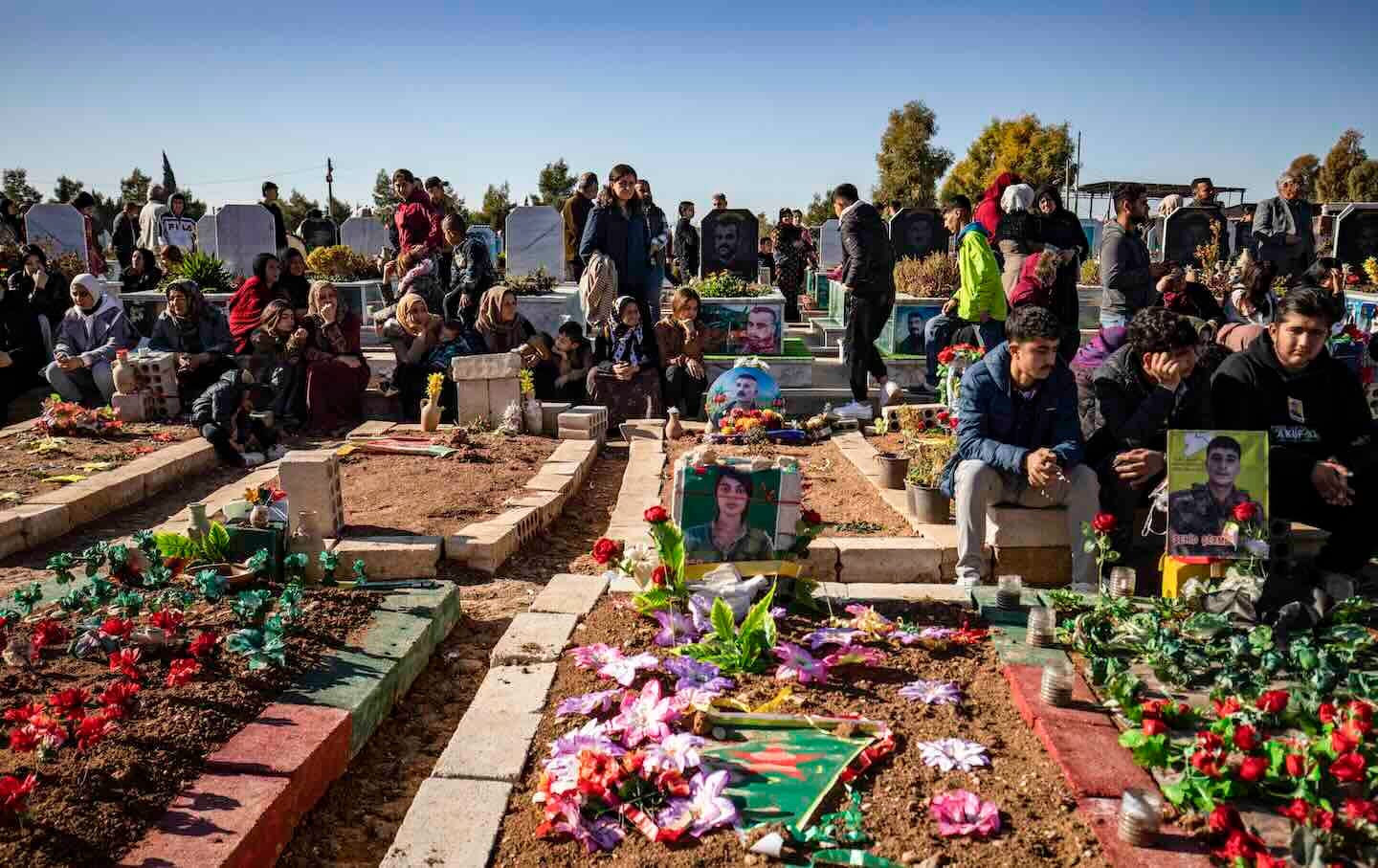
As of early 2025, Rojava faces ongoing military aggression, particularly from Turkish forces and the Turkish-backed Syrian National Army (SNA). Since December 1, 2024, these attacks have resulted in the deaths of at least 103 civilians. Notably, a Turkish airstrike on the Sarrin market killed multiple civilians, including children. Additionally, Turkish drone strikes have targeted areas such as Kobane, leading to further civilian casualties. These continuous assaults threaten Rojava’s territorial integrity and challenge its autonomous governance.12
Despite these adversities, Rojava’s commitment to decentralized, community-driven governance remains steadfast. The resilience of its people underscores the potential for alternative political structures, even under persistent external threats. The situation in Rojava exemplifies the broader struggle between grassroots movements and dominant state powers, highlighting the challenges local communities face in achieving self-determination amid geopolitical conflicts.
As the region continues to navigate these external threats and internal challenges, Rojava has broadened our understanding of how deeply ingrained hierarchies might be reimagined. Its significance extends beyond its immediate survival, offering a lasting testament to the potential for alternative governance.
Dissent Index is a curated series on HELLRAISERS that examines pivotal movements, activists, and events in the history of resistance. Each installment profiles a different form of dissent, revealing how organized challenges to power have shaped societal change and continue to inspire contemporary struggles.
Wartmann, J. “Negotiating What It Means to Be ‘Free’: Gender Equality and Governance in North and East Syria.” International Feminist Journal of Politics 26, no. 4 (2023): 903–924. Wartmann examines how media representations influence global perceptions of Rojava, often romanticizing its feminist and democratic framework while neglecting the complexities of its political struggles. They argue that these portrayals shape Western support and policy decisions, underscoring the tensions between media narratives, geopolitical interests, and the realities on the ground.
No posts
Comments
Nothing yet. Say the first thing.
Sign in to join the conversation.