
If you’ve been paying attention, the word “collapse” must have crossed your news feed a lot, maybe for years. Ecosystem collapse in connection with climate change, economic and societal collapse, collapse of civilization: some people claim it’s unavoidable, others feel there’s still hope.
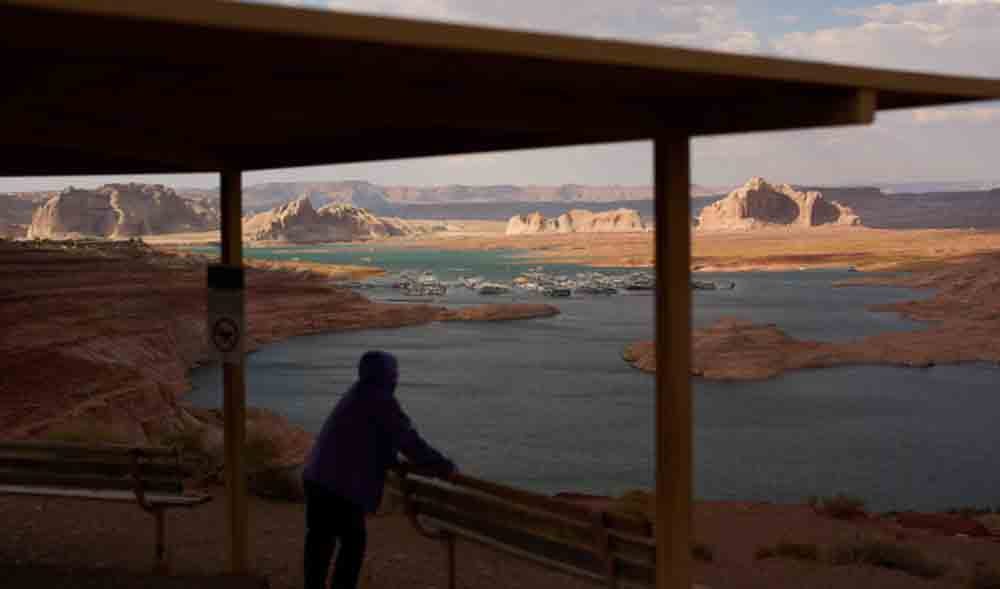
We’re already experiencing extreme, ever larger, mega-wildfires – “Europe is burning…” reads an opinion piece in The Guardian. Heatwaves become more severe every year all over the globe, and are killing a record number of people. A part of the U.S. Southwest goes through extreme, even exceptional drought, while heavy rainfalls in the Northeast cause flash flood emergencies and overflowing rivers. Even mainstream media are pointing to the burning of oil, gas, and coal as the human-related reason for climate change.
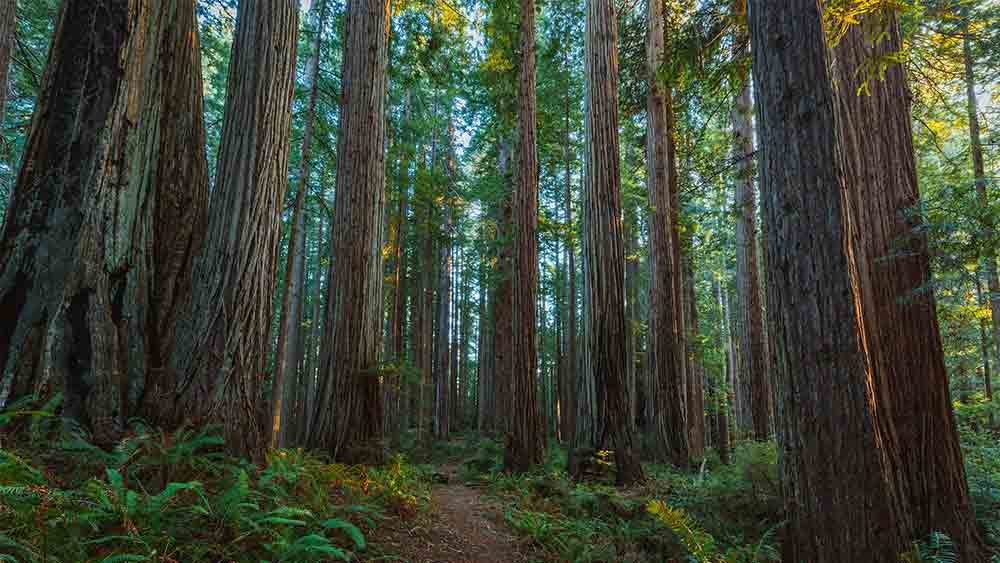
It’s unfortunate (to put it mildly) that the United States is currently stuck with a science-denying, ignorant regime whose members claim that the extreme weather we experience has nothing to do with human activities, that the warnings put forth by climate professionals are nothing but a hoax. However, as I wrote before, these self-centered, clueless schmucks are only the symptom for something deeper. Even if everybody had solar panels on their rooftops and drove electric vehicles, even if we didn’t have a president who claims that “windmills” cause cancer and who tries to unleash “beautiful, clean coal” (no kidding! Follow the link), it wouldn’t be enough. The deeper problem is a dominant worldview which puts human beings at the top and draws a line between “nature” and “humanity”. When, in fact, we humans are PART of nature, one of many parts which all interact and relate to each other. Maybe that sounds obvious in the abstract, “duh – of COURSE we’re part of nature”. But think about it: your finger is a part of your body, as is your stomach, or your foot. You treat these parts relatively well because it hurts if you don’t. The endangered status of California redwood trees, some of them over 2,000 years old and among the tallest living trees on Earth – well, that doesn’t hurt. Some people see only lumber.
Members of human families usually form strong bonds, with relationships lasting across several generations. Humans also develop friendships, not only between members of the same sex, to chat and enjoy each others’ company. And humans form close social relationships with other species, they have pets, for example. Scientists considered all of this to be exclusively human traits, until quite recently, and even today some insist that to attribute feelings such as love and affection to animals means to anthropomorphize them. When they care for their offspring they’re simply following instincts.
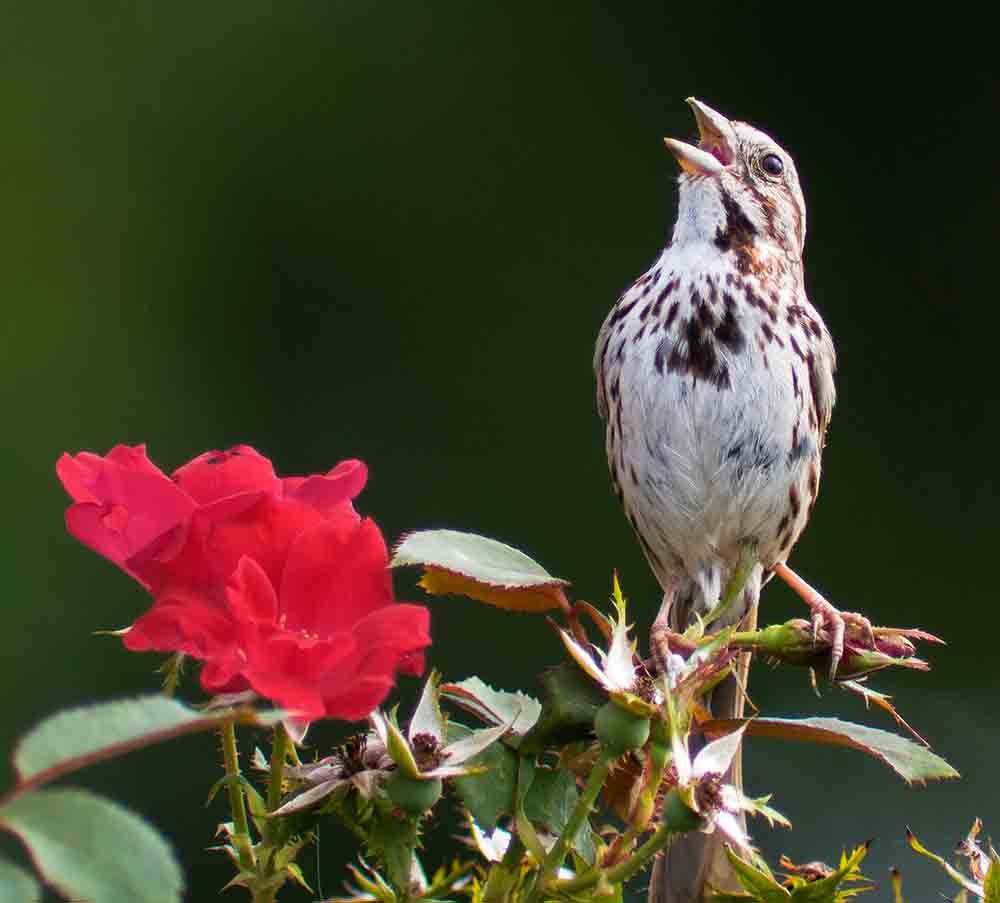
Luckily this is rapidly changing. I’m reading a lovely book, Meet the Neighbors by Brandon Keim (its subtitle: Animal Life and Minds in a More-Than-Human World. How cool is that!). The author mentions researchers from the University of Washington who put colored bands on the legs of some 80 juvenile song sparrows, and then followed their movements for one year. They discovered that many sparrows formed long-lasting associations not related to mating, habitat, or food, but had to do with learning new songs and defending their homes. Things you do with your buddies. And yet, the scientists doing the study were reluctant to use the word “friendship”, not so much because they were convinced that non-human animals were incapable of establishing such relationships. After all, they had witnessed for a year how the sparrows had done exactly that. No, they were afraid of some of their more dogmatic peers who would strongly criticize such unscientific notions.
However, there are indications that the top-down worldview is changing, that “Man” is not the “Crown of Creation” but one part, if a very capable one, of the more-than-human world. Adults don’t mistreat their young offspring just because they can’t walk or talk yet. Male baby chicks, on the other hand, end up in a meat grinder, because according to human law they’re “things”.
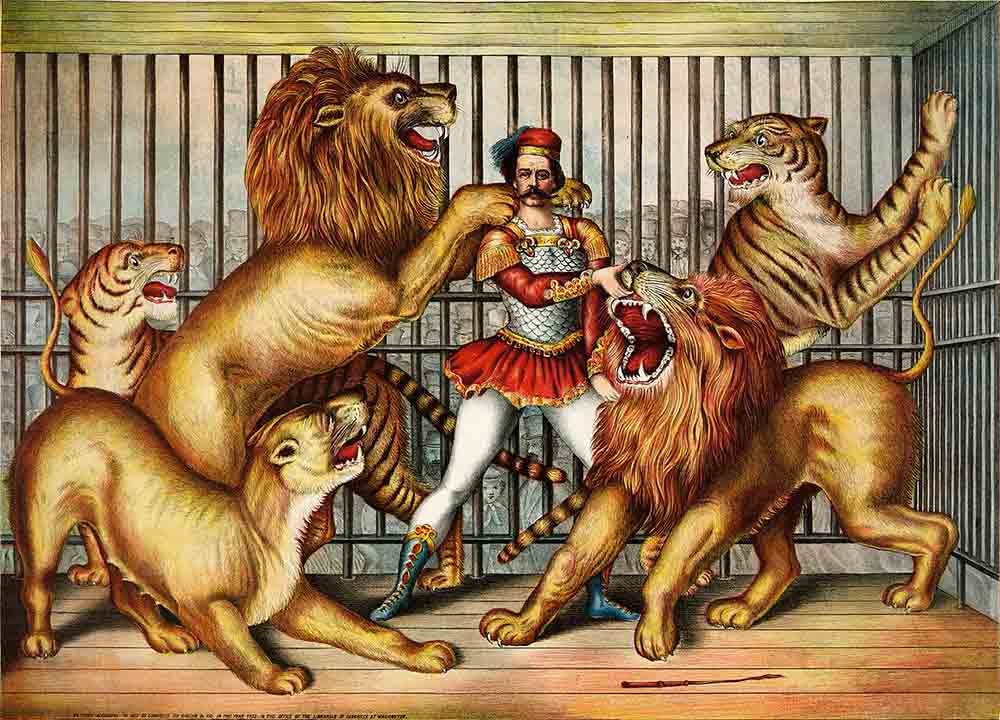
Over the last thirty or so years non-human animals and other living entities have gradually received more protection because some people have realized that the separation of humans and nature is a severe fallacy. When I was a kid and the circus came to town, nobody thought it was odd or inappropriate that tigers jumped through a ring of fire or that elephants did tricks standing on their hind legs. As of 2026, many countries have banned the use of some if not all animals in circuses. Similarly, the British non-profit Born Free is but one organization demanding the phase-out of zoos, and the end of wild-life trade and trophy hunting. The most significant development, in my eyes, concerns the legal profession: there are many prestigious law schools that offer degrees in animal law, something that just didn’t exist fifty years ago. “We’ve seen time and again that law follows a change in societal thinking,” said Harward Law Professor Kristen Stilt, Faculty Director of the Animal Law and Policy Program. And THAT’S what gives me hope: societal thinking is changing. It may lead to what Thomas Kuhn called a Paradigm Shift, a concept that maintains that a radically different, and better, worldview can replace an older, outdated one through something like a domino effect: once it gains enough momentum, it’s unstoppable.
One such little domino piece just showed up in my email feed. An old friend from Berkeley who is also a paying subscriber of my Substack (thank you, David!) sent me the link to another Substack he subscribes to, a day or so after I wrote about rivers and legal personhood. Jim Hightower had just published Shouldn’t Nature Have A Legal Right To Exist?, and he argues that, unlike corporations, “all complex, living, breathing, sentient, cooperative, reproductive beings” such as trees and rivers and marshes (and animals, of course) should have the right to live their lives without being exploited by humans. He counters the possible argument that a tree can’t speak with the obvious fact that corporations can’t speak either, that they’re paper entities who use lawyers to represent and speak for them. I would add that just because trees don’t speak “human” doesn’t mean they don’t communicate.
This coincidence reminded me of synchronicity, a concept that Carl Gustav Jung used to describe meaningfully related events that don’t have any causal connection. It’s like something that’s “in the air” and can be felt or picked up by individuals who have no connection with each other whatsoever. The concepts of the More-Than Human World, or the More-Than Human Life, have become a metaphor for me, synchronistically (yes, that’s a word, I looked it up) popping up at universities, in books and essays, even at law schools! This confirms my belief that there are many more connections and relationships on Earth and in the Universe than we humans are aware of. Maybe there are connections more powerful than human stupidity.
Of course, there is a HUGE elephant in the room that the proponents of legal personhood for rivers and chimpanzees, and the many other proponents of the More-Than Human concept, don’t address while it is absolutely crucial. More about this next week.
Comments
Nothing yet. Say the first thing.
Sign in to join the conversation.