
I always knew that it would be the conversations I had along my route that would make this trip special. Here I was, planning a bike trip through 11 states, trekking through some of the smallest towns and historic cities on the 250th anniversary of the country. It felt like an opportunity to learn, and get a pulse check on how people are thinking about this place I call home.
There are questions I knew I wanted to ask—What does it mean to be American in 2026? Where do you feel the country is headed? But naturally, my conversations and interviews always tend to evolve into something more personal. As I’ve been sitting down with people, I’ve been learning not just what people believe about America, but about the people who live here themselves—their own stories and passions, how they fell in love or got their dream jobs, how they’ve coped with tragedy and loss, the best advice they’ve ever received.
I’ve been slowly adding excerpts from my interviews into the notes section of this blog. But I want to make sure that people who don’t go to my webpage and don’t use the Substack app haven’t missed them, as they’ve been a core piece of my trip. For that reason, I’ve decided to start compiling the interviews in batches, based on the order I conducted them, and send them out as blog posts so they don’t get lost in the mix.
A note to my readers: These interviews weren’t curated or planned. I didn’t schedule any of them in advance. These are people I’ve organically crossed paths with along the trip, who generously gave me some of their time to answer my nosey questions about them and what they think. I don’t interview everyone I meet—sometimes I don’t have the energy after a long day on a bike or decide I’d rather keep some conversations and interactions I’m having more casual and private.
I have excerpted only small portions from each interview for the sake of brevity, though I may decide to incorporate the rest of them into other things I write later.
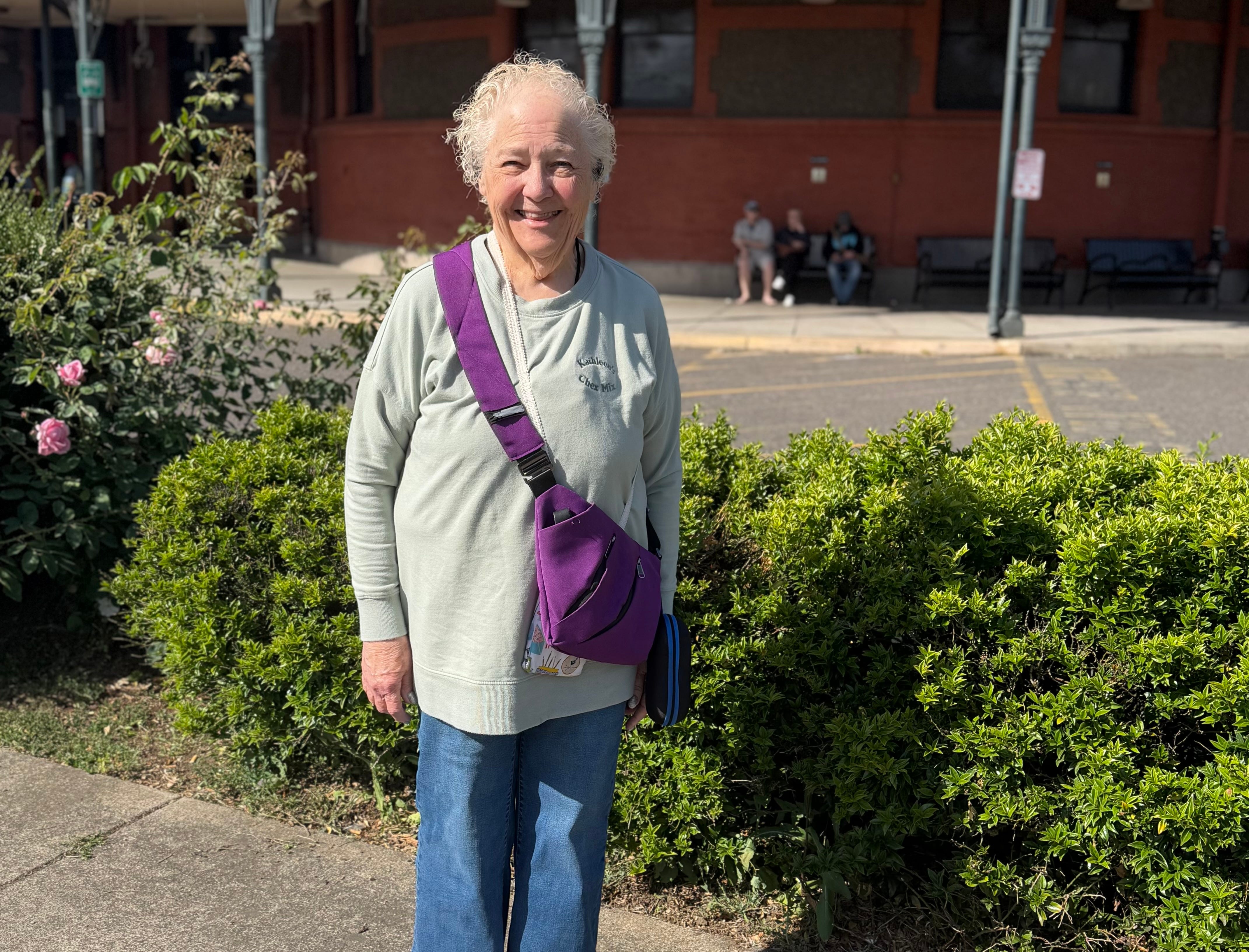
Kathleen Ruhl, owner of Kathleen’s Chex Mix
Portland, Oregon
“When the war started, when the gas prices went up, everything else went up…
I have to raise my prices, actually. Starting July 1, all of my chex mix is going up. I have to, because everything costs me, and I have to purchase things ahead of time. It’s not like I get it on credit.
Anything that was $15 is going to $20. Anything that was $12 is going to $15. Anything that is $20 is going to $25.”
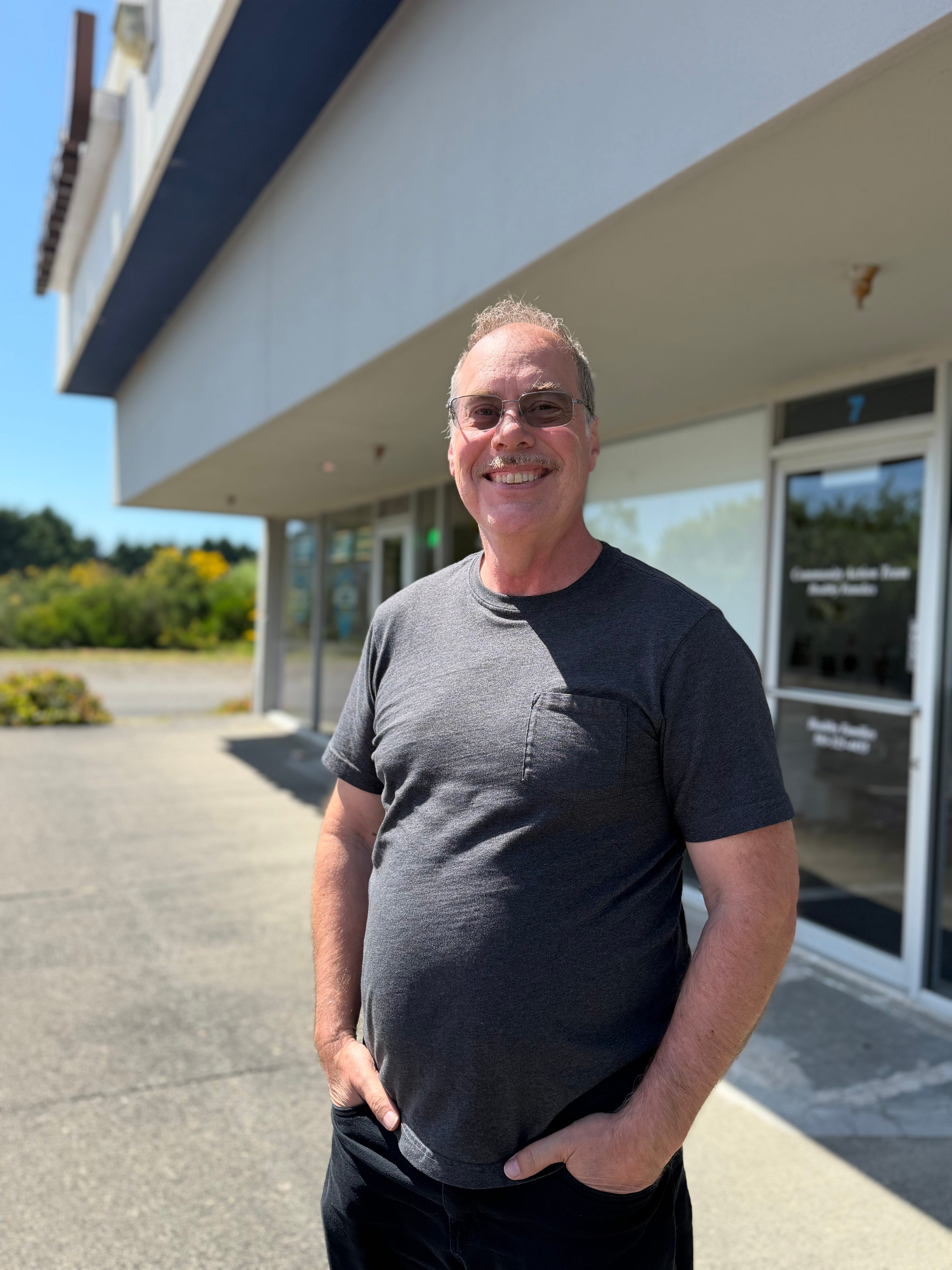
Michael Johnson, Costco employee and Uber driver
Warrenton, Oregon
“During that COVID time, what happened was the cost of everything went up. The low-end cost of wages went up, but the middle didn’t go up.
So, at the time, my wife and I were both making like $25 an hour. The low end of wages was like $10 or $12, and it came up to $17, $18, $19, $20. But the people in the middle—their wages didn’t go up.
So what happens, we all just got compressed down to become more poor, basically.”
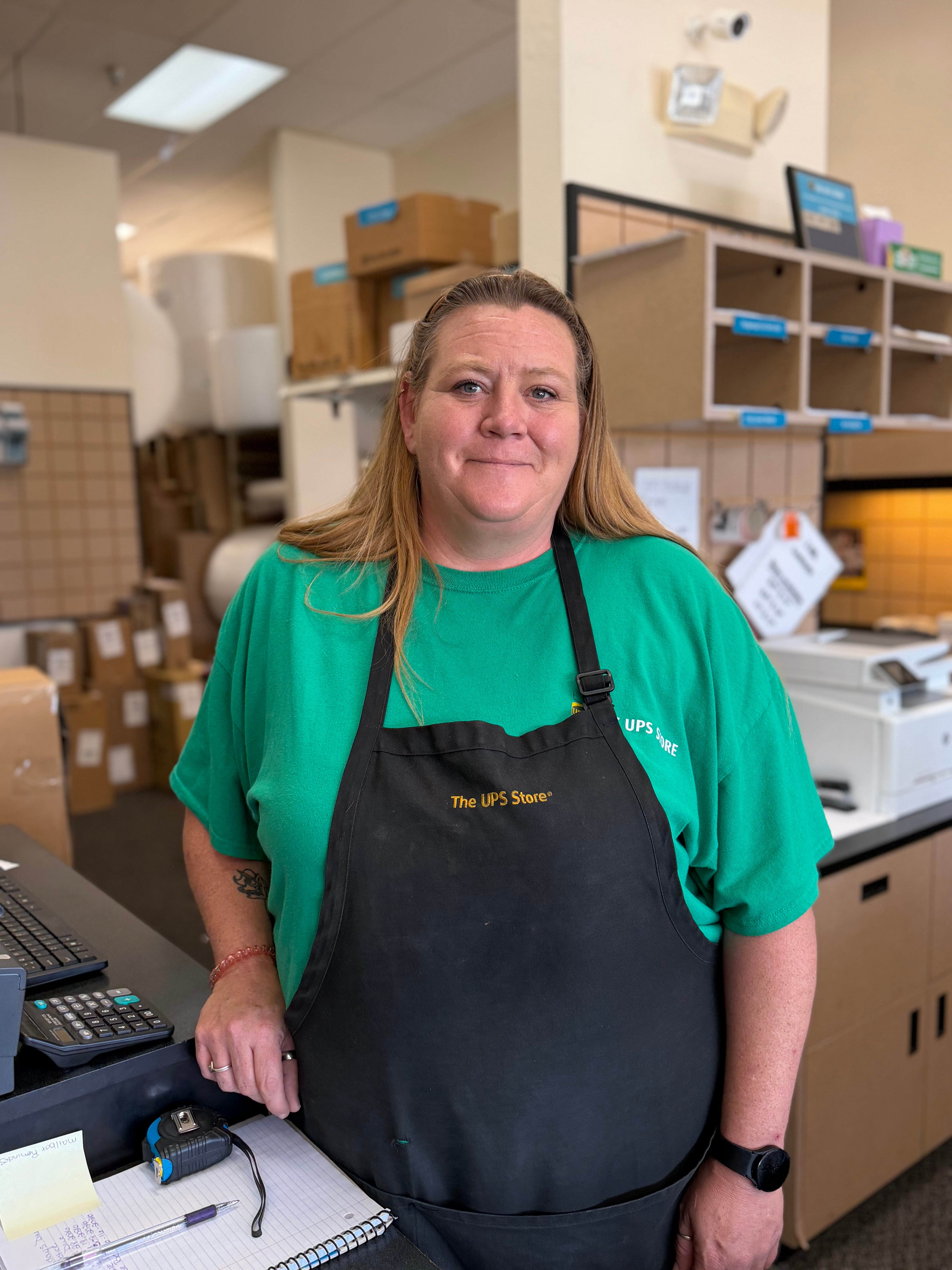
Janelle Seekins, UPS employee
Astoria, Oregon
Janelle left the rural town in Colorado where she grew up after her ex-boyfriend threw her out of his car on the middle of the highway. Once coming to Astoria, she realized her parents weren’t as healthy as they had let on, and needed her help taking care of them.
“I turned up where I needed to be,” she said. “I always think everything happens for a reason—good or bad. Ar the end of the day, there’s a reason I was here, and I can thank that person very much that I got here, and karma will take care of the rest.”
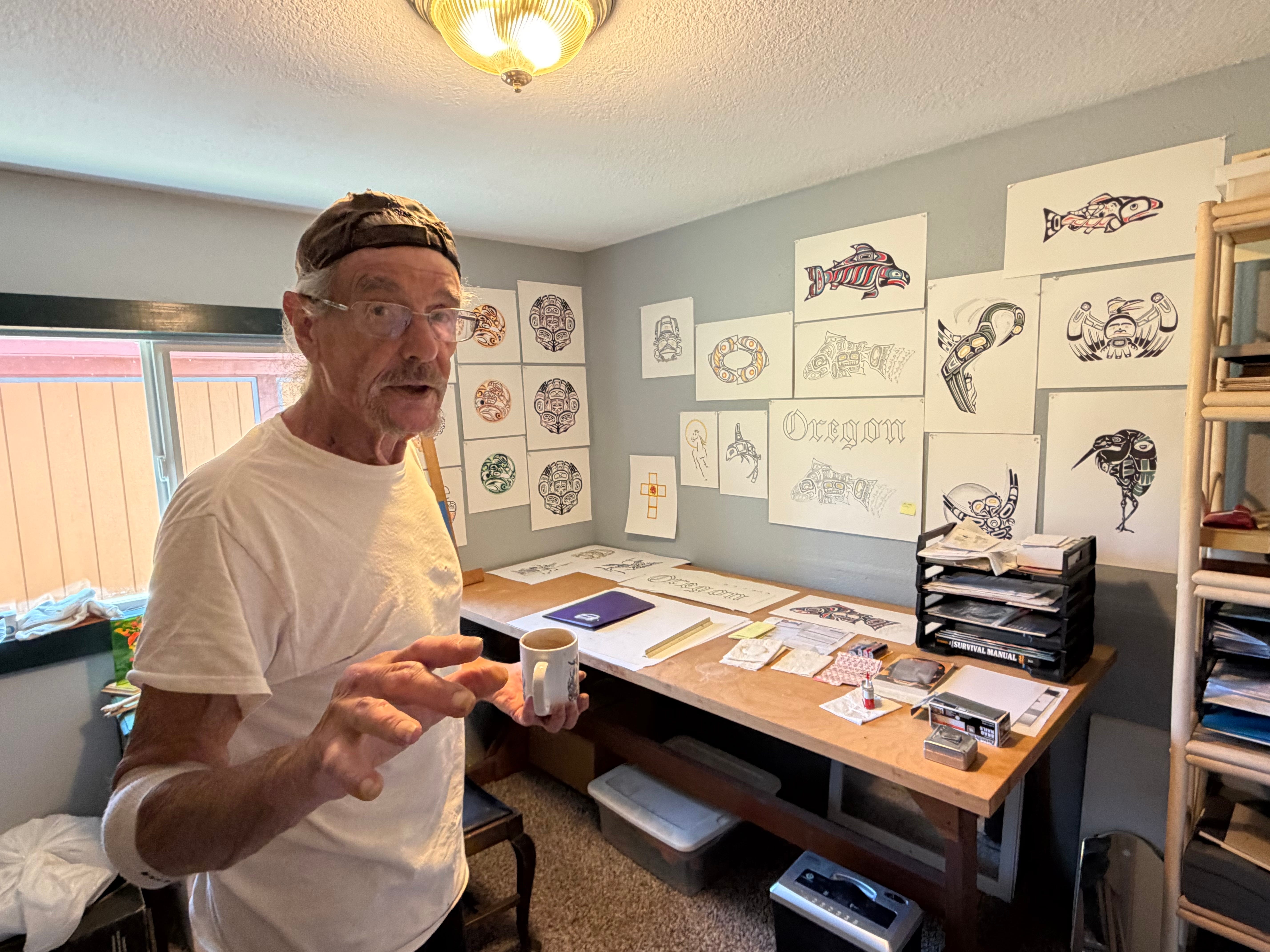
Norm Berberick, retired
Grand Ronde, Oregon
“We have two things going for us, if people would stop and think about it: Mother Earth, Father Sky. If you screw those up, it’s over with.”
No posts
Comments
Nothing yet. Say the first thing.
Sign in to join the conversation.