
There are some performances that feel another gig.
And then there are some that feel like a return.
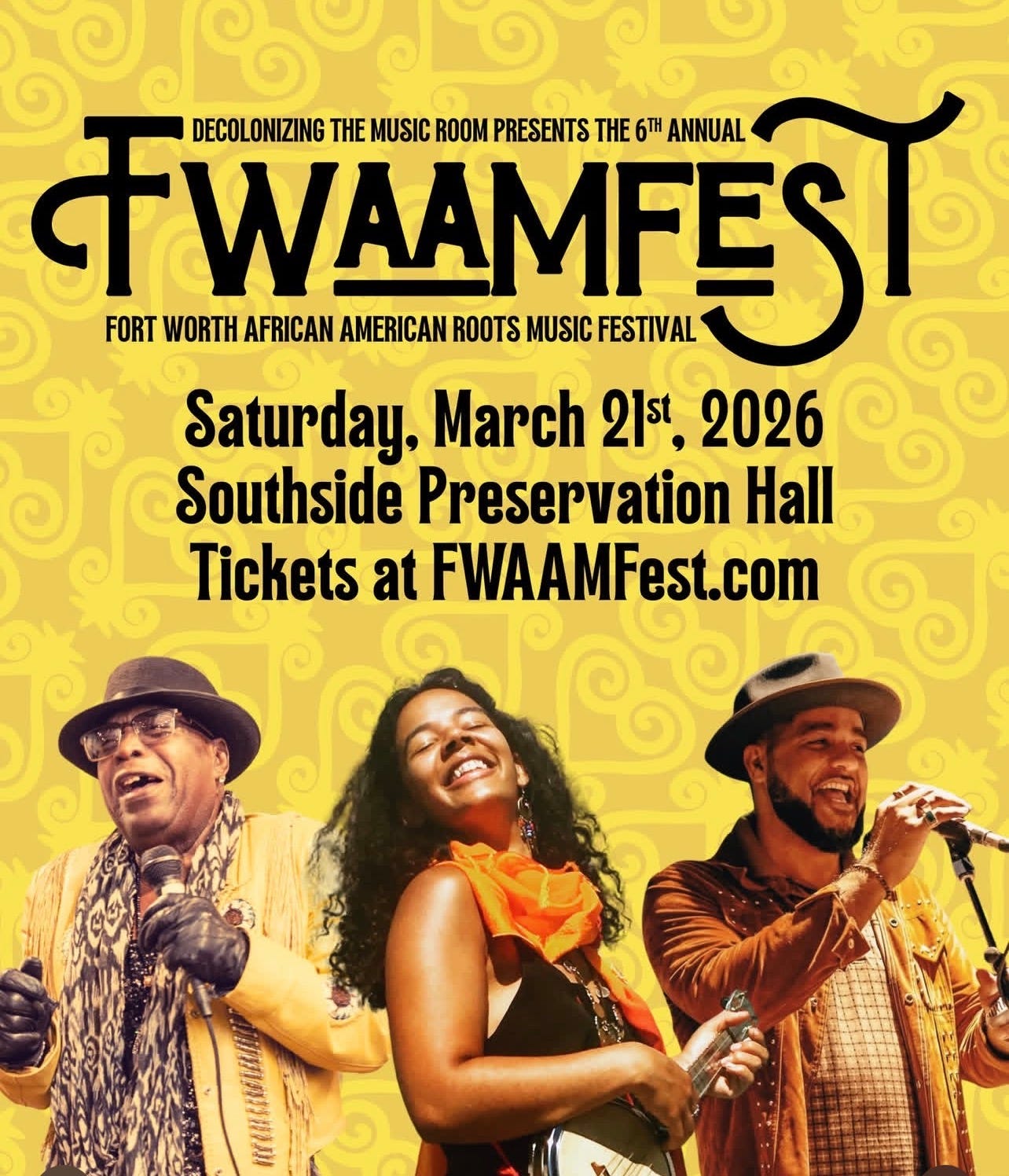
The recent Fort Worth African American Music Festival (FWAAMFest) was the latter. It’s independent, Black-run, and deeply rooted in both the history and future of Black music. Artists weren’t only there to play; we were there to connect, to reflect, and to carry forward traditions that are too often overlooked or misunderstood.
I came to Texas with my band, The Blue Tide, ready to play the blues. But what unfolded over those days was something deeper—a reckoning with history, a conversation with ancestors, and a reminder that the blues is not just a genre of music, but a method of remembering.
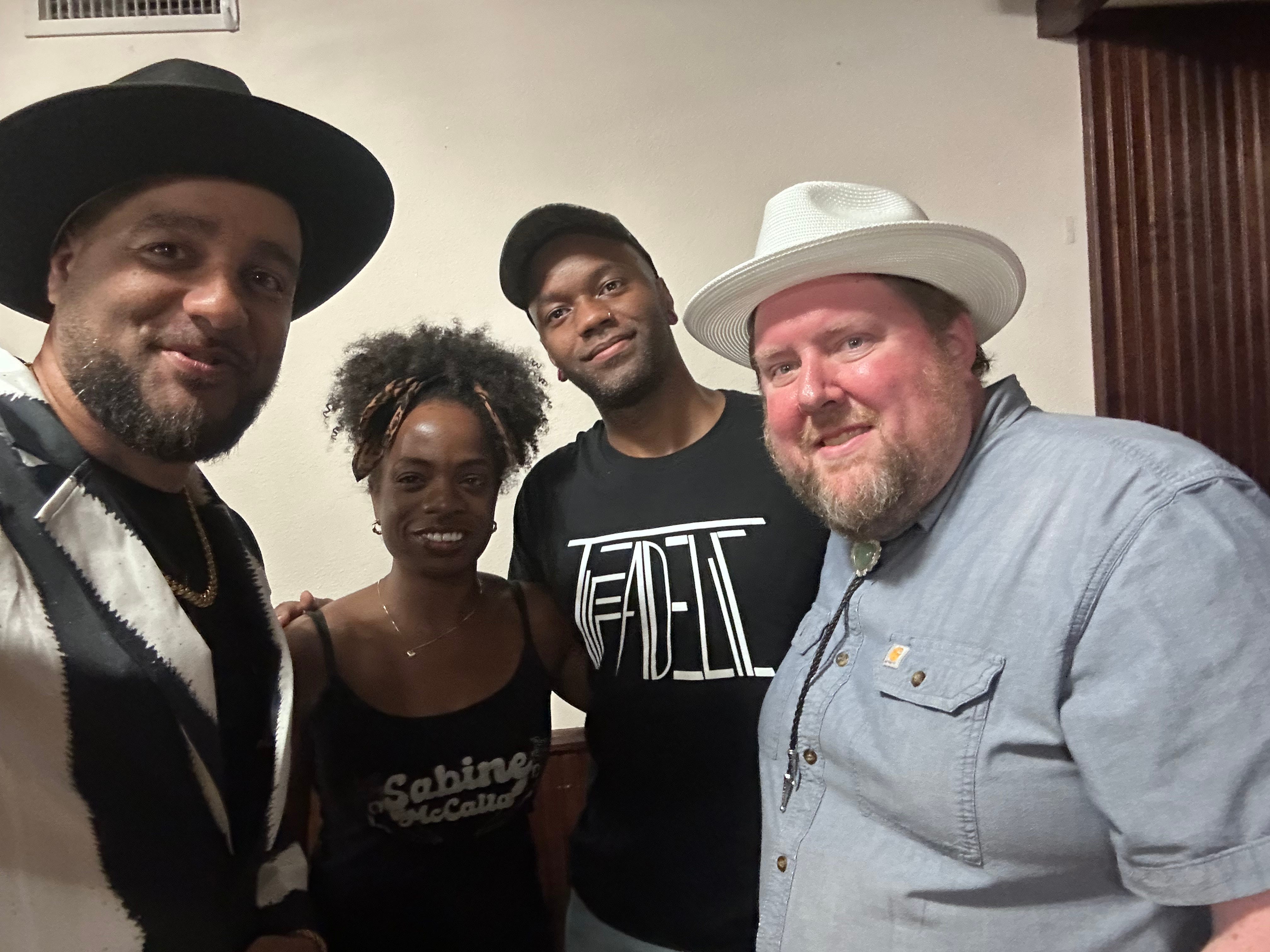
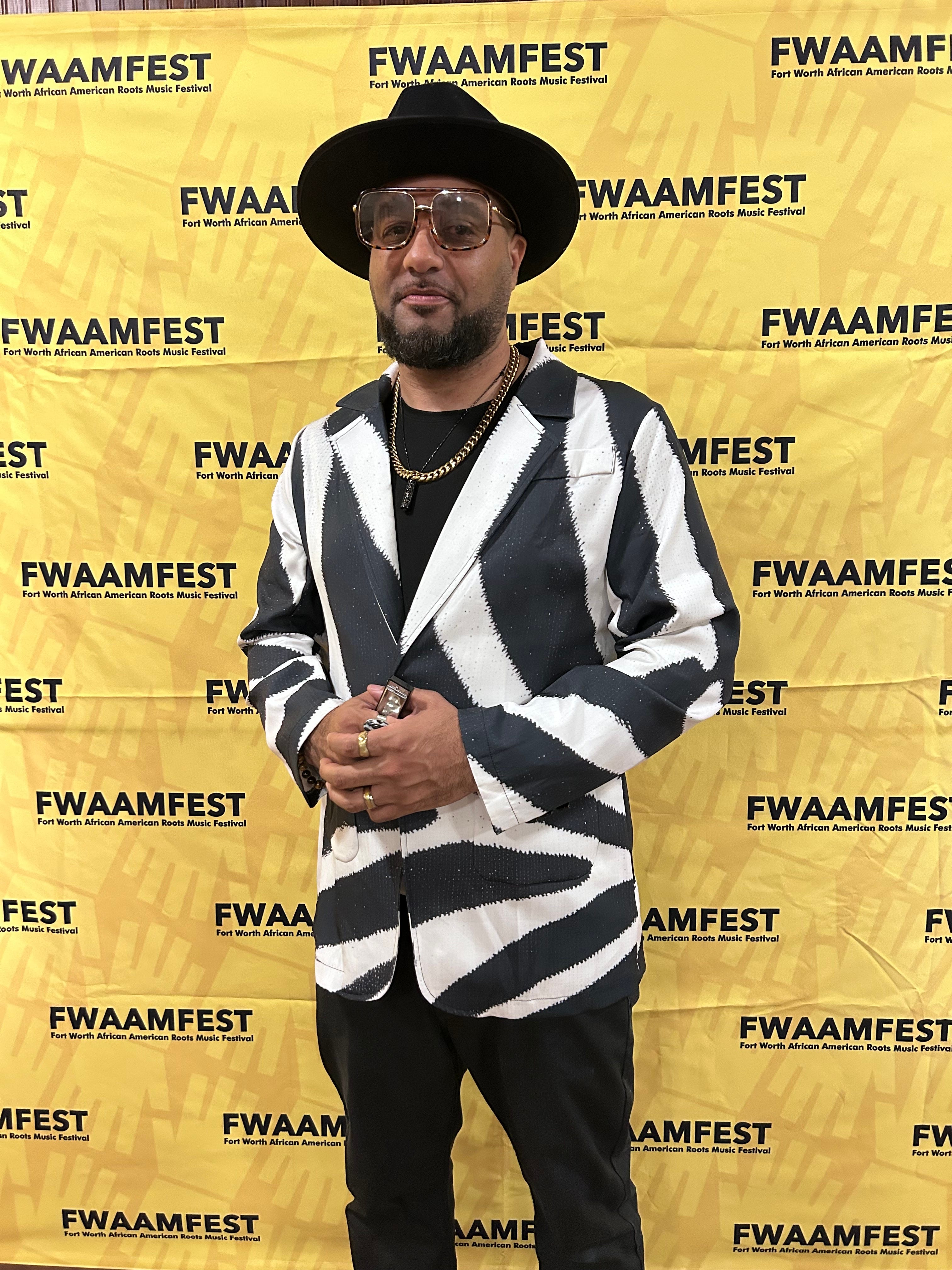
J.D. Lenoir (AKA Jesse Hagopian), Sunny War, Buffalo Nicholas, Daniel Rapport
The lineup of the festival was amazing; artists like Buffalo Nichols, Sunny War, and Jake Blount, brought deeply personal, boundary-pushing approaches to roots music. Alongside them I got to see incredible performers like Justin Robinson, Kelvin Thomas—whose blend of soul, rock, and blues was deeply moving—Tufara Waller Muhammad, Grace Givertz, Cactus Rose NYC, Sable Sisters, and bluesman James “Killer Bug” Morris, whose presence carried the raw, unfiltered spirit of the tradition.
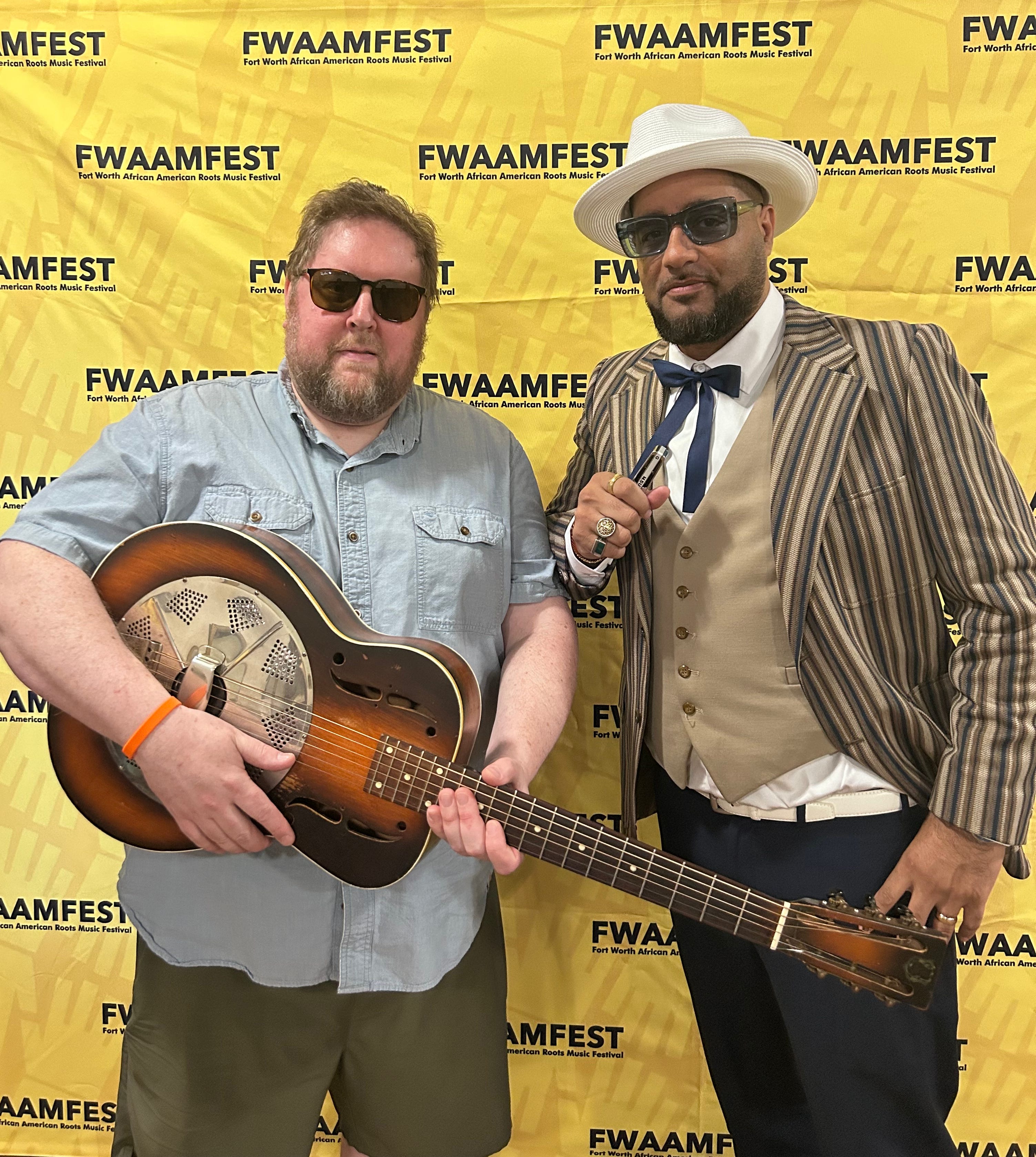
The Blue Tide
I got to perform at two sessions. One was titled, “Making Music from the Land of Our Ancestors,” where I was joined by the great Jake Blount—an Afrofuturist folklorist and musician who was a consultant for the film Sinners. Together, we swapped songs and explored how researching our family histories—and, in my case, discovering the plantation where my ancestors were enslaved—has shaped not just what we play, but how we understand music itself. I also talked about the documentary film my family is making, Where I Got My Name: Down In Mississippi, about discovering the plantation our family was enslaved on and the history of slavery and emancipation it has revealed to us.
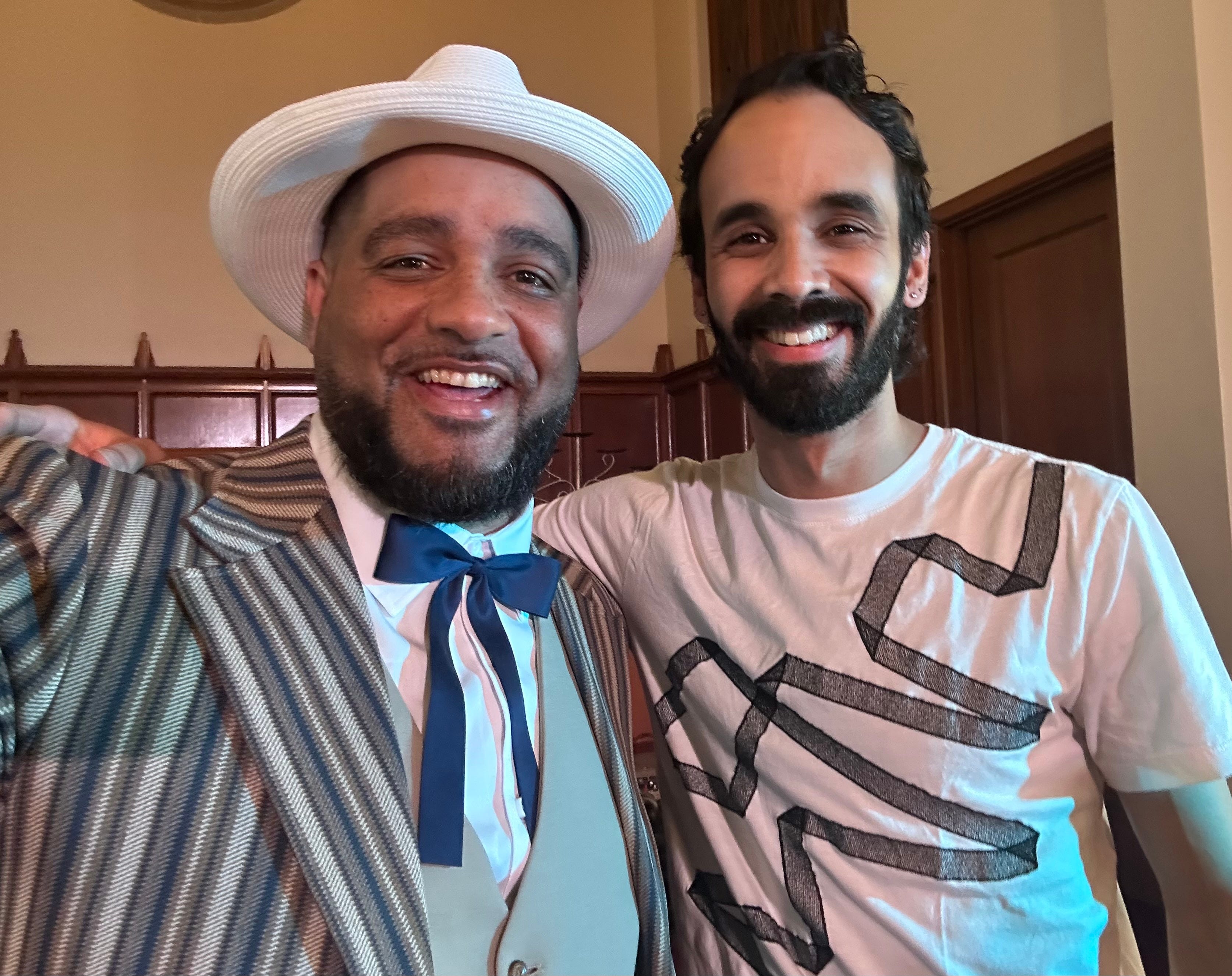
J.D. Lenoir (Jesse Hagopian), and Jake Blount
When you know where your people were forced to labor, where they loved, resisted, survived, music becomes grounded. It becomes geographic. It becomes embodied. The rhythms shift, the phrasing changes, the silences carry more weight. There are times I don’t want to stop holding a note to make the music they created be heard.
For me, tracing my family history back to Mississippi—and standing on that land—has reshaped how I play the blues. To drive this point home we played our song, “Where I got My Name (Down In Mississippi)” (featured in the video above), which tells the story of discovering where my family had been enslaved, likely the same plantation of ancestors of the legendary bluesman J.B. Lenoir. Jake spoke about similar transformations in his work—how archival research, ancestral memory, and folk traditions are not separate from the music, but are the music.
Later, I had the chance to lead a session titled “The Protest Songs of J.B. Lenoir.”
If you don’t know J.B. Lenoir, you gotta check him out.
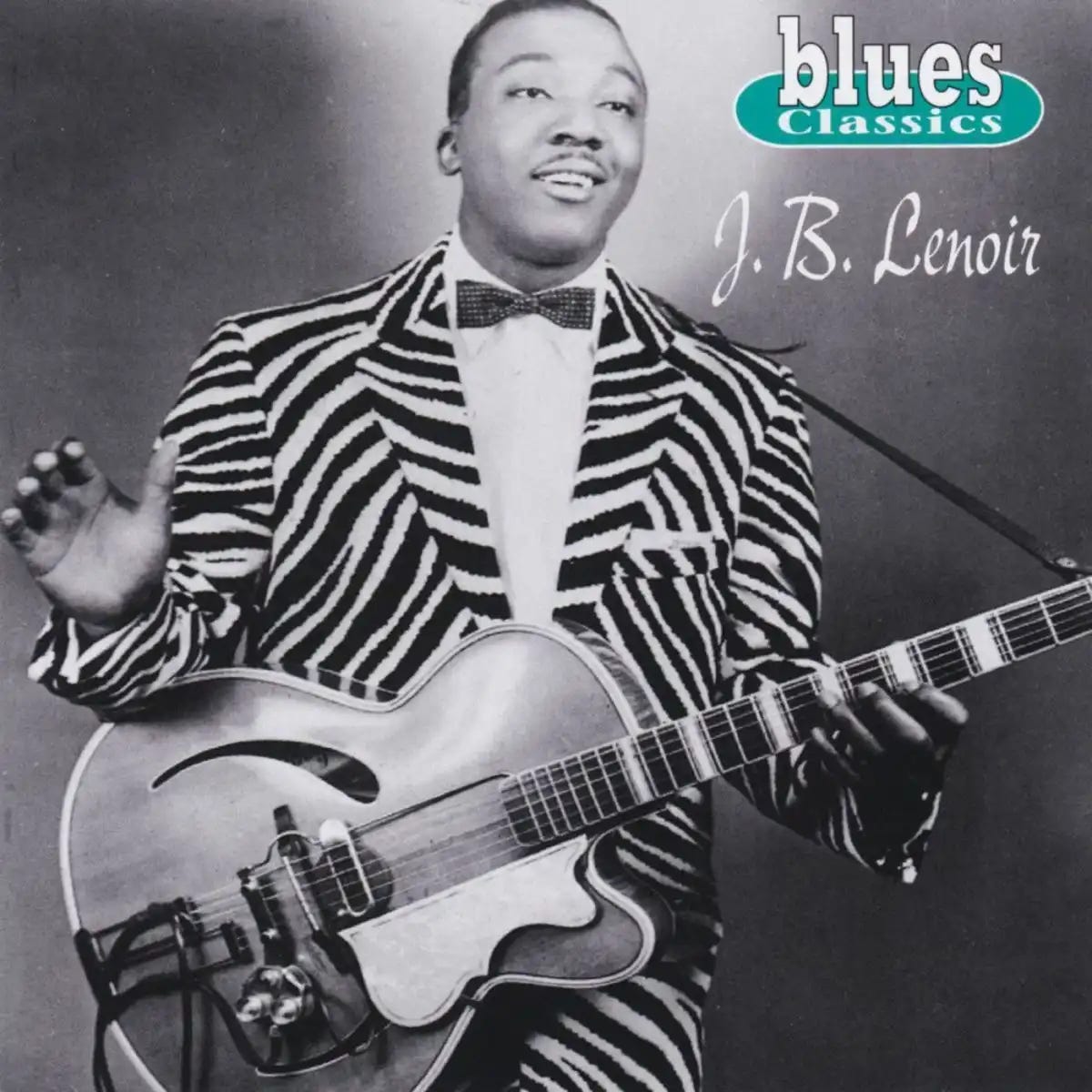
Lenoir was one of the most fearless political voices in blues history—calling out racism, U.S. imperialism, and economic injustice. His song “Eisenhower Blues,” released during McCarthyism, was so direct it was recalled and banned by the record label. His “Alabama Blues” named racist violence plainly, without metaphor or apology. And in “Vietnam Blues,” he connected the bombs dropped abroad to the suffering at home.
At the session, I didn’t just talk about Lenoir, we played his music, including his cut, “Livin’ In The White House.” We sat with his words. And we asked what it means to carry that tradition forward today.
Because Lenoir wasn’t just singing about his time. He was leaving instructions for ours.
What made FWAAMFest especially meaningful was the way it brought together performance, history, and community. Whether on stage or in conversation, there was a shared understanding that this music carries something larger than any one artist. It carries memory. It carries struggle. And it carries the possibility of something better.
For me, being there was both an honor and a reminder that the blues connects people across time and space. And in Fort Worth, that connection felt undeniable.
FWAAMFest is an annual gathering—and after experiencing it firsthand, I can say this: if you care about the past, present, and future of the blues, it’s a journey worth making again and again.


Comments
Nothing yet. Say the first thing.
Sign in to join the conversation.