
RubyCoded
 jenxi.com
I'm a cyber alchemist synthesizing AI workflows, ancient philosophy, and cross-cultural observations into clearer thinking. Bridging startups to China's ecosystem advantage. Registered pharmacist × Brand strategist × Storyteller
Part 6 of 6 in Building a Cyberbrain
- 1Your note-taking system is sabotaging your creativity
- 2Never start writing from scratch again
- 3Three note types that transform thinking
- 4Discipline-free systems beat forced productivity
- 5How to think outside your brain
- Building a cyberbrain
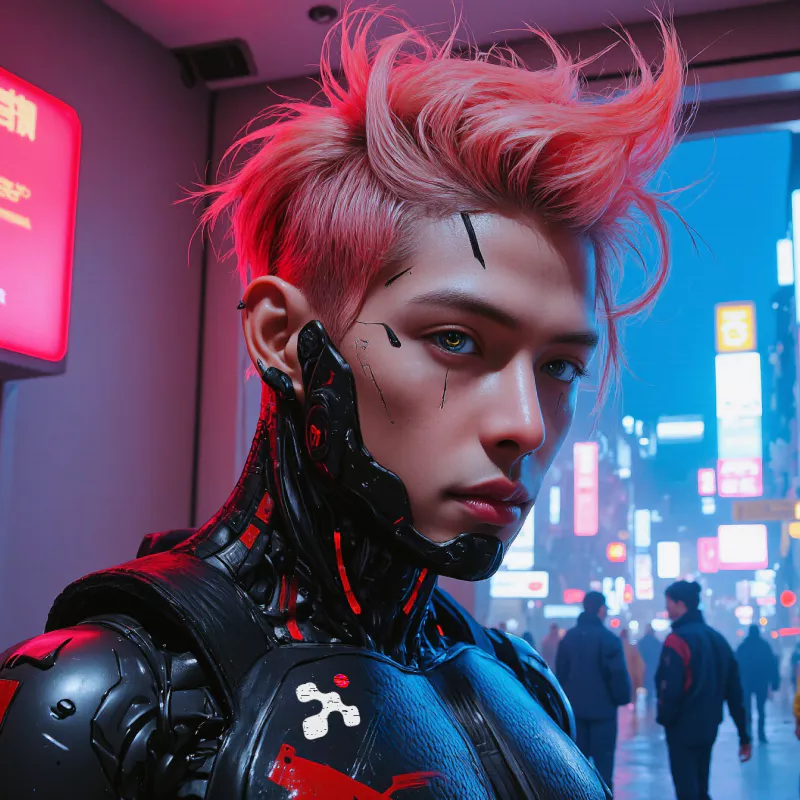
Building a cyberbrain through AI-augmented creativity means extending our cognitive capabilities through thoughtful integration of artificial intelligence tools into our creative and productive workflows.
I explore how to use AI and technology to live a more fulfilling life. My goal is to share my learnings because I have benefited from others sharing theirs.
Core principles
1. Augmentation, not replacement
AI tools enhance human creativity and decision-making. They handle repetitive tasks, generate initial ideas, and process information at scale—freeing us to focus on strategy, synthesis, and creative direction.
2. Systems thinking
Building a cyberbrain requires understanding how tools connect and create workflows. Each tool should fit into a larger system that supports learning, creation, and reflection.
3. Continuous learning
The landscape of AI tools evolves rapidly. A cyberbrain approach means staying curious, experimenting with new tools, and adapting workflows as capabilities improve.
4. Cultural bridging
AI tools can help bridge language and cultural barriers, enabling deeper understanding and collaboration across different contexts and communities.
Current stack
Writing & content creation
- Claude and Qwen for deep dive and ideation
- Kimi and Yuanbao for quick research and brainstorming
Visual creation
- ComfyUI for image generation workflows
- Flux for realistic image generation
- Qwen-Image and Qwen-Edit models for stylised image generation
Productivity
- Cursor for code and workflow creation
- Bear for note-taking and knowledge management
- Ollama for local model inference
Workflow philosophy
The goal is not to automate everything, but to create workflows where AI handles what it does well (processing, generating, translating) while humans focus on what we do best (judgement, creativity, connection).
This is a living document. As tools evolve and workflows improve, this manifesto will be updated to reflect current practices and learnings.
- Three note types that transform thinking – Build a note reservoir so blank pages disappear
- How to think outside your brain – Set your brain free to connect while your notes handle the storage
- Your note-taking system is sabotaging your creativity – Why your perfect system might be killing your best ideas
- Never start writing from scratch again – How permanent notes turn blank pages into finished articles
- Useful writing – We’re taught to be persuasive when we write, but is that useful?
- How to read – Consuming information doesn’t mean you’re learning
- Meaningful work – Mindfulness in choosing work that matters
- Turbocharging self-learning with AI – How AI tools can accelerate your learning journey
This page represents an ongoing exploration. If you’re building your own cyberbrain, I’d love to hear about your approach.
Part 6 of 6 in Building a Cyberbrain
Comments
Nothing yet. Say the first thing.
Sign in to join the conversation.