
Hey wonderful humans, it's been a while.
It's been over a year since my last update — where I optimistically claimed you'd be hearing from me more often. Sorry... 😬 Dozens of drafts later, I'm finally resurfacing to share how my non-conformist career has been unfolding.
After leaving Canva, I had two main goals:
Jump back into the startup space. Over the past 1–2 years, the startup ecosystem has bloomed again. New AI startups are emerging in fascinating niches.
Give launching my own startup or product a real shot. While at Canva, I was validating ideas but realized I couldn't give a startup the energy it deserved while working full-time.
So I did just that.
I began working a few days a week at The Martec, an AI-first B2B software for Talent Marketing, as their interim Head of Product. I also dedicated at least one day a week to work on a project with my friends.
Nine months later, we officially launched our product. You can check out what we built. We reached just under 100 users—and last month, we got our first paying customer!!!! This was both a significant business milestone and a huge personal achievement.
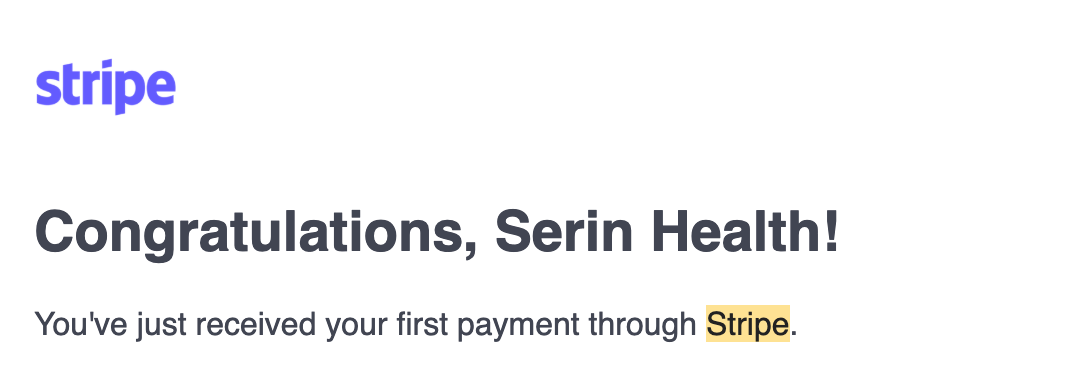
Sure, I've helped organisations grow revenue and users substantially before, but I always wondered if I could do it for my own startup — something I always had doubts about. So seeing that Stripe email come through?
✨🌟💫✨ We had it in us all along. ✨🌟💫✨Fast forward to today:
Product + UX: Working with multiple startups through Mapo Studio (huge thanks to my dear friend Audrey for taking this girl in 😘). I’ve been lucky to work with some amazing Aussie AI startups like Lorikeet, Adora and Nullify.
Startup & projects: Still chipping away at Serin Health… and maybe cooking up some other fun projects. 👀
Coaching & advising: Working with a few product leaders on product coaching and strategic advising. I most recently became an advisor for Huddled, who have been such a pleasure to mentor and advise for.
Writing: Although it's been on the back burner lately, I've begun writing professionally and plan to share more personal content on this substack.
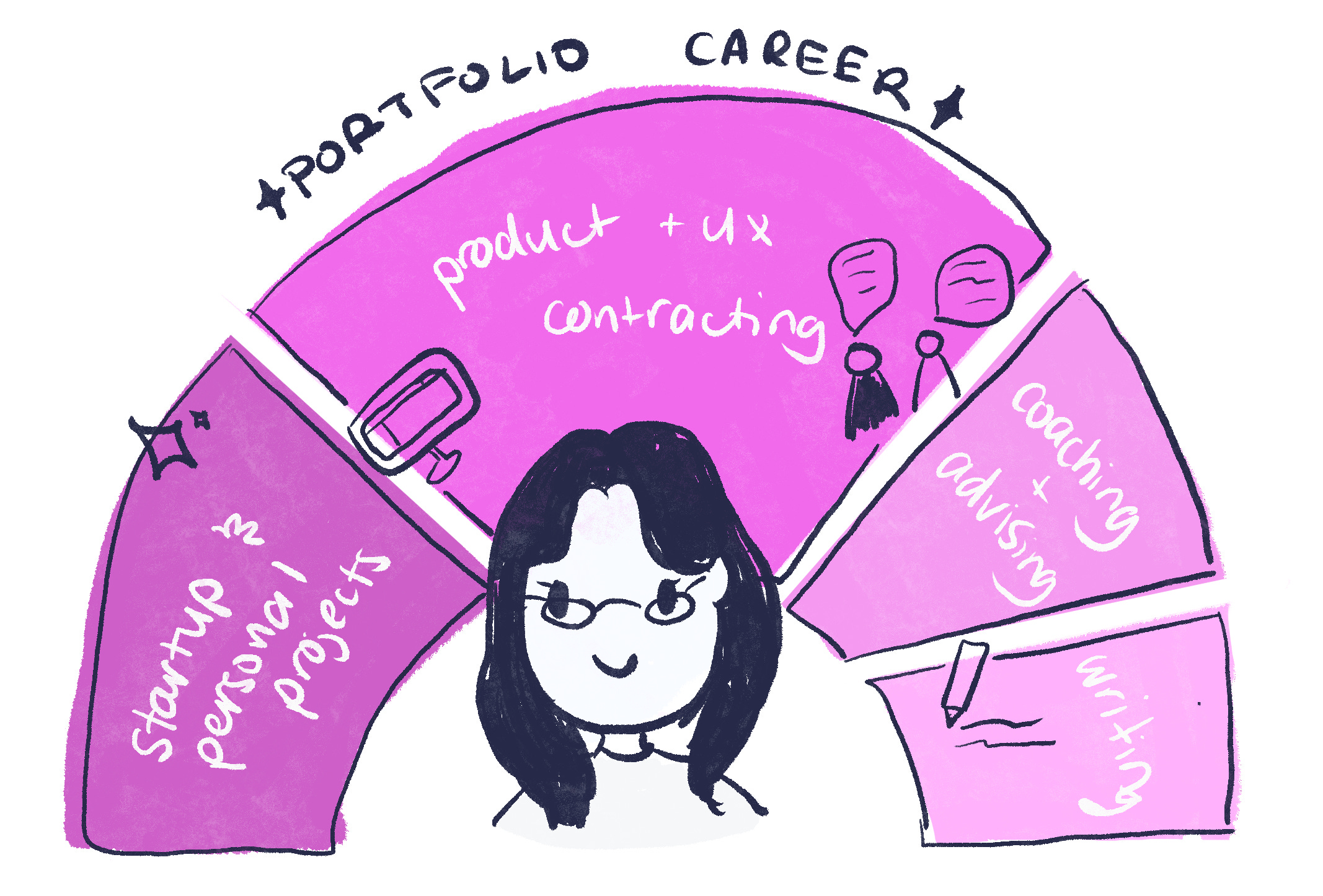
While I'm calling this my "odd jobs era", what I'm doing isn't new. You might know it as a portfolio career or the pathless path—two overlapping ideas that describe where I'm at:
Building multiple income streams using a diverse skill set, and
Choosing not to follow a traditional, linear career path — your "prescribed" blueprint
This career path means I'm not boxed into a single track—I can pursue opportunities that genuinely interest me and optimize for learning. It lets me build on skills I've developed over the years (product, startups, etc.) while giving me flexibility to explore and grow through exposure to different industries, GTM strategies, and team compositions.
Working with 10+ startups in a year has given me a unique perspective on how products are being built—especially in the ever-evolving AI space.
I can adjust my workload based on my energy and ambitions. Some months are chill; others, I go full steam ahead. This freedom allows me to explore random interests (learning Chinese, taking up yoga) and, most importantly—focus on my health.
Managing chronic conditions while working full-time is really hard. I might have 2–3 specialist appointments in a month, plus clinic treatments three times a week, far from home. There's no way I could manage that with a full-time job.
I’ve felt each of these challenges deeply at different times—but I’ve also slowly learned how to manage them. Here’s what you might come across in a portfolio career and some tips on how I’ve overcome them:
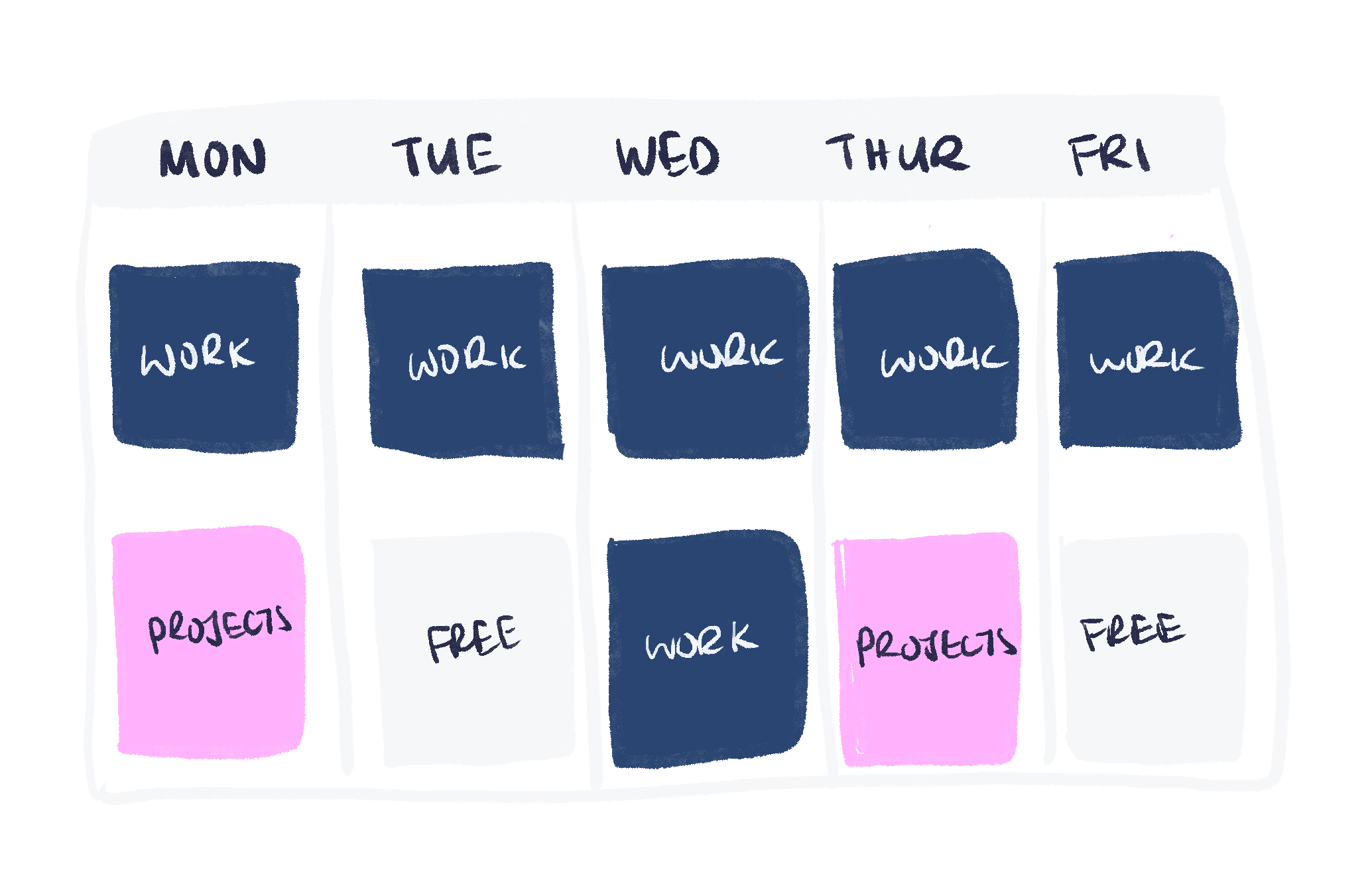
I often juggle 3–6 separate income streams (including personal projects) across different organizations and teams. While one of my superpowers is quickly adapting to new problems and contexts, it can still be inefficient and mentally draining.
With no set hours, I have to create my own routine and maintain discipline. After taking on my third or fourth project, I found myself procrastinating during the day and letting work bleed into weekends, eventually facing multiple deadlines on the same day.
How I overcame this:
Weekly planning and time blocking: Reserving specific hours during my most productive morning time ensures I complete the hardest and most important tasks by lunch.
Waking up on time: I KNOW! I shouldn’t complain — but when you don't actually have to "go to work," it's easy to end up doom scrolling until 10… sometimes 11… sometimes 12. Having a strict sleep schedule and waking up at the same time daily, with plenty of time for a nice morning routine, has helped tremendously.
One of the best things about a "normal" job? The colleagues, spontaneous chats, and friendships. Sometimes, I just miss asking someone how their weekend was and hearing gossip totally unrelated to me. 🥹
I've either gotten used to it or found other ways to cope (like constantly pestering my friends). Mostly, I focus on deepening existing friendships. Instead of lunch with a colleague, I might visit my parents for a nice weekday yum cha.
Let's be real... it's rough out there. Some months I earn more, others less. If I get sick or take time off, I don't get paid. Then there's the high-key anxiety: Will I still be hireable? Will someone see my resume and think I have commitment issues?
This is mostly mental, though. The job landscape is changing rapidly with AI — the product management role itself has transformed significantly. Somehow, the prospect of my job becoming irrelevant in 5-10 years, followed by a pivot to something completely different like working at a museum or becoming an acupuncturist, doesn't sound too bad.
People often ask how I ended up here. To be clear: I'm not saying "just quit your job and start freelancing." That's unrealistic for most people, especially in product management, which isn't as freelance-friendly as engineering or design.
(1) Build a resume that speaks for itself. If people don't know you, your resume needs to tell a compelling story with recognizable credentials. My Atlassian experience establishes my product management credibility. Being an early employee at Eucalyptus demonstrates my startup and scaling expertise. Canva, particularly in Growth, showcases my commercial skills. Together, these positions reflect my diverse experience across B2B, Enterprise, SaaS, and healthcare—making me a low-risk choice for clients.
I'm not trying to be a clout chaser 😭 (hard to believe, I know), and you don't necessarily need huge logos on your resume—though it certainly helps. Alternatively, many product people succeed by specializing in a specific area like growth, an industry vertical, or a technical specialty (such as data or payments). This expertise can be clearly demonstrated through your work history and the companies you've chosen.
(2) Diversify your skillset. Even as a dedicated PM, I focused on hard skills—learning SQL, maintaining proficiency in Figma, writing well, learning how to read code... because you never know when the combination of your product management experience and these other skills might make you the perfect candidate for a niche project.
(3) Engage in the community. Show up, help out, stay curious. I spent a lot of time in my early career giving talks, signing up for mentoring, or just making my calendar available to anyone who needed it. There are many great communities—run by VCs, accelerators, startup folks—where everyone has something to offer. Many—if not all—of my clients came from meeting someone years ago while collaborating on a project or helping with a program together.
One of my biggest concerns when going freelance was whether organizations would accept someone in a "fractional" role. However, I was pleasantly surprised—there's definitely an emerging market gap. Many companies aren't yet sure who to hire, or simply need someone to accelerate their progress temporarily until they make a permanent decision, especially for strategic roles like product management.
I am feeling optimistic that more flexible work arrangements will become increasingly common in the coming years so more of us can pursue this path if we wanted to. 💜
👋 Welcome to the 100+ new subscribers!
So — funny story — my dead newsletter got a re-awakening because of Dan Sutherland’s article that went viral on LinkedIn. 😂 Seeing all of you subscribe to my newsletter was definitely one of the catalysts to finally publishing this post.
Welcome to the family! My name is Jenny. Almost 2 years ago, I took a life-changing career break that rewired some of my most fundamental beliefs. Now, I'm simply pursuing a life aligned with my values—balancing work, passions, relationships, and health.
Thank you for choosing to have me in your inbox every so often. Leave a comment to introduce yourself and say hi! 👋
Comments
Nothing yet. Say the first thing.
Sign in to join the conversation.