
If you’ve spent any time on social media, you might think seeds are either miracle foods or something to avoid entirely.
Scroll for a few minutes and you’ll hear one person claiming chia seeds can “cleanse” your digestive system. (Side note: clean food is one of my biggest nutrition pet peeves.) Then another creator warns that seeds are inflammatory. Another says to avoid flaxseed because it contains phytoestrogens.
It’s remarkable how much controversy we’ve managed to create around a handful of seeds.
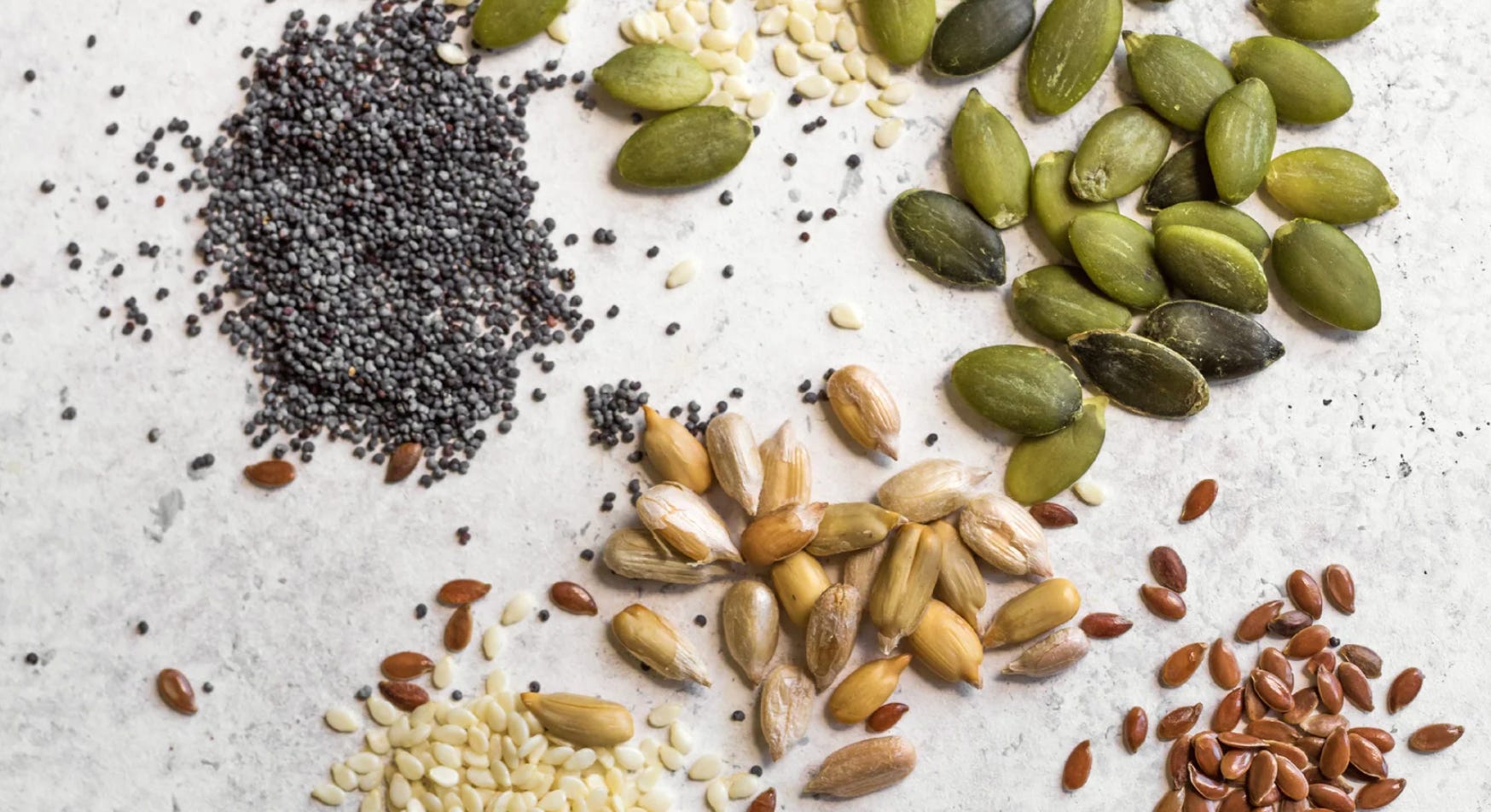
The truth? Seeds aren’t magic, and they aren’t something to fear. They’re simply foods, each with its own unique nutritional strengths that can contribute to an overall healthy eating pattern.
Let’s separate a few myths from what the research actually tells us:
One of the biggest gut health trends online is what’s often called the “internal shower.” A mixture of chia seeds, water, and lemon juice is promoted as a way to cleanse your gut and flush toxins from your body.
I understand why this idea is appealing.
Research continues to show that our gut influences many aspects of health: from cholesterol and blood sugar to immune function and even certain aspects of mental well-being. It’s tempting to believe that if the gut is this important, one drink might somehow “reset” everything.
But our bodies don’t need detox drinks.
Your liver, kidneys, lungs, skin, and digestive system are already working around the clock to process and eliminate waste products.
What chia seeds do offer is something much less flashy and much more supported by research.
Just two tablespoons provide about 10 grams of fiber, including soluble fiber that absorbs water and forms a gel-like texture, helping soften stool, and insoluble fiber that adds bulk and helps move food through the digestive tract.
So if you’ve found that chia seeds help you stay regular, that doesn’t mean they’re washing toxins out of your body.
It probably means you’re consistently eating more fiber and drinking more water.
That’s not a gimmick, it’s physiology.
And here’s the best part! You don’t have to force yourself to drink a glass of gelatinous chia water if you don’t enjoy it. Sprinkle them into yogurt, oatmeal, smoothies, soups, or bake them into muffins. The power of seeds isn't in a cleanse or a cure. It's in consistently making them one small part of an overall healthy eating pattern.
Few nutrition topics have generated as much confusion as seed oils.
Social media often blames them for everything from inflammation to heart disease. But when researchers look at the totality of the evidence, they find the opposite. Replacing saturated fats (like butter) with unsaturated fats, including many seed oils, is associated with improved heart health and lower LDL cholesterol.
Like all cooking oils, seed oils can break down when they’re repeatedly heated to very high temperatures, such as in commercial deep fryers where the same oil is used over and over again. That’s a very different situation than using an appropriate oil for everyday home cooking.
For most people, the evidence supports including seed oils as part of an overall heart-healthy eating pattern, not avoiding them.
Bottom line: The science doesn’t support fearing seed oils. In fact, they can be part of a healthy dietary pattern.
“Should I avoid flaxseed because it contains estrogen?”
No. Flaxseed contains compounds called lignans, which belong to a broader group of plant compounds known as phytoestrogens.
The name can be misleading because it contains the word estrogen. But phytoestrogens aren’t the same as the estrogen your body produces.
Instead, they’re plant compounds that interact only weakly with estrogen receptors. Depending on what’s happening in the body, they may have mild estrogen-like effects in some tissues and anti-estrogen effects in others. In other words, they don’t simply “increase estrogen.”
Researchers have studied flaxseed and lignans for decades for their potential effects on heart health, breast health, and menopause. While soy has the strongest evidence for easing menopausal hot flashes, the overall body of research suggests that phytoestrogen-rich foods like flaxseed are safe for most people and may even offer health benefits.
So, rather than fearing flaxseed because it contains phytoestrogens, think of it for what it is: a nutritious seed rich in fiber, plant omega-3 fats, and lignans that can be part of a healthy eating pattern.
Bottom line: The presence of phytoestrogens isn’t a reason to avoid flaxseed. If anything, it’s one of the reasons researchers continue to study it for its potential health benefits.
People often ask me: “Which seed is the healthiest?”
My answer a mix! They all bring something to the table. :)
If protein is your goal, hemp hearts stand out.
Among these five seeds, they provide the most protein and are one of the few plant foods considered a complete protein, meaning they contain all nine essential amino acids.
They also have a soft texture and mild flavor, making them one of the easiest seeds to sprinkle onto yogurt, oatmeal, roasted vegetables, grain bowls, or salads.
Flaxseed is one of the richest plant sources of alpha-linolenic acid (ALA), an omega-3 fat.
It’s also packed with fiber and contains those unique lignans we just talked about: plant compounds that continue to be widely studied for their potential health benefits.
One tip: choose ground flaxseed whenever possible. Our bodies absorb its nutrients much better than whole flaxseed, which often passes through the digestive tract largely intact.
If fiber had a champion, chia seeds would certainly be in the running.
Their combination of soluble and insoluble fiber supports digestive health, helps increase fullness after meals, and contributes to healthy cholesterol and blood sugar levels.
They also provide plant omega-3 fats and absorb liquid beautifully, making them perfect for overnight oats, chia pudding, smoothies, or simply stirred into yogurt.
Pumpkin seeds may not get as much attention, but they quietly deliver an impressive nutrition package.
They’re especially rich in magnesium and zinc, two minerals involved in hundreds of processes throughout the body, from muscle and nerve function to immune health.
They also contribute plant protein and add a satisfying crunch to salads, soups, roasted vegetables, and homemade trail mix.
Sunflower seeds are one of the richest food sources of vitamin E, an antioxidant that helps protect cells from oxidative damage.
They also provide heart-healthy unsaturated fats and fit almost anywhere, from salads and grain bowls to snacks and homemade granola.
One of the things I appreciate most about nutrition is that it rarely asks us to find the one best food.
Instead, it invites us to build variety.
Hemp hearts bring protein.
Flaxseed brings omega-3 fats and lignans.
Chia seeds bring fiber.
Pumpkin seeds bring minerals like magnesium and zinc.
Sunflower seeds bring vitamin E.
Each one contributes something a little different.
Maybe that’s the lesson.
The healthiest choice isn’t finding the perfect seed.
It’s making room for a variety of them.
Because nutrition isn’t built on one “superfood.” It’s built on the small choices we make over and over again.
Small foods. Mighty nutrition. Even better together.
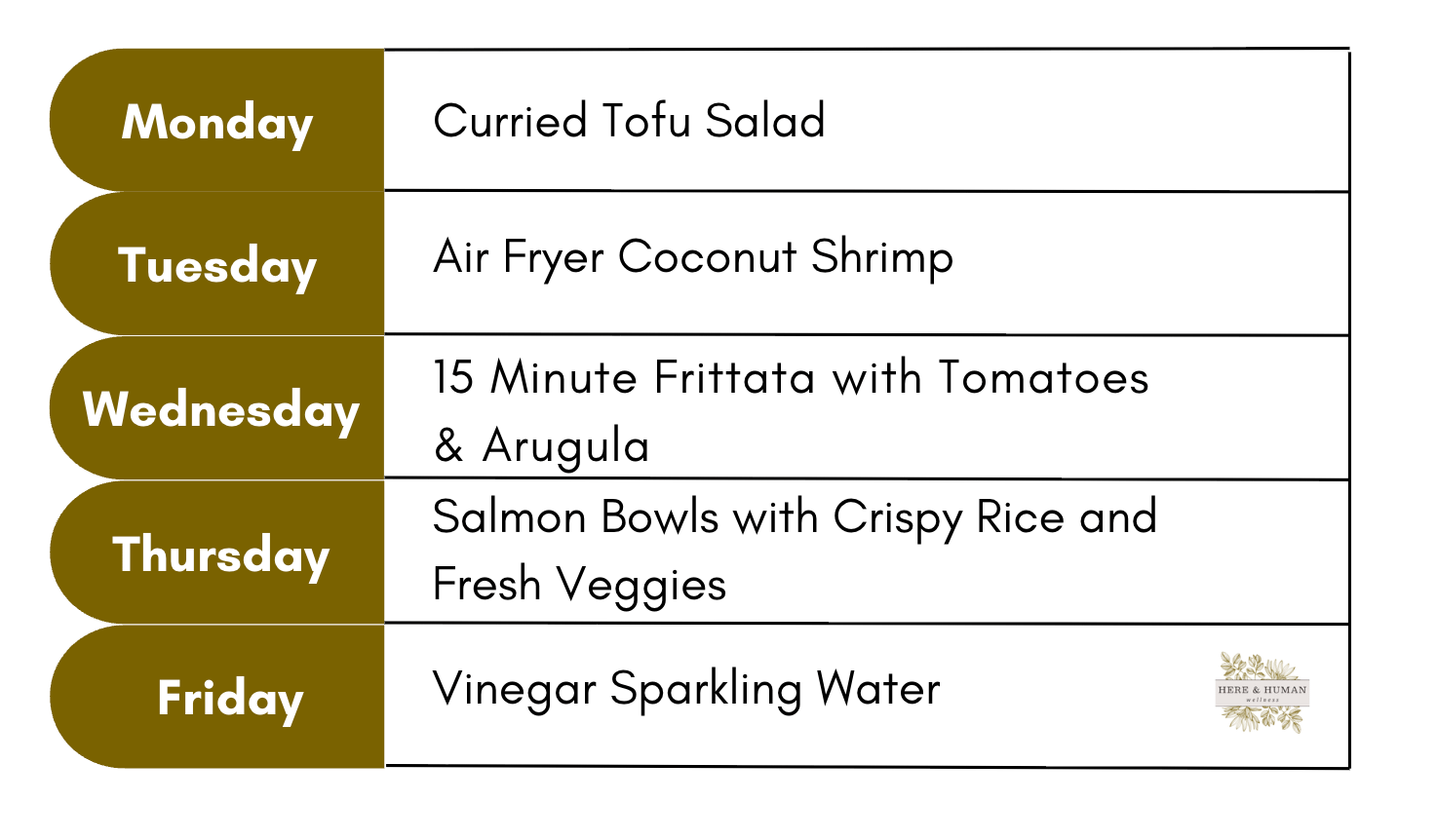

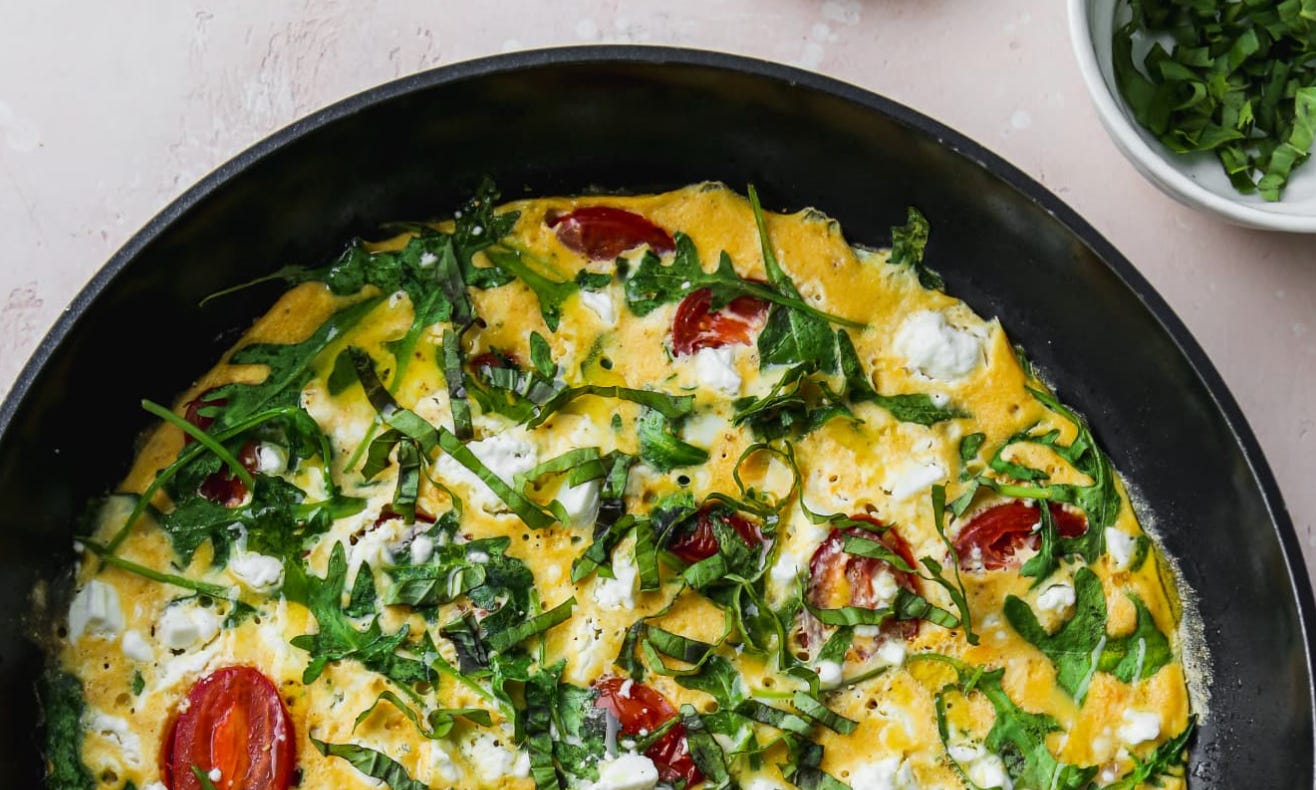
15-Minute Frittata with Tomatoes and Arugula
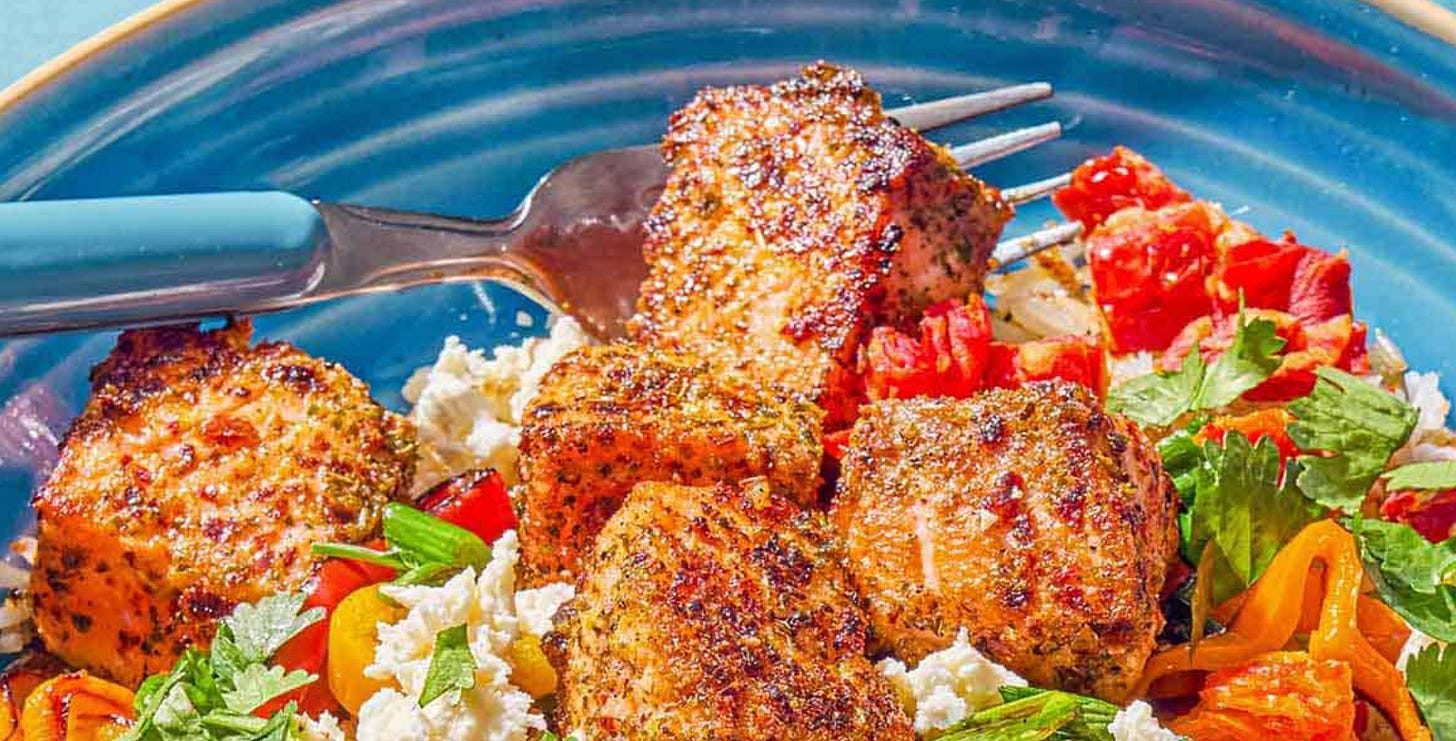
Salmon Bowls with Crispy Rice & Fresh Veggies
Had to explain this one... 😄
While I was in Washington this past week, I sampled some incredible flavored vinegars, and it reminded me how much I love adding a splash to sparkling water. It’s such a refreshing (and surprisingly delicious) way to mix things up.
Have you ever tried it?

XO Jen
No posts
Comments
Nothing yet. Say the first thing.
Sign in to join the conversation.