
The other day I took two of my boys to get haircuts, and while we waited, we snacked.
The vending machine offered every possible snack option, but my youngest son chose a bottle of lemonade (he would drink most meals and snacks if he could). And my oldest son picked out a Twix bar.
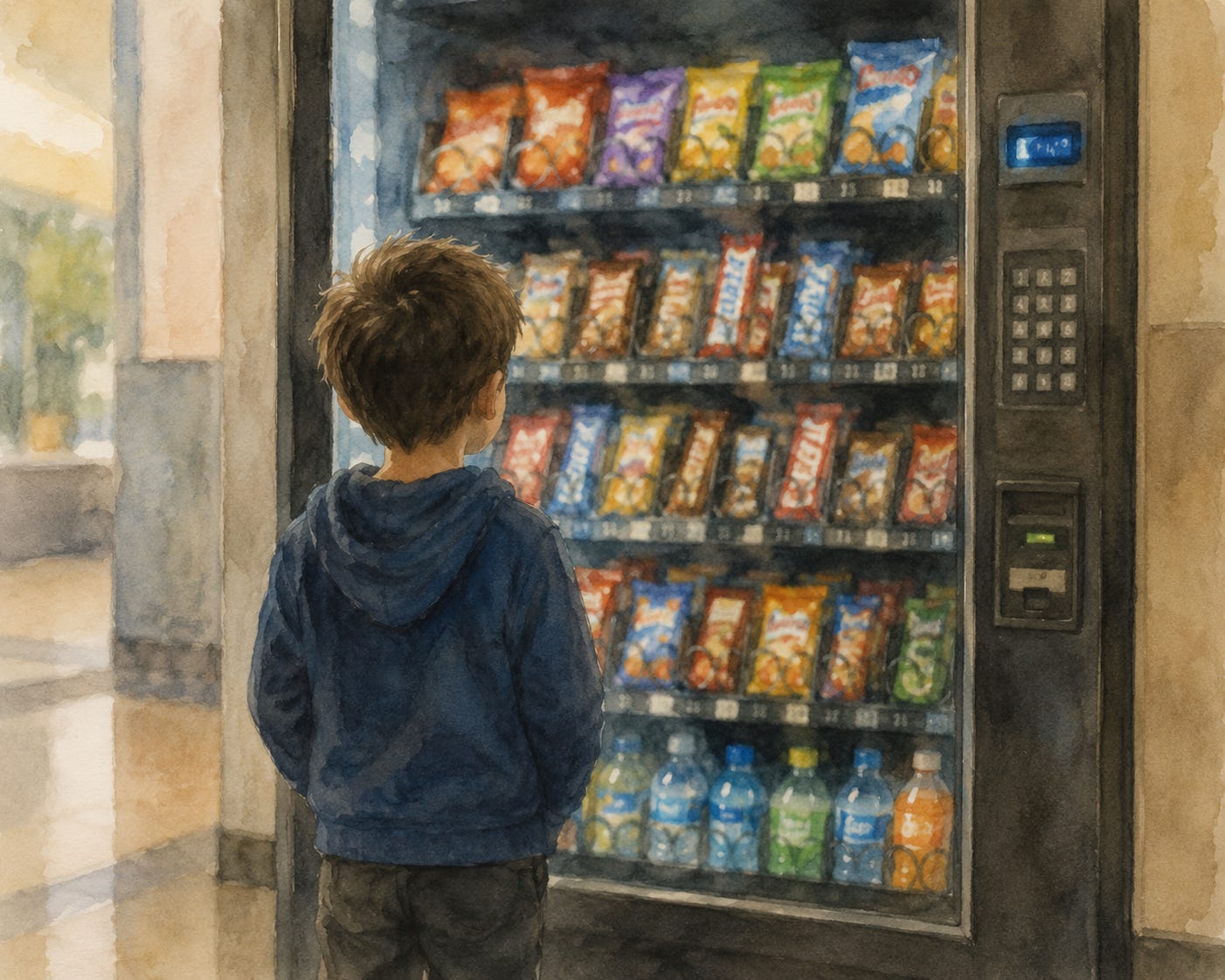
Of course, as soon as the purchases were made, they were already asking each other,
“Can I have some of yours?”
I looked at my youngest and offered, “You’re weclome to get a Twix, too, if that’s what you really wanted?”
He answered without hesitation: “No, I don’t want to eat the whole thing.”
“Well,” I replied, “you don’t have to eat the whole thing. You can save half for later.”
He looked at me and said,
“No. I’ll eat the whole thing. I can’t stop at half.”
Two thoughts immediately crossed my mind. First, how cool that he knows himself so well. Second, why couldn’t he stop at half?
Another thing I'd been noticing is how fast he eats. We’ll all go out for ice cream, and he’s almost always the first one finished. Compared to my other boys, because let's be honest, what parent doesn't compare a little when trying to make sense of things? He also seems to have a greater affinity for sweeter foods.
This kiddo was diagnosed with ADHD a couple of years ago. And with any diagnosis, learning continues. So I also wondered, how much do eating patterns such as these have to do with the way the brain is wired?
One of the things researchers have consistently found is that ADHD isn’t simply about attention. It also affects executive functioning: the collection of skills that help us pause, plan, inhibit impulses, and shift our attention.
Researchers have also found differences in reward processing. Immediate rewards often carry more weight for people with ADHD than delayed ones. That doesn’t mean food is uniquely rewarding for every child with ADHD, nor does it mean children with ADHD are destined to struggle with overeating. But it may help explain why pausing in the middle of something enjoyable can sometimes feel more difficult.
Studies have also found that children and adults with ADHD have higher rates of dysregulated eating and binge eating than the general population. But association is not destiny. Many people with ADHD never struggle with food, and many people who struggle with food do not have ADHD.
Some studies have found that children with ADHD consume more added sugar or more ultra-processed foods than their peers, while others have found that the relationship becomes much weaker after accounting for family routines, sleep, medication use, and other factors. Researchers think differences in reward processing may partly explain why sweet foods feel especially rewarding for some individuals with ADHD, but the evidence doesn't suggest that ADHD automatically creates a sweet tooth.
Another area that has caught researchers’ attention is something called interoception: our ability to notice internal signals like hunger, fullness, thirst, or even a racing heart. Some emerging research suggests that people with more ADHD symptoms may have more difficulty accurately detecting or responding to these internal cues. It’s an intriguing area of study, although the science is still developing and certainly doesn’t apply equally to every child.
Like so much ADHD research, it gives us another place to be curious, not another conclusion to jump to.
That distinction matters. Science can help us become more curious. It shouldn’t convince us we’ve already written our child’s future.
I have learned so much about what evidence says on how we talk about food with our kids. And I have evolved in a good way. But I've absolutely commented on how fast he eats and how slowly my oldest eats. I wasn't judging what they chose to eat, but I was still sending the message that they weren't doing it quite right. Thinking…this is different. I am not judging their food choices, but I am still sending the message they aren’t doing something right.
And I know what this feels like.
I can still remember sitting around my grandmother’s dining room table when I was a little girl. Across the table, in front of several generations of family, she announced that I was eating too fast like my much larger cousin Chris.
I was humiliated.
I left the table and hid in a bedroom.
The tone of that interaction was very different from anything I have ever said to my own children. But the memory reminds me that even comments about how we eat can quietly become part of the story we tell ourselves about food.
So...still learning. Instead of statements, I’m going to try a few questions and come from a curious versus judgemental place.
Instead of,
“Why are you eating so fast?”
“Even though you’re done, can you hang at the table with us? Were you really hungry today?”
“How does your stomach feel? Is it still hungry or is it full?”
I also think it’s worth paying attention to when he last ate. If it’s been awhile, it can help explain the pace. Eating regular meals at predictable meal times seems to help all us with hunger management.
Kids love snacks, and I have sort of given up trying to manage this, but when they graze throughout the day may make it harder to recognize what hunger and fullness actually feel like. Summer is a very tricky time. The school year tends to offer an easier time of year to set this goal. :) But regular meals and snacks create opportunities to practice noticing those internal cues.
All of this is about helping children become more connected to their own bodies.
The most interesting part of the candy bar story wasn’t really my son’s answer. It was watching how quickly my own mind turned one observation into a prediction about his future.
One comment about a candy bar quietly became a story about how he might struggle with food someday. Nothing had actually happened.
He simply knew himself well enough to say, “If I buy it, I’ll eat it.”
The rest was my mind filling in the blanks. The more I parent, the more I notice how often this happens.
One behavior becomes a prediction.
One moment becomes a pattern.
Science has helped me become more curious about my son’s ADHD. But the research can’t tell me who he is.
That part still happens one conversation, one observation, and one shared meal at a time.
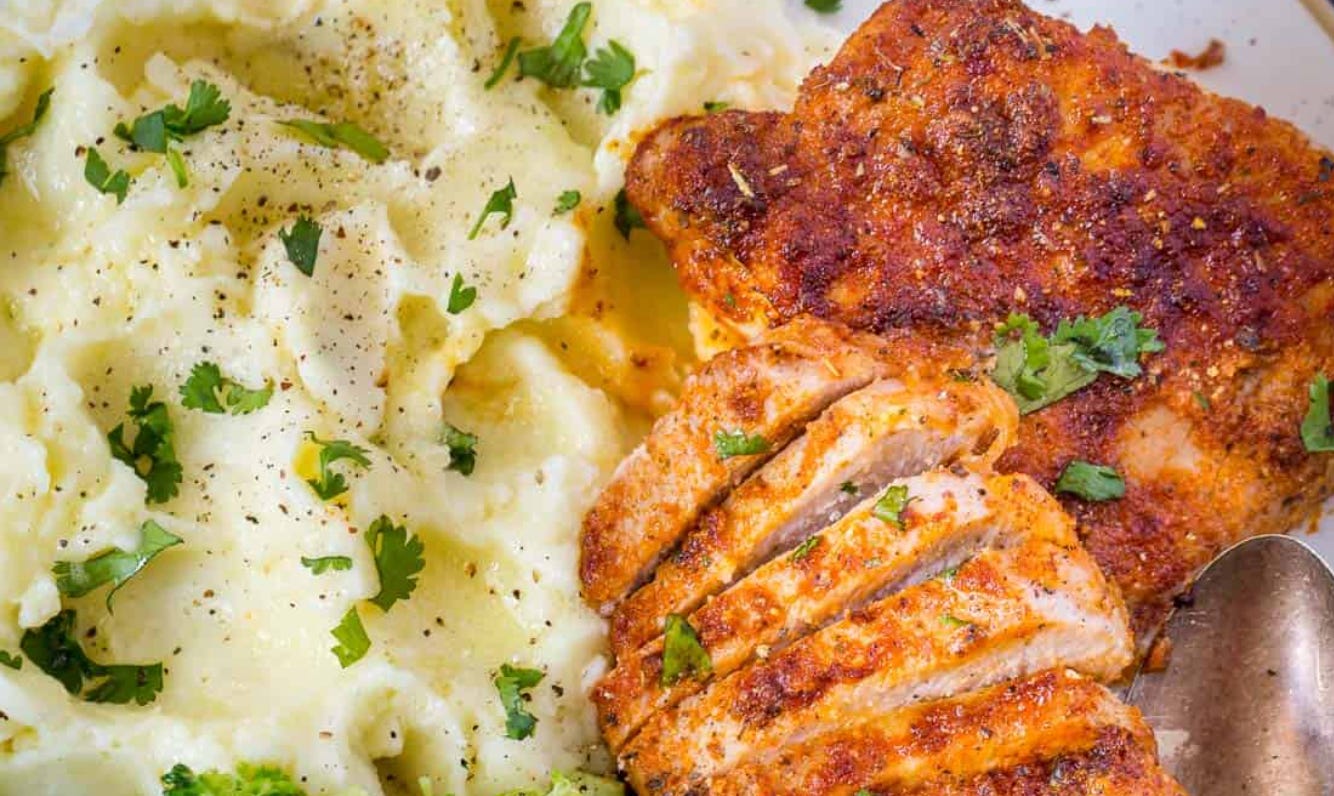
Our kitchen remodel is officially underway. While I’m grateful for the upgrade, our cooking setup is a bit...creative at the moment. So if you notice a few more air fryer, Instant Pot, and grill recipes over the next couple of months, now you know why. 😊
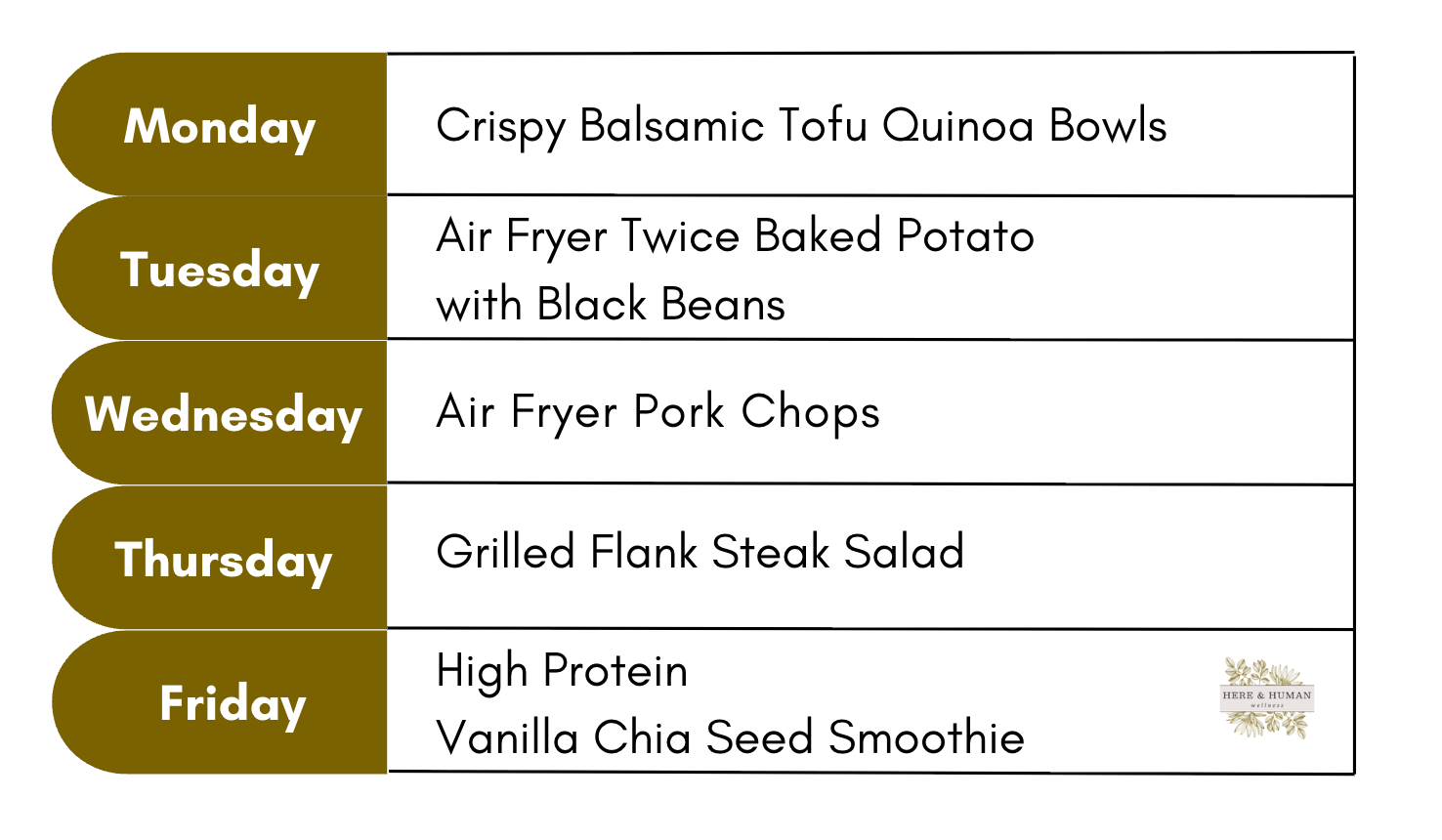
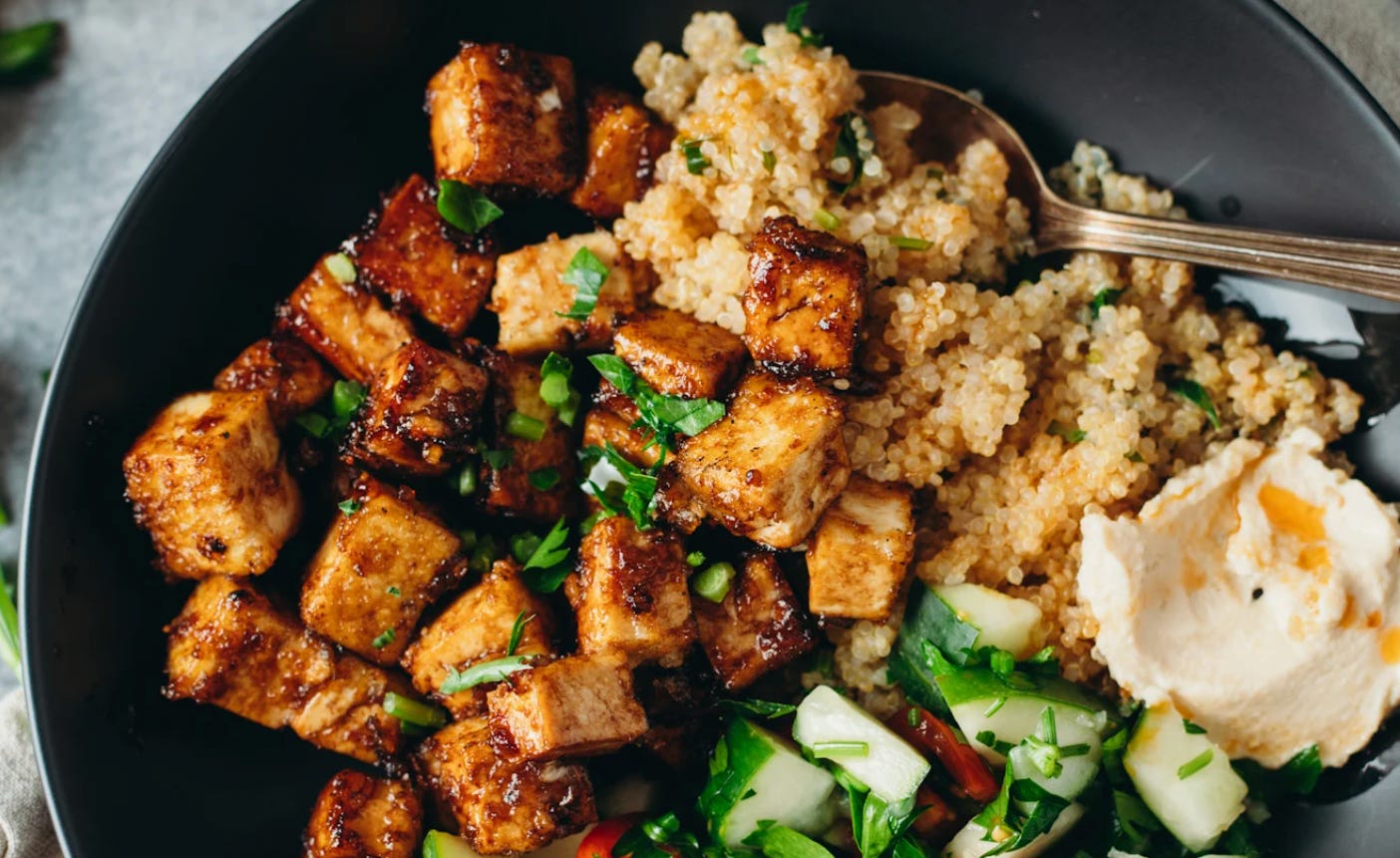
Crispy Balsamic Tofu Quinoa Bowls
Air Fryer Twice Baked Potato with Black Beans

High Protein Vanilla Chia Seed Smoothie

Happy Grilling, friends! XO Jen
No posts
Comments
Nothing yet. Say the first thing.
Sign in to join the conversation.