
“I should become a peach brand ambassador.” Timothee Chalamet
I have a problem with branding.
It’s what happens when you have a shitton of interests and like to meander through life chasing what appeals to you. Pivoting. Rebranding. Rebirthing. Vanishing into new obsessions.* Whatever it is, it’s not the sort of thing that leads to an easy elevator pitch of what I’m about. Or brand deals. Or job offers. Or even a logo that might make sense:

The easiest thing to say is that I’m a writer. This was a self-designation before other people allowed it to be true—before** I got paid for it, essentially. In a creative writing class at the University of Guelph our first assignment was to admit that we were writers. We had to say it out loud, claim it. We were all embarrassed, but it changed something, alchemized it, maybe. Maybe we all were, really, writers after all.
To begin, to begin
I wrote what they call a literary novel when I was 24. It’s about being young and what it means to get old. About summers, and islands, and friendships, and leaving it all behind to grow up. Also horses, the climate crisis, and waiting tables. One Amazon reviewer called it “Dirty Dancing meets Waterworld,” which is still the best summary.
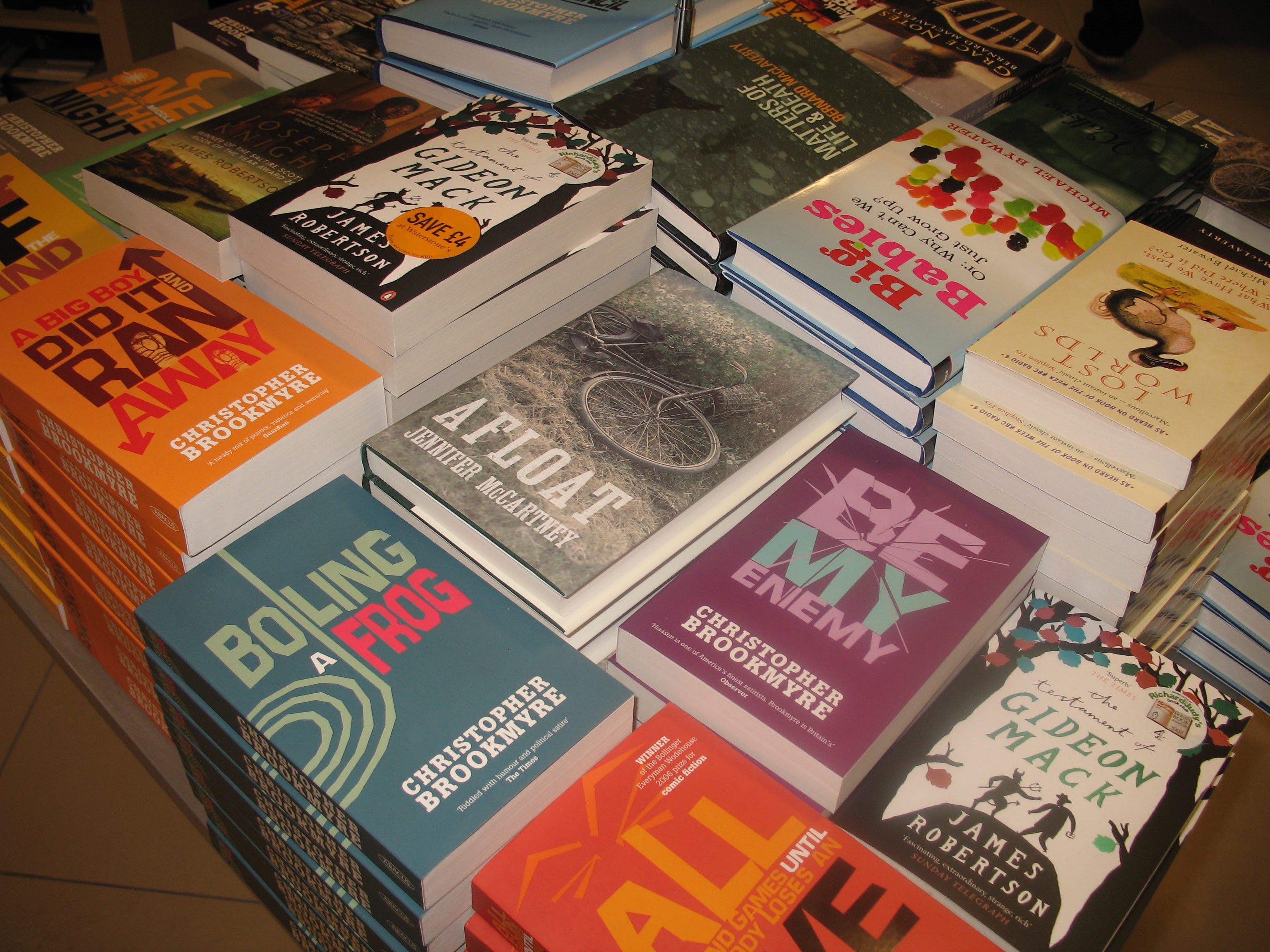
I was invited to some book festivals when it was published—the Edinburgh Book Festival was the big one. I was interviewed on the radio and the novel (Afloat, Penguin/Hamish Hamilton) was reviewed in some papers, including the Times Literary Supplement (and the Big Issue, I think). It was a Maclean’s bestseller and the LCBO hosted a themed dinner party based on the book. If you’re Canadian, that will mean something, probably.
I was a writer of literature.
Then I moved to New York and got a job in publishing by answering an ad on Craigslist. There is much that happened in the in betweens here, but this is what I’ll tell you.
I acquired and edited books on burlesque, sugar daddies, mini-farming, the war in Yemen, dictators, bearded poets, and champagne. I worked with a dear friend, Herman Graf, who I wrote about here. I fought for the better paper (always thicker than what our budget allowed). I enjoyed helping a book along until it became what it was. You have to figure it out as you go, as you may know—writer and editor together.
Because this is about careers and such, I’ll tell you I lived off the G train in a shared two-bed Brooklyn flat with a roommate and paid $600 a month for the room. There were bars on the windows and the front door to the building didn’t lock. It’s nicer there, now. It wasn’t then. I did it alone, although my mother would always ensure I had a new winter coat and proper walking shoes once a year. I felt broke and stuck. Then I got tuberculosis but that’s for another post.
I was an editor.
After endless seasons of writing catalogue copy and attending sales conferences and crying in Dunkin’ Donuts, I wanted to be free again. I read a book about how to quit your job, and then I quit. I was young enough, then, to feel invigorated by the possibilities.
I started writing what I like to call pop philosophy books. Or rather, humorous*** self-help books. (Enter the branding problem.)
Here are some books I wrote:
The Joy of Leaving Your Sh*t All Over the Place (a New York Times bestseller).
The Little Book of Sloth Philosophy (published in a bunch of countries).
In between those I wrote a book of cat poems inspired by famous poetry (an American Bookseller Association bestseller).
A cocktail book. Then another one (also an American Bookseller Association bestseller).
A book about ugly cute animals (an LA Times bestseller).
And one about how to move to Canada.
The “philosophy of permission,” that runs through all these titles (go with the flow, do your own thing, don’t stress about trends, it’s okay to be unproductive, mess is not a bad word) seemed to hit at the right time. The books are good, and they sell.
I am a writer of books.
My novel doesn’t sell, not anymore. But it’s the thing I’m most proud of.
Anyway, my transition from writer of literature to editor to…book writer is complete. There’s a precedent for this sort of shift: read my essay about Charles Leslie McFarlane, best known for the Hardy Boys but once nominated for an Academy Award. I think. I assume I did that research correctly at the time of writing.
During my freelance writing years, I also wrote about trains, UFOs, utopias, cars, wearable tech, and credit cards. I interviewed Colleen Hoover and John Grisham.
The unlikeliest turn of events, the thing that fell in my lap, was getting my own TV show, The Happy Mess Method, which I co-hosted with the generous and funny Sabrina Soto. I’ll share more about that in another post, because it was so weird, and so amazing, and so fun, it still feels like a made-up thing. It was a flop, by all accounts. Not because it wasn’t good. It was good. It was funny and warm and forgiving. But a show needs viewers, and more importantly, perhaps, a commercial sponsor. We had neither.
But for awhile, there, I was a TV host.
What you do for a paycheck
This is all to say, when you’re looking for a new day job that will pay the bills as a content strategist… it’s a weird resume I’m submitting, I’ll admit. It doesn’t tick the boxes—there’s no straight line from a degree in marketing to stints with Google, Hubspot, Perplexity, Meta. But I’ve written all the things, and I know what works. What people want to read. What they search for and how to make our thing pop up in their search results. What they might click on and what headline doesn’t suck. What makes your brand special (or if it isn’t, how to make it seem that way). I use words like: GEO and conversions and KPIs and drip campaigns.
So that’s the day job. I take the bus. I eat desk salads for lunch. But it’s a life. A facet of a life, anyway.
I am a strategist.
All the various bits compiled into a person for sale
My brand is a sort of cotton candy thing. Whirled together. Easily dissolved. But it brings me a lot of joy to be a bit elusive. To be a mixed-up sugar strand, light, going wherever the wind blows. There is no security and no golden handcuffs, here, with these choices. There’s no pitch deck or easy way to monetize.
Maybe this Substack is a bridge, to something. To readers who found my books and feel seen. Or maybe it’s nothing. A little abyss of time and energy. That’s fine too. I’m here, drifting, writing, reading. Maybe we can do it together.
And if you’re wondering what your life is about, or how it all fits together, or what your story is or will be—I see you.
Welcome.
* Currently UAPs, cryogenics, and fernet. Not at the same time. But maybe.
** I use em-dashes. It’s the best piece of punctuation and I’ll continue to use them even though the robots have ruined it.
***Canadian spelling. Everywhere forever.
No posts
Comments
Nothing yet. Say the first thing.
Sign in to join the conversation.