
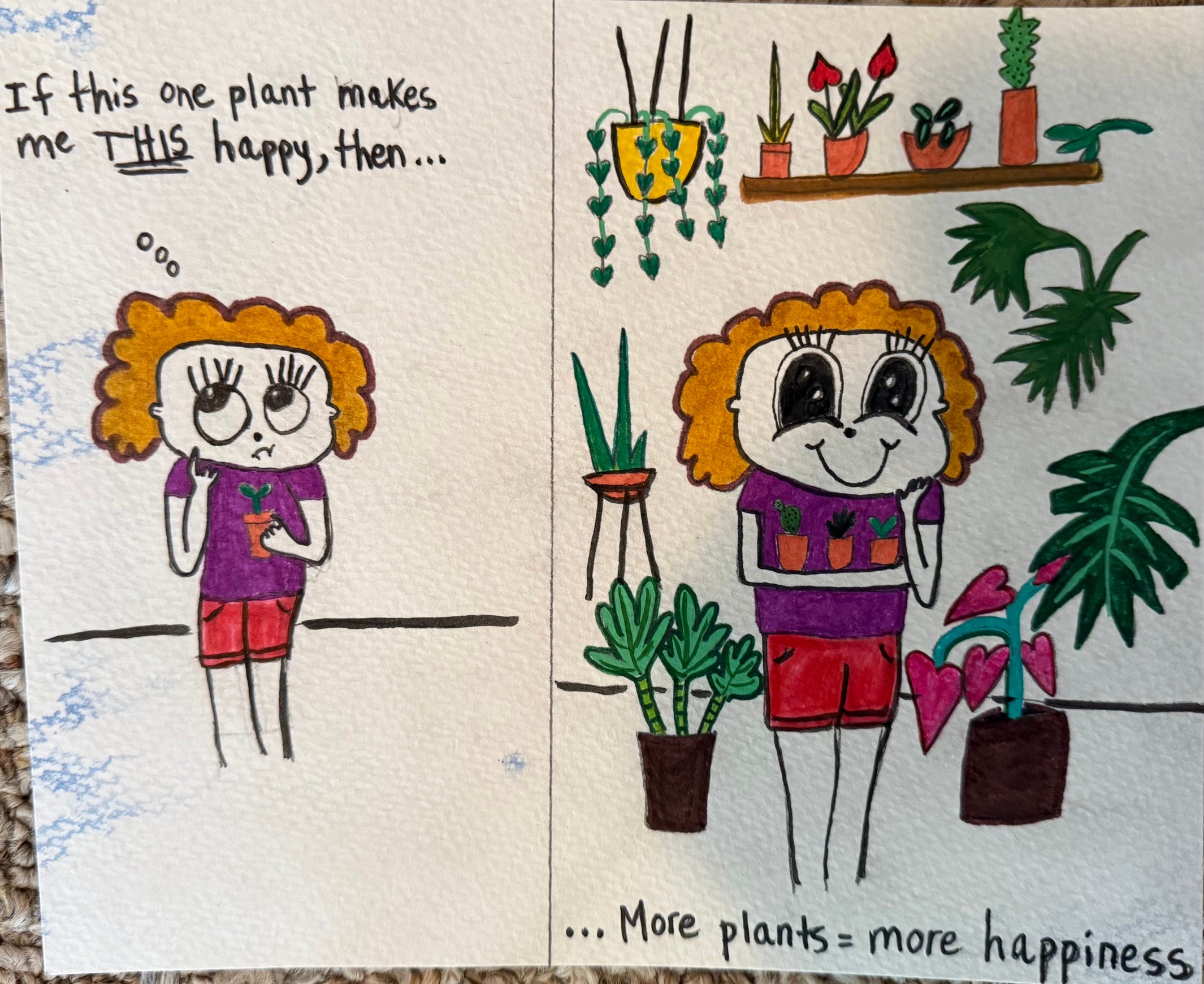
Confession: I have a begonia problem.
I love begonias.
They’re colorful and beautiful and come in all sorts of shapes and sizes.
Kinda like people.
(I love people too. My mom? Not so much. She thought humans were ignorant and arrogant. She reserved her love for the microbes.)
Most people struggle to keep begonias alive.
Me, I tend to kill the plants that are “easy” and “low maintenance.”
But begonias … they love me as much as I love them.
I. Will. Not. Tell. You. How. Many. Begonias. I. Have. Right. Now.
Don’t ask.
I will also not tell you that last week a crazy plant guy named Fig Willie, whose home and garden are filled with plants (and hundreds of fig tree starts), gifted me a black magic begonia.
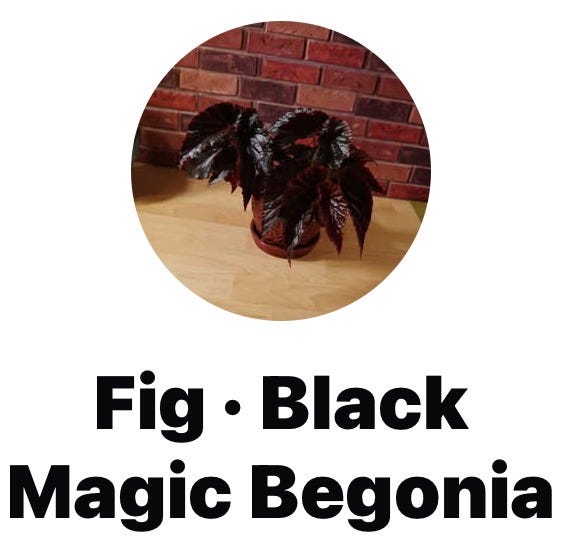
Along with the begonia, Fig told me about a brilliant banana peel hack.
He makes his own plant fertilizer out of banana peels.
Take 3 organic banana peels.
Put them in a half gallon mason jar.
Fill the jar with water (preferably filtered since the chlorine can hurt the plants).
Let sit for 3 or 4 days.
Use this banana peel water, which now has a lovely brown hue and is infused with potassium and other nutrients from the banana peels, once a month to water all your houseplants.
There’s only one problem with this awesome inexpensive easy-to-make DIY fertilizer: it helps the plants grow big and lush and happy.
Baby plants become big plants and big plants need bigger pots.
My plants are going nuts.
They’re so happy and healthy that I can’t give cuttings away fast enough.
And I maybe kinda sorta can’t pass up the opportunity to acquire new-to-me begonias.
Hush now. No judgment.
If you’re local to southern Oregon and would like a free cutting or a free houseplant, let me know.
If you’ve never tried to grow houseplants, though, I’d recommend starting with an easier genus than begonias.
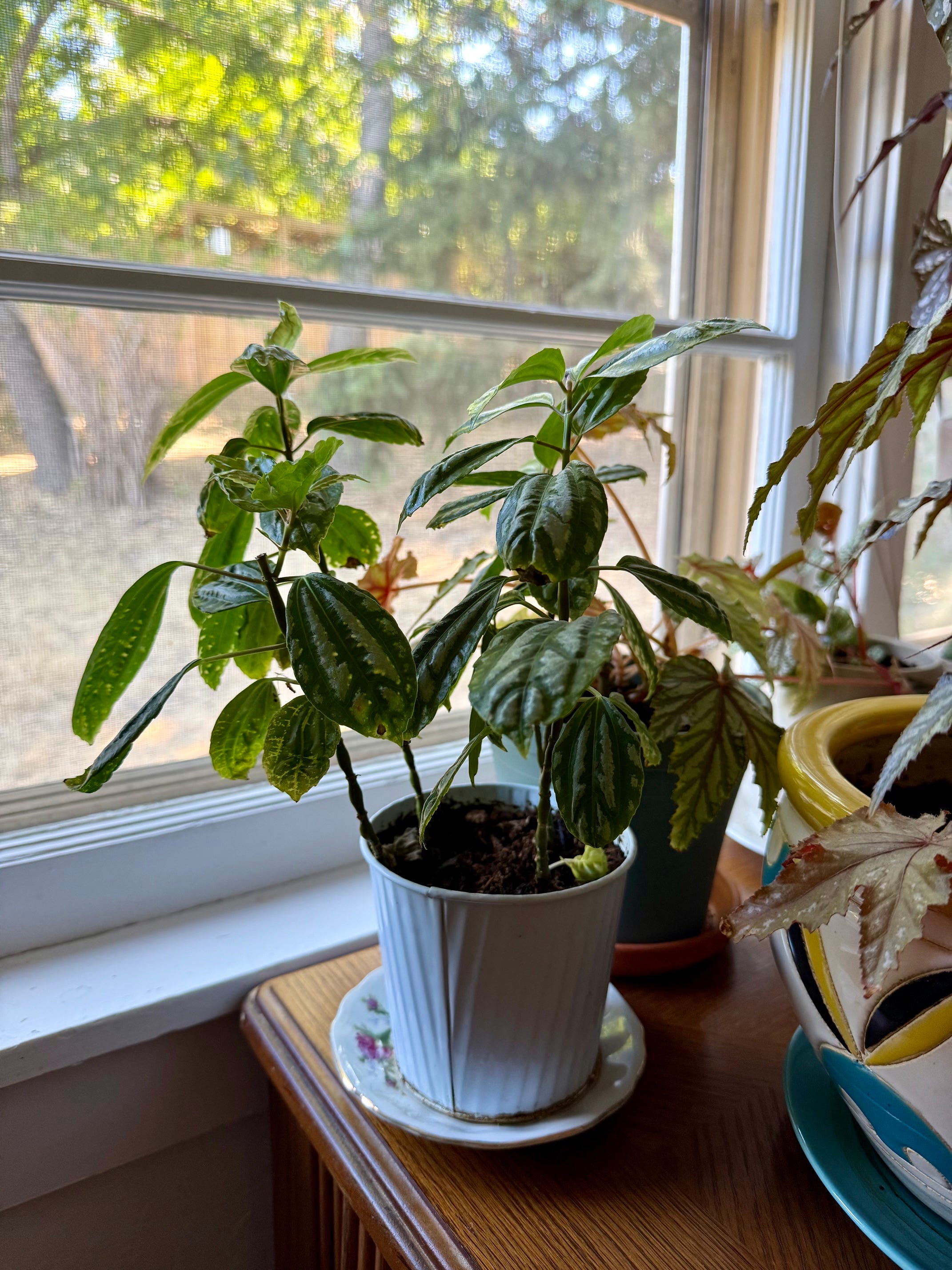
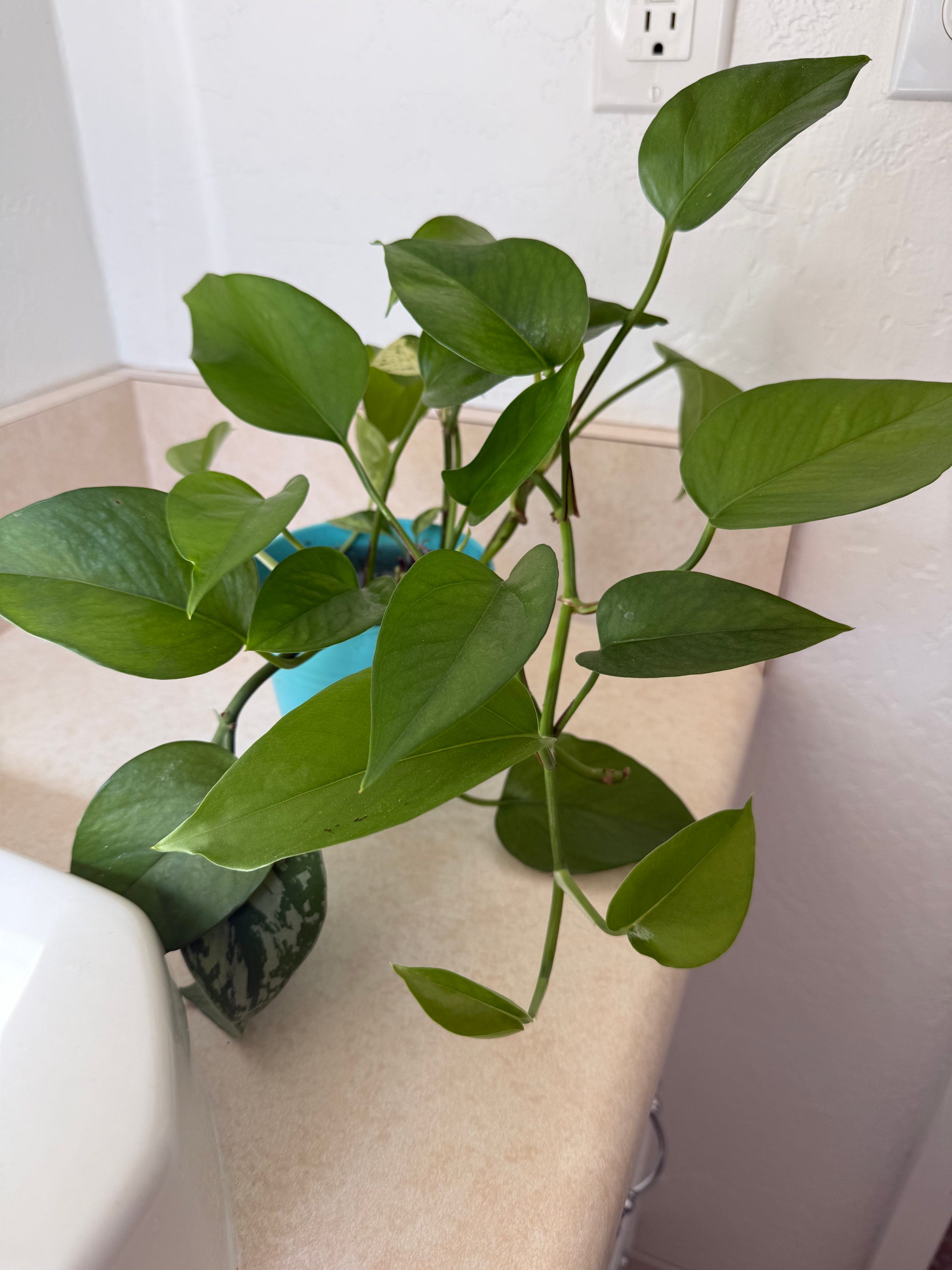
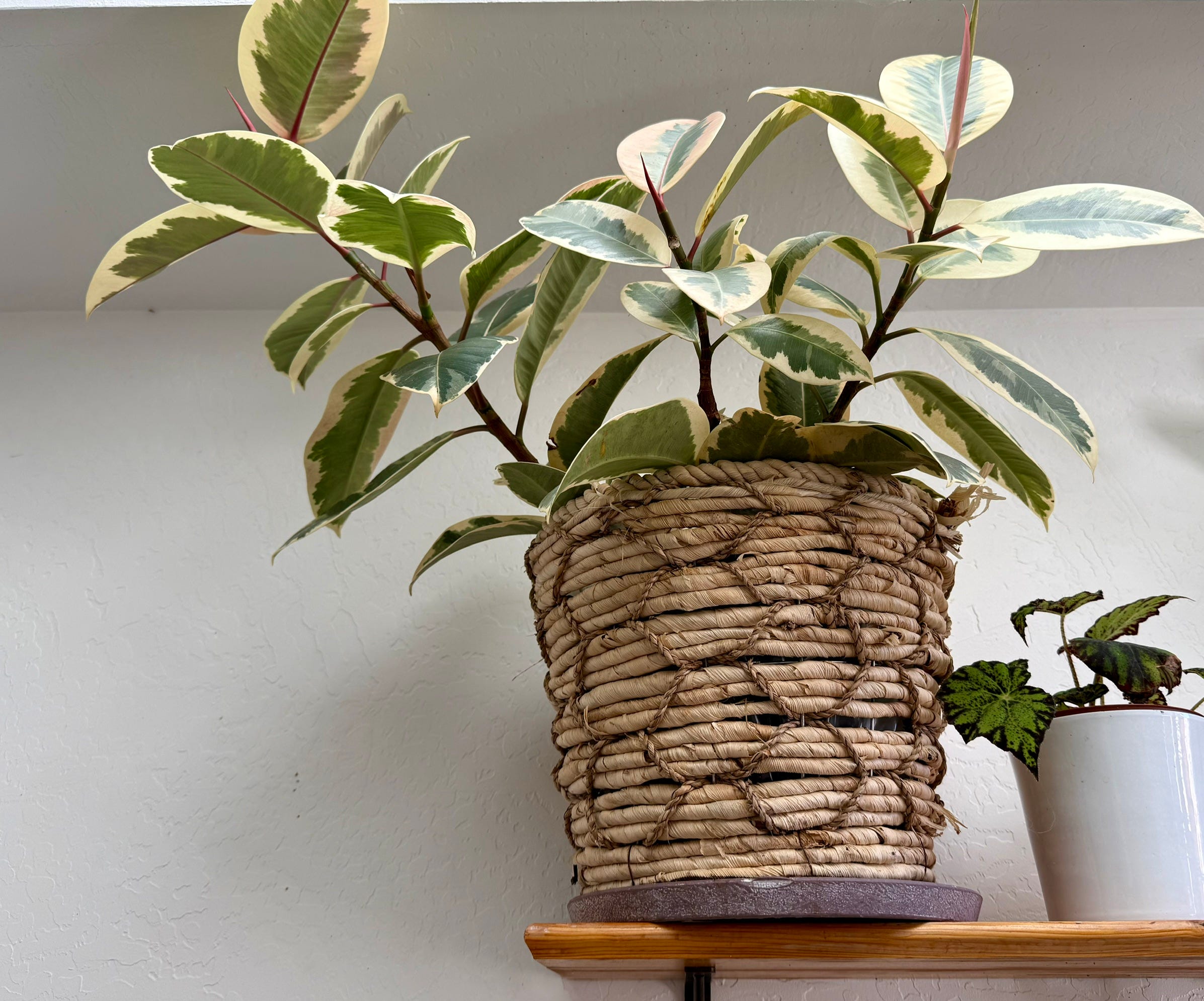
As are spider plants and the common varieties of philodendrons.
These plants all thrive in indirect light, only need watering once a week (depending on the humidity in your home), and can tolerate a fair amount of neglect and under watering.
Just beware: houseplants are health-inducing, happiness-producing, and totally addictive. Once you get started, you may end up becoming a crazy plant lady like me.

Jennifer Margulis, Ph.D., is the proud mama of 83 houseplants, 6 golden doodle puppies (2 of which are still looking for their forever families), 4 children, and 1 ball python. Her readers seem to be most interested in her posts about vaccine safety, medical freedom, and natural health but she’d be happy to be writing exclusively about plants. She earned her B.A. from Cornell University, her M.A. from the University of California at Berkeley, and her Ph.D. from Emory. She’ll be teaching an on-line publicity class for book authors and author wannabes as part of an author bootcamp this month with literary agent Johanna Maaghul, and co-hosting a week-long writing retreat in Tuscany this October, with Anna Bazarnaya, owner of Maitre Verde.
Scientific Reasons to Have Houseplants
Make Your Own Plants, Here’s How
A Hack for Your (Spice) Rack

Comments
Nothing yet. Say the first thing.
Sign in to join the conversation.