
There are different kinds of documentaries I love. One is the kind that shows me a story I knew nothing about and can’t believe isn’t common knowledge - Netflix’s latest “Trust Me: The False Prophet” would fall under that category. The other is the doc that takes a story I thought I knew and reveals new dimensions I had never considered. And that’s what Hulu’s doc “Lilith Fair: Building a Mystery” pulls off beautifully. Even if you aren’t a fan of the music or interested in the history, this story is fascinating, infuriating, and joyous - often all at once.
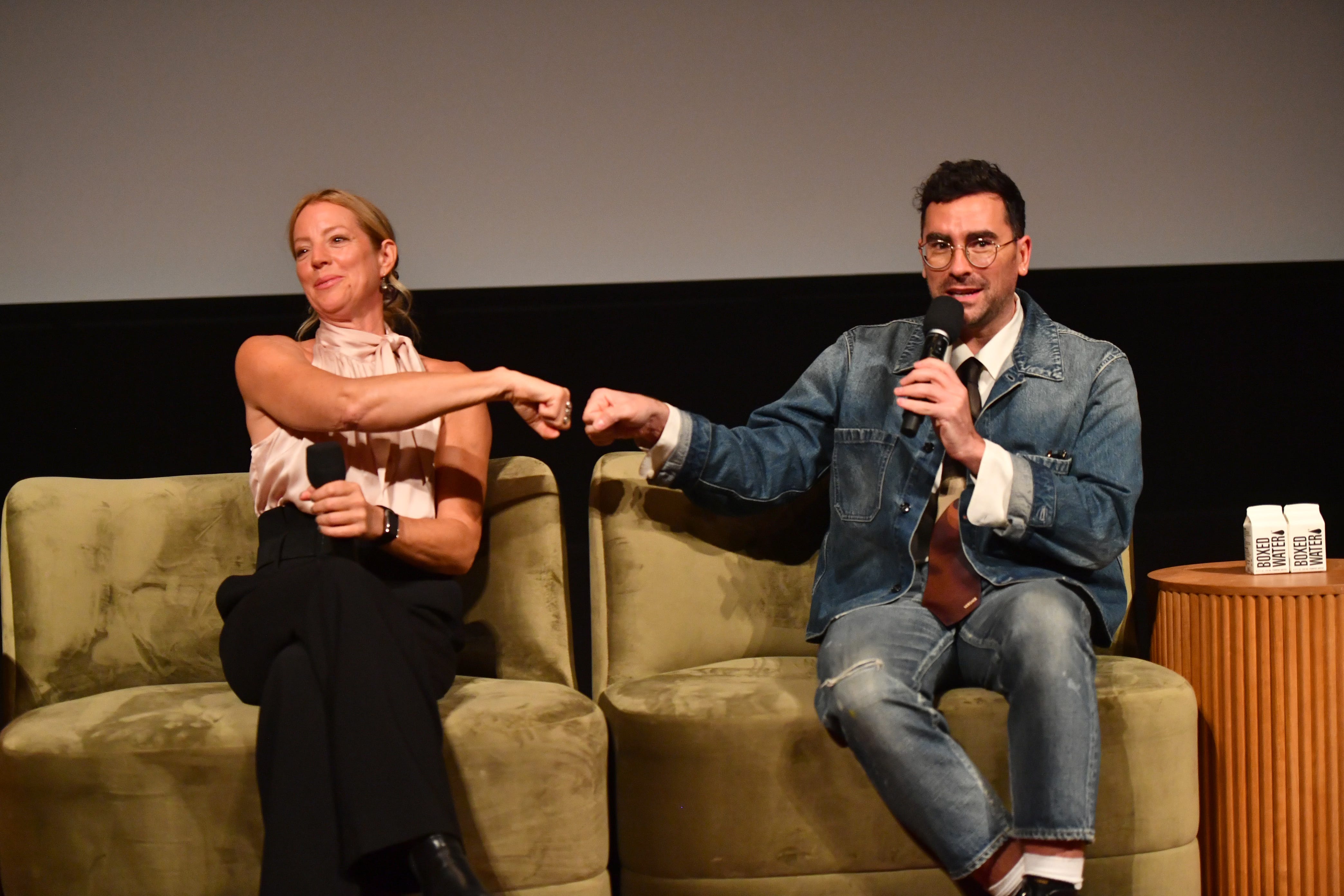
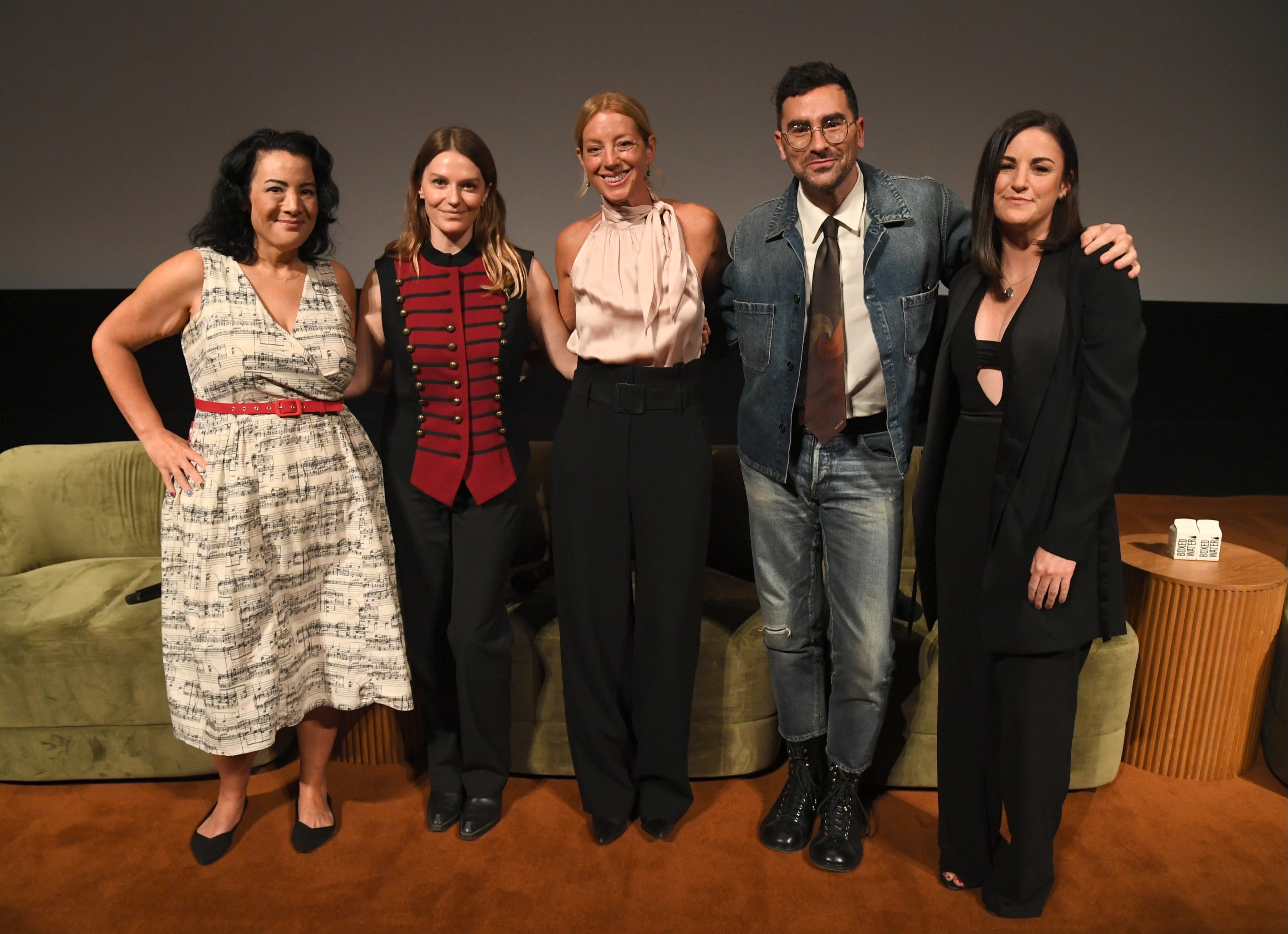
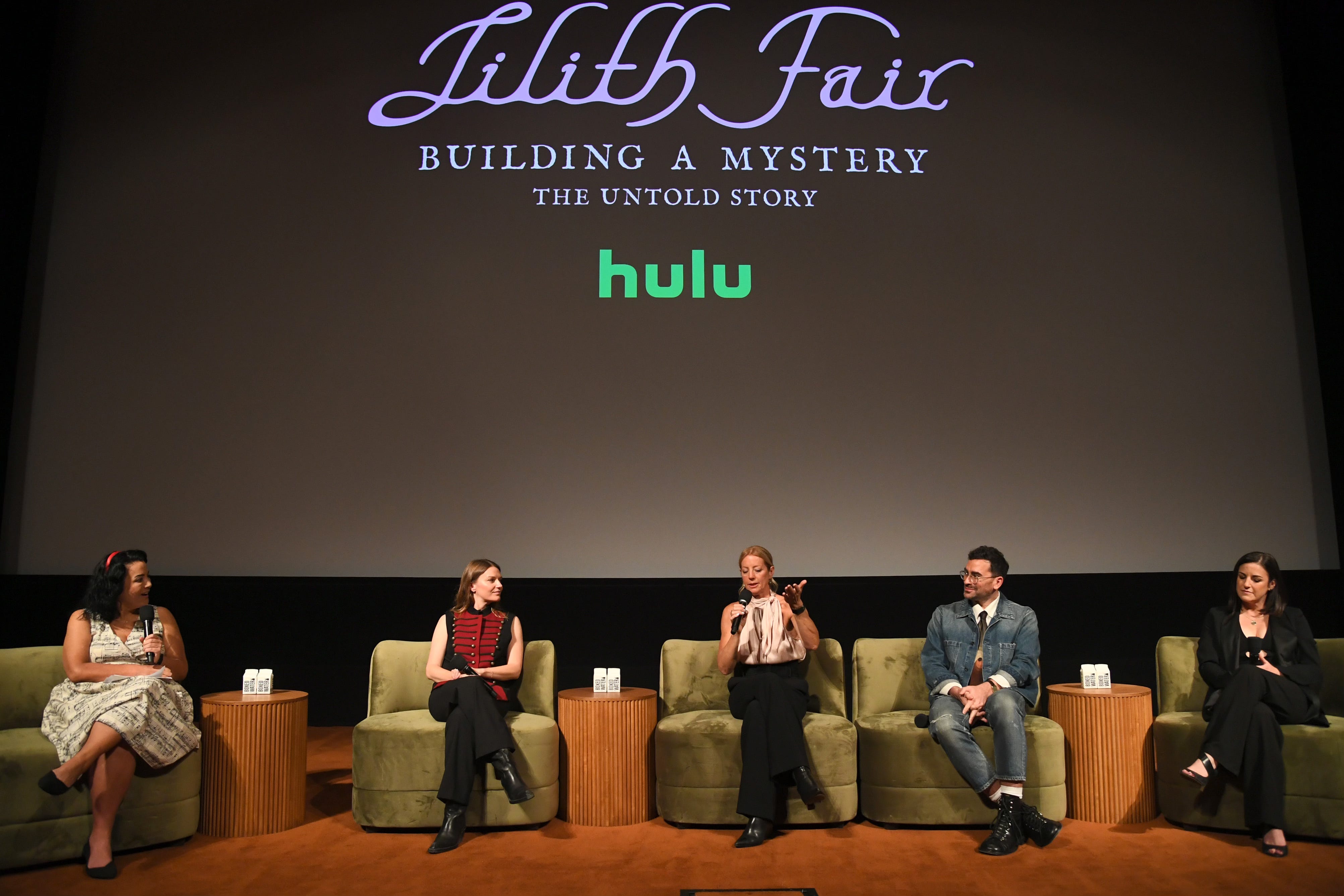
Earlier this week, I had the opportunity to talk to the team behind the doc following a completely packed screening of the film for Emmy voters. I’m guessing the big draw (aside from the awesome food) was the presence of Lilith Fair founder and film subject Sarah McLachlan. And let me tell you, 13-year-old me was freaking out pretty badly - as was current me, if I’m being honest. I was one of those teens who joined the Columbia Record Club solely to get her hands on “Fumbling Towards Ecstasy.” (For the youth, this was a mail-order club that sent you a new CD every month. (Also for the youth, a “record” was a predecessor of the compact disc.)) McLachlan was joined by producer Cassidy Hartmann, director Ally Pankiw, and producer Dan Levy (yes, that Dan Levy) who also appears in the film talking about the impact the music fest had on him as a young, queer man growing up.
I don’t want to spoil too much about the movie, which is now streaming on Hulu, but I remembered Lilith Fair as a beloved event in 1997-99 where female artists came together to perform. And it was that. But what I wasn’t aware of at the time was just what they were up against - as McLachlan noted in the Q&A, this was a time when people said female artists didn’t sell - it was unheard of for a radio station to even play two female artists back-to-back. And I was blissfully unaware of just how poorly these female artists were treated in the media. Again, I’ll let the film unfold for you but suffice to say many outlets were more focused on Paula Cole’s underarm hair than the fact that these women were breaking sales records. Or the accusations that they were “hating” or “excluding” men - a backlash that ever-so-briefly had McLachlan reconsider the format.
Perhaps even worse was the dismissive way many people in the industry talked about the fest. Late-night talk show hosts (a.k.a. white men) used the name Lilith Fair as a shortcut for cheap jokes about lesbians, hippies, and anything else they were dumb enough to consider an insult. In fairness, it wasn’t just men - comedian Sandra Bernhard had a whole rant about the “waifs” performing there. And I only single her out because in a baller move, the festival invited Bernhard to perform at the 1999 festival - and in an even ballsier move, she accepted. The way she admitted her short-sightedness and embraced the spirit - and the fact that they welcomed her - is one of many heartwarming and kickass scenes throughout the film.
That’s the other thing. For every moment that will make you angry (female Grammy nominees being told they had to perform a medley together while the male nominees appeared in solo sets) there’s a lovely, joyful, inspiring scene that will have you smiling through tears. To be honest, I was seriously afraid I would cry in the Q&A and did indeed come close a few times. McLachlan teared up talking about the legacy of the festival at one point and what this film meant to her and I swear if she had lost it, the whole panel would have dissolved. I also saw plenty of teary eyes in the audience. So I loved hearing that Pankiw also cried conducting the interviews. She joked this was wildly unprofessional of her, but I disagree.
By the way, this is Pankiw’s first doc. She’s helmed music videos and some of my favorite TV episodes - “Shrill,” “The Great,” and perhaps most importantly the infamous “Joan Is Awful” episode of “Black Mirror.” That bit of meta commentary starred Annie Murphy as a woman whose life becomes TV fodder and it made me wonder if it led to the connection of Pankiw with Murphy’s “Schitt’s Creek” costar Levy. Probably not - Levy’s passion for the festival and the film was obvious throughout the night - but it was fun to speculate.
Another fun moment came when Hartmann revealed that well into the making of the doc they came across over 600 hours of unseen footage. Which is great on one hand but also meant they had to rethink the entire film. Speaking of which, Hartmann is a wildly talented filmmaker and the co-president of White Horse Pictures, the production company behind “Lilith” and such acclaimed films as “The Bee Gees: How Can You Mend a Broken Heart” and “The Apollo” and it’s no surprise the film looks and sounds great.
And I’m not even a music doc person. But it’s so much more than that so even if you aren’t a fan of the music, you will love this story, unless your heart is made of black coal. And it’s streaming on Hulu so go now and either relive the past or learn about this groundbreaking event for the first time. It’s ultimately an underdog story about how these women were repeatedly told they couldn’t do the very thing they did. Thanks to the hubris of youth and the sisterhood of her fellow artists, McLachlan put together one of the most profitable and iconic musical experiences of all time.
No posts
Comments
Nothing yet. Say the first thing.
Sign in to join the conversation.