
This post was one of your favorites from around this time last year. So I’m pulling it from the archives because apparently, the end of January is when I stare at a blank screen, wondering what the hell to write about.
I could spend the next few weeks guessing what you need from The Skillful Scribbler, or I could just... ask you. (Revolutionary concept, I know.)
So I’ve put together a quick planning session—just a few questions to make it easy for you to tell me what’ll be most helpful. Think of it as us creating a roadmap for 2026 together.
⏰ Takes about 5-7 minutes. Your answers will directly shape what I create, teach, and offer you this year.
And here’s what’s in it for you:
💫 Everyone who completes this gets entered to win one of 10 annual paid subscriptions for 2026. (If you’re already paid, you can extend your subscription or gift it to a fellow author who needs it.)
🎉 I’m also raffling off three $15 Amazon gift cards.
I’ll keep this open through February and will probably bug you about it a few times because I really want to hear from as many of you as possible.
Take the planning session here 👇

Hey Scribbler,
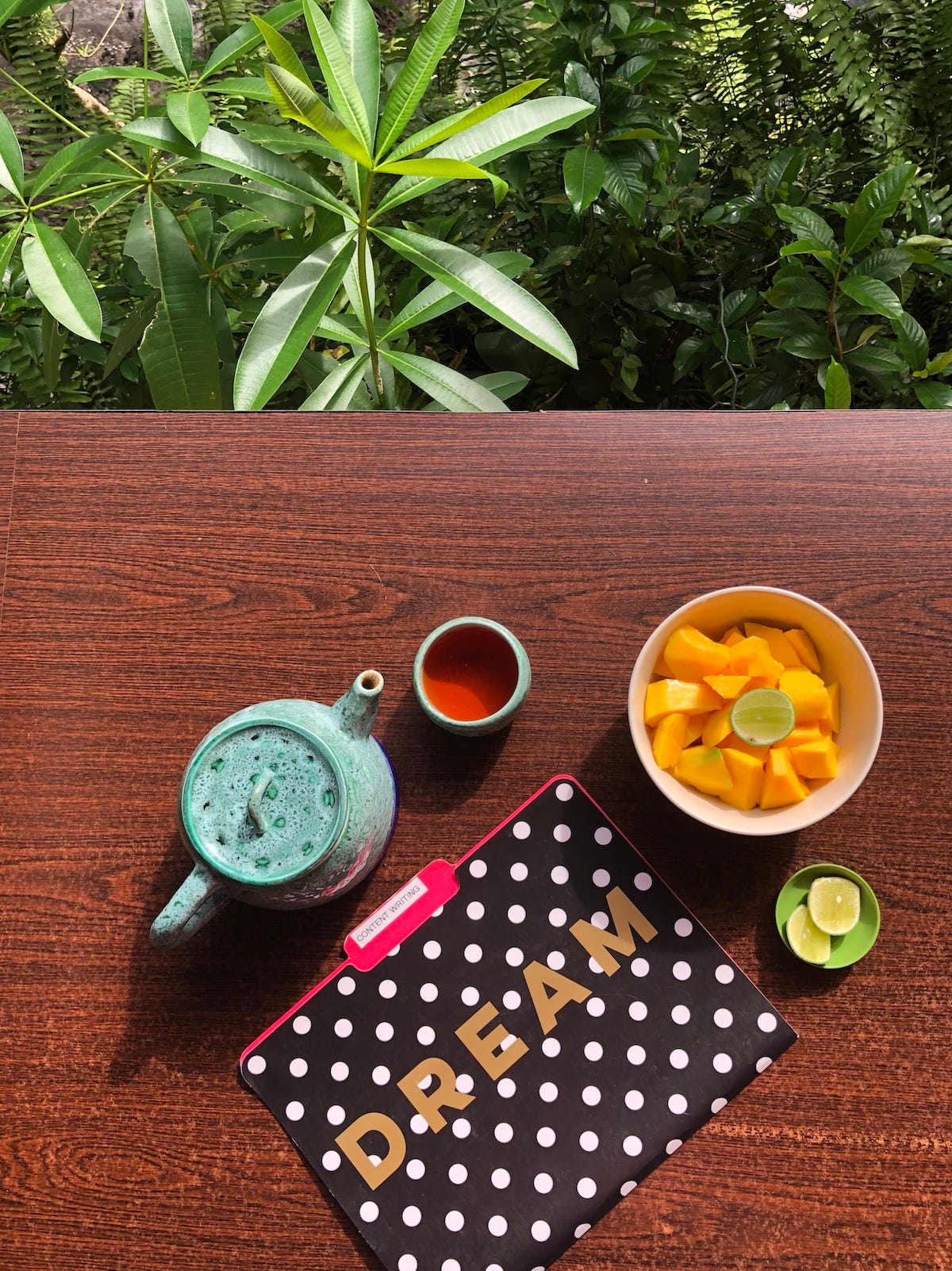
My tea drawer is meant to be a well-curated collection of inspiration, but today it only houses a half-empty tin of English breakfast tea bags. It’s a sad state of affairs. (I keep promising myself to restock.)
Maybe you're in the same boat with your newsletter. Staring at that blank screen, wondering what to say that hasn't already been said.
Last week, I met my friend Chas for tea, and we got to talking about this exact problem. He's a ghostwriter and author, mostly working with nonfiction writers—people with professional expertise who need to share their ideas but don't always know how.
We started brainstorming: How do you come up with newsletter topics when you're deep in writing a book? And what about when you're just writing a newsletter with no book in sight?
Here's a method Chas and I sketched out over the third cup of my favorite Paris tea.
🫖 Here's what might help:
1. Pick a chapter you're currently wrestling with
2. Talk it through as if you're explaining it to an editor – use your phone to record it
3. Get it transcribed (Otter.ai works well)
4. Feed that transcription to an AI tool like Claude or ChatGPT with this prompt:
"Based on my book [title] about [brief description], what newsletter topics could I explore using this material?"
We haven't tested this yet, but the logic is sound. It's like having a brainstorming partner who is bold and full of ideas and never runs out of spiced chai.

Some days, finding ideas feels tricky and messy…but doable. Consider these ideas to keep things moving forward:
Mine Your Daily Life for Ideas ☕
👉🏼 The 'Smallest Possible Story' Trick: Instead of hunting for big ideas like they're perfect tea leaves at the bottom of your cup, zoom in. That weird thing your cat did while you were writing? There's probably a metaphor in there somewhere.
👉🏼 Steal From Yourself: You're constantly leaving breadcrumbs of ideas everywhere: comments on others' posts, emails you've written, and those paragraphs you cut from your last draft. Follow that trail.
👉🏼 Write the Opposite: If you once wrote about the virtues of writing every day, what about the case for strategic breaks? Sometimes, the best ideas are just your old ones wearing a different hat.
👉🏼 Letter to One Reader: Pretend you're writing to that one person who always leaves thoughtful comments. What would you tell them over a delicate cup of sencha, its grassy notes inspiring clarity?
👉🏼 Embrace the 'I Don't Know' Post: Still figuring out your topics for the next few months? Join. The. Club. Sometimes, not having answers is more interesting than having them. Try polling your readers and getting their input.
👉🏼 Conversations That Linger: Which discussions this week kept seeping into your mind after they were over?
👉🏼 Social Media Threads: Those questions in your DMs? They're often seeds for fuller discussions.
👉🏼 Content You Can Steep Again: Repurpose Old Content: Old blog posts, LinkedIn updates, or phone notes are all fair game for a second life. (Case in point: THIS)
👉🏼 Your Media Diet: Books, articles, podcasts—what made you pause mid-sip?
👉🏼 The "Too Small to Matter" File: Those fleeting thoughts you've dismissed? They might be more interesting than you first assumed.
✅ Leaning on Substack Notes: I'm using Notes this year like an idea journal. When a comment makes me think twice, or a conversation gets spicy, I jot it down to try and expand on it later.
✅ Recurring Themes: I rotate through a few reliable topics, like a tea-tasting menu.(Writing routines, book marketing, email, audience building, & self-care.) Each one offers a different flavor of insight, but they're all part of the same collection.

Here are a few ways to mine your manuscript for newsletter ideas:
1. Share the research process behind a particular chapter
2. Write about the questions that led you to write this book
3. Document the unexpected discoveries that changed your book's direction

The key is treating your newsletter not as a preview of your book but as a companion piece that adds value in its own right. Think of it as the writer's notebook beside your manuscript. It’s (usually) filled with observations and discoveries that enrich the story. So open yourself up to possible twists and turns from learning how to get your reader’s input. (That’s the beauty of Substack.)
Remember: Sometimes, the best ideas come from simply writing about why you can't think of anything to write about.
Until next week,


P.S. Remember, I’d love to hear your ideas and send you an Amazon gift card or an annual subscription! So please participate in the planning session here!
Comments
Nothing yet. Say the first thing.
Sign in to join the conversation.