
The morning of my TEDx talk, all I could think about is how much this reminded me of “race day” and how much preparing for it paralleled both training for a triathlon and the work I do in photography.
All require me to put in the foundational work (writing and memorization, training and simulation, learning and practicing) then showing up on talk day / race day / photo session day trusting all I’ve done will get me through any hurdles or obstacles that are out of my control.
There’s a process in athletic training called “tapering”
In sports, tapering is the practice of reducing exercise in the days just before an important competition. Tapering is customary both in endurance sports, such as long-distance running and swimming, and strength sports, such as weightlifting and sprinting.
That’s what it felt like the last week or two leading up to the TEDx event. I started to feel like I was losing the memory work I did for my talk. I was mixing up sections, blanking out on others and starting to panic.
My TEDx speaker coach, Andrea Merrill (who was amazing!) suggested I take a day or two off and then it was light practice until “race day”. The psychological strength needed to taper; whether an athlete, speaker or photographer is real.
The same is true in photography. I’ve learned that over-preparing - bringing every lens, planning every shot, controlling every variable - actually gets in the way of being present. The best sessions happen when I trust my foundation and adapt to what’s actually in front of me.
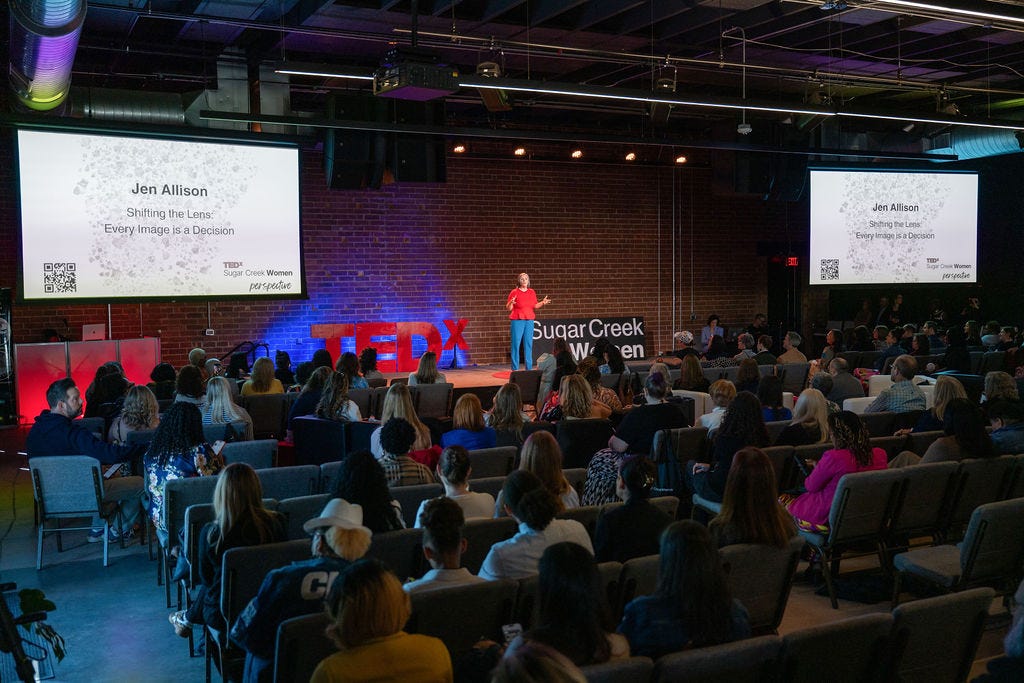
When I first delivered this talk to my fellow speakers in a hotel boardroom in North Carolina, I was exhausted and more emotions surfaced than I was expecting.
Grief about my Dad and the story I lived for years.
Grief about my son’s heart condition and how scared I was for far too long.
Grief about the pain so many of the students I worked with on Debwewin go through every single day.
Grief has been in my life since birth, but we become very intimate 24 years ago when my Dad died. I’ve learned how to be in a relationship with it, and like any relationship, there are always twists and turns.
Jess Ekstrom once shared that when we talk about topics that are tender for us, we should wait until they are in the rear view mirror, not in the car with us.
And I believe that’s why this talk happened now. When I had enough time and space from those tender parts of my life to feel a little softer.
My talk is titled “Shifting the Lens: Every Image is a Decision.” It’s about moving from photography as extraction to photography as relationship and it started when I realized I’d chosen a photo of my one-week-old son crying in pain because I needed the world to see how terrified I was.
That moment taught me: if we keep deciding for young people how they should be seen, we’re not collaborating, we’re extracting. The talk is about teaching young people their stories belong to them, and what changes when we ask “how do you want to be seen?” instead of deciding for them.
I’m not going to lie, a huge reason I wasn’t a ball of shaking trembling nerves on that stage was from all of the scary nerve wracking “hobbies” I’ve had; dropping into skatebowls on rollerskates in my 40’s and starting triathlons.
I remember my first triathlon start was a “holy shit this is actually happening” the moment I jumped into the water, it was on whether I was prepared or not.
I followed portions of the memorization practice that worked for me - this parallels photography. Learning the fundamentals and cherry picking what WORKS for you.
I arrived in North Carolina knowing that it was out of my hands. I really treated it like a race day - you’ve put in all the training, now you have to let go and be flexible with ALL of the unknowns I can’t control.
I did my best to calm my nerves by listening to two meaningful songs, one of which is 7 by William Prince. I danced out my nerves and did box breathing before stepping on that stage to keep my heart rate down.
I thought about all the students I worked with on Debwewin and looked at their images before I stepped out.
I saw my Mom in the audience and felt grounded and supported.
I saw the many coaches who supported us all along the way and felt more at ease.
I saw my OG speaker “coach”, Jess Ekstrom who was fundamental in helping me create Project Mighty Hearts and knew I was exactly where I needed to be.
I was both present, experiencing the moment realizing what was happening AND delivering an idea that I truly believe more people need to consider. I’ve spent my life behind the camera.
Stepping in front of it taught me something I didn’t expect.
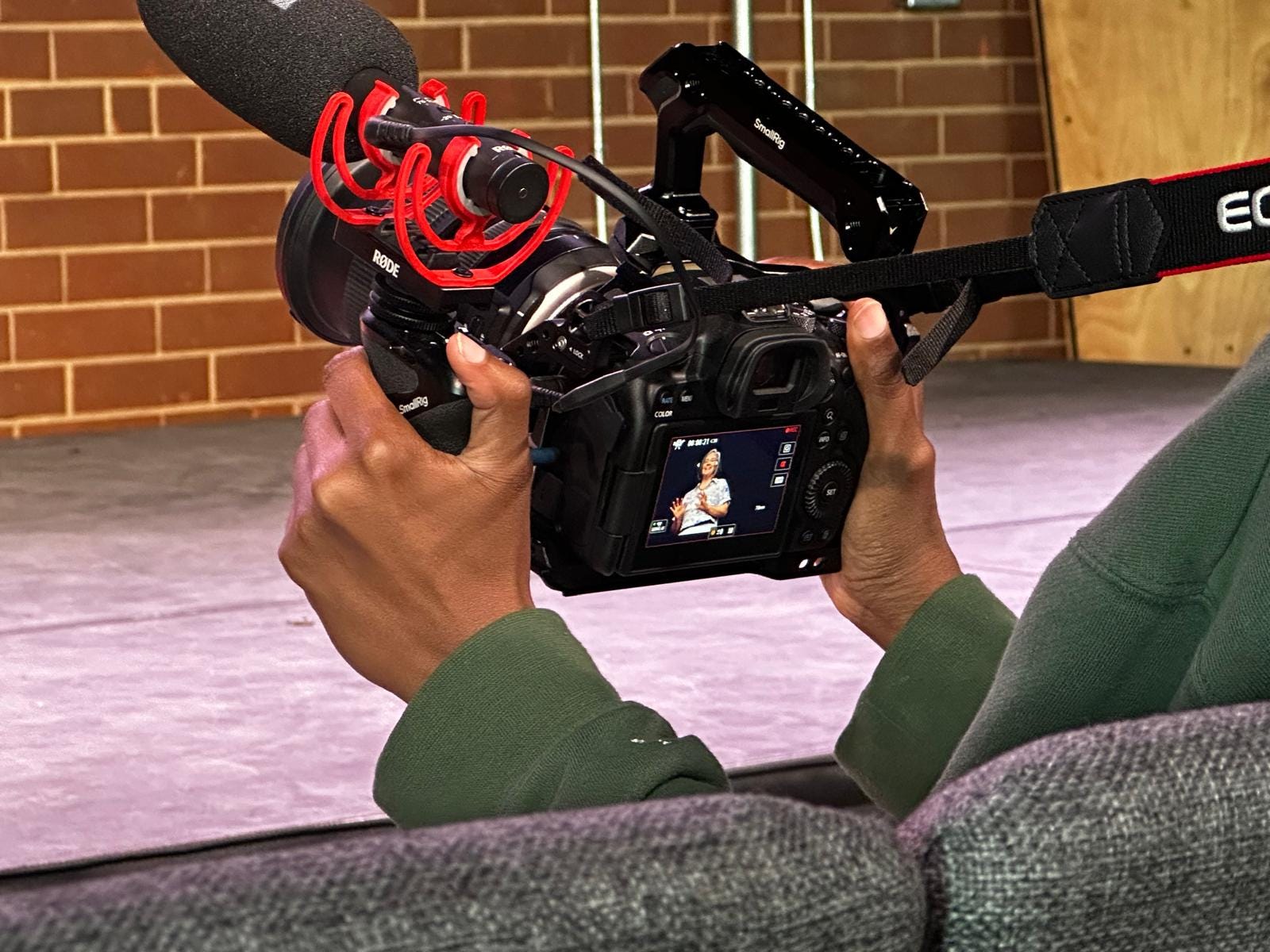
Both photography and speaking are about creating conditions for people to see themselves and their worlds differently.
I didn’t become a speaker and then find something to talk about.
What I didn’t expect: being in front of the camera instead of behind it would teach me that the work was never about the medium.
When have you prepared so thoroughly for something that you had to learn to let go and trust yourself in the moment?
With gratitude,
Jen
P.S. If this landed for you, the part about preparation, or grief, or learning to let go, restack it. Someone in your network might need to read it today.
No posts
Comments
Nothing yet. Say the first thing.
Sign in to join the conversation.