
To “Vaguebook” is to post a social media post minus critical content. often minus any sort of proper nouns. "
”This is a post to you know who. You know what you did. And you know that I know. And you’re going to have to deal with it.”
I understand why someone mighty angrily post that — hey, I’m mad at Blake, I’m going to call Blake out, but I’m holding it together so I won’t actually name or tag Blake. #maturity
But to everyone else reading, there’s no good way to respond. if you ask what this is about., you’re being a snoop and should mind your own business. if you don’t respond, well, clearly this was an act of attention-getting by a friend, and you’re being as bad friend by not helping out. How hard is adding a heart?
But if you add a heart, what are you hearting? Is the poster upset with her sibling, her So, her electrician, her neighbor? You know nothing about nothing; could be she’s the one in the wrong. (“I’m being sued for quote-unquote ‘driving drunk’ in a quote-unquote ‘school zone’ and quote-unquote ‘hitting a crossing guard’. Tell me I did nothing wrong, my people!”)
Having set the table, I’m going to vaguebook a bit.
I’m working on a new writing project, and in person I’ll tell you about but in print it seems too soon. The person I’m writing about, a historical figure who’s long dead, wrote a memoir. Lots of other people have written about this person.
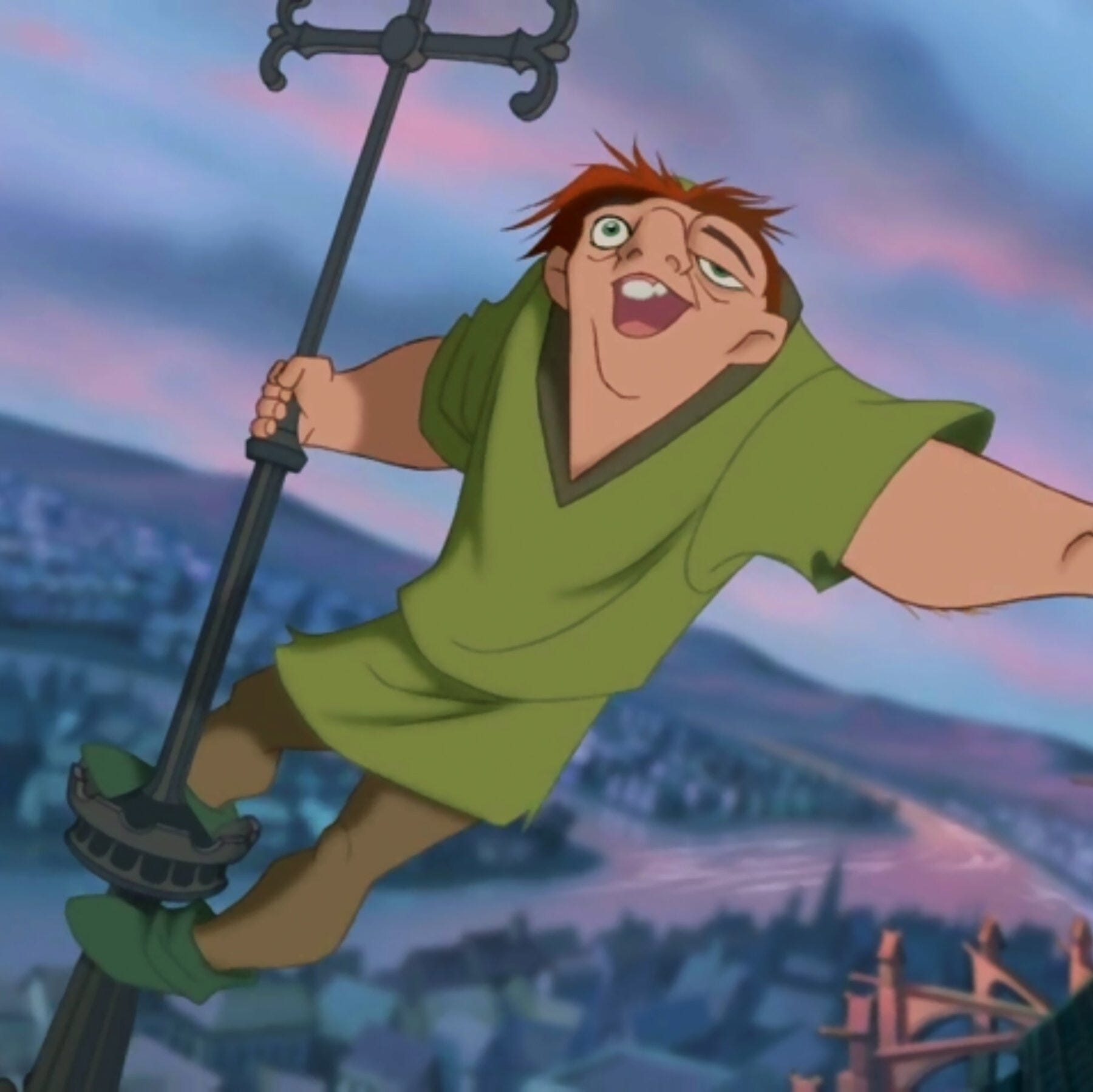
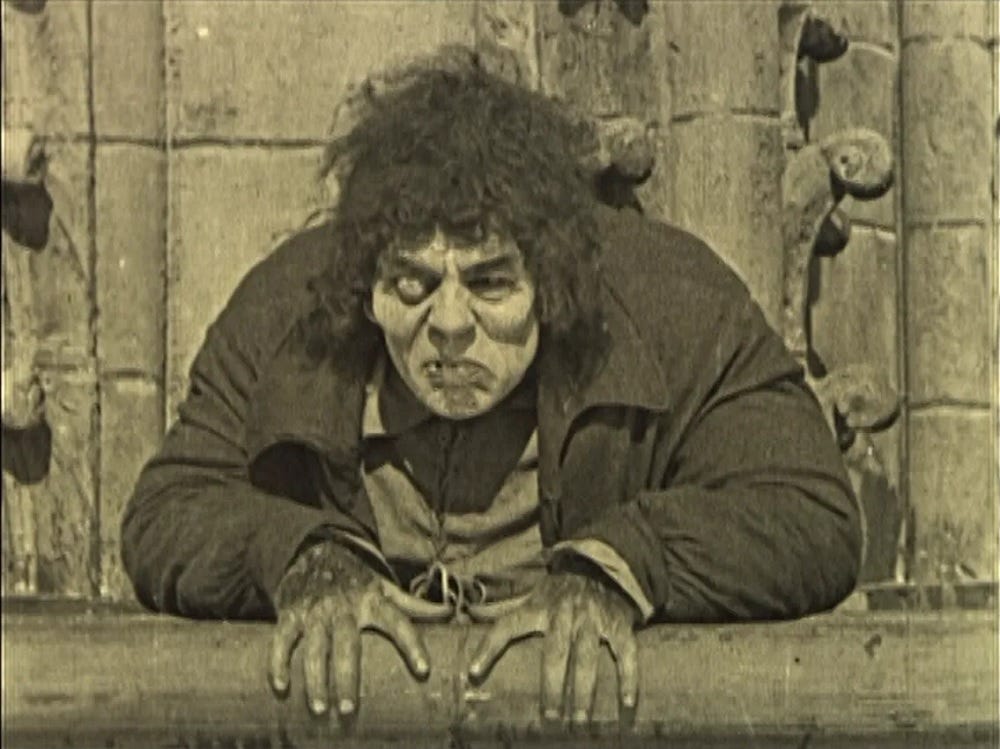
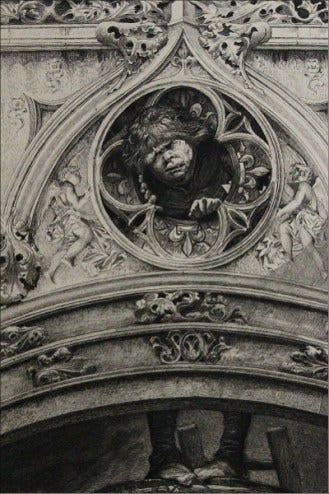
Idea! For purposes of avoiding vaguebooking, let’s say I’m writing a book about…Quasimodo. And that I guess that Quasimodo was a real guy who wrote a memoir: I’VE GOT A HUNCH: QUASI SPEAKS!
I got to hear the great Ron Chernow speak: he write the Hamilton biography that Lin-Manuel Miranda turned into Hamilton the musical. Chernow said there are two types of biographers, the ones who begin by reading “all the other biographies” of the subjects, and the ones who dive right into the source material first.
There are advantages to both. If you dive into the original material first, you miss learning a whole lot of basic facts about the subject and end up re0discovering them for yourself. “Wow, three years into researching Abraham Lincoln, and this guy got himself reelected during the Civil War! Amazing, what a scoop! I bet no one knows! Now to take a big sip of water and read what Honest Abe thought of Our American Cousin…”
But if you read everything BUT the core material first, you may miss the forest for the trees. Read 10,000 pages about the Emancipation Proclamation, and you may think that’s the only thing Lincoln did, instead of one small action during his administration.
There’s no right or wrong choice, Chernow said. It comes down to what sort of a person you are. He starts with the other biographies, so he read up on Alexander Hamilton before he went to source materials.
That was bolstering to hear, since I do that too. I want to know the hivemind thoughts about a person, what they said in the 1990s and before that the 1970s and before that that 1950s. And keep going back, and at the end, I want to actually see what the actual person actually said.
So after the better part of a year reading about Quasimodo, I’m finally cracking open I’VE GOT A HUNCH: QUASI SPEAKS!
And it’s not quite what I expected!
For one thing, it’s better. I’d heard stories it was rushed, it was a hack job, it was dictated, it was ghostwritten, it was heavy-handedly edited, etc. But I’m not seeing that: This is a better book than others on the shelves at the same time.
For another, there are entire pages that no biographer has ever quoted, never bothered to mention. Those are the pages of gossip and name-dropping. It’s inevitable to back up that you live an interesting life by mentioning your famous friends. (For the record, I only heard Ron Chernow speak: never talked to him. I don’t think that’s name-dropping any more than saying “I saw Mookie Betts play at Dodger Stadium” counts as being friends with Mookie Betts.)
These name-dropped names are no longer famous names. At the time, they were only famous to a few. Biographies are way more interested in the subject that all the various people they had a few moments of conversation with, or at best a good anecdote.
And for as long as the average biography is, most could easily be double or triple the length. Writing a book like this is all about what to exclude, how to reduce a life to a few hundred pages without losing any of the important part of their existence. Everyone cuts differently: that’s why every year there’s a new George Washington book. The UNABRDIGED HIS EXCELLENCY would be like 7000 pages long: every extant fact, in chrological order. Every biographer basically reads through it and applies a different set of highlights for their own modest 400-page cutdown version of the full pile of facts.
Keeping that highlight analogy going, reading through QUASI SPEAKS, I find passages just drenched with highlighter fluid. Everyone has quoted them. I’ll probably follow the herd and quote that segment as well!
There are other sections with only a single color of highlighter. Every biography but one thought this section wasn’t worth carrying forward.
And there are some bits still bone white from the paper, where no one, not one single person, has carried that fact or story or anecdote or tidbit forward from the past to the present. And I can see why, often. Maybe it’s hard to quote without quoting in full, which would take two pages. It’s repetitive. It’s out of character. It’s untrue. It’s grinding an axe no one cares about anymore. Its uninteresting. Or, more often, it’s an interesting part of someone else’s life, not Quasimodo’s.
I still get a little thrill when I read or discover new stuff about, er, Quasimodo. But I’m at the tail end of my research, where I kind of don’t want to learn anything new! The story I want to tell is pretty much set. I can amend it if/when I learn new things. But if I learn anything too new — Quasimodo was in the Travelling Wilburys? — that’s going to require a decently big rewrite job.
Here endeth the Vaguebook.
SPIDER-MAN OF THE WEEK
In honor of the behind-the-scenes peek, a bit of a behind-the-scenes week.
Here’s the rare non-Stan Lee cameo in a comic book film. John Romita Jr (left) and Mark Millar (right) are the artist and writer of the Kick-Ass comics books, and they cameoed (in stupid costumes) for the film of Kick-Ass 2.

SUPER MARIO OF THE WEEK
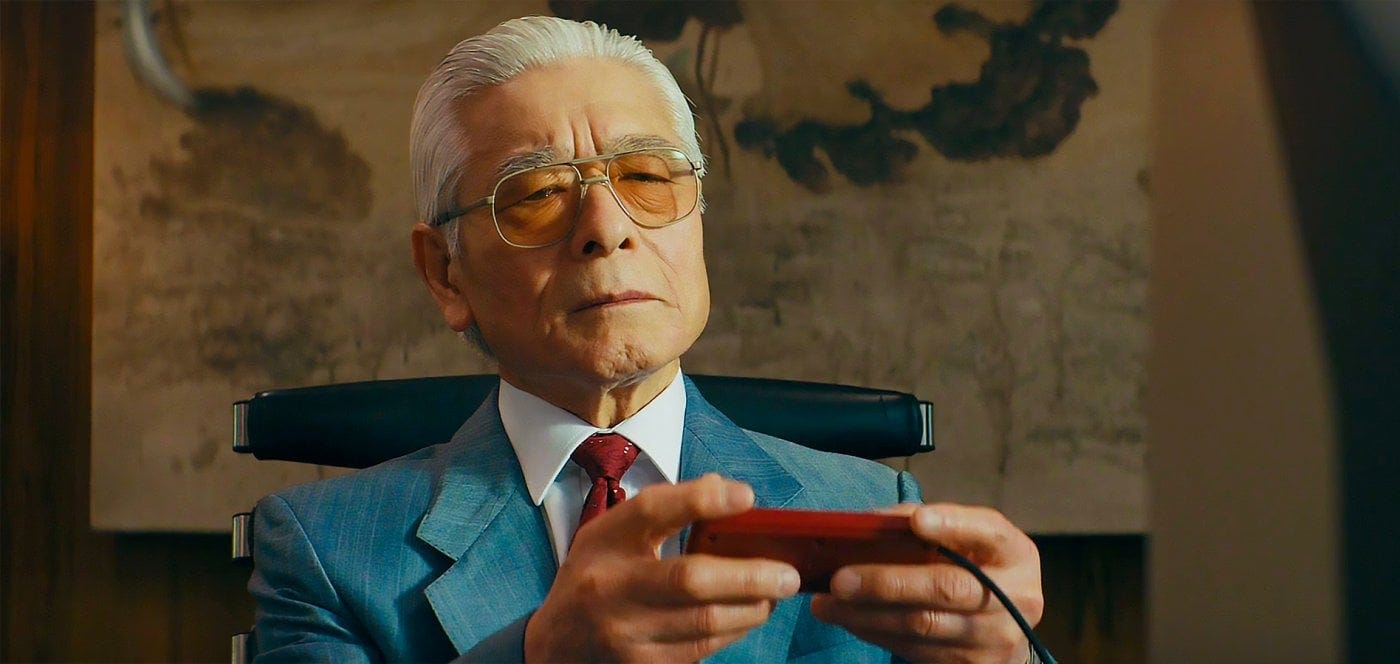
From the movie Tetris, Japanese acting legend Toro Igawa plays Nintendo president Hiroshi Yamauchi.
MICKEY MOUSE OF THE WEEK
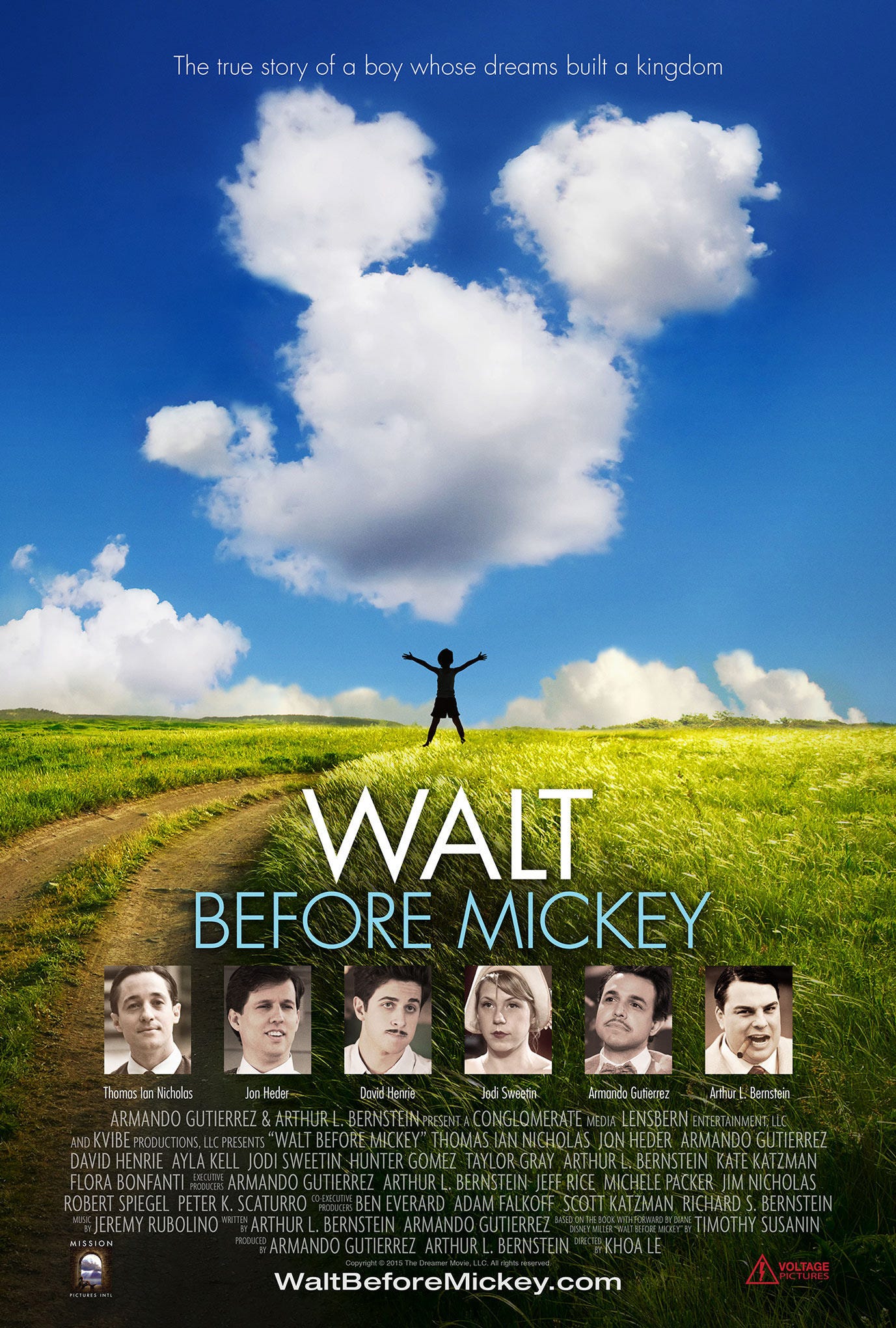
I’ve never seen this movie, about the young Walt Disney. Thomas Ian Nichols plays Walt.
PRINCESS LEIA OF THE WEEK
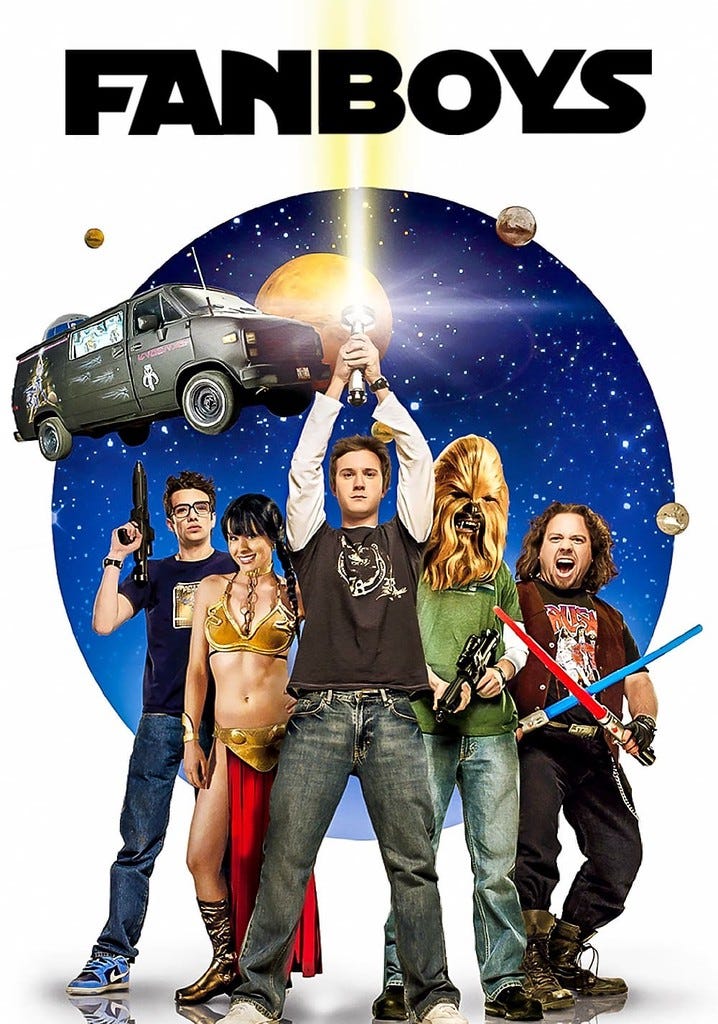
I have seen this movie, with Kristen Bell as a Princess Leia fan. Bonus trivia: FANBOYS is a way of remembering the names of the seven main conjunctions: For, And, Nor, But, Or, Yet, So.
UPCOMING APPEARANCES
NOSTALGIA CON: SECAUCUS, NJ — July 10-12
PUNK RUNK FLEA MARKET: EDISON, NJ — July 25
ANIME NYC: NEW YORK, NY— August 27-30
Comments
Nothing yet. Say the first thing.
Sign in to join the conversation.