
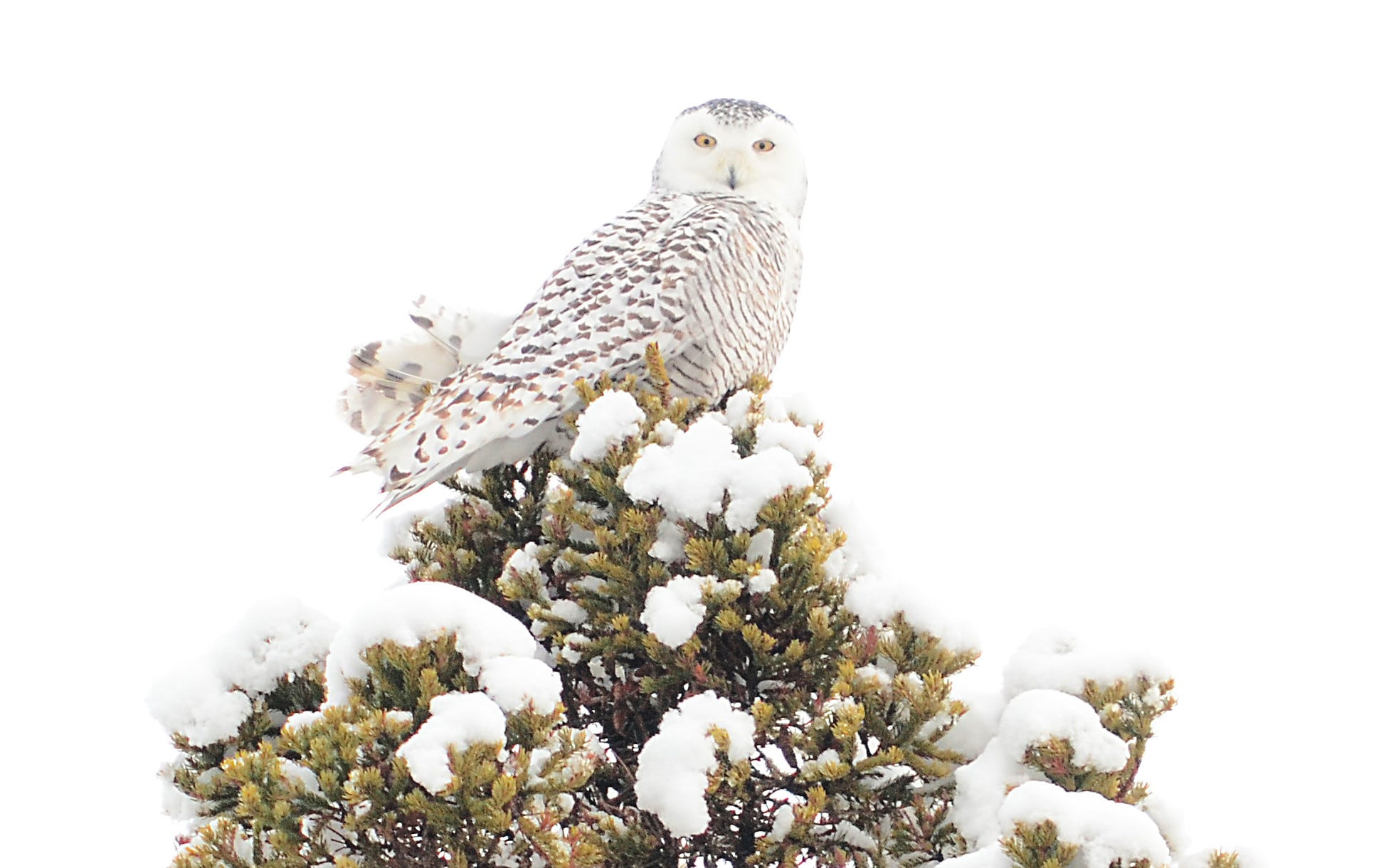
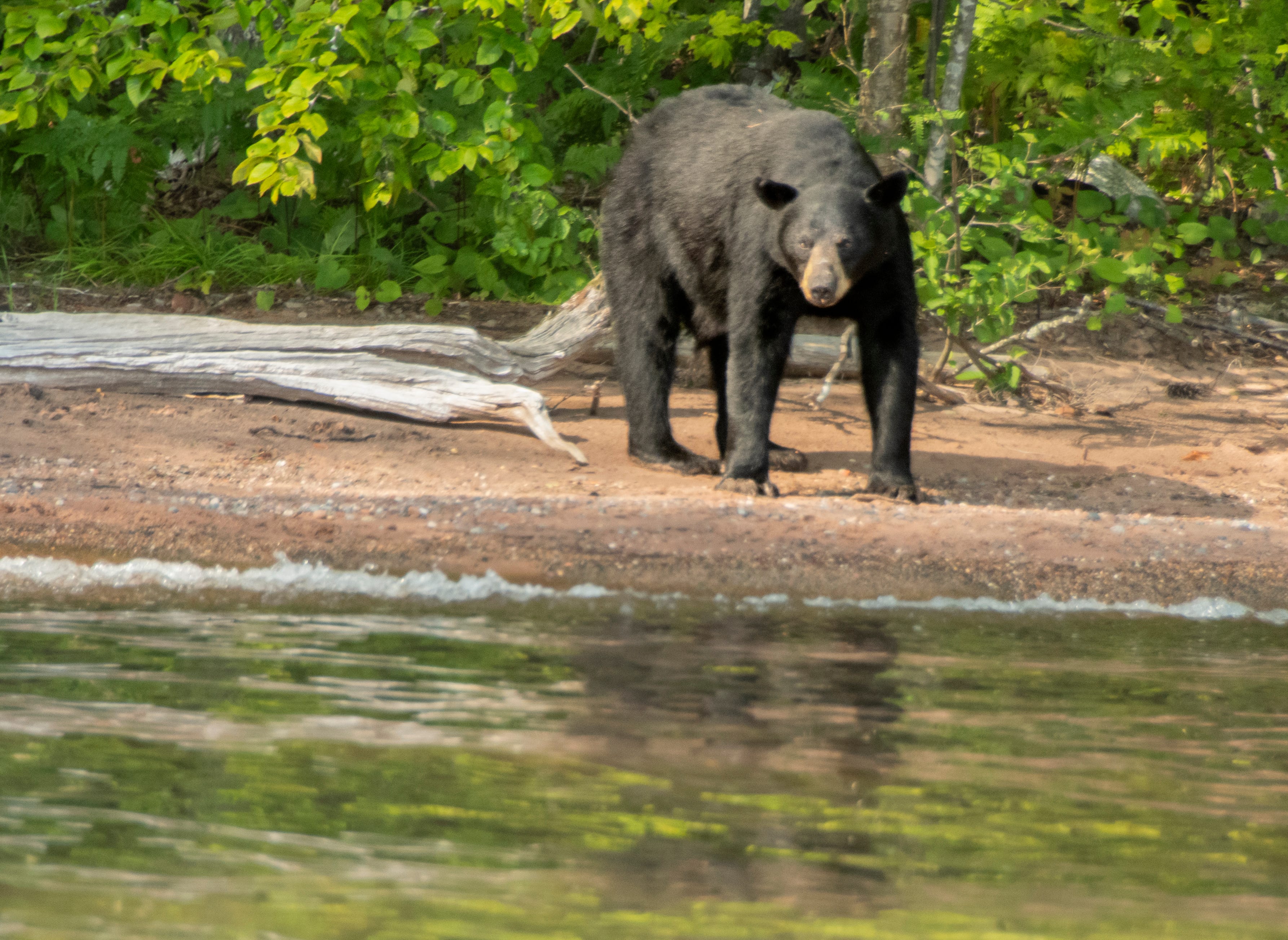
A jolt of electricity, straight to the deepest core of my being. That is what it feels like the moment the bear and I lock eyes across an all-too-small distance. Moments ago, we had been enjoying a picnic on a small strip of Oak Island sand, three of us, a dog, a small shade tent, a cornucopia of snacks, and the empty endless horizon of a summer day.
Suddenly, those horizons are not so empty. A bear materializes straight out of the brush, a dark apparition seemingly woven into existance at that very instant out of shadows and silence. And now, that apparition and I are locked in a staring match wondering what will happen next.
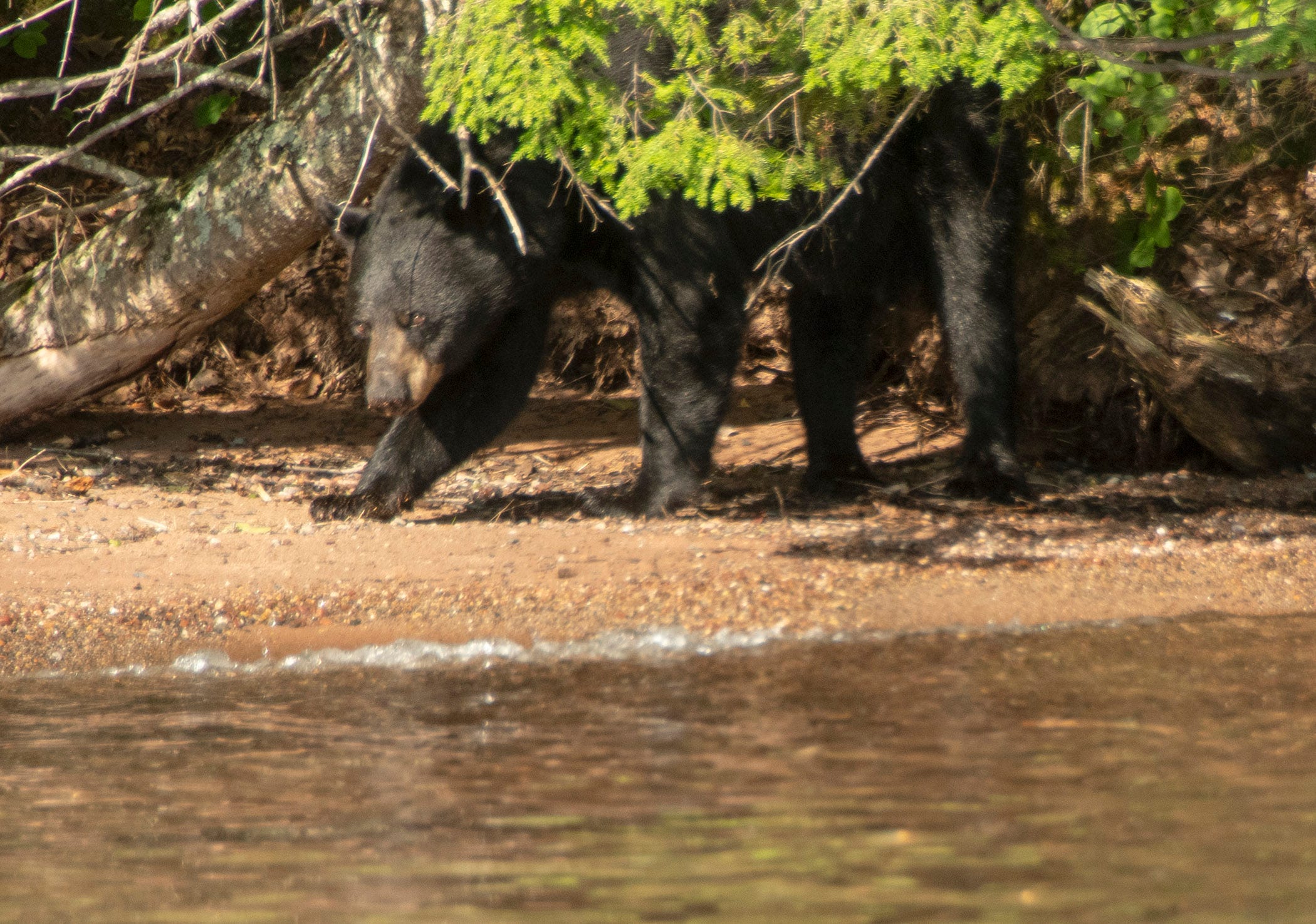
Of everything I remember about that moment, it is the eyes that haunt me most. No one who has ever caught the gaze of wild eyes in the beam of a flashlight on a dark backcountry night or turned suddenly to feel the weight of an animal’s stare, can forget the chill it sends up the spine. Part of it may lie in the instinctive jolt of prey caught in the snare of a predator’s stare. But, it also goes deeper than that - a realization of the immensity of the gulf that lies between what the eyes of that creature may be seeing and what your own human eyes are telling you.
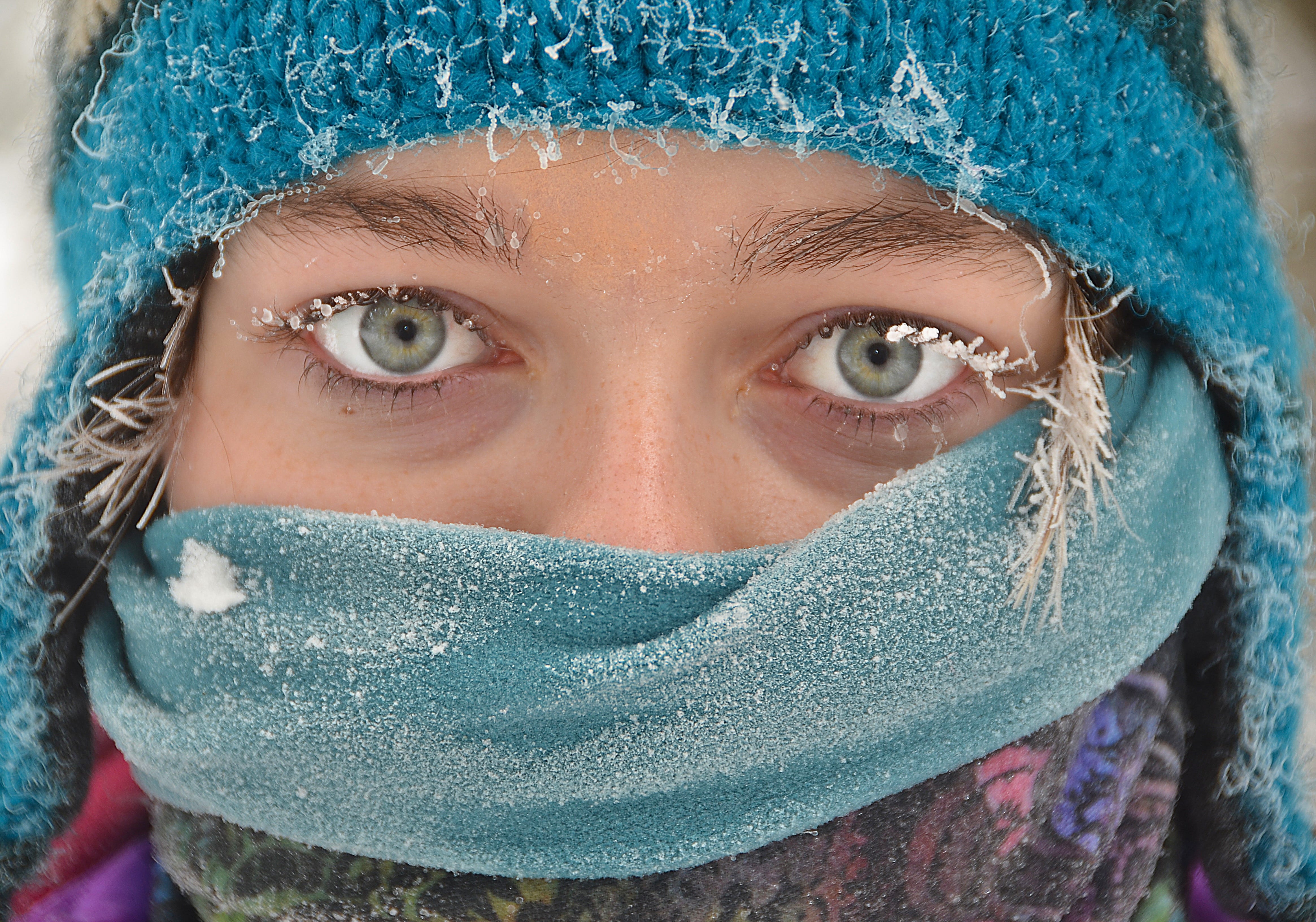
As beautiful and fascinating as human eyes can be, a gulf of visual perception separates us from most of the rest of the animal world. In our customary arrogance, we often make the mistake of assuming that things in this world are exactly as we see them — leaves are green, the night is a place of total blackness, the horizons are invisible with distance. Yet things are not always as they appear to us. It is another world behind wild eyes.
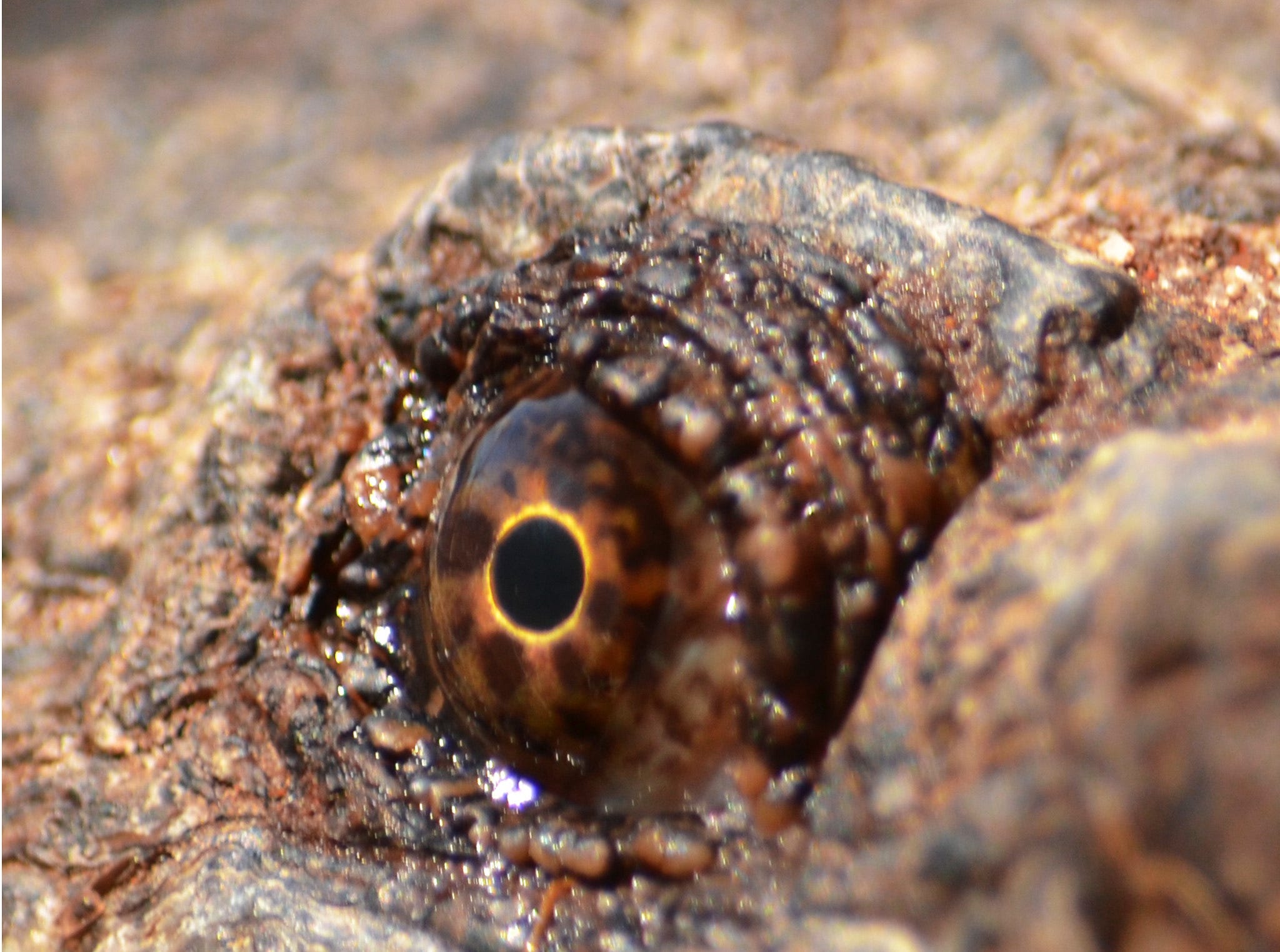
Just as natural selection has sharpened the talon and claw to a razor’s edge, each species has honed its vision to focus on that part of the world that is most useful to its continued survival, often at the expense of other ways of seeing. We see what is most important to us. We are often all-but blind to what is not. Reality, like beauty, it seems, is also in the eye of the beholder.
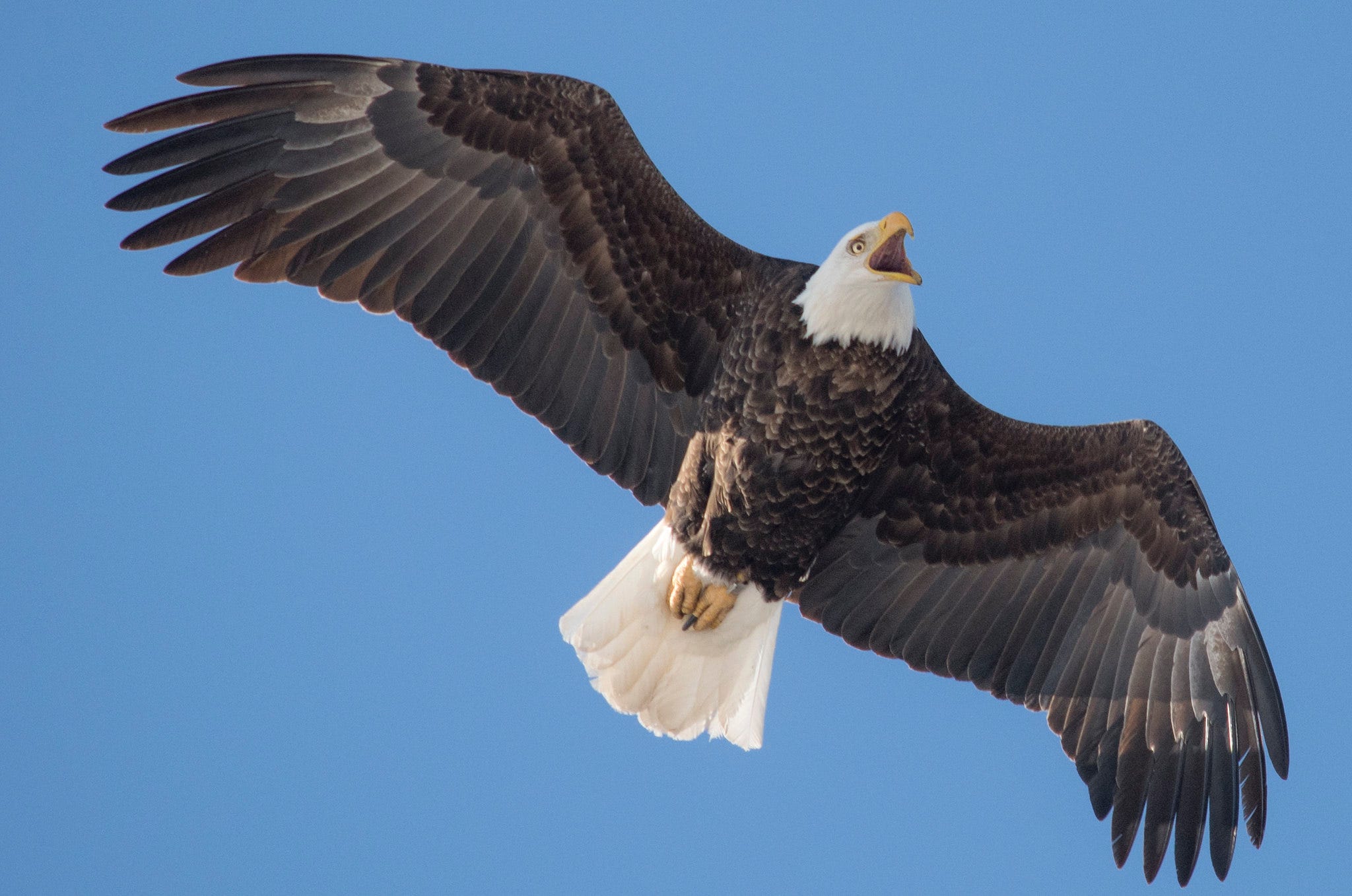
Take your pocketknife and set it on the ground. Back up until the knife is just at the limits of your vision. Multiply that distance by eight. An eagle could see the inscription on the blade from that mutliplied distance. Two miles up in the sky, it could watch you looking around in the grass for your now lost knife. Hummingbirds and some bee species could see colors in the patch of wildflowers where that knife is hidden that humans do not even have words for. Many species of birds could swoop down and snatch that knife out from beneath those wildflowers long after you have given up searching for it in the growing darkness.
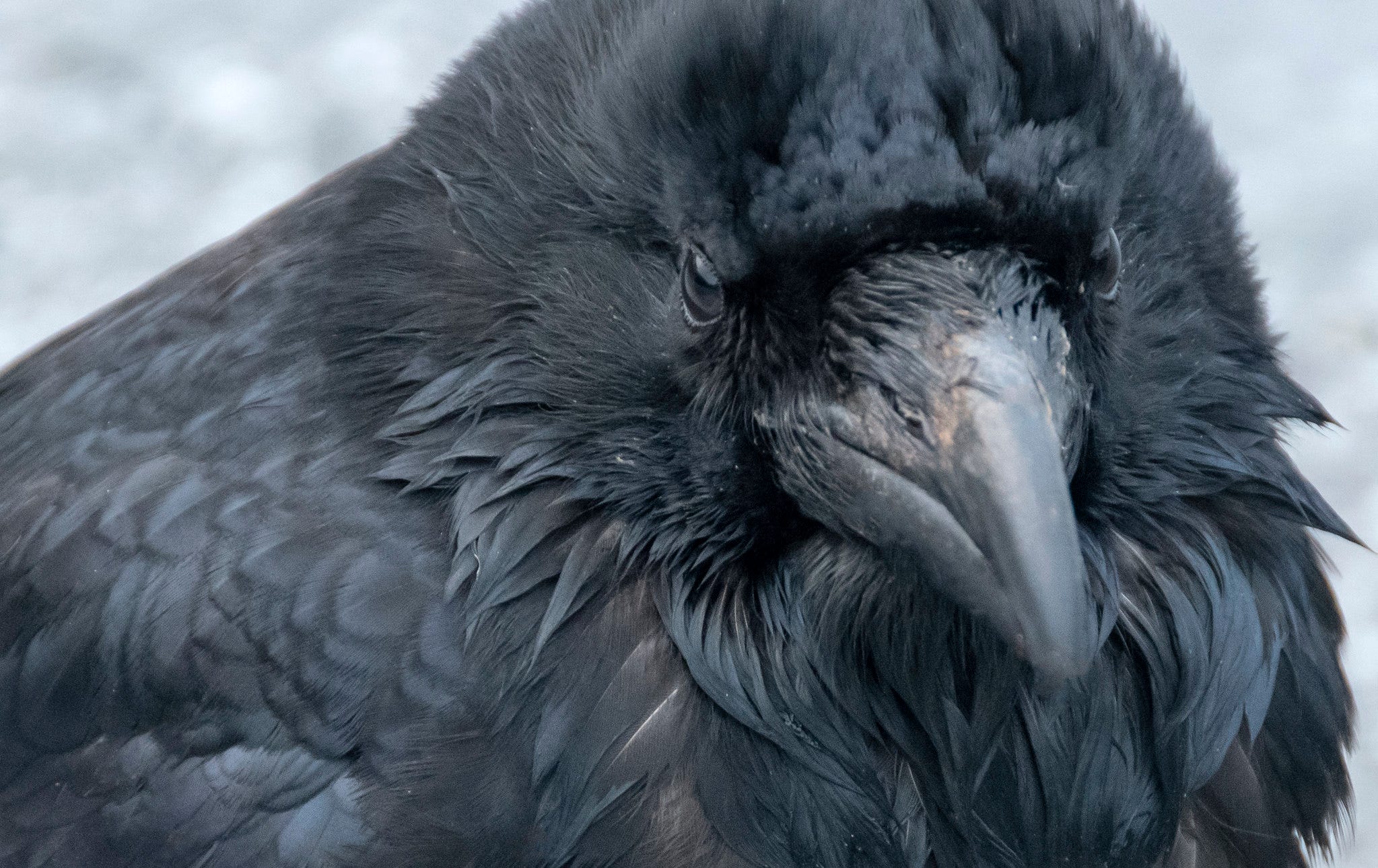
The examples are myriad — some species of desert rabbits with their wide-set eyes see an almost 180-degree panorama view of the world, snakes “see” in a kind of thermal imaging, dogs in black-and-white, wolf spiders in a kind of fun house carnival of mirrors through their eight sets of eyes. What we see with our two relatively small, close-set eyes, is, it seems, a minority view at best, as if gazing through a tiny crack of what is possible for non-human species.
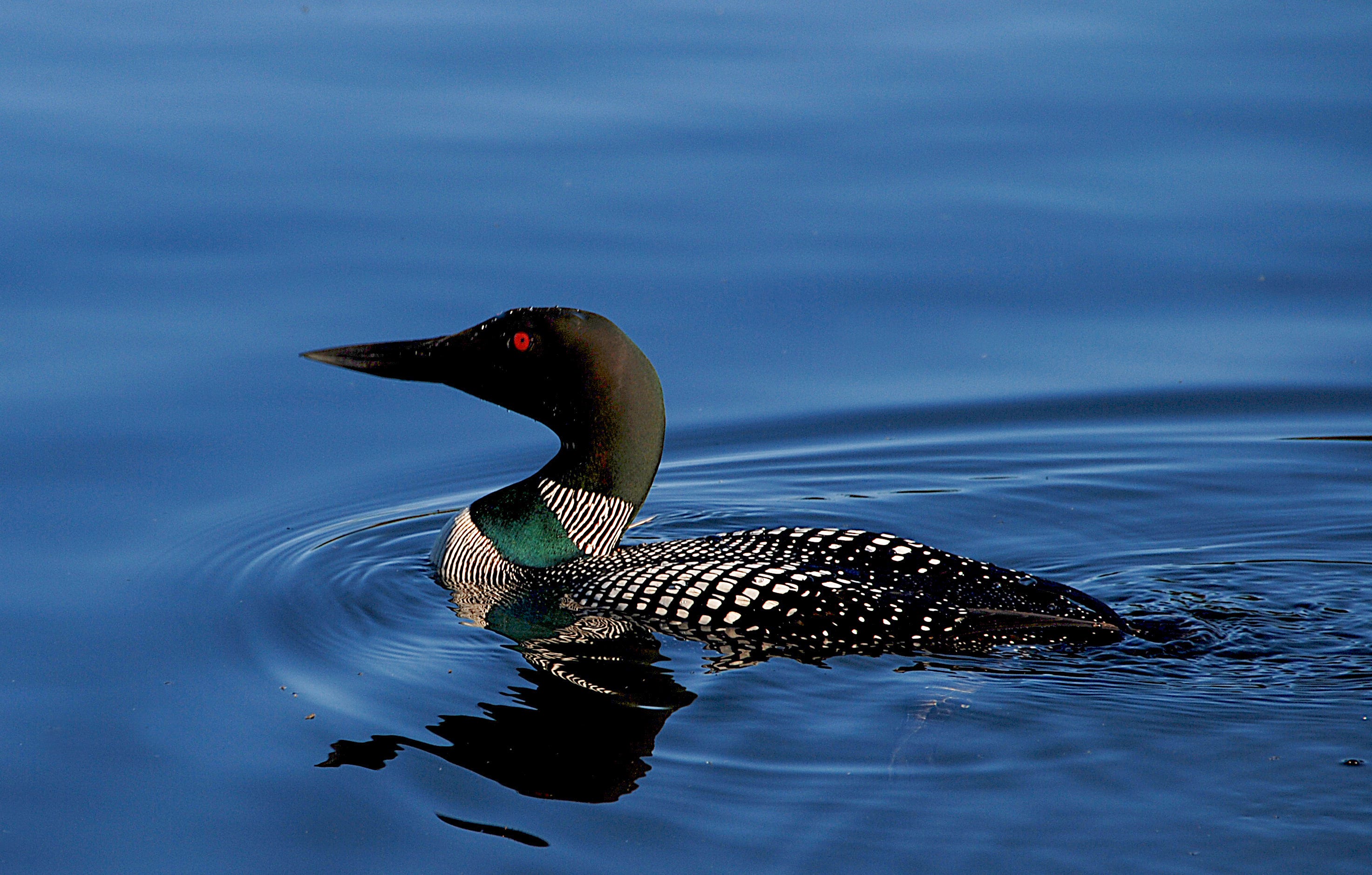
What does a full moon look like through a wolf’s eyes? What does the red eye of a loon see in the underwater universe lit with the shooting stars of minnows scattering?
If we could view the universe through other wild eyes, we would be witness to a stranger, more challenging, and perhaps even more beautiful world than our limited point of view shows us now. Such a glimpse, even a momentary one, would lend a new understanding and perhaps a greater appreciation for the creatures we share the world with, literally a new and different viewpoint.
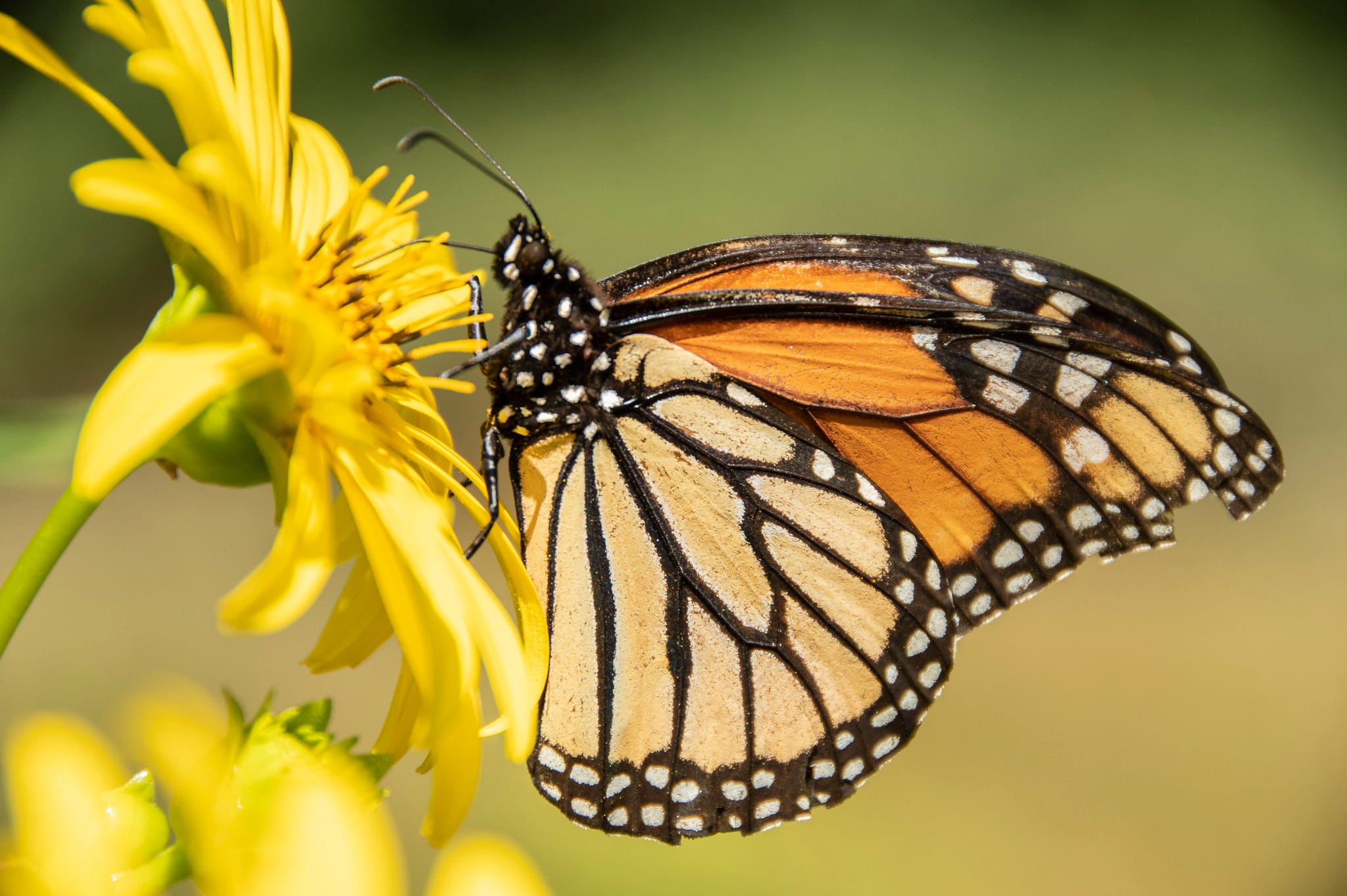
It would be a fascinating glimpse but, in the end, only a trick. Our eyes can do many wonderful things — see the light of a star millions of light years away, distinguish the varied hues of a rainbow, untangle the colors of swirling waters on a windy day on the lakeshore - but for better or worse, we humans will always be prisoners of our own skulls. We will never know the dark kingdom of the owl or the nearly 360-degree mosiac view of the world seen by the compound eyes of a monarch butterfly.
Nor, as much as I may wish I could, I will never know exactly what that black bear sees as it steps out of the shadows on a nameless stretch of sand on Oak Island, its beady eyes blinking in the sunlight, reaching out silently across the now growing distance as three people and a dog push off their boat from shore.
— Jeff Rennicke (all photography by the author unless otherwise noted).
Comments
Nothing yet. Say the first thing.
Sign in to join the conversation.