
Without a mindset shift, you risk repeating the same thing without even realizing it’s a problem.
Talking with an addicted family member can trigger an impulse to explain your intention, defend your position, or retaliate. The trigger puts your nervous system into fight mode, and before you know it, you’re going head-to-head with addiction.
Only you can notice the impulse in your body.

As Viktor Frankl noted, “in the gap between an impulse and response is where you have power to make a new choice.”
Miss this gap and risk letting addiction continue to lead you into an argument. Catch it, and your choices expand.

Traditional methods for families to address the addiction of a member have been to confront addiction’s rigid black-and-white thinking.
As Albert Einstein noted, “problems cannot be solved using the same way of thinking that created them.”
Going head-to-head with addiction does one of two things:
Keeps you and your addicted loved one on opposite sides of the problem
Increase the potential for unsolved conflicts to continue
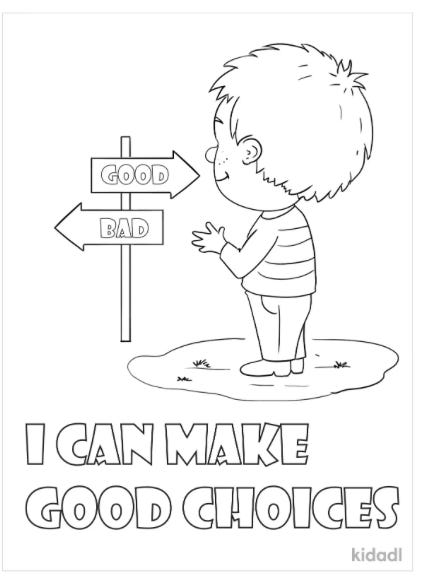
#1: You can do nothing, which enables your addicted family member to do nothing to change. As an example, “keep scrolling”.
#2: You can make a conscious, deliberate choice to make a change.
#3: You can have someone with experience coach you to best coach your addicted family member to explore a new perspective on living their life.
Assuming you agree that choice #1 fuels the problem, let’s look at the other two.
It’s a good idea to think for yourself and make your own decisions.
So, if #2 is your first choice, clarify one situation and use the 3 mindset shifts to apply the suggestions yourself.
If you’re like most people, you’ll try one thing. It won’t work the way you’d like, and you’ll go back to the thinking you’ve repeated. Guaranteed.
I guarantee it because this is how the mind works.
First, you react the same way over and over, which forms a pathway in your brain.
Second, how you think about what you’ve tried in the past reinforces the pathway.
Trying something new once will not change that pathway in the brain. It takes repetition.
Make an appointment with me for a free coaching session.
You access my support so you can decide what’s best for your immediate situation.
The common dilemma when you think about a problem is that you only have two choices. I guarantee there is at least a third choice.
You choose. Also, you decide if my coaching is helpful to you.
If your choice empowers you now and in the future, you know you’ve made the right choice.
Subscribe to this Substack. Read other articles.
Leave a comment, or better yet, schedule a time to share with me how these articles impact your own thinking about addiction in the family.
Let me know where I can speak with a group you know about.
Pass this to someone with addiction in their family.
No posts
Comments
Nothing yet. Say the first thing.
Sign in to join the conversation.