
I am a little Howard Hughes about the sun. After I’d spent my early years desperately trying to tan with maybe an SPF 4 for protection, my stepfather died of melanoma in my early twenties. From there on out, I rolled down my sleeves, wrapped my limbs in towels, and sat squarely under the umbrella.
Being a beauty editor enabled me to all but swim in sunscreen, too. Beauty editors spend lots of time talking to dermatologists—the people who try to fix the brown spots, redness, sagging skin, wrinkles, and other damage we all insist on inflicting on ourselves—and if ever I forgot that I needed to be constantly swimming in sunscreen, a dermatologist reminded me. Compare the skin on your butt to the skin on the back of your hands if you’re not quite understanding the whole sun-damage thing, goes the spot-on dermatologist advice. (If anything, the comparison will quickly convince your to carry sunscreen in your bag so you can smooth it on the backs of your hands whenever you wash them.

I still swim in sunscreen, but slowly, I’ve relaxed my Howard-Hughes-ness just a bit; I’ve come to agree that we do all need the sun. It’s probably not just vitamin D. Everything in moderation, as the world reminds us unceasingly (and not terribly successfully).
So I go through a lot of sunscreen. Only mineral-only (the kind that’s harder to rub in) for reasons I will cover below. The sunscreen-industrial-complex insists that the only way to ensure “compliance”—to get people to wear sunscreen at all—is to use chemical sunscreens, because they’re easier to blend into your skin. The fact that they’re often bad for your health, for you skin specifically, and for the environment, never mind, at least you’re putting it on.
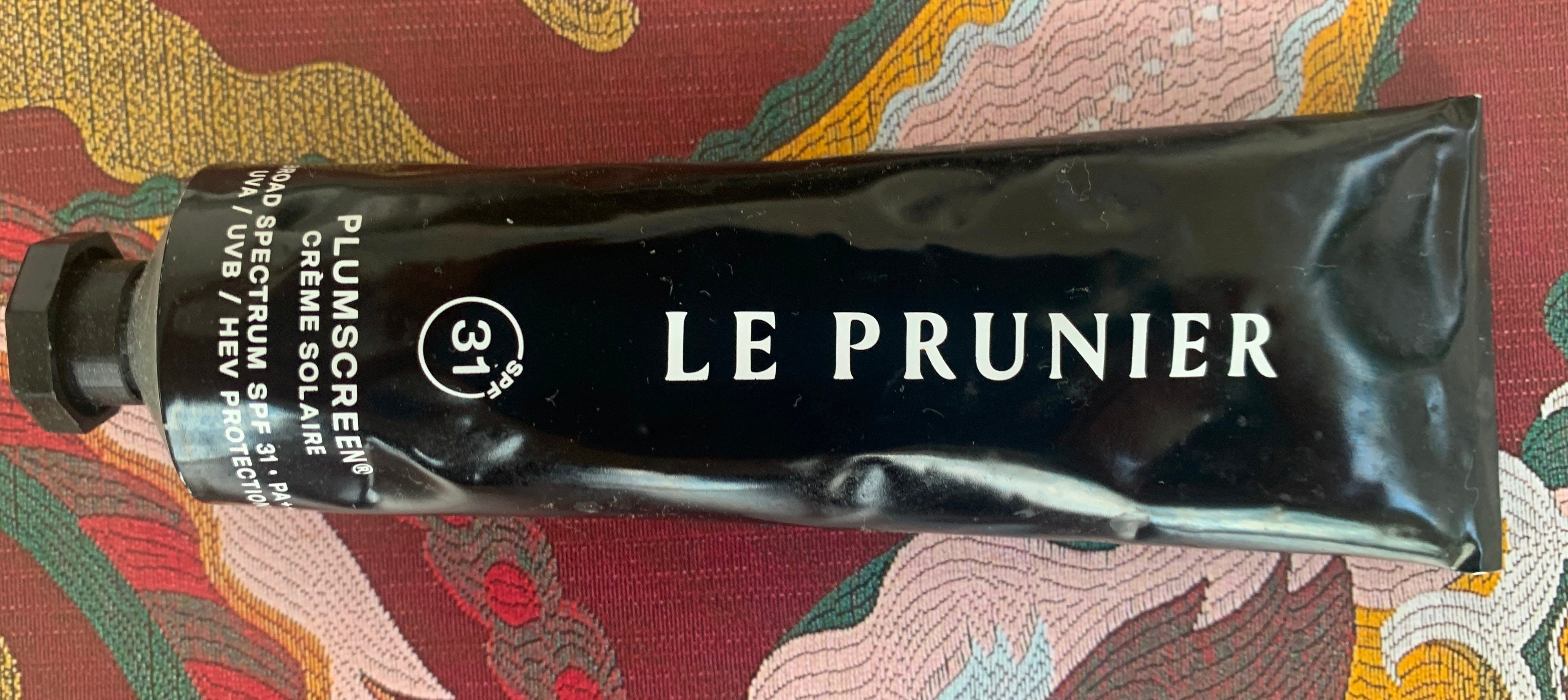
I disagree. The very best way to ensure compliance is to deliver chicness and glamour: a gorgeous tube you love pulling out of your bag, a nice scent, a luxe, lush formula.
The pool routine at a very fancy Hamptons house with a very fancy pool made a permanent impression on me long ago: along with the plush towels that were unrolled over the chaises each morning, multiple tubes of luxurious sunscreens were distributed over the side tables. It’s no chore to reapply a sunscreen from a glamorous tube—it’s just not.
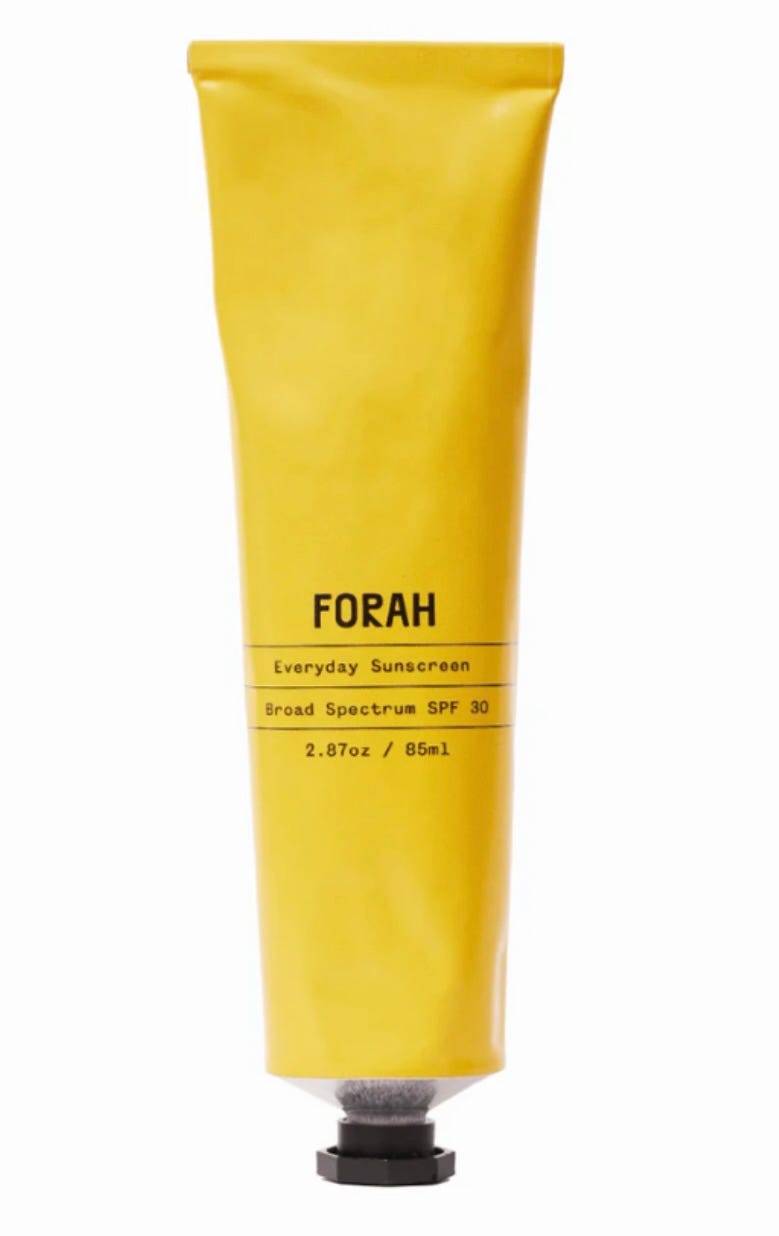
All the sunscreens I like are mineral-only; this is not goop-woo-woo-MAHA-adjacent hysteria. I still speak to plenty of dermatologists, and nearly every one specifies “physical” when they’re talking about sunscreen. During an interview last week with one of the world’s leading experts in the biology of aging and immunology—Dr. David Furman, head of Stanford University’s 1,000 Immunomes Project, professor at the Buck Institute for Research on Aging, and member of Dior’s Reverse Aging Science Board, among other distinctions—went through a (long) list of the many inflammation-causing things we do. He of course mentioned sun exposure as a prime culprit and wearing sunscreen as a key way to protect yourself; he then quickly caveated that he meant physical sunscreen, not chemical.
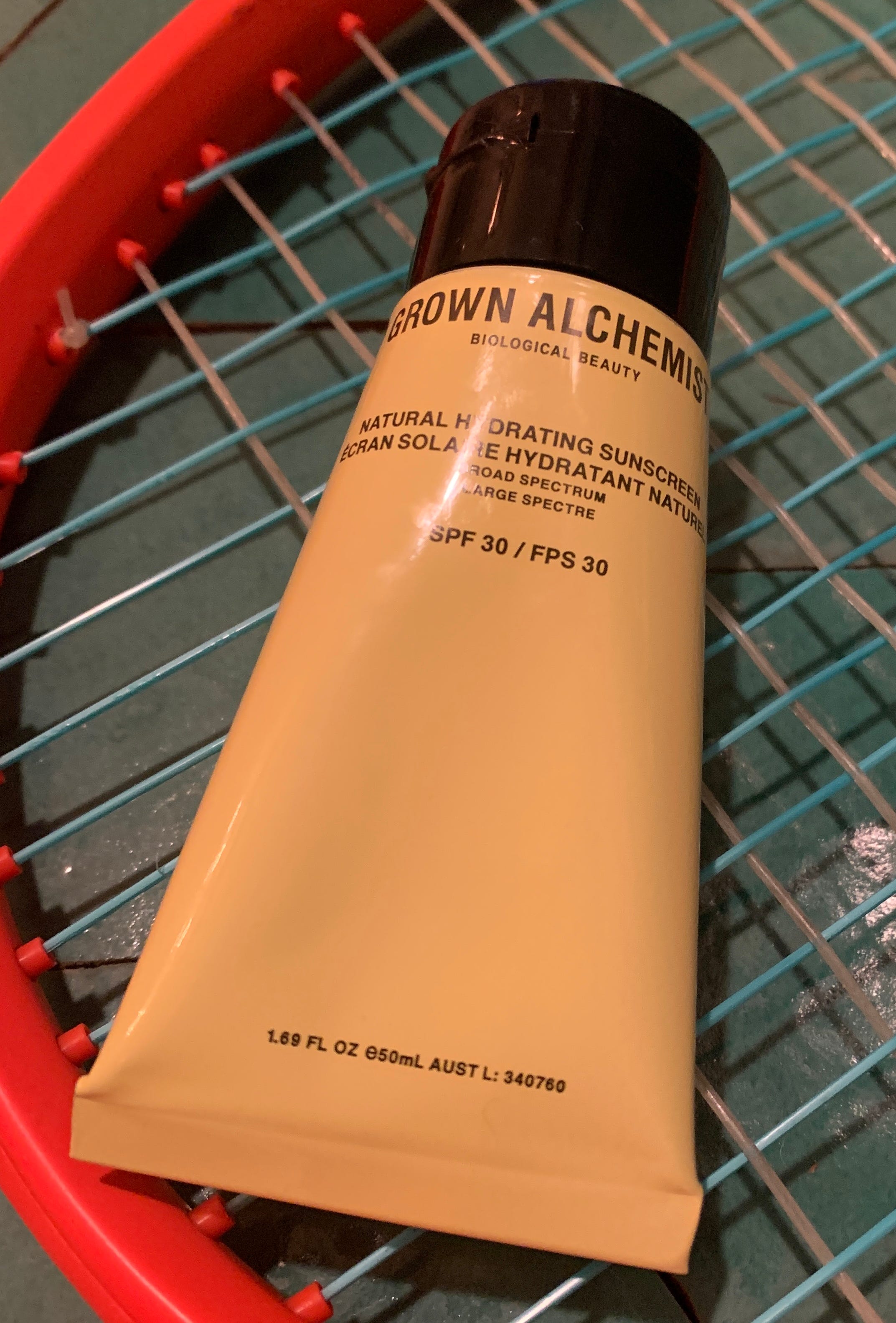
1. Look on the “active ingredients” box on the label
2. If there is nothing in the box besides titanium dioxide and/or zinc oxide, it’s mineral and you’re good.
3. If there are other ingredients in the box, it’s a chemical sunscreen and if I were you, I would skip it.
Comments
Nothing yet. Say the first thing.
Sign in to join the conversation.