
By Leo Moraes and Adam Block
There is a moment that happens at every World Cup, in every bar, in every living room, on every street corner where someone has propped up a screen. It doesn’t happen during the goals, though those are electric. It happens when the cameras pan across the stands and you see the faces, painted, draped in flags, wild-eyed, and you realize: none of these people were supposed to be in the same room. A Senegalese grandmother in a yellow jersey. A Brasilian kid in a Moroccan scarf he bartered for outside the stadium. A Japanese tourist who doesn’t speak a word of Spanish, arms around two strangers from Ecuador, already learning their chant.
That moment is the World Cup’s deepest secret. The games are the excuse. The gathering is the thing. Which is exactly what makes it so maddening that the whole apparatus is controlled by an organization that has never demonstrated any interest in the gathering, only in what it can extract from it.
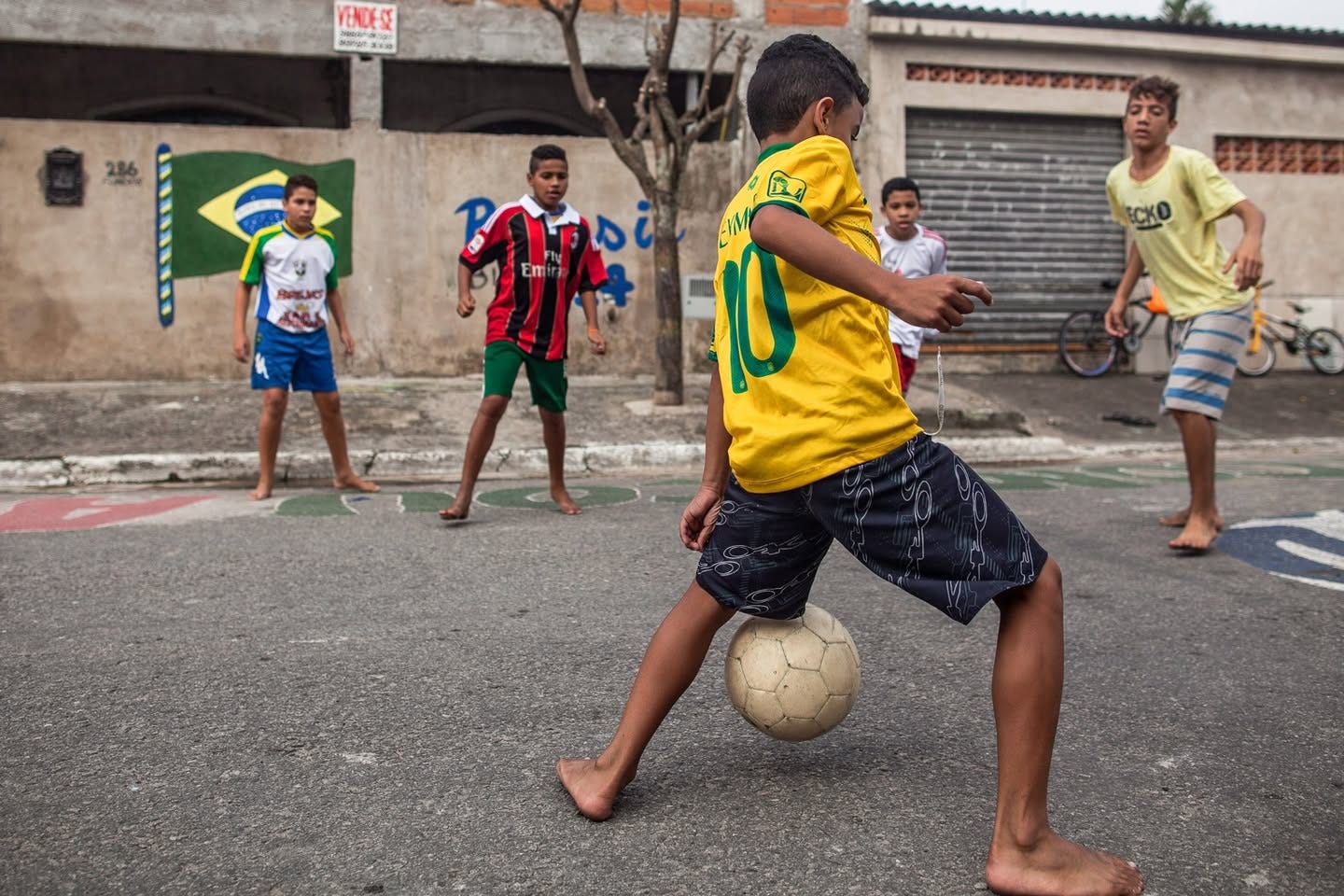
The 2026 tournament runs June 11 to July 19, across the United States, Canada, and Mexico. 16 cities, 48 nations, 104 matches. Somewhere around six billion people will tune in before it’s over. Three out of every four humans alive on this planet. There is no other event — not the Olympics, not the Super Bowl, not anything — that comes close. The World Cup is the closest thing humanity has to a shared experience.
Here’s something worth understanding: the World Cup is the only major international spectacle where the so-called superpowers carry no particular weight. The United States and China are just teams. There are no permanent seats on the Security Council of football. South American nations have historically dominated. African nations have been producing genuine contenders for decades, their fan presence turning any stadium into something close to a festival. The World Cup belongs to the world in a way that phrase is usually just marketing.
Which is exactly why it’s worth separating the tournament from the institutions that surround it. An organization that has spent decades awarding tournaments to the highest bidder, regardless of human cost, recently saw fit to create a “Peace Award” to appease a sitting head of state’s ego. A gesture so transparent in its cravenness that it tells you everything you need to know about where their priorities have always been. And the current American political climate, the hostility toward immigrants, the isolationist posture, the casual cruelty toward the very people the World Cup will ask to come here and spend their money, is its own kind of betrayal of what this event represents. You are not required to endorse either one in order to love what happens between the fans. In fact, we’d argue that loving it clearly requires acknowledging both.
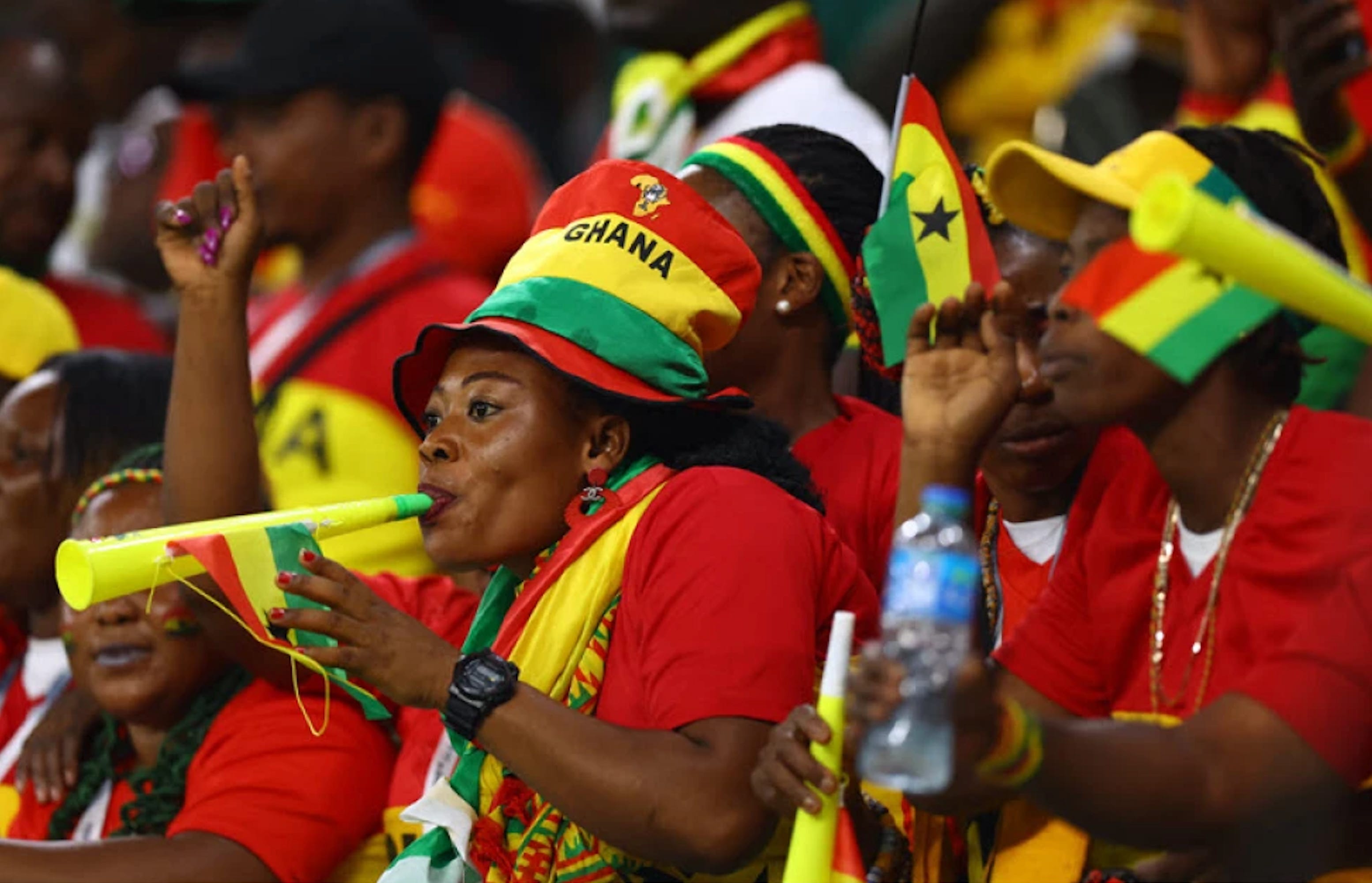
Because FIFA doesn’t own this. Neither do the host nations. What fills those stadiums — the music, the drums, the chants, the flags worn as capes, the parades and dances that spill into the streets and across plazas and parks, that belongs to the people who show up. It always has. The tournament has always been larger than the organization that runs it, and larger than the country hosting it too.
Think about what music does when it crosses a border. Not the music industry. The industry is a disaster, we’ve covered that, but the music itself. The way Afrobeat moved from Lagos to Accra to Lisbon to Toronto without asking anyone’s permission. Music doesn’t require a visa. It arrives, transforms whoever it touches, and leaves changed itself.
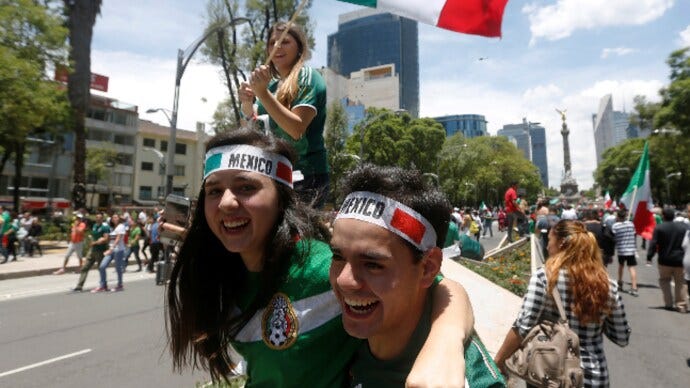
The World Cup works the same way. And Jazz Is Dead exists because of that kind of transmission, that kind of gracious exchange: the passing of a sound from one set of hands to another, across time and geography. What João Donato built across decades of Brasilian music traveled far beyond Rio, touching listeners who couldn’t tell Portuguese from Spanish. What Ebo Taylor wove into Ghanaian highlife did the same from the other side of the Atlantic: a sound so rooted in place that it became, paradoxically, universal. The more honest, specific and pure the truth, the further it travels.
The World Cup is the world doing that, live, for six weeks straight.
Come July 19, a team will lift a trophy and be called Champion of the World. But what we’re really hoping for is simpler: that the millions of fans streaming into these sixteen cities, and others around the world, do what fans have always done: make a temporary and shared republic of joy that outlasts whatever political and corporate moment it arrives in. That they remind each other, and maybe even their hosts, of what it looks like when the world decides to recognize, respect and celebrate our beautiful differences rather than be intimidated or frightened by them.
Root consciously. Celebrate loudly. Know the difference.
Thanks for reading! This post is public so feel free to share it.
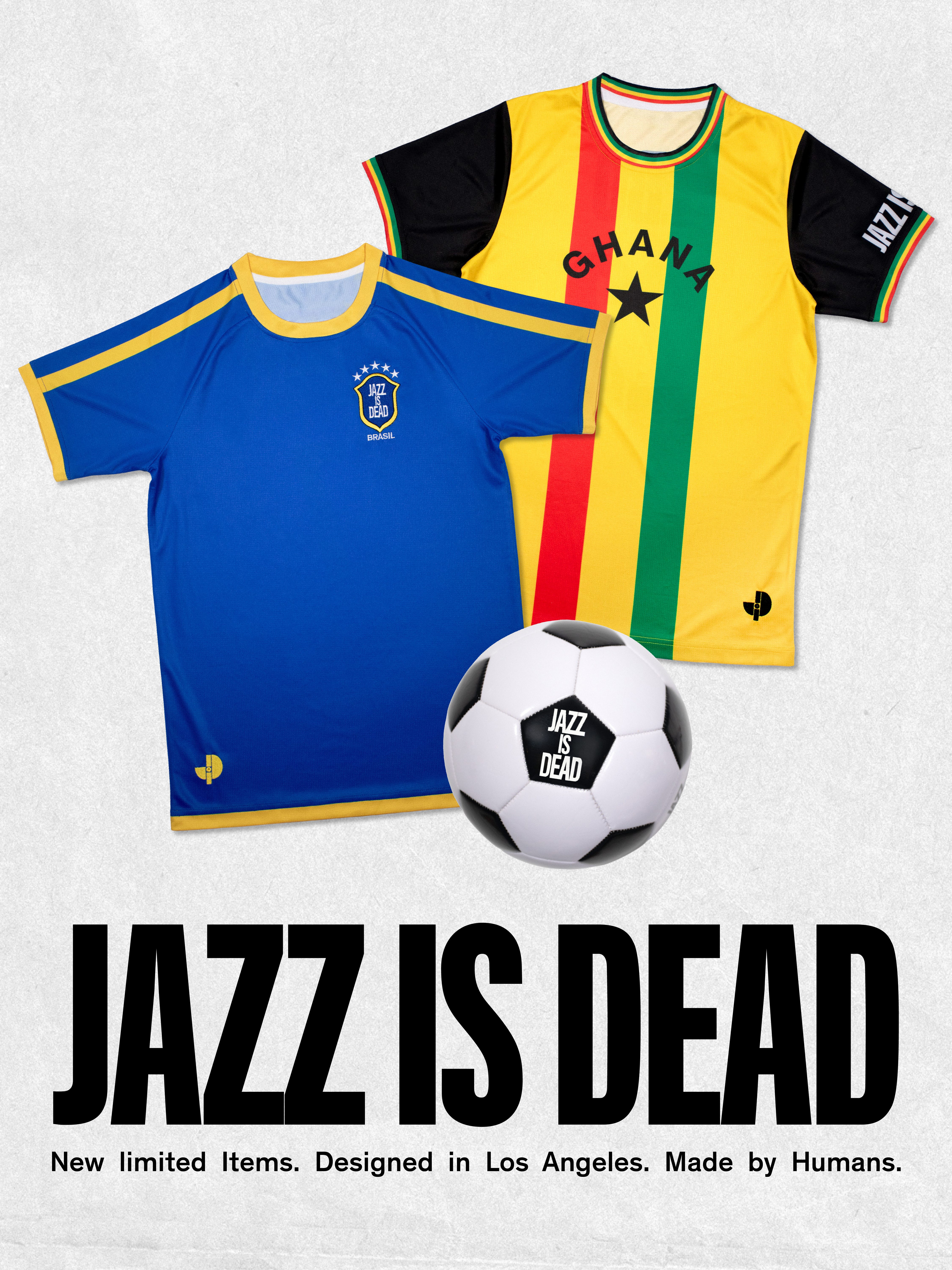
While we’ve been thinking about the World Cup, we’ve also been in the design studio. And it felt impossible not to connect the two.
João Donato brought Brasil to the world through sound. Decades of harmonic restlessness, a piano touch unlike anyone else’s, a spirit that traveled far beyond Rio and never asked for permission. Ebo Taylor did the same for Ghana, weaving highlife and Afrobeat into something so deeply rooted in his country’s soil that it became, inevitably, the world’s. Both men are giants. Both men are also citizens of two of the most passionate football nations on earth. That’s not a coincidence we were willing to let pass without comment.
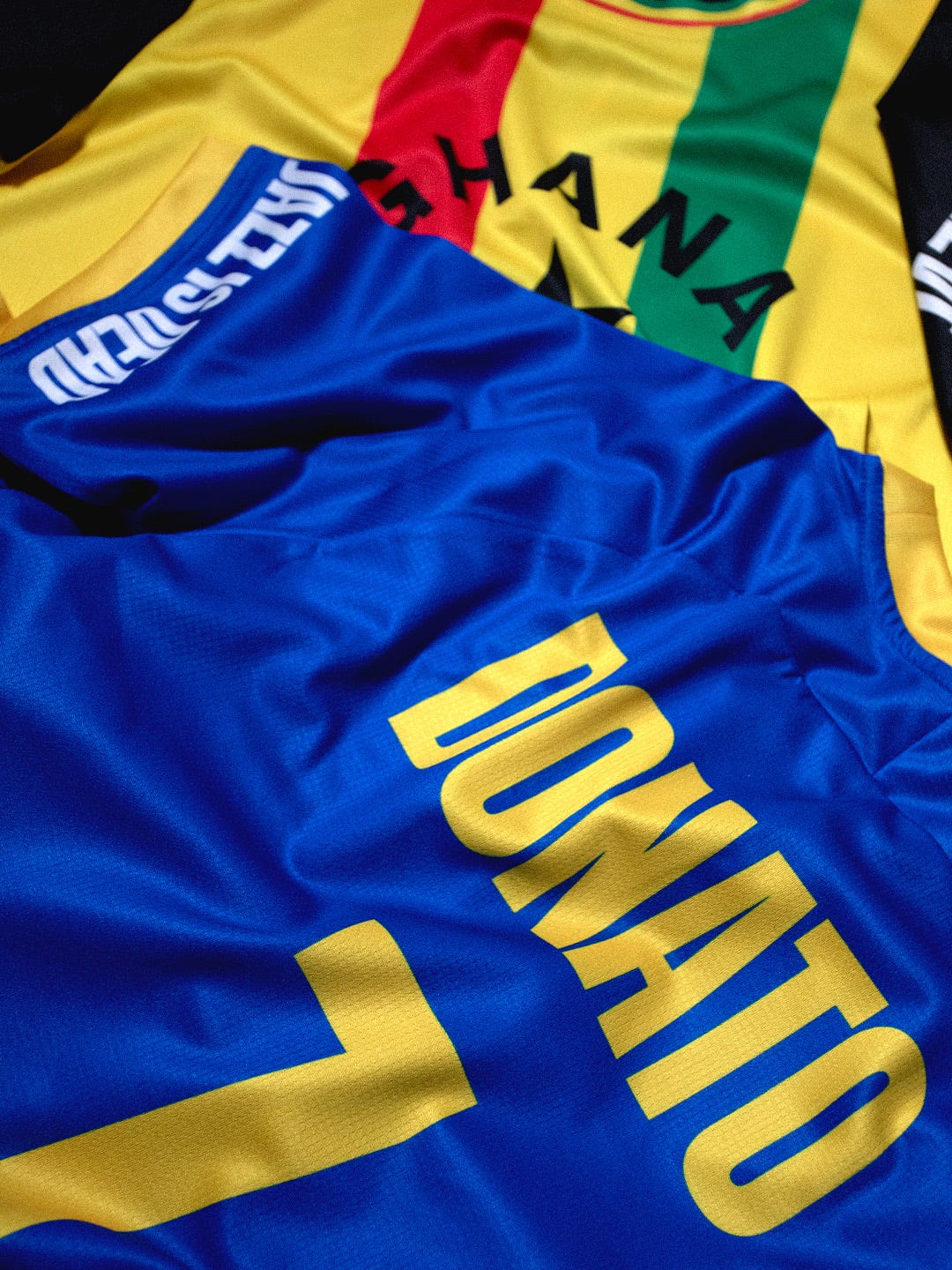
We said we were listening when we made JID007 and JID022. These jerseys are our way of saying we still are. The colors they wore as a nation, now carrying their names. Donato 7 in blue and gold. Ebo 22 in black, green, red and yellow. And alongside them, a Jazz Is Dead ball: because the culture travels wherever it goes, and it might as well travel in style.
And because this drop exists in the context of the world we actually live in: the No Human Is Illegal Tee. Music has never asked for papers, and neither have we. Every sale goes directly to CHIRLA — the Coalition for Humane Immigrant Rights — because we designed it so the message can reach places posters cannot. Wearing it is the least complicated thing you can do right now.
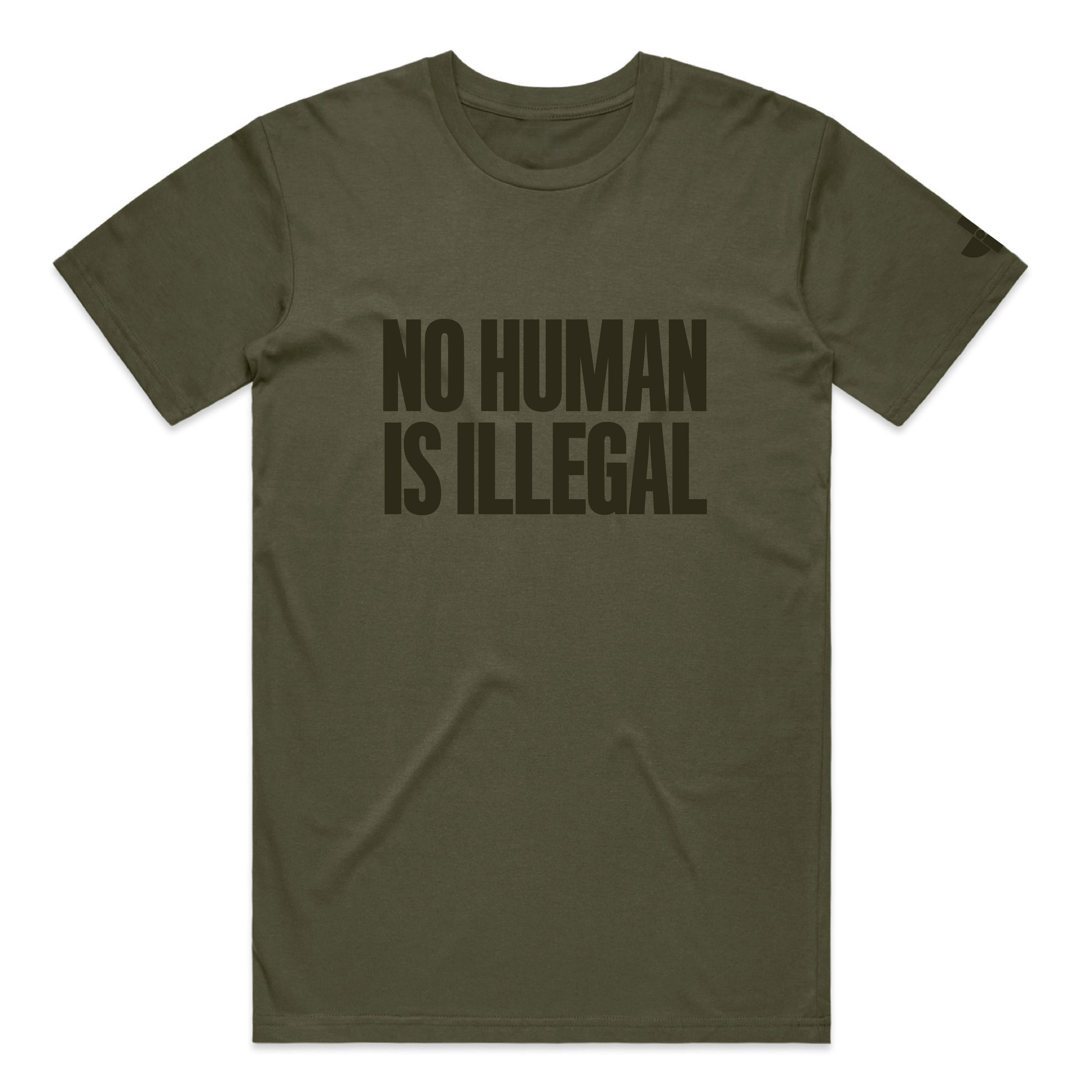
That’s four of eleven new pieces: designed in Los Angeles, made by humans, made to be worn. Check out the rest at the link.
No posts
Comments
Nothing yet. Say the first thing.
Sign in to join the conversation.