
by Leo Moraes
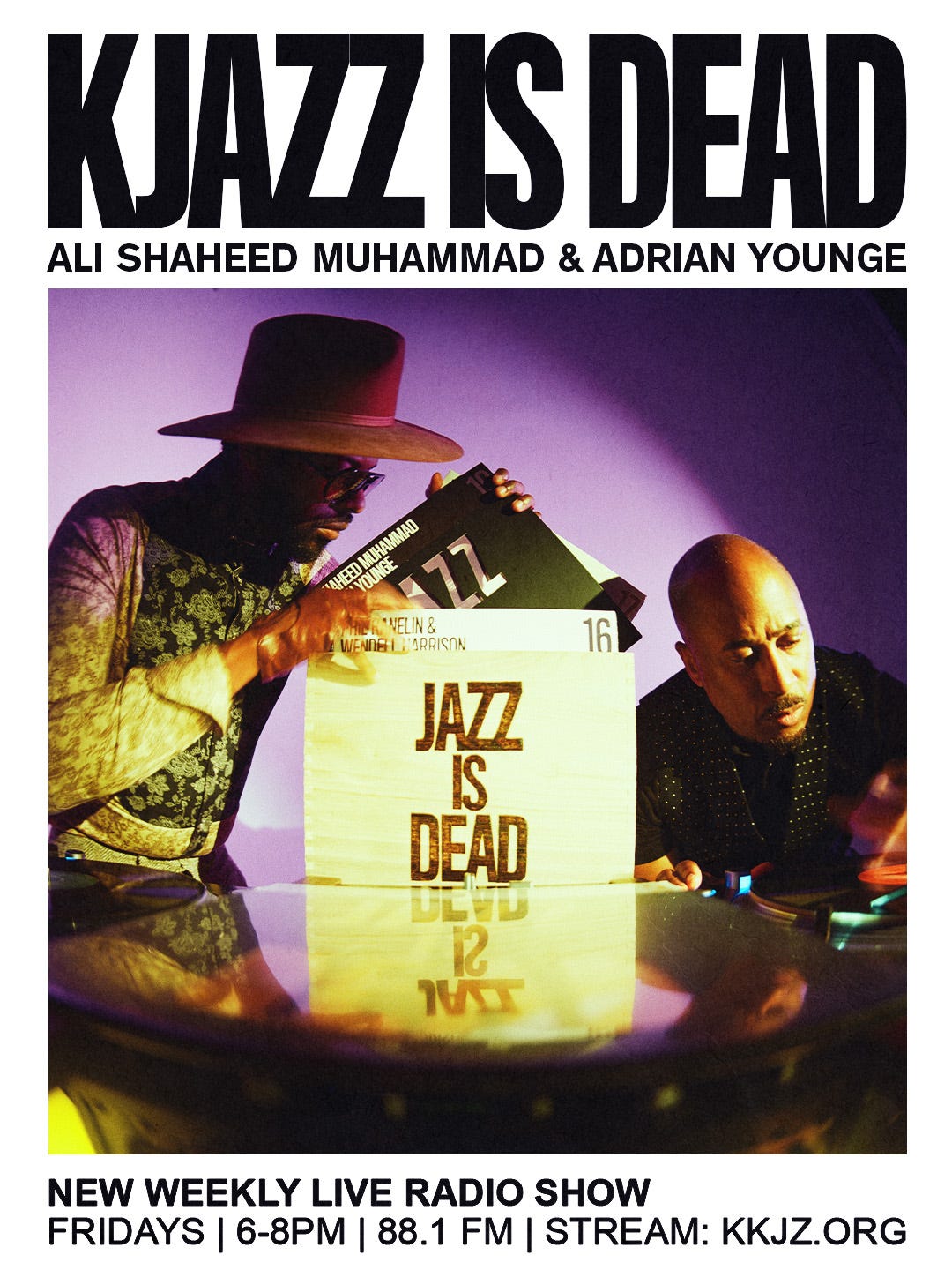
If you follow Jazz Is Dead on Instagram, you’ve probably seen the track lists of our KJAZZ Is Dead shows we put out every Friday. A couple of weeks ago we inadvertently posted the cover of a compilation to illustrate one of the songs from the show. When Adrian saw it, he hit us up in our work thread asking us not to do that, to always use the cover of the original album where the song was released. I completely agree with him that, for this particular purpose, it’s not only better, but important to post the original artwork. Not only is it more educational for the listener but, most of all, it is respectful to the artist.
Let’s be honest, compilations just don’t feel as cool as actual albums. After all, and we hear about this a lot in these singles-culture days, albums are works of art themselves. They are collective, whole thought. The track order is created with intention to take the listener on a journey imagined by the artist, the artwork should add to the atmosphere, all of it being the materialization of the artist’s vision and expression in that specific moment in time. You don’t get any of that from a ‘greatest hits’ type compilation.
And let’s not forget those dreadful and soulless cash-grab compilations that record companies would put out, without consent from the artists, with flat mastering and horrible, generic artwork. The whole shameful history of the format lies right there: in the repackaging of artists’ catalogs without payment, the royalties paid to whoever held the paperwork from a deal that had screwed the artist in the ‘60s, and every shady arrangement in between.
But compilations, if done the right way, can be so much more than that.
Before we move on, I want to acknowledge that I (and most people of my generation) discovered a lot of great music through compilations. Yes, even the shitty ones I mentioned above. My first contact with The Police, when I was a kid, was through a compilation released in Brasil with songs from the commercials of a popular cigarette brand. Yes, in the ‘80s cigarette companies were allowed to advertise on television, and they released albums with the soundtracks of those commercials and sold them to kids. Yes, I’m old enough to have seen people smoking in airplanes and buses. But I digress. The point is, because of that compilation, I went on to become a fan, and to buy all their albums.
In Viçosa, the small town where I lived, our parties featured the same songs as the hottest club in Rio, thanks to a compilation my friend had that was curated by the club’s DJs. And DJs are essentially live curators, whether they are spinning at a club, on the radio, or... creating a playlist! Because when you look at it, that’s what a compilation is: a playlist curated by someone. So this is the key point: if that someone’s intention is to introduce that music to a new audience, creating their own sonic journey, while respecting the artist’s rights, then the compilation album plays an important role in building an audience and promoting the artist.
It’s undeniable that great compilations do exist. The classic Hitsville USA: The Motown Singles Collection 1959-1971 is a perfect example of a label-anthology form done right. Nuggets: Original Artyfacts from the First Psychadelic Era (1965-1968) has become one of the most iconic and influential rock anthologies ever released. Or Ultimate Breaks and Beats, compiled by Louis “BreakBeat Lou” Flores and Lenny “BreakBeat Lenny” Roberts, which is arguably the most consequential compilation series in the history of hip-hop. It might be hard for someone who got into music after the internet to understand the educational impact of this kind of release.
That’s the intention behind our compilations at Jazz Is Dead, and why they are particularly sought after. The first album of each series is a compilation drawn from the next seven albums. Not the repackaging of a catalog, but new music, made with the artist in room, and paid as such. It’s our way of announcing all the artists in the series, of giving fans a taste of what’s to come. They are the perfect entry point into the Jazz Is Dead universe, but they are also a great listen for the initiated and unitiated alike, who want to lie back and be taken on an eclectic journey. The curation is done by the same people who recorded the full albums, with input from the artists themselves. Unlike the other albums, they are limited pressings, so whoever has them, has them. The same goes for the instrumental and remix albums of each series, which makes them a collector’s dream. Listening to them is a very deliberate and specific journey unto itself.
Anyway, Adrian can rest assured that if he and Ali decide to spin a song that might be on one of our compilations, we’ll post the artwork of the full album instead. Even knowing that a good compilation is not a short cut around the album, but an invitation to find it, the album is always the fundamental source.
But we want to know what you think about compilations. Love them? Hate them? Is there one that helped you discover an artist you later became a fan of? Tell us in the comments.
Thanks for reading! This post is public so feel free to share it.
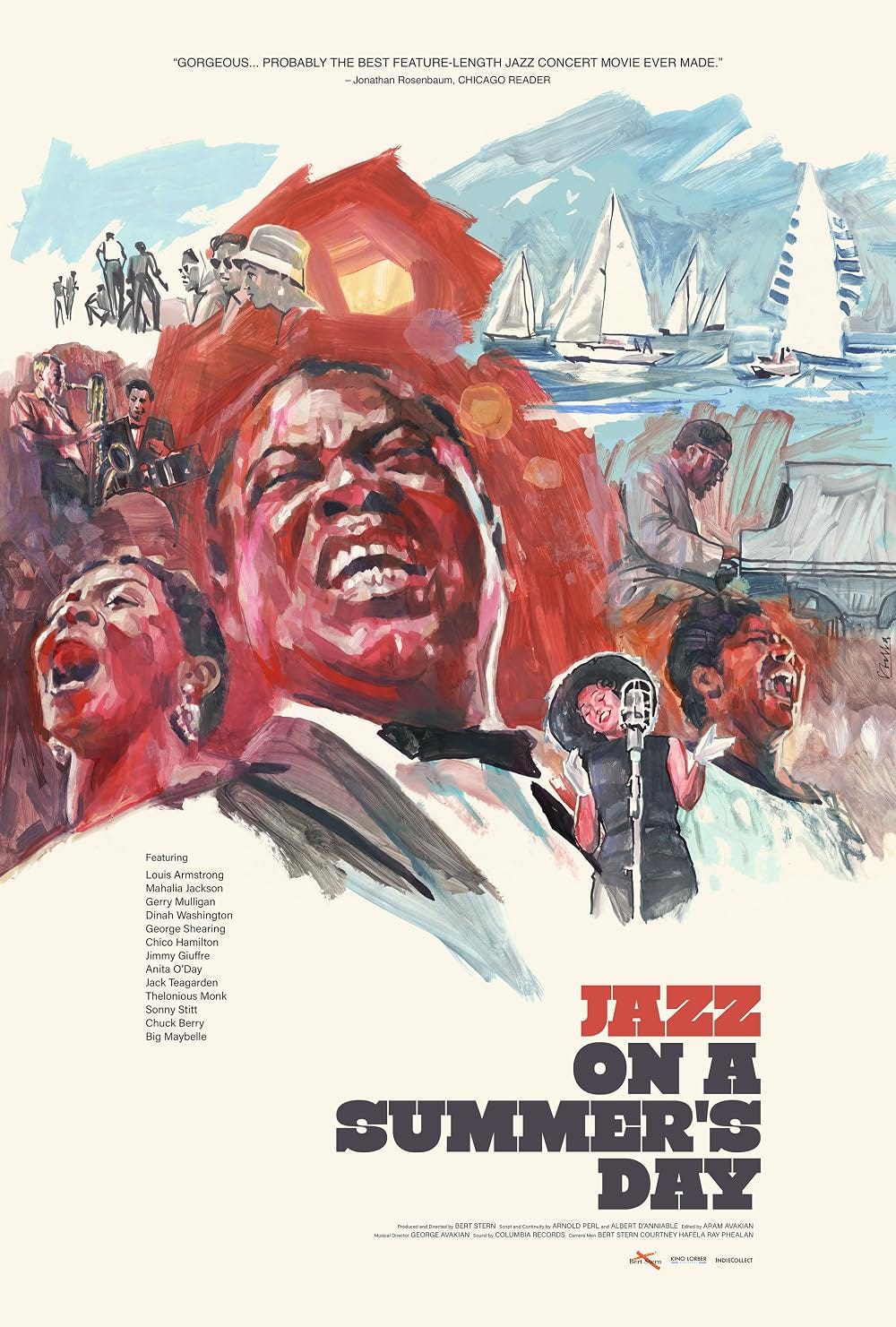
Join Vidiots and Jazz Is Dead for the perfect summer concert film. Filmed at the 1958 Newport Jazz Festival in Rhode Island and directed by world-renowned photographer Bert Stern, Jazz on a Summer’s Day features intimate performances by an all-star line-up of musical legends including Louis Armstrong, Thelonious Monk, Gerry Mulligan, Anita O’Day, Dinah Washington, and closes with a beautiful rendition of The Lord’s Prayer by Mahalia Jackson at midnight to usher in Sunday morning. The film has been beautifully and extensively restored in 4K from the best surviving vault elements by IndieCollect
Tuesday, August 25th - 7:30PM
Featuring a live vinyl set at the screening by @rareform1906
.
No posts
Comments
Nothing yet. Say the first thing.
Sign in to join the conversation.