
When people imagine a chess player, they usually think of someone calculating every possible move, running 10-steps ahead, and memorizing openings. But do you know, that is how a computer plays! Our human mind works differently, and it’s the beast at pattern recognition.
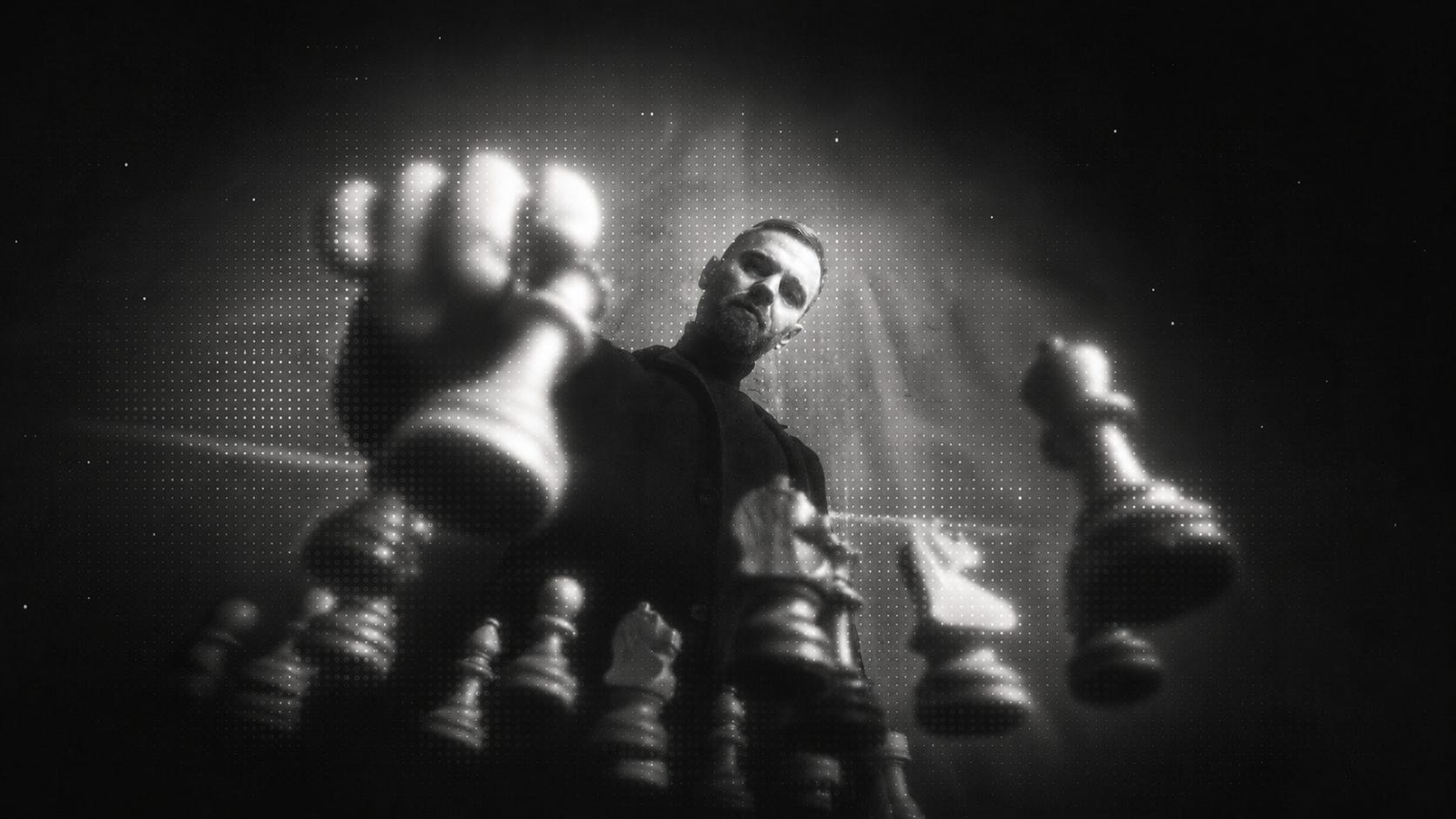
Adriaan de Groot (Famous chess player and psychologist) spent years studying how chess players actually think and he found something very interesting. He found that grandmasters do not calculate significantly more than strong club players do. What separates them is the speed at which they recognize a situation.
A grandmaster looks at a board and instantly senses danger or opportunity, well before they can put into words. The explanation arrives much later as a justification of something already known.
As part of his ongoing research, researchers later ran a variation on this study. They later showed grandmasters with a board whose pieces were arranged randomly, in a position that could never happen in a real game. The advantage vanished completely, and the players couldn’t recall the positions and started acting like beginners. Their intuition had never been general; it was built entirely from positions they had previously played.
I keep coming back to this research even in 2026 because calculating half of the work has become cheap. Machines are now excellent at running branches and holding hundreds of scenarios in their memory, and every founder I know now has that for a few dollars a month. But what machines cannot do is tell you whether the deal is dead when you walk out of a meeting where nobody said anything wrong, or that a hire was a mistake in the first week itself while the work still looks fine. That kind of reading comes only from having been in the same place before.
The uncomfortable part is how it gets built. Naval Ravikant describes it as 10,000 iterations rather than 10,000 hours. And I think that distinction does most of the work.
You see this most clearly when you're hiring in your company. Two people both have 10 years in the same field. One of them made real progress, took decisions, watched them go wrong and corrected over the time. But the other person repeated the same thing 10 times over and over. Trust me, only one of them learnt anything and both CVs will say the same thing on paper.
I built this the slow way in the pet industry. We started PetYo in 2018 and most of what I actually know came from the decisions that went badly. Now I can sit with a pet business owner for 10 minutes and tell whether the problem they are describing is the real one or a symptom of something underneath. What surprised me is how narrow it stays. On the agency side of my work, that same instinct gives me nothing.
Which brings me to the part that genuinely worries me about 2026. Every founder I know can now hand a hard decision to a machine and get back a confident, well-structured, overly lengthy answer in 20 seconds. The answer is often good and logical and that exactly is the problem.
Every time you accept it without making the call yourself, you have skipped an iteration. You directly look at the output and you lose the chance to make a mistake. Sometimes the machine makes the mistake and you believe it as a golden answer, because it arrived in a confident tone and nothing in your experience pushed back.
Which takes me back to the randomised chess board scenario. Those grandmasters had not become less intelligent in that very moment. They were looking at an arrangement they had never played so there was nothing stored to recognize. A founder or person who routes every hard call through a machine/AI is choosing that board on purpose. You keep on repeating the same thing. The machine will give you the answer and your works keep moving and you get nothing out. You spent ten years in the same way and now every situation still looks like a random chess board arrangement.
The trade I tried to make is a narrow one. The machine gets the research, the analysis, and the problems I already know how to judge them. But, I keep the decisions I could learn something from, especially the one I might get wrong.
I strongly believe the process still cannot be shortened but it can be skipped at times. You need to be the best judge of when to skip the process and when to do it by yourself. And I think a lot of people are about to skip things entirely without even noticing.
I hope we learn to take our own decisions and make it wrong sooner.
Peace ✌️
Comments
Nothing yet. Say the first thing.
Sign in to join the conversation.