
A biopic is made for only three types of audience.
The first audience is for those familiar with the figure you are looking to portray in your film. Depending on the nature of the individual or individuals’ public character, this will be their fan base or their detractors. For simplicity’s sake, we’ll suggest this audience is primarily made up of fans. The fans already believe they have a mostly complete understanding of the person you’re writing the script about. They’re an ‘all or nothing’ crowd.
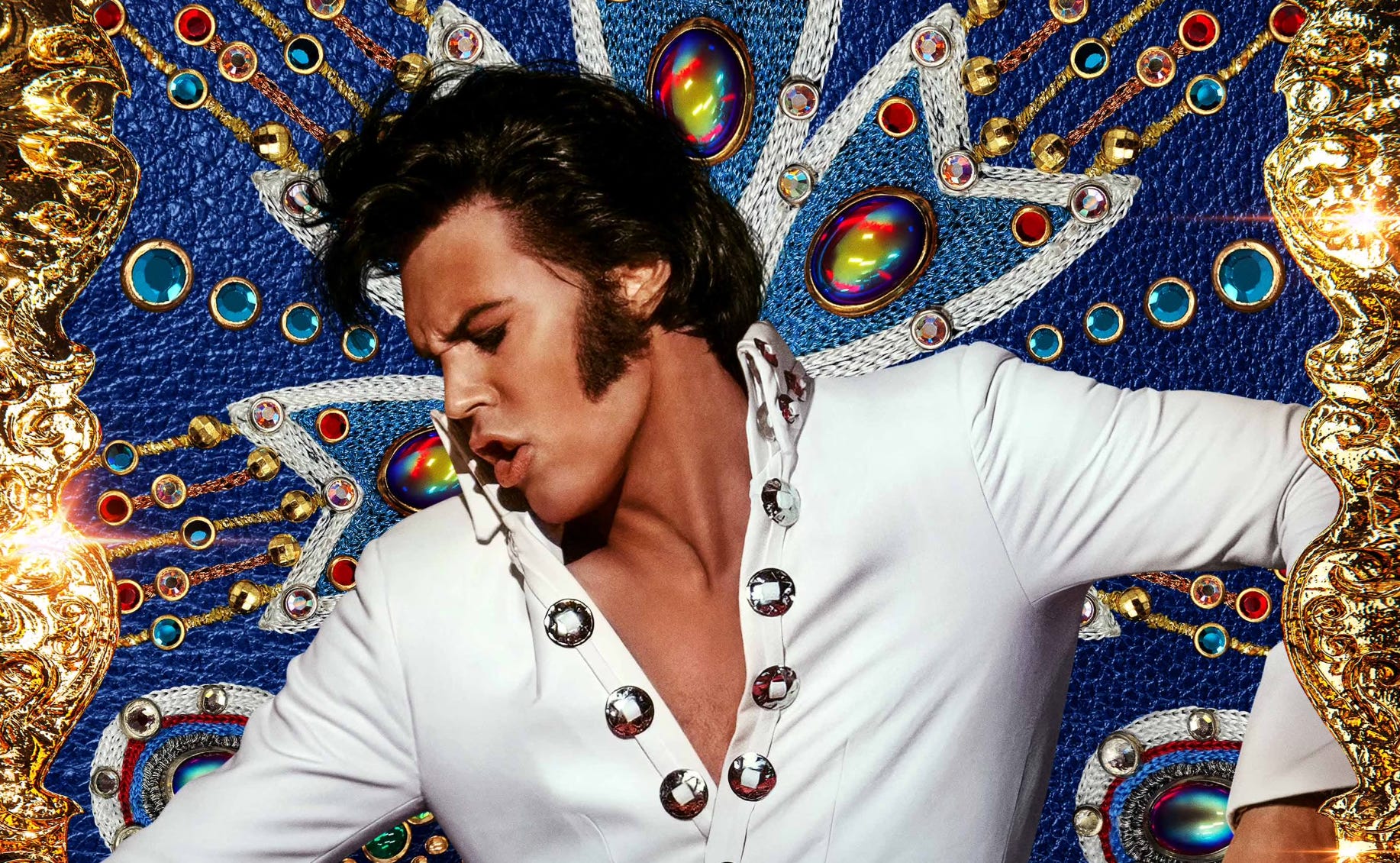
Most of the time, what they want — if the subject is one of high regard — is a hero piece. Look no further than the praise Baz Luhrmann’s Elvis received in 2022 versus the tepid reaction that Sofia Coppola’s Priscilla earned the following year. Elvis didn’t dig so deep into his effect on people in a negative way, beyond a brief glimpse into his late-life drug spiral and how it derailed his marriage to Priscilla Presley. What Priscilla understands, but Elvis Presley fans do not care to grasp, is that any heralded, gifted individual is going to have the best and worst brought out of them in their success. Public figures, especially ‘creative genius’ public figures, live such extreme lives that you can mold the clay of their being into a hero arc, villain arc, or something undefined. And each version may be completely accurate.
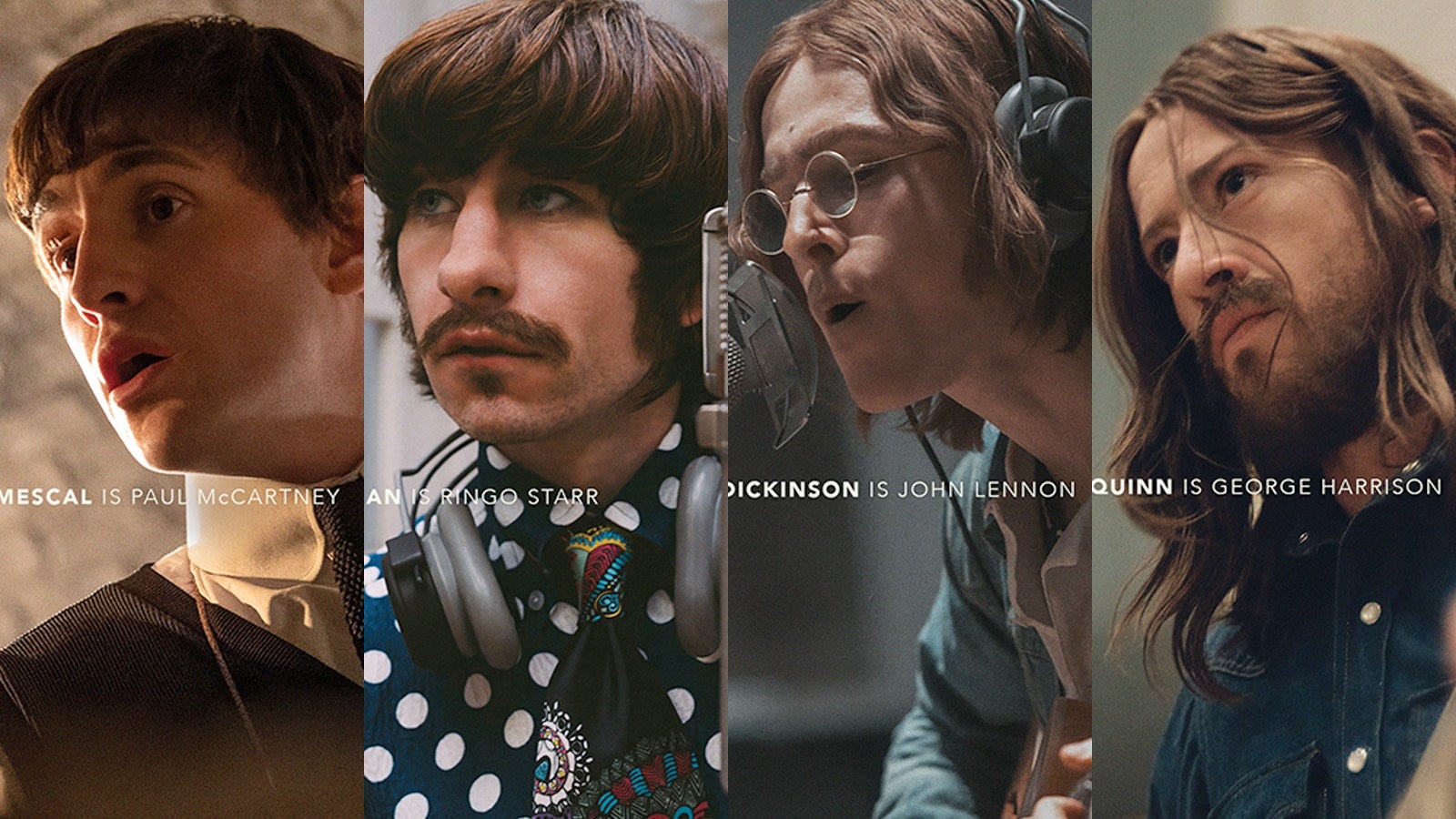
Elvis arrived at a time where enough baby boomers had died off to deflate the cultural relevance of The King. By the 2010s, it had shaped into something close to, “I get he’s a legend but why did people care about this guy?” We’ve started to see that with The Beatles now, as well. The ‘The Beatles were never good’ discourse has been in full swing for well over a decade, evolving out of the ‘You know John Lennon beat his wife?’ discourse.
When a musician, or any creative, hits an apex of mass appeal they become viewed as more of a commodity than an artist. The accomplishment of Elvis was that director Baz Luhrmann effectively educated the under-40 crowd why older generations cared about Presley. By focusing more on commercial spectacle than interpersonal turmoil for a generally beloved figure like Elvis, Luhrmann delivered a hit. Sitting in the theater, watching that movie, I could start to understand why my own mother was an Elvis Presley superfan. It did a lot to bring new interest to the Presley franchise.
Especially coming out of a decade of art that focused so heavily on vilifying heroes and showing the nuances of villains and their motivations, it was a cold glass of water on a hot summer day. You paid for a ticket and you finally got a straight-forward hero story. Yes, the hero had a downfall, but we all do.
The truth is, it’s easy to take somebody who is already revered and strip them down to their ugliest bits. In most cases, those flaws are already known and well publicized. With someone as culturally monumental as Elvis, presenting only that side feels emotionally dishonest. That may help explain why Priscilla remained more of a critical darling than a commercial breakout, and why A24 failed to capitalize on the lingering spark of 2022’s Elvis-mania.
What fans want most from their biopic is somebody who looks and sounds like the actual person. A worthy successor, so to speak. This is critical. They will even accept a weaker performance out of the actor if his or her face is in close enough range to matching the subject’s.
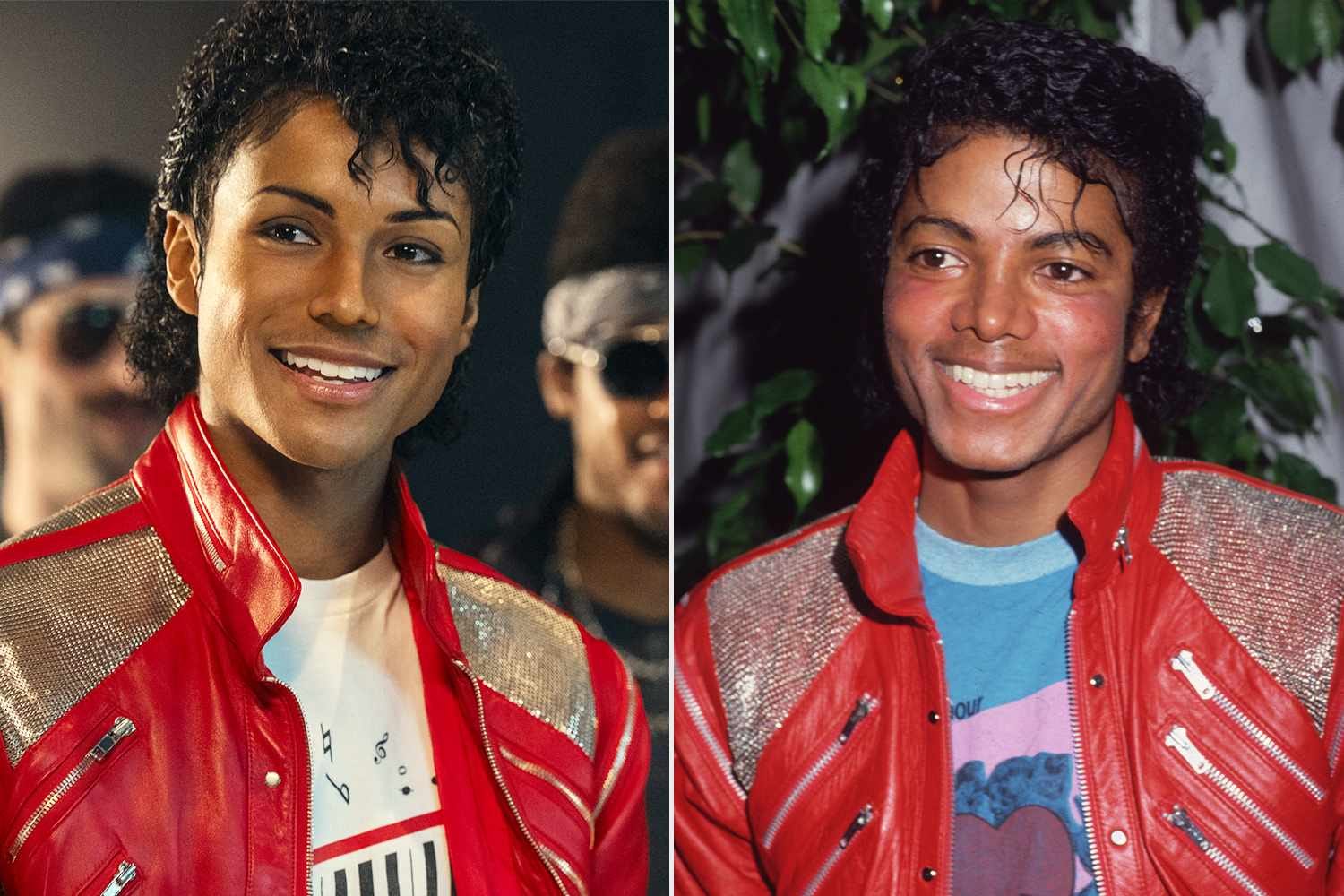
Michael, the 2026 Antoine Fuqua directed biopic on Michael Jackson, is one of the best examples of this rule. Jafaar Jackson had never acted before. One of his only previous IMDb credits, in fact, was appearing as ‘Self’ on The Oprah Winfrey Show. But Jafaar was about as close as you could get to Michael Jackson without roping in one of those Nicaraguan impersonators off of Hollywood Boulevard. You can almost see a hint of young Michael in nephew Jafaar’s face. Michael is also a fantastic example of a product made for what I’ll be laying out as ‘the second’ biopic audience. (More on that shortly.)
The second major thing fans want (or think they want) but are often denied is the chance to learn something new about the person. They want access to a side of the subject that few others have seen. Unfortunately, that is extremely difficult in the internet age, especially when making a biography about someone who lived in the 20th or 21st century.
There’s also the reality that if the truth of the subject in their personal life is too far detached from their public image, like with a Michael Jackson, that a more candid portrayal risks alienating viewers who came to the film to show respect. There are a lot of stories about Jackson’s life but we’ll keep it simple and to what looks to be bulletproof. Jackson, whose whimsical press voice was reportedly a put-on, apparently spoke with a much deeper voice behind closed doors. To millions of fans, if they were exposed to that version of the late-life Jackson, it would naturally be jarring to watch and hear. They may be put off to the film due to that alone.
We, as audiences, are rarely caught off guard when we watch biopics. The beats unfold exactly as expected and that leads to some of the most boring filmmaking. It’s the biggest reason why the genre is considered ‘low’ territory to occupy. If there is a questionable element, it’s quickly singled out and picked apart, and even sometimes used to justify arguments as to why a film is bad. And what bigger studios fear most is the specter of a lawsuit. The first whiff of the word ‘defamation’ and suddenly every exec is jumping down the director’s throat to push for the safest, most formulaic creative choices. It sabotages the act of cinema.
In that sense, the biopic genre is equivalent to the horror genre of the 20th century. Working in horror in the 1970s, 1980s, and even 1990s meant you were cashing a meal ticket and almost surely making a piece of shit. Auteurs looking for work wherever they could picked that genre up by its boot straps and made some exceptional films. We don’t see The Exorcist, The Texas Chain Saw Massacre, or A Nightmare on Elm Street without embarrassed directors treading into territory they felt they were above. And the reason why they did was because horror was the closest thing to a financial guarantee at the box office.
Biopics today are generally considered junk—because most are. But what people miss is that they almost always find their audiences. Several in the last decade have fallen victim to having overinflated budgets that they cannot surpass and wind up being labeled flops when they don’t perform to what the studio needs to turn a profit. Better Man is one of the prime examples of this, boasting a budget of $110M. It made $22M at the box office. Springsteen: Deliver Me from Nowhere, despite being marketed like an indie film with talented but not-immediately-household-name actors had a budget of $55M and only generated $45M at the box office. These are huge mistakes, and they’re often sourced in one thing: the studios picked the second audience…
The second audience you can make a biopic for is its subject. When you get approval from the person that the movie is about, you’re opening a door called “Access.” If you’re covering a musician, you might get their catalog. If you’re telling the story of a famous politician, you may get some inside plays or secrets. You also dovetail into the first audience (fans) when the subject or their estate endorses the film. For financial reasons and for risk aversion, it makes a lot of sense to go through the person before portraying their story.
But that comes at a great artistic cost. Because no famous person, or their estate, is going to be comfortable with the unflattering parts of their life story being given much attention. If they’re powerful, then they are going to leverage pressure to shave off the controversial bits and will have hundreds of ways to do this in the lead ups to principal photography and picture-lock.
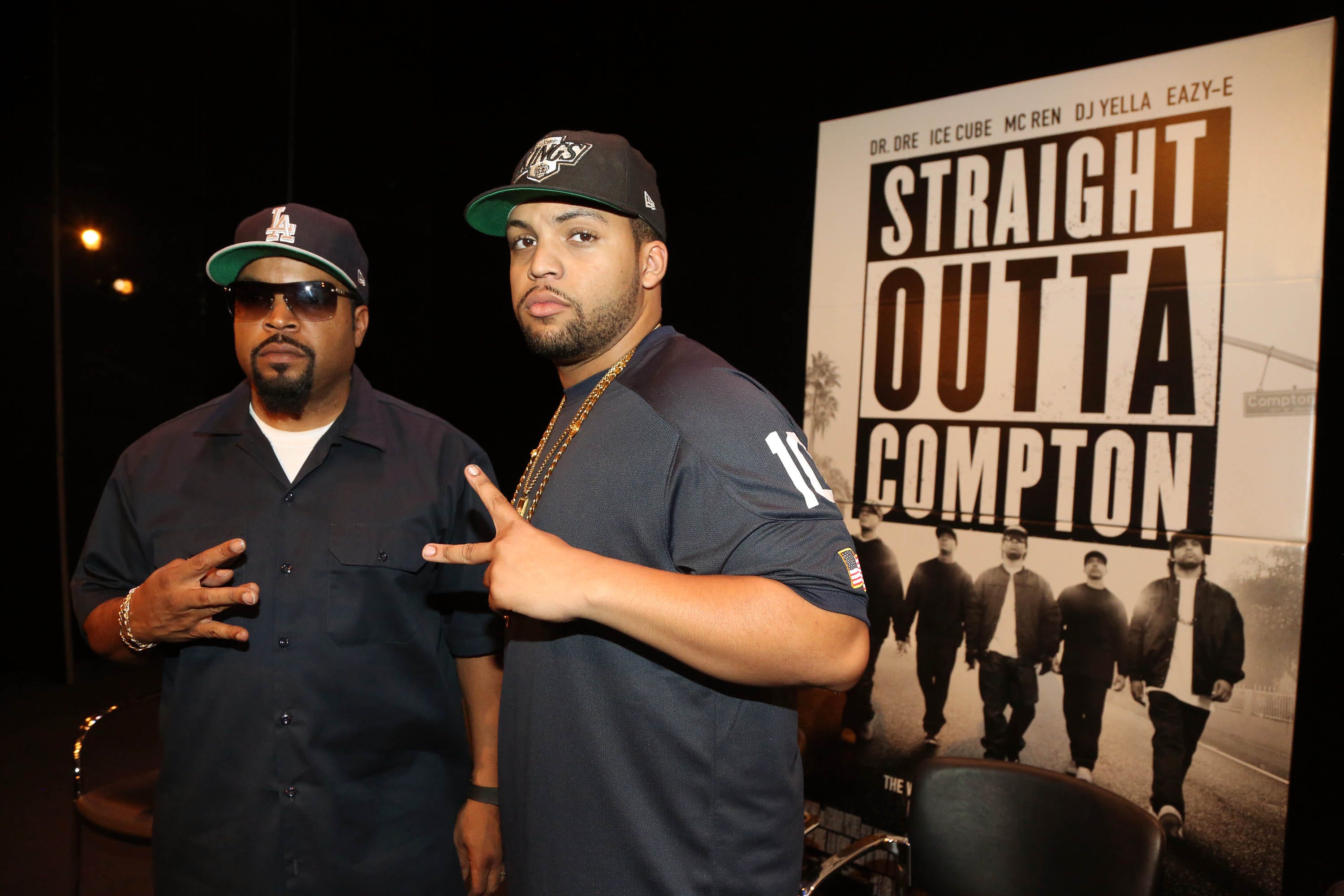
What you’ll be left with is a Straight Outta Compton. When that movie came out in 2015, I was hyped. I grew up in the projects. We would recite N.W.A. and particularly Eazy-E lyrics to one another. And given the history of the band and how explosive the personalities and feuds were, Straight Outta Compton should have been a fascinating biopic.
But it wasn’t. It was popcorn.
Somehow the members of N.W.A. came out of that movie like they were scrubbed with Dawn dish soap. These were all good boys who just had a hard upbringing, and poor, defenseless Eazy-E... How did he get AIDS? We’ll never know. Maybe he was injected by Suge Knight and his goons. Or maybe he was injected another way. Why would we want to concern ourselves with such things? That might be disrespectful. These were good boys, after all, and they deserve to be shown as the underdogs they were.
Well, this makes sense, because Ice Cube and Dr. Dre produced the movie and were responsible for bringing it to Universal Pictures. This movie was lined top to bottom with their guys. Ice Cube’s son plays Ice Cube. The movie was helmed by F. Gary Gray, who directed Friday and the music video to “It Was a Good Day.” It was designed to be an uplift piece.
“We're taking it to the nooks and crannies, I think deeper than any other article or documentary on the group. These are the intimate conversations that helped forge N.W.A.,” said Ice Cube. Sure, they did.
Bohemian Rhapsody is a much less enjoyable example of a biopic contorting itself to satisfy artist-approved conditions. The film, with Queen members Roger Taylor and Brian May serving as creative gatekeepers throughout the production, spent years in development before finally emerging in 2018. Upon its release, it was reviled among the types of people who put their letterboxd URL in their social media bios. But they do not represent the whole of the audience for that movie. Queen fans, despite their initial disappointment after Sacha Baron Cohen dropped the role of Freddie Mercury, embraced and adored Rami Malek’s one-dimensional portrayal of the bisexual singer. Hollywood did too, rewarding Malek with an Oscar. The general sentiment around Bohemian Rhapsody was largely positive; it was only after the Bryan Singer exposés and memes about the film’s editing began circulating on Twitter that public opinion started to sour.
The third audience you can target is the viewer who knows little to nothing about the subject, and may not even have much interest in them. This group is not especially concerned with accuracy. What they want is a compelling story and characters.
When you write with this audience in mind, you’re no longer writing a biopic, you’re writing a film using historical details. Looking back at the last 131 years of cinema, this has categorically yielded the best results and given us movies that we do not even consider biopics.
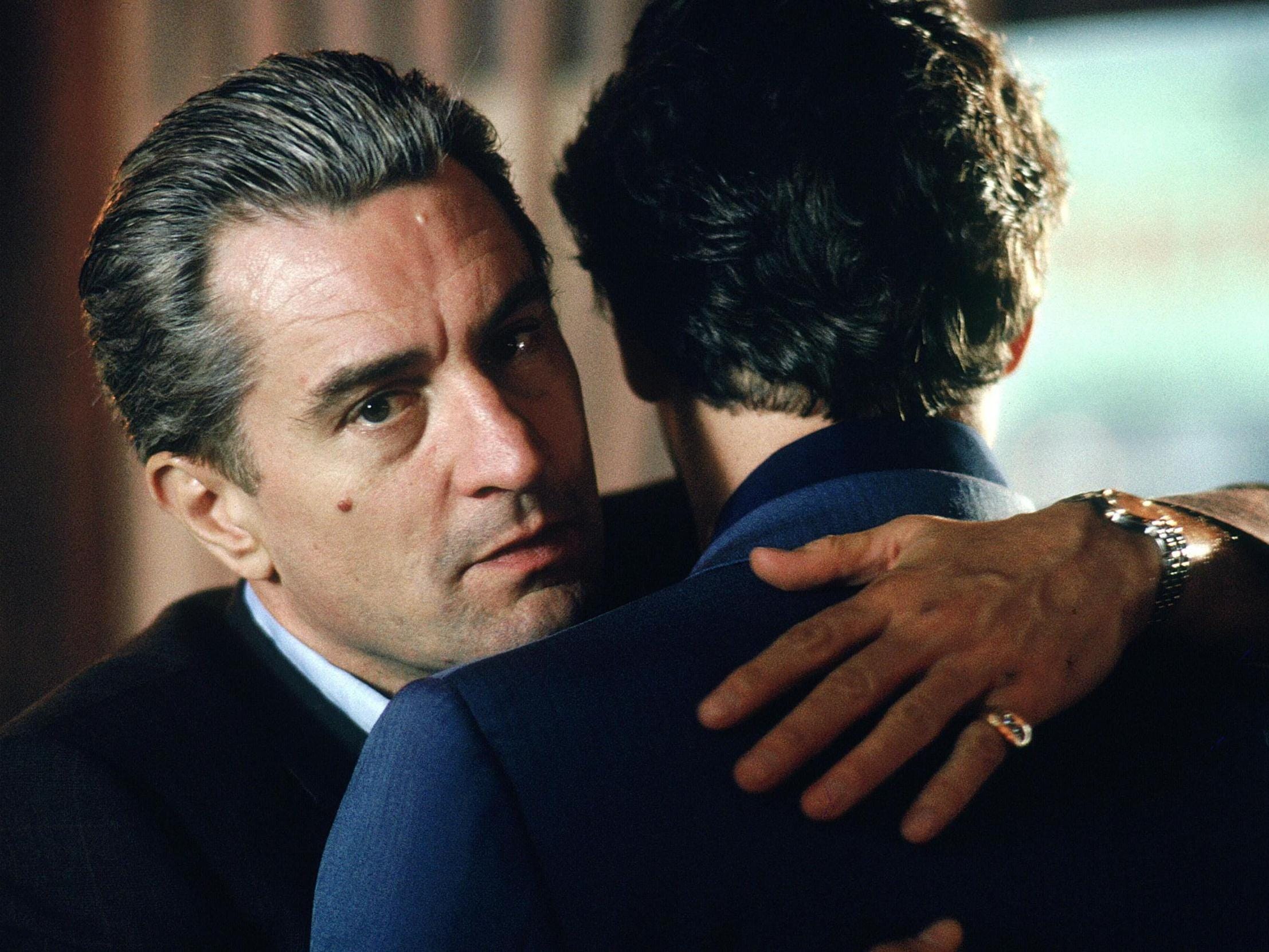
Goodfellas is a biopic. How many of you think of it as one?
Funny Girl, Lawrence of Arabia, Spartacus, Midnight Express, The Elephant Man, Mommie Dearest… the list goes on. Great films without the immediate stink of ‘biopic’ hovering over them. Many were led by auteurs willing to take liberties with the truth because they believed the film itself, and the film’s blind audience, mattered most. Certainly more than the subject’s reputation or the expectations of their social circle and fans.
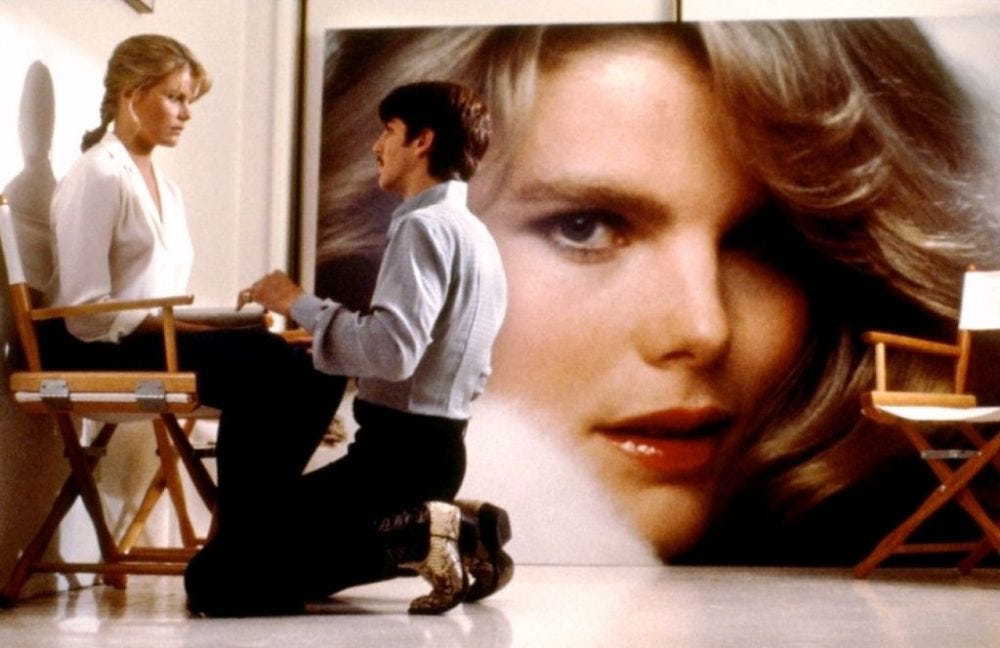
Among biopics, one of the crown jewels of the 20th century is Bob Fosse’s Star 80. Boasting a cast that included the gorgeous Mariel Hemingway as the murdered Playboy playmate Dorothy Stratten and a young and on-fire Eric Roberts as her intuitive and in-over-his-head husband Paul Snider, it delivers on every metric as a movie and as a biopic. Star 80 doesn’t shy away from being a sensationalized piece, but it also doesn’t allow itself to get bogged down by it either. You have to admire what a scumbag Fosse was to choose to tackle this movie so soon after the murder of Stratten, especially given his relationship to fellow director Peter Bogdanovich. He was truly somebody who lived for the arts, even at the expense of taste and friendship.
A modern counterpart to Star 80 would be the Andrew Dominik film Blonde. Dominik gained a reputation in the early aughts for his biopic Chopper on Mark Brandon Read, otherwise known as “Chopper,” one of Australia’s most notorious criminals. The highly-stylized Netflix (still mind blowing to consider) adaptation of Joyce Carrol Oates’ 2000 biographical-fiction novel about Marilyn Monroe would cause a firestorm in conversation over its depiction of Monroe and events in her life. Few recent films based on historical figures have generated as much attention, or as much hostility, as Blonde. Released in 2022, it functioned as the anti-Elvis.
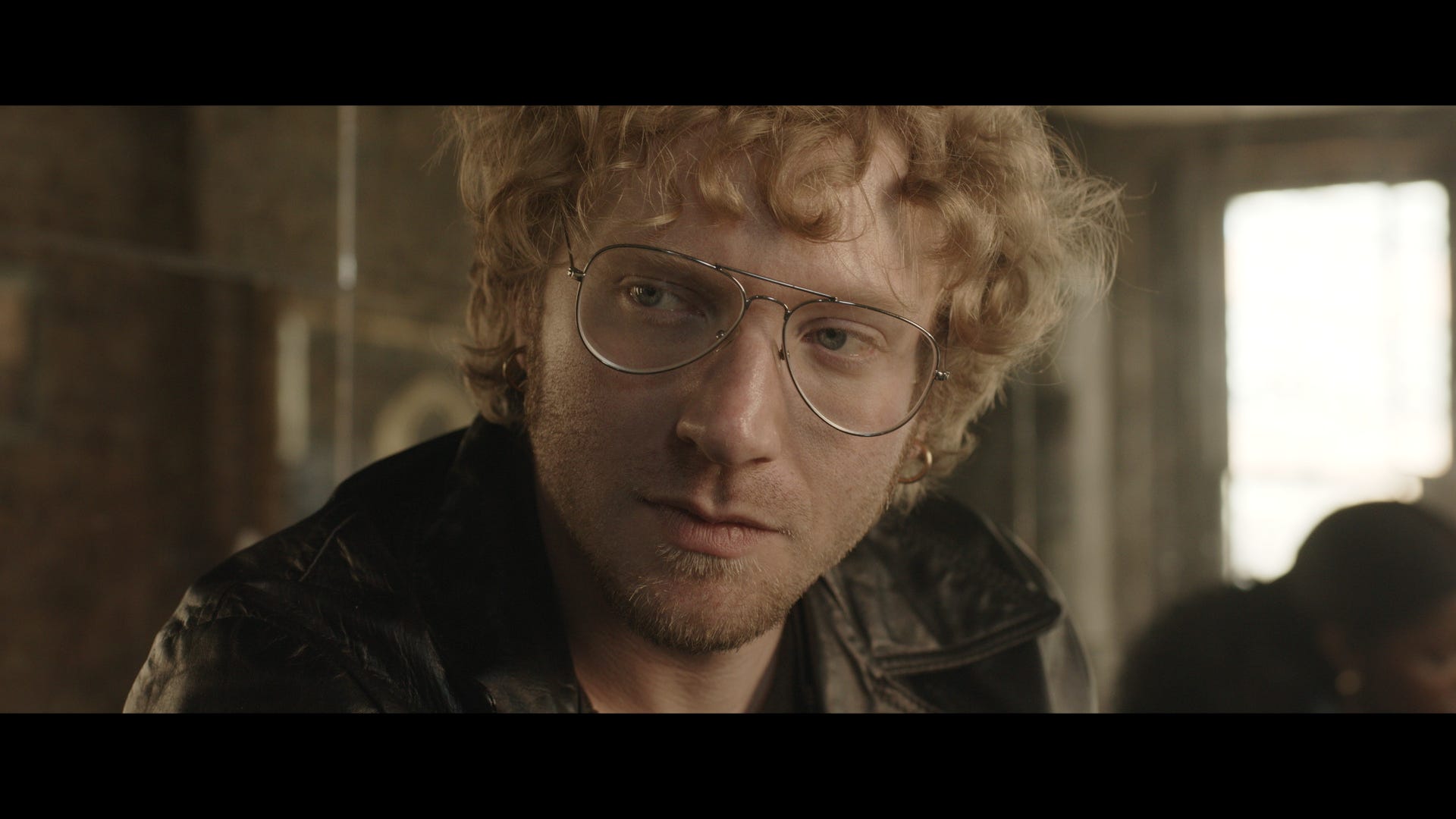
My personal philosophy is that the past becomes fiction as soon as it becomes a memory. Not an unreliable fiction, of course, but how often have you experienced moments you think you’ll remember vividly, only to forget chunks, or merge with them other memories? Surely, you’ve been in an argument with somebody and misremembered something they said or did. The script to a biopic should be treated the same way, it’s someone’s memory.
When diving deep into research for Plea to a Paper God, a period piece that I finished shooting in May, I watched tens of hours of interviews with famous people spanning several decades. I was searching for key details and rundowns about a few pop culture events from the late 20th century, specifically regarding the members of a well known rock band. Somewhere around the middle of writing this script, I realized I had heard three different versions of the same story. Everyone had a different recollection of the event, who was there, and what happened.
I had listened to different blames being distributed over who got who hooked on heroin. Why was this musician kicked out of their band? Were they even kicked out? Didn’t they quit? Maybe they just wanted to go take a nap for fifteen years...
Those who had been part of the rock scene at the time often had hazy memories of serious events that had both made and destroyed people’s lives. When the parties that were there can’t even entirely remember what happened, it widens the window of artistic liberty to be taken. Because no matter what the truth is, the whole of it changes from observer to observer.
Once Upon a Time in Hollywood is a great piece of historical fiction. Quentin Tarantino used true crime and real mid-century pop culture figures to sharp effect, threading them into a story about a mostly fake Hollywood actor and a mostly fake Hollywood stuntman, both of whom were inspired by real people. The film’s depiction of Bruce Lee drew criticism from Lee’s widow and daughter, who objected to his character being portrayed as swaggering egotist who is later humiliated in a fight with one of our heroes Cliff Booth (Brad Pitt.) There was essentially a live flame war between the remaining Lee family and Tarantino, because Tarantino fired back to criticism with a bigger bullhorn — The Joe Rogan Experience. Tarantino’s characterization of Bruce Lee came from stuntman stories of men who despised on set working with Lee. Lee, according to Tarantino - according to these stuntmen, would knock them around for real during takes.
My advice would be that if you’re writing a biopic and looking to make a great film, have fun with it while you can and think with that third audience in mind. Legally speaking, at least in the United States, you can say and do whatever you want as long as you change the names of any private citizens and throw a disclaimer on the film that emphasizes it as a work of fiction. That doesn’t mean that the actual parties you’re using as characters cannot fuck with you. They can, and might. In the court of law, in front of a judge, though they wouldn’t have much of an argument. But most lawsuits in entertainment only exist to break the other party through attorney fees, regardless of the validity of the claims or the case. If you ride it out, free publicity.
No posts
Comments
Nothing yet. Say the first thing.
Sign in to join the conversation.